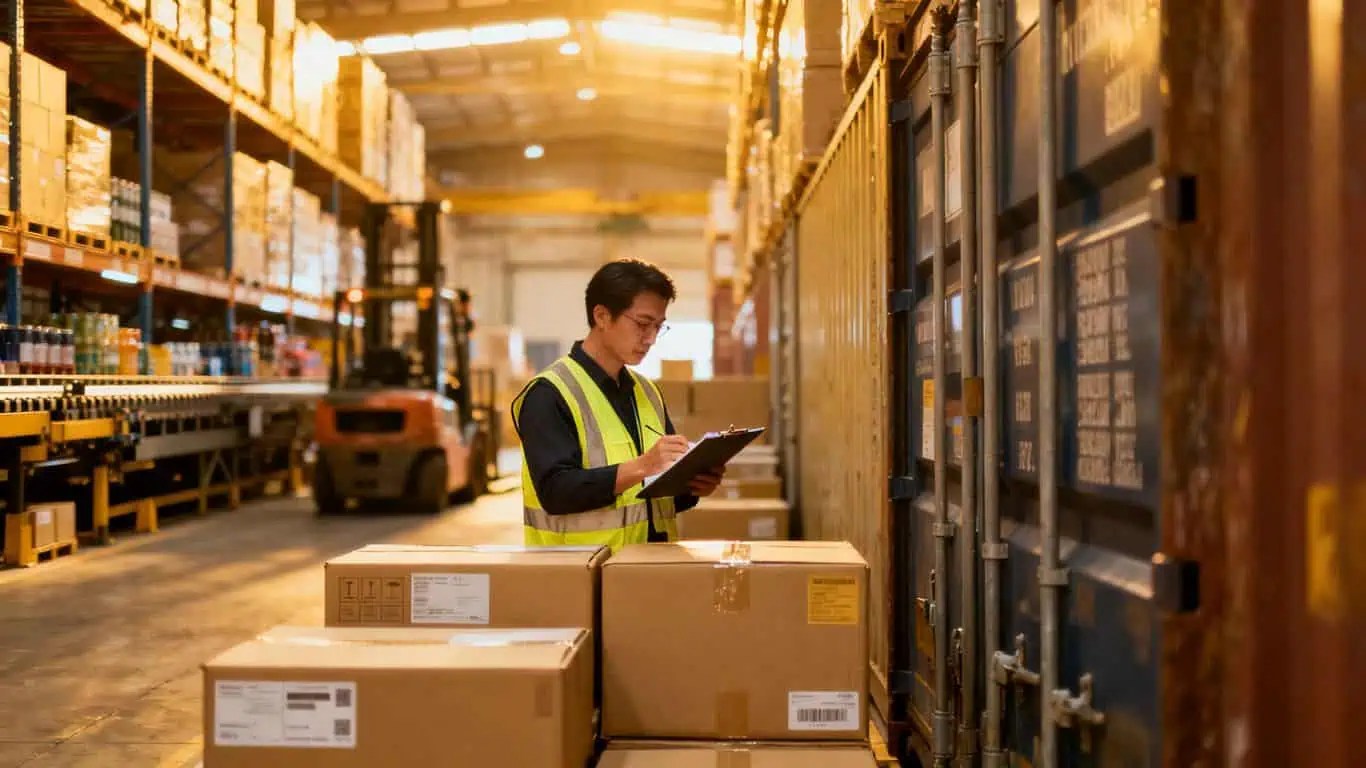
If you’ve ever searched for cheaper suppliers in China, chances are you’ve stumbled across a mysterious platform called 1688 China. At first glance, it looks confusing, completely in Chinese, and frankly intimidating. But here’s the truth most beginners don’t realize: 1688 is where Chinese businesses buy their products, not AliExpress, not Amazon, and not even Alibaba in many cases.
Think of 1688 as the factory floor of China’s internet economy. It’s raw, unpolished, and brutally cost-efficient. While platforms like AliExpress are built for international buyers and retail customers, 1688 is designed for domestic wholesale transactions. That’s exactly why prices on 1688 can be 30% to 70% cheaper than what you see elsewhere.
So why does 1688 matter so much today? Simple. Competition is fierce. Margins are shrinking. And buyers—especially dropshippers, Amazon FBA sellers, Shopify store owners, and private-label brands—are constantly hunting for better sourcing options. 1688 opens the door directly to manufacturers, cutting out middlemen like trading companies that inflate prices on Alibaba.
Of course, there’s a catch. The platform isn’t beginner-friendly. There’s a language barrier, payment restrictions, and shipping limitations. But don’t worry—that’s exactly why this guide exists. By the end of this article, you’ll clearly understand how 1688 works, whether it’s safe, who should use it, and how to avoid the costly mistakes that scare most people away.
If you’re serious about sourcing smarter instead of harder, 1688 isn’t optional anymore—it’s essential.
Understanding the 1688 Platform

Before jumping into buying anything, you need to understand what 1688 actually is—and what it is not. Many people wrongly assume it’s just a Chinese version of Alibaba. In reality, 1688 is Alibaba Group’s domestic wholesale marketplace, built specifically for buyers inside China.
The biggest difference? Audience and intent. Alibaba.com targets international buyers, while 1688 serves Chinese businesses. That means suppliers on 1688 expect buyers to already understand manufacturing basics, MOQ structures, and negotiation culture. There’s no hand-holding here.
Another major distinction lies in pricing transparency. On Alibaba, suppliers often inflate prices to account for commissions, foreign buyer expectations, and negotiation room. On 1688, prices are far closer to real factory rates. Many listings even show tiered pricing based on quantity, making it easier to calculate margins upfront.
Currency and language are also key factors. The platform operates entirely in Chinese (Mandarin) and uses RMB (Yuan). While browser translation tools help, they’re far from perfect. Product specs, size charts, and material descriptions often require careful interpretation.
Finally, logistics on 1688 are built around domestic shipping only. Most suppliers will ship to a Chinese warehouse, not internationally. This is where freight forwarders come into play—but more on that later.
In short, 1688 isn’t difficult—it’s just different. Once you understand its structure and mindset, the platform becomes a powerful sourcing weapon instead of a confusing maze.
What Is 1688 China and How Does It Work?
At its core, 1688 China is a B2B wholesale marketplace where factories, manufacturers, and trading companies sell products in bulk. The name “1688” comes from a Chinese phrase that symbolizes prosperity and good fortune—a fitting name for a platform focused on commerce.
Here’s how it works in simple terms:
Suppliers list products with:
-
Minimum order quantities (MOQ)
-
Tiered pricing
-
Domestic shipping options
-
Business credentials
Buyers browse, negotiate, place orders, and pay—mostly through Alipay. Unlike AliExpress, you won’t find fancy product descriptions or polished marketing photos. Instead, you’ll see practical listings aimed at experienced buyers who care about cost, materials, and production capacity.
One thing that surprises many beginners is that not all sellers on 1688 are factories. Some are trading companies, just like on Alibaba. However, the percentage of actual manufacturers is much higher on 1688, especially in categories like textiles, electronics components, packaging, and household goods.
Another key point: prices shown are often EXW (Ex Works), meaning they don’t include shipping, export packaging, or customs. This is why prices look unbelievably low. They are low—but they’re only part of the total cost.
Understanding how 1688 works is about adjusting expectations. It’s not a retail store. It’s a sourcing ecosystem designed for volume, speed, and efficiency.
Is 1688 Legit and Safe for Foreign Buyers?

This is one of the most common—and most important—questions. The short answer? Yes, 1688 is legit, but it’s not automatically safe.
Because 1688 is owned by Alibaba Group, the platform itself is trustworthy. However, safety depends on who you buy from and how you buy. Just like Alibaba, there are excellent suppliers and terrible ones sitting side by side.
The biggest risk for foreign buyers comes from:
-
Miscommunication due to language
-
Misunderstanding product specifications
-
Assuming international standards apply automatically
Scams on 1688 are less common than people think, but quality issues are very common. A product may look identical in photos but use cheaper materials, thinner fabric, or lower-grade components.
To stay safe:
-
Always check supplier verification badges
-
Avoid brand-name replicas unless you understand the legal risks
-
Order samples before placing large orders
-
Use suppliers with long operating histories
Another safety tip is to never rush. Chinese suppliers respect serious buyers, not impulsive ones. Take time to ask questions, request real photos, and confirm details in writing.
1688 isn’t dangerous—it’s just unforgiving if you’re careless.
Who Can Buy from 1688 China?
Technically, anyone can browse 1688, but not everyone can buy directly without help. The platform is designed for Chinese businesses, so foreign buyers often face limitations.
That said, 1688 is widely used by:
-
Amazon FBA sellers
-
Shopify and WooCommerce store owners
-
Dropshippers
-
Private-label brand builders
-
Offline wholesalers and retailers
If you’re buying just one item for personal use, 1688 is not for you. The platform shines when you’re buying in bulk or semi-bulk quantities. MOQs can range from 2–10 pieces for small items to hundreds or thousands for factory-made products.
Foreign buyers usually fall into two categories:
-
Buyers using freight forwarders or sourcing agents
-
Buyers with Chinese business partners or accounts
If you’re serious about sourcing and plan to scale, 1688 is worth the extra setup effort. If you’re just testing the waters, Alibaba or AliExpress might feel easier—but you’ll pay more.
How to Create and Verify a 1688 Account

Creating a 1688 account sounds simple on paper, but for non-Chinese users, this step is often where frustration begins. Unlike AliExpress, where you can sign up with an email in minutes, 1688 is built around Chinese identity verification, and that changes everything.
To create an account, you technically only need:
-
A phone number
-
A password
-
Basic profile details
However, here’s the catch: most features unlock only after phone and Alipay verification, and Alipay itself is tightly regulated in China. A Chinese mainland phone number works best. Foreign numbers may allow registration, but limitations will appear quickly when you try to pay or contact suppliers.
Verification usually involves:
-
Linking an Alipay account
-
Identity verification (often Chinese ID or business license)
-
Real-name authentication
This is why many international buyers choose one of three routes:
-
Use a Chinese friend or business partner
-
Work with a sourcing agent
-
Use a freight forwarder that offers purchasing services
Trying to force full verification as a foreign individual can be time-consuming and sometimes impossible. The smart approach isn’t fighting the system—it’s working around it legally.
If you’re serious about long-term sourcing, partnering with a trusted agent or forwarder is often cheaper than wasted time and failed transactions. Think of it as paying for access to China’s wholesale ecosystem.
How to Find Reliable Suppliers on 1688
Finding suppliers on 1688 is easy. Finding good suppliers is where skill comes in.
The first thing you should look at is supplier credibility badges. 1688 uses several trust indicators, including:
-
Business license verification
-
Years of operation
-
Factory certifications
-
Transaction volume
Factories often label themselves as “源头厂家,” which translates to source manufacturer. While this doesn’t guarantee authenticity, it’s a strong signal that you’re closer to the production source.
Next, analyze the product listing itself. Reliable suppliers usually include:
-
Real factory photos (not stock images)
-
Detailed specifications
-
Clear MOQ and tiered pricing
-
Multiple product variations
Be cautious of listings that look too perfect. Overly polished images and vague descriptions often signal trading companies reselling factory goods.
Reviews matter—but interpret them carefully. Domestic Chinese buyers focus on speed and price, not international export quality. Look for repeated complaints about material, sizing, or durability. One bad review is normal. A pattern is not.
Lastly, don’t rely on one supplier. Shortlist at least 3–5 suppliers for the same product and compare:
-
Price
-
Communication speed
-
Willingness to customize
-
Sample quality
This comparison process alone will save you money and headaches later.
How to Communicate with 1688 Suppliers
Communication on 1688 is where most deals are won—or lost. The platform uses AliWangWang, a built-in chat system similar to WhatsApp for business.
The biggest challenge? Language.
Most suppliers speak limited English, if any. Using Google Translate works, but it’s not ideal. The key is to keep messages:
-
Short
-
Simple
-
Specific
Avoid long paragraphs. Instead, ask questions in bullet-point style:
-
Material?
-
Size options?
-
MOQ?
-
Sample cost?
-
Production time?
Negotiation is expected. Chinese suppliers assume prices are flexible unless stated otherwise. Even small order discounts add up over time.
Tone matters more than perfect grammar. Be polite, patient, and professional. Aggressive bargaining or constant pressure is a red flag to suppliers.
If communication feels chaotic, that’s a warning sign. Reliable suppliers respond clearly, confirm details, and repeat specifications back to you. Confusion at this stage almost guarantees problems after payment.
How to Pay on 1688 as a Non-Chinese Buyer

Payment is one of the biggest barriers for foreign buyers. 1688 primarily uses Alipay, and Alipay favors Chinese bank accounts.
Here’s what usually works:
-
Chinese Alipay account (best option)
-
Sourcing agent payment
-
Freight forwarder purchasing service
-
Third-party payment solutions (limited availability)
Credit cards are rarely accepted directly. Bank transfers are uncommon for small orders. This is why most international buyers don’t pay suppliers themselves—they pay an intermediary, who then pays the supplier locally.
While this adds a small fee, it dramatically reduces risk. Agents also double-check orders, verify quantities, and sometimes inspect goods before shipment.
Trying to bypass payment limitations often leads to frozen accounts or failed orders. Again, the smartest move is working within the system instead of against it.
How Shipping Works When Buying from 1688
1688 suppliers usually do not ship internationally. They ship domestically within China—often cheaply or even free.
So how do foreign buyers receive goods?
This is where freight forwarders come in. The process looks like this:
-
Supplier ships goods to a Chinese warehouse
-
Warehouse consolidates packages
-
Goods are shipped internationally
-
Customs clearance and final delivery
Shipping costs depend on:
-
Weight and volume
-
Destination country
-
Shipping method (air, sea, rail)
Sea freight is cheapest for large orders. Air freight is faster but expensive. Good forwarders help you choose based on profit margins.
Never assume shipping costs. Always calculate landed cost before ordering. Many “cheap” products become expensive after logistics.
How to Avoid Common Mistakes When Buying from 1688

Most beginners lose money not because 1688 is risky—but because they rush.
Common mistakes include:
-
Skipping samples
-
Ignoring MOQs
-
Misunderstanding sizes or materials
-
Trusting photos blindly
-
Not confirming packaging details
Always order samples. Yes, it costs money. But it’s cheaper than receiving 500 unusable products.
Confirm everything in writing:
-
Dimensions
-
Colors
-
Logo placement
-
Packaging type
-
Carton quantity
Assume nothing. Clarify everything.
Is 1688 Better Than Alibaba or AliExpress?
The answer depends on your goal.
| Platform | Best For | Pricing | Ease of Use |
|---|---|---|---|
| 1688 | Serious sourcing | Lowest | Hard |
| Alibaba | International B2B | Medium | Medium |
| AliExpress | Small orders | Highest | Easy |
If you want maximum profit margins and long-term sourcing, 1688 wins. If you want convenience, others may suit you better.
Pro Tips to Succeed When Buying from 1688 China
-
Build long-term supplier relationships
-
Buy in bulk whenever possible
-
Keep detailed records
-
Respect Chinese business culture
-
Focus on consistency, not one-time deals
1688 rewards patience and professionalism.
Conclusion
1688 China isn’t just another marketplace—it’s the backbone of China’s wholesale economy. For beginners, it feels complex. For experienced buyers, it’s a goldmine.
If you’re willing to learn, adapt, and work with the system, 1688 can dramatically improve your sourcing strategy, reduce costs, and increase profit margins. The platform doesn’t favor shortcuts—but it rewards commitment.
Frequently Asked Questions About 1688

1. Can beginners use 1688 successfully?
Yes, with agents or forwarders.
2. Is 1688 cheaper than Alibaba?
Almost always.
3. Do suppliers speak English?
Limited—translation tools help.
4. Can I dropship directly from 1688?
Not easily, but possible with intermediaries.
5. Is buying replicas on 1688 legal?
No—understand your local laws.
[/fusion_text][/fusion_builder_column][/fusion_builder_row][/fusion_builder_container]