Key Takeaways
Knowing what to expect at Canton Fair in China is the difference between a productive sourcing trip and an expensive walk through thousands of booths. Attending requires more than just a flight ticket to Guangzhou; it demands a tactical approach to manage the event efficiently. Our team has decades of experience on the ground, and we recommend focusing on specific phases and vetting suppliers before moving toward a commitment.
- Align your travel dates strictly with the product-specific phase of the fair.
- Use a digital CRM or spreadsheet to organize vendor data immediately after visits.
- Never substitute trade show floor meetings for independent factory verification.
- Prioritize manufacturers over trading companies to optimize your long-term margins.
- Maintain a flexible schedule to accommodate impromptu supplier meetings.
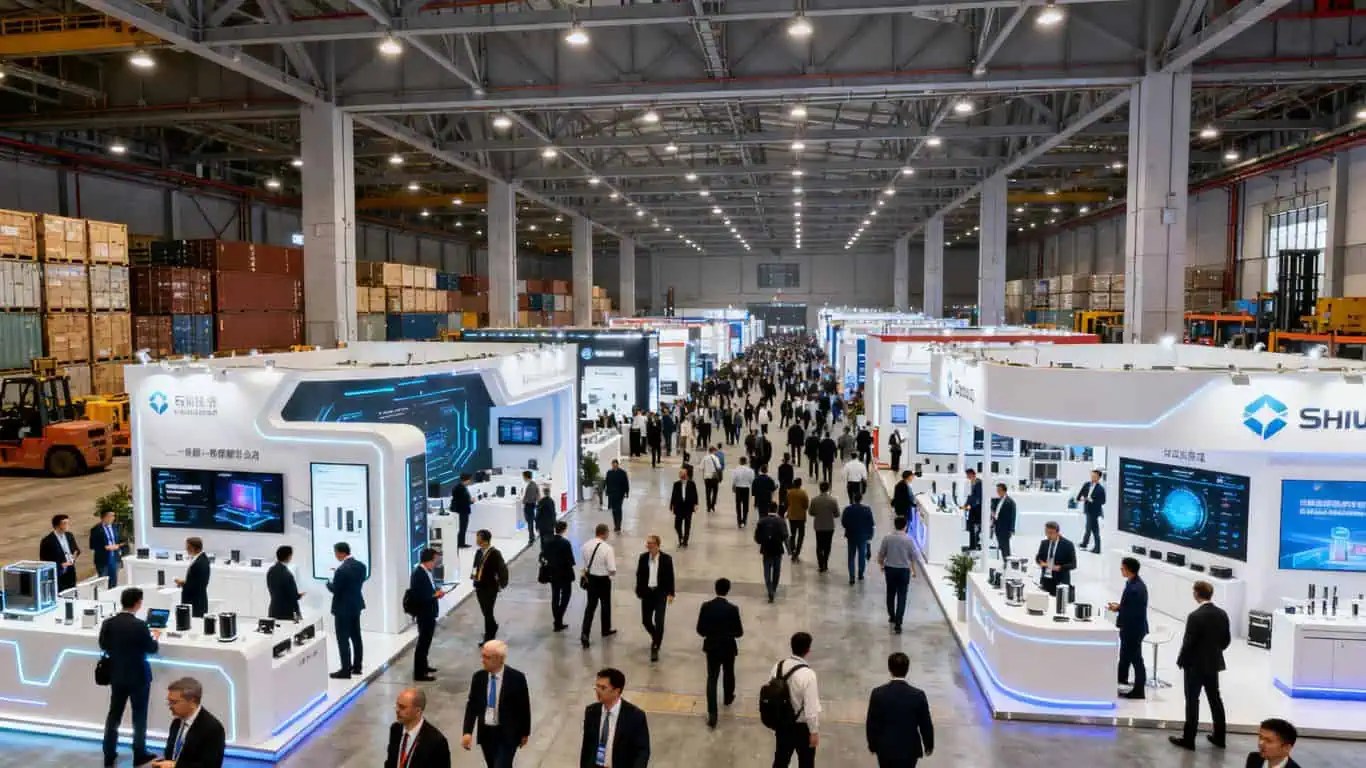
The Canton Fair is not a walk in the park; it is a sprawling, multi-day event that occupies the entire Pazhou Complex. Navigating the sheer scale of the exhibition halls requires a mindset shift from casual browsing to targeted information gathering. We have watched many first-time attendees burn out by noon on their first day because they lacked a cohesive plan for the floor layout.
Understanding the three-phase rotational schedule
The fair is divided into three distinct phases, each lasting five days, with entirely different categories of products showcased in each block. Failing to synchronize your trip with the specific industry phase relevant to your goods will result in a wasted journey. If you arrive expecting electronics but land during the textiles and garments phase, your target factories simply will not be present. Always cross-reference your niche with the official Canton Fair website before booking your travel.
Mapping out priority pavilions based on your product category
Once you confirm your dates, download the digital map of the complex to identify your priority zones. Efficiency on the ground depends on grouping your visits geographically, as walking the entire length of the building multiple times is physically impossible. Focus your energy on pavilions where you know your primary competitors source their products, as this provides a baseline for local production capability.
Planning for the physical toll of a multi-day walk-through
Surviving the fair requires practical physical preparation, as attendees often walk over ten miles a day on concrete floors. You need to pack effectively to stay mobile and productive while collecting hundreds of brochures and business cards. Consider carrying these essential items to manage your daily load:
- Lightweight, professional walking shoes for terrain endurance.
- A collapsible bag or rolling suitcase for heavy document and sample storage.
- External battery chargers to keep your mobile devices operational.
- High-protein snacks and a water bottle to maintain energy without leaving the complex.
Integrating these logistics into your routine ensures you remain sharp enough to conduct high-stakes supplier negotiations by the end of the week.
What to expect at Canton Fair in China regarding supplier interactions
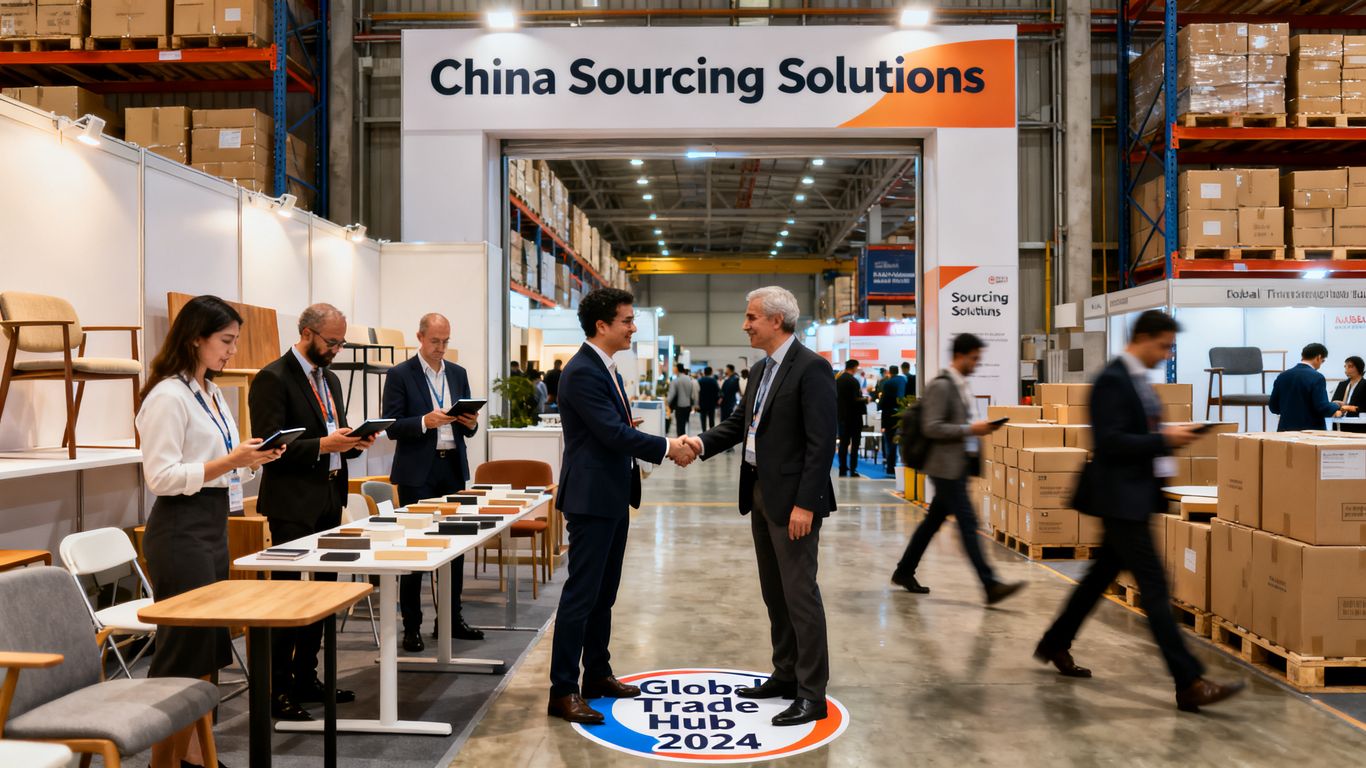
Interactions at the fair happen at a rapid pace, usually lasting only a few minutes before the next buyer arrives. What to expect at Canton Fair in China regarding supplier interactions is a game of separating real manufacturers from skilled middlemen who are simply trying to capture your leads. Developing a quick-fire checklist allows you to filter out parties that do not align with your supply chain requirements.
Distinguishing between primary manufacturers and trading companies
Primary manufacturers often operate with a focus on their specific niche, while trading companies represent dozens of unrelated product lines. You can identify the difference by asking targeted questions about the machinery present in their factory or the specific production certifications they hold. Real factories usually allow for better pricing structures and more direct communication during serious scaling phases.
Evaluating technical capacity during short face-to-face booth meetings
Do not allow the short timeframe of the meeting, which typically lasts under ten minutes, to stop you from checking their actual technical competence. Ask specific questions about current export capacity and previous volume deliveries to similar markets. If they struggle to provide specific data points on turnaround times, move on immediately rather than lingering, as clarity in these minutes is the strongest indicator of a potential partner.
Managing the language barrier and extracting meaningful technical specifications
Language differences are common, so we advise bringing a translator or using digital tools to document technical requirements precisely. Do not trust verbal confirmations; record all agreed-upon specifications in a shared digital document during your visit. Ensure you have clear technical expectations written down, as suppliers often say yes to terms they cannot logically meet just to satisfy a new buyer at the booth.
Practical logistics of the Guangzhou fairgrounds

Navigating the logistics of the event can be just as difficult as finding the right product. Practical logistics of the Guangzhou fairgrounds require careful management of your credentials, transport routes, and physical materials to ensure you waste minimal time in transit. Efficiency here allows you to spend more time working with quality suppliers.
Securing your buyer badge to avoid registration lines
Registration lines can stretch for hours during peak opening times, causing you to lose valuable morning hours. Always utilize the pre-registration portal online weeks before your trip to ensure your badge is ready for pickup. Securing your buyer registration ahead of time is a basic professional requirement for serious sourcing professionals.
Using public transport versus hotel shuttles during peak hours
Guangzhou infrastructure is well-connected, but the sheer volume of attendees can paralyze local taxis during the fair. Hotel shuttles are often the most reliable method when departing at specific morning hours, even if they adhere to a rigid group schedule. Public transport, specifically the metro, is faster for moving between the city center and the complex when the roads are congested with thousands of commuters.
Managing sample consolidation and heavy document loads on-site
Gathering physical samples is vital, but managing them while moving between halls creates a significant burden. We recommend using a temporary storage locker if available or consolidating your samples at a pre-arranged local office. Never carry sensitive documents in your open bags; use a secure, dedicated document folder to avoid misplacing critical contact information during the transit.
Handling data and communication after the booth visit
Gathering information is only 50% of the work, and the rest happens in the hotel room at night when you organize your findings. Handling data and communication after the booth visit must be a structured daily habit, or you will lose track of which supplier quoted which price. Establishing a clear tracking system helps you maintain control over the chaos of multiple conversations.
Building a real-time tracking spreadsheet for price comparisons
Creating a standardized document ensures you can compare apples-to-apples between booths visited on the same day. Include columns for MOQ, lead times, and specific FOB pricing to understand how each factory measures up against your budget. A robust sourcing spreadsheet facilitates quicker decision-making once you return to your operations desk.
| Vendor Name | Product Category | Reported MOQ | Lead Time (Days) | Quote Status |
|---|---|---|---|---|
| Factory A | Home Goods | 500 pcs | 30 | Submitted |
| Factory B | Electronics | 1000 pcs | 45 | Pending |
| Factory C | Furniture | 200 pcs | 60 | Received |
After populating the table, you can immediately identify which vendors are non-starters based on your minimum requirements.
Organizing vendor contact information to filter out non-responsive leads
Not every business card represents a viable partner. Flag any lead that fails to respond within 24 hours of your email follow-up as a low-priority contact. High-quality manufacturers are generally responsive in this hyper-competitive environment; lack of interest during or immediately after the fair is a red flag.
Defining mandatory post-fair follow-up criteria for your sourcing team
Your sourcing team should have a clear set of metrics for moving a vendor from a booth-visit contact to a vetted candidate. This includes mandatory verification of business licenses and a secondary request for technical documentation not available at the display shelf. Applying these consistent criteria prevents your team from chasing leads that cannot scale with your brand.
Common pitfalls for first-time attendees

Many newcomers approach the fair with too much optimism, assuming that what they see is exactly what they will get. Common pitfalls for first-time attendees usually stem from a lack of skepticism towards the flashy displays designed to attract high-volume buyers. Minden International supports many clients by acting as a guide to help them navigate these traps and focus on what objectively matters.
Understanding the limitations of products displayed on the shelf
The products displayed in the glass cases are often prototypes, not production-ready goods. Never assume the shelf version has undergone rigorous quality control or safety testing. It is a crucial reality of sourcing that what you see is a demonstration of potential, whereas your actual order might deviate if you do not define your strict quality standards in a formal contract.
Avoiding the trap of premature commitments during initial negotiations
Suppliers will often press for a deposit or a signed agreement on the final day, asserting that prices will rise if you wait. Avoid this pressure, as you need time to reflect on your data and check their claims independently. Once you wire money or commit in writing, your bargaining power drops significantly.
Interpreting cultural nuances in polite but non-committal supplier responses
In many Asian business cultures, a direct ‘no’ is considered impolite, leading to indirect responses that a Western buyer might interpret as agreement. If a supplier avoids a direct answer about capacity or specific custom features, they likely do not have the capability to handle your request. Listen for vagueness; it is effectively a signal that you should look for a more capable partner elsewhere.
Strategic preparation for your post-fair sourcing roadmap
Returning from the event is not the end of the sourcing process; it is merely the completion of the preliminary research phase. Strategic preparation for your post-fair sourcing roadmap requires a transition from the chaotic fair environment to a controlled, data-driven verification sequence. Our team often steps in at this stage to assist brand owners in moving from theory to reality. Many buyers also extend their trip northward to cover complementary categories, where a local Yiwu market agent can help you navigate the world’s largest small-commodity wholesale market in the same journey.
Why the trade show visit must be followed by factory verification
A booth is just a rented patch of floor; it tells you nothing about the actual facility capacity, hygiene, or labor practices of the supplier. Professional sourcing requires an onsite factory audit to verify a Chinese supplier and confirm that the documentation provided during the fair matches the actual shop floor conditions. Even if a booth visit was promising, the physical factory is the only true source of truth.
Closing the gap between booth promises and actual production capabilities
Manufacturers often promise features they have not yet mastered because they want the contract. Closing that gap requires detailed technical inquiries, a professional quality inspection in China, and possibly a trial order before committing your entire season’s budget to their production line. Verifying their actual export experience is essential if you want to avoid expensive delays in your supply chain.
Coordinating your onsite notes with a professional sourcing agent for the next steps
Professional sourcing agents at Minden International serve as a bridge, transforming your raw notebook entries into actionable project tasks. By delegating the next phase of factory verification and communication to an experienced team, you free yourself to manage your business strategy while the expert team handles the sourcing from within China. This layer of oversight ensures your plans align with local market realities and technical requirements.
Conclusion
Understanding what to expect at Canton Fair in China comes down to rigorous prep, tactical on-site execution, and meticulous post-fair follow-up to ensure your sourcing efforts yield reliable partnerships. By separating high-growth potential from immediate hype and confirming factory capabilities through external audits, you can source with confidence despite the intimidating scale of the event.
Let Minden Handle All Your China Import Work
From pre-production verification to final pre-shipment quality audits, we cover all your China sourcing and inspection needs. Reach out now to customize your exclusive quality control solution and streamline your global supply chain.
Frequently Asked Questions
What to expect at Canton Fair in China as a first-time buyer?
Expect five-day product phases, crowded halls across the Pazhou Complex, rapid booth meetings, and heavy nightly follow-up work; treat the visit as preliminary research, then confirm every promising supplier through an independent factory audit before committing.
What is the most important thing to bring to the exhibition?
Comfortable walking shoes are vital because the exhibition space is enormous, covering several square kilometers; you will be walking for hours every day across concrete surfaces and carpets.
When is the best time to book flights for the event?
Because the fair is divided into three distinct phases, you should finalize your travel arrangements at least three months in advance to secure hotel availability and reasonable flight prices.
Can I negotiate prices directly at the booth?
Booth meetings are better used for gathering information and establishing contact; formal pricing negotiations should happen via official channels after you have had time to compare quotes.
How do I handle meeting several suppliers in one day?
Use a digital spreadsheet or CRM app on your smartphone to record details immediately after each interaction, ensuring you do not lose track of the specific qualifications or quotes you received.
What if I cannot speak Chinese during the fair?
The vast majority of exhibitors at the Canton Fair speak English, and most booths have dedicated export staff who communicate fluently with international buyers regarding product specifications.
How long should I stay at the fair?
Each phase typically spans five days, and we suggest allocating at least three days per phase to thoroughly explore the pavilions and conduct face-to-face meetings without rushing your interactions.
Are samples available on the spot?
Most booths have samples on display, but you should verify if they are for sale or if they can be shipped at a later date, as carrying large quantities through the fair complex is logistically difficult.