If you’re weighing up 1688 vs Alibaba for importing from China, there’s a lot to consider before you pick a platform. Here are the main things we learned along the way, from pricing and language to payment and shipping.
Key Takeaways
- 1688 usually has lower prices, but it’s built for Chinese buyers, not overseas importers.
- Alibaba suppliers are easier to talk to in English and know how to ship abroad.
- 1688 often needs a sourcing agent to handle orders, payments, and shipping.
- Product quality checks are needed on both platforms, but 1688 has more risk for new buyers.
- Payment and shipping are simpler on Alibaba, but 1688 can save money if you have the right support.
Understanding 1688 vs Alibaba for Importing from China
When we look at importing goods from China, two major platforms often come up: Alibaba and 1688. While they are both part of the same parent company, Alibaba Group, they serve quite different purposes and audiences. Understanding these differences is the first step in figuring out where to source your products.
Alibaba’s Global Reach and Target Audience
Alibaba.com is set up for international trade. Its main goal is to connect Chinese manufacturers and suppliers with buyers from all over the world. You’ll find that most suppliers on Alibaba have experience dealing with overseas customers. They often have English-speaking sales teams and are familiar with international shipping, customs, and payment terms. The platform is designed for businesses looking to import goods into their own countries for resale or manufacturing. Alibaba is generally the go-to for businesses outside of mainland China.
1688’s Domestic Focus and Supplier Base
1688.com, on the other hand, is Alibaba’s domestic Chinese platform. It primarily serves the Chinese market. This means suppliers on 1688 are usually focused on selling within China. They often don’t have English-speaking staff, and their websites and product listings are entirely in Mandarin. The pricing on 1688 can sometimes be lower than on Alibaba because you’re cutting out the export-focused markup. However, this platform is geared towards Chinese buyers, and dealing with it from abroad comes with its own set of challenges, like payment and logistics. If you’re looking for a way to buy from 1688, you’ll likely need help.
Key Differences in Platform Functionality
The way these platforms work is quite distinct. Alibaba is built for international transactions, offering features like Trade Assurance to protect buyers and a more streamlined process for global shipping. Suppliers are accustomed to export procedures. 1688, however, operates more like a domestic wholesale market. You’ll find a vast number of smaller factories and trading companies, often with lower minimum order quantities (MOQs) and more competitive domestic pricing. But, the lack of English support and the focus on internal Chinese logistics mean that using 1688 for international orders requires a different approach, often involving a local agent. We’ve seen many clients benefit from using a 1688.com agent to bridge this gap.
The core difference boils down to who the platform is built for: Alibaba targets global buyers, while 1688 targets domestic Chinese buyers. This fundamental distinction affects everything from supplier communication to payment methods and shipping arrangements.
Talking with suppliers is where things can get tricky, especially when you’re dealing with different languages and business cultures. We’ve found that clear communication is key, no matter which platform you’re using.
Language Barriers and Translation Tools
When we first started importing, the language difference felt like a big wall. Many suppliers on 1688, and even some on Alibaba, might not have fluent English speakers. This is where translation tools come in handy. We use a mix of built-in platform translators and external tools like Google Translate or DeepL. It’s not perfect, but it gets the main points across. We always double-check important details to make sure nothing gets lost in translation. For instance, confirming product specifications or payment terms needs extra care.
Here’s a quick look at how we approach it:
- Initial Contact: Use simple, direct language. Avoid slang or complex sentences.
- Key Details: For specifications, quantities, and prices, ask for confirmation in writing. If possible, have them list it out point by point.
- Follow-up: Summarize the conversation and send it back to the supplier for their agreement. This creates a record.
Building Trust with Chinese Suppliers
Trust isn’t built overnight. It comes from consistent, honest dealings. On both Alibaba and 1688, we look for suppliers who respond promptly and professionally. A supplier who answers questions thoroughly and provides clear information is usually a good sign.
We’ve learned that suppliers appreciate buyers who understand their business. This means being realistic about Minimum Order Quantities (MOQs) and production lead times. Showing that we’ve done our homework, perhaps by mentioning specific product standards or market requirements, can help build rapport.
Suppliers often deal with many buyers. Being organized and respectful of their time goes a long way. It’s not just about getting the lowest price; it’s about finding a reliable partner for the long term.
Negotiating Terms on Each Platform
Negotiation tactics can differ slightly between Alibaba and 1688.
Alibaba:
- Suppliers here are generally more accustomed to international buyers and export procedures. They often have English-speaking sales teams.
- Negotiations might focus on price breaks for larger volumes, payment terms (like 30% upfront, 70% before shipping), and Incoterms (e.g., FOB, EXW).
- We often use Alibaba’s messaging system to keep a record of all discussions.
1688:
- Suppliers on 1688 are primarily focused on the domestic Chinese market. Communication might be entirely in Chinese, requiring more effort with translation.
- Prices are often lower, but MOQs can sometimes be higher, or they might be less flexible on smaller orders.
- Negotiations might involve asking for bundled deals if you’re buying multiple items from the same factory, or discussing slight modifications to existing products.
We find that being prepared with specific numbers – what price we’re aiming for, what quantity we need – makes negotiations more productive. It’s about finding a middle ground that works for both us and the supplier. If you’re looking to source from 1688, using a 1688.com agent can simplify this process significantly, as they handle the language and negotiation directly.
Product Sourcing and Quality Control Considerations
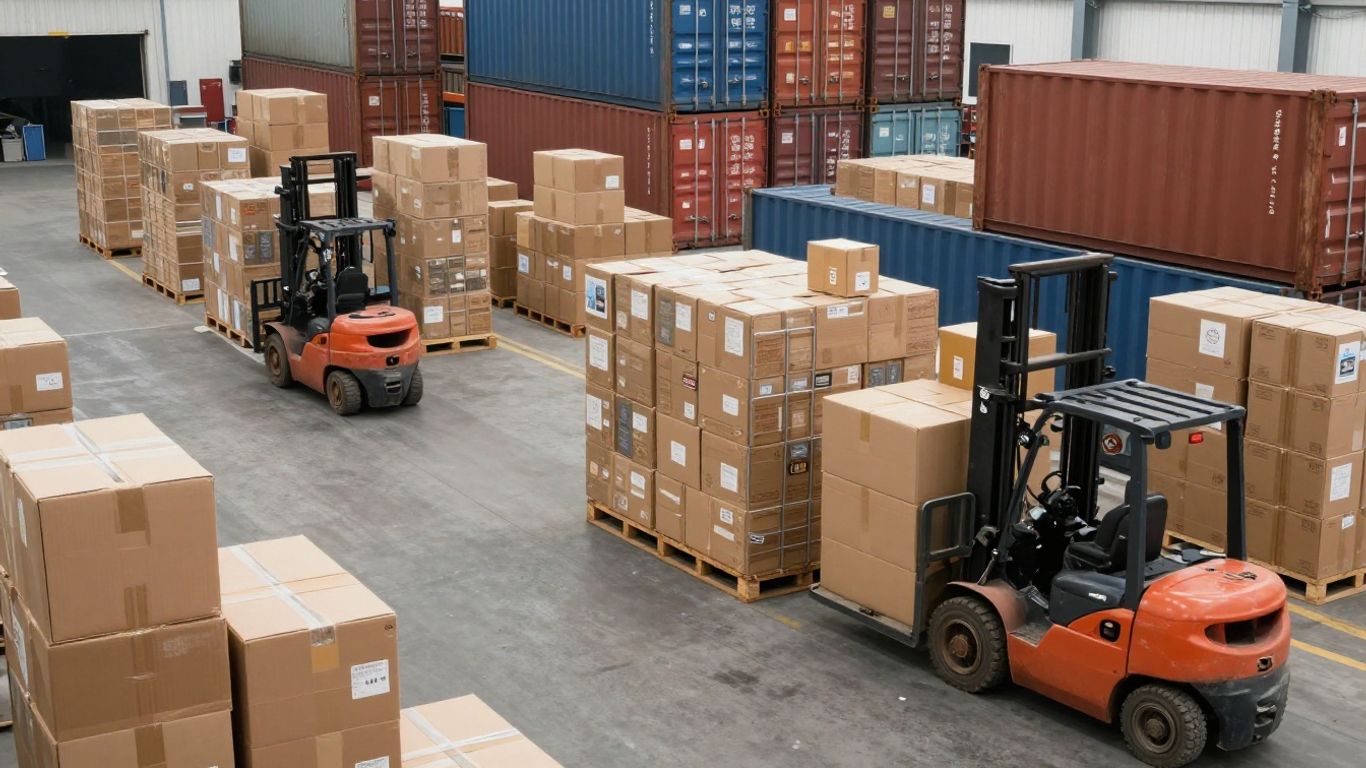
When we look at sourcing products from China, whether through Alibaba or 1688, the initial search and then making sure the product is actually good are big steps. It’s not just about finding something that looks right online; it’s about the reality of what arrives at our door.
Finding Niche Products on 1688
1688, being the domestic platform, often has a wider variety of products, especially those that are newer or more specialized. Suppliers here might be more focused on the Chinese market, meaning we can sometimes find items that haven’t hit the international radar yet. This can be a real advantage if we’re looking for something unique or trying to get ahead of trends. The sheer volume of suppliers on 1688 means that with a bit of digging, we can often uncover hidden gems. It’s like exploring a local market versus a global supermarket; you might find more artisanal or specific goods in the former. We’ve found that using specific Chinese keywords, even if we need a translation tool, is key to unlocking these niche finds. It’s a different kind of search than on Alibaba, which is geared towards international buyers and export-ready goods.
Ensuring Product Quality Before Shipment
This is where things can get tricky, and it’s something we take very seriously. Just because a product looks good in photos or even in an initial sample doesn’t mean the bulk order will be the same. We’ve learned that clear specifications are non-negotiable. This means detailing materials, dimensions, colors, functionality, and even packaging requirements down to the smallest detail. For us, a typical quality control process looks something like this:
- Pre-production Sample Review: Before mass production starts, we request a sample that reflects the final product specifications. This helps catch any misunderstandings early.
- During-Production Inspection: For larger orders, we often arrange for an inspection while the goods are being manufactured. This allows us to identify issues on the production line before they become widespread problems.
- Pre-shipment Inspection (PSI): This is our final check. A third-party inspector (or our own team if feasible) visits the factory to check a random sample of finished goods against the agreed-upon specifications. They look at quantity, packaging, labeling, and product defects.
The PSI is often the last chance we have to catch significant problems before the goods are loaded onto a ship.
We’ve seen situations where a supplier, under pressure to meet deadlines or cut costs, might use lower-grade materials or skip certain finishing steps. Without a thorough inspection, these issues might not be apparent until the products reach the end customer, leading to returns, damaged reputation, and lost sales. It’s about being proactive rather than reactive.
The Role of a Sourcing Agent in Verification
This is where having a local partner, like a sourcing agent, becomes incredibly useful, especially when dealing with 1688. While Alibaba suppliers are generally more accustomed to international buyers and export procedures, 1688 suppliers might not be. A good agent acts as our eyes and ears on the ground. They can visit the factory, communicate directly with the supplier in their language, and perform inspections that we simply can’t do from afar. They understand the local business culture and can help mediate if issues arise. For us, using an agent for verification means we get a more objective assessment of both the supplier’s capabilities and the product quality. They can also help with the complexities of placing orders and arranging payments on 1688, which can be a hurdle for those unfamiliar with the platform. If we’re sourcing from 1688, we almost always use a 1688.com agent to manage these details and quality checks.
Payment Methods and Transaction Security
If we’re talking about importing from China through Alibaba or 1688, the way we pay and how safe we feel during the transaction is always on our minds. Getting this part right is just as important as picking the product itself. There are real differences between the two platforms, both in what’s available and how each step plays out practically.
Secure Payment Options on Alibaba
Alibaba sets itself up as a global trade platform, so there’s a much wider menu of payment options from the start. A quick glance at the usual payment choices:
| Payment Method | Cost | Speed | Buyer Protection |
|---|---|---|---|
| Alibaba Trade Assurance | Low fee | 1–2 days (escrow) | High |
| Bank Transfer (T/T) | Low-med | 2–4 days | Low |
| Credit Card | Medium | Instant/Next Day | High |
| PayPal (if offered) | High | Instant/Next Day | Medium |
- Alibaba’s Trade Assurance isn’t just branding; it actually works as an escrow. The money gets held until we confirm delivery and quality matches what we ordered.
- Bank transfers are still common, especially for bigger orders, but they’re not as forgiving if something goes wrong.
- Many suppliers will offer payment splitting for custom projects: half up front, rest on completion.
For first-time importers using Alibaba, starting with Trade Assurance gives a safety net. It doesn’t fix every issue, but in most disputes, the system provides the buyer with meaningful protection.
Payment Challenges When Using 1688
1688 was built for the Chinese domestic market. The payment system is geared toward local buyers, so it’s much less flexible for us overseas. Here’s what we run into:
- Most suppliers only accept Alipay or WeChat Pay. Both require a Chinese bank account and a mainland phone number—hard for most foreign buyers.
- Bank transfer (in RMB) is possible, but only if the supplier is experienced with export business. Miscommunication on remittance details is a real risk.
- Very few 1688 suppliers offer what we’d call buyer protection, so funds are usually released as soon as payment lands.
| Payment Method | Usability for Overseas Buyer | Buyer Protection | Comments |
|---|---|---|---|
| Alipay | Low | Low | Local phone needed |
| WeChat Pay | Low | Low | Local account required |
| Bank Transfer | Medium | Very Low | Manual process |
- Many international buyers use a 1688.com purchasing agent to handle payment and communication. The agent pays the supplier in RMB, collects funds via safer international options like PayPal or wire, and stands between us and payment mix-ups.
- Some agents charge a commission or service fee, but they also limit the risk of making payment mistakes or losing money to scams.
Mitigating Financial Risks in Transactions
We’ve seen the same payment mistakes trip up both new and seasoned importers. Here are the steps we take to cut risk down to size —
- Always confirm supplier bank information with a phone call or video chat, not just email.
- For first orders, limit the upfront payment amount, even if that means a smaller quantity.
- For 1688 sourcing, insist on photos or videos of the goods before making the final payment.
- Use Trade Assurance or a trusted agent if there’s any uncertainty about supplier legitimacy.
When it comes to contracts, setting expectations clearly helps if there’s a problem down the road. Many importers overlook the details—but payment terms, product specs, and dispute mechanisms should be agreed upfront and, if possible, tied to clear responsibilities in Incoterms.
There’s no way to remove every risk in cross-border transactions, but with a methodical approach and honest supplier discussions, major payment disasters can almost always be avoided.
Logistics and Shipping Differences
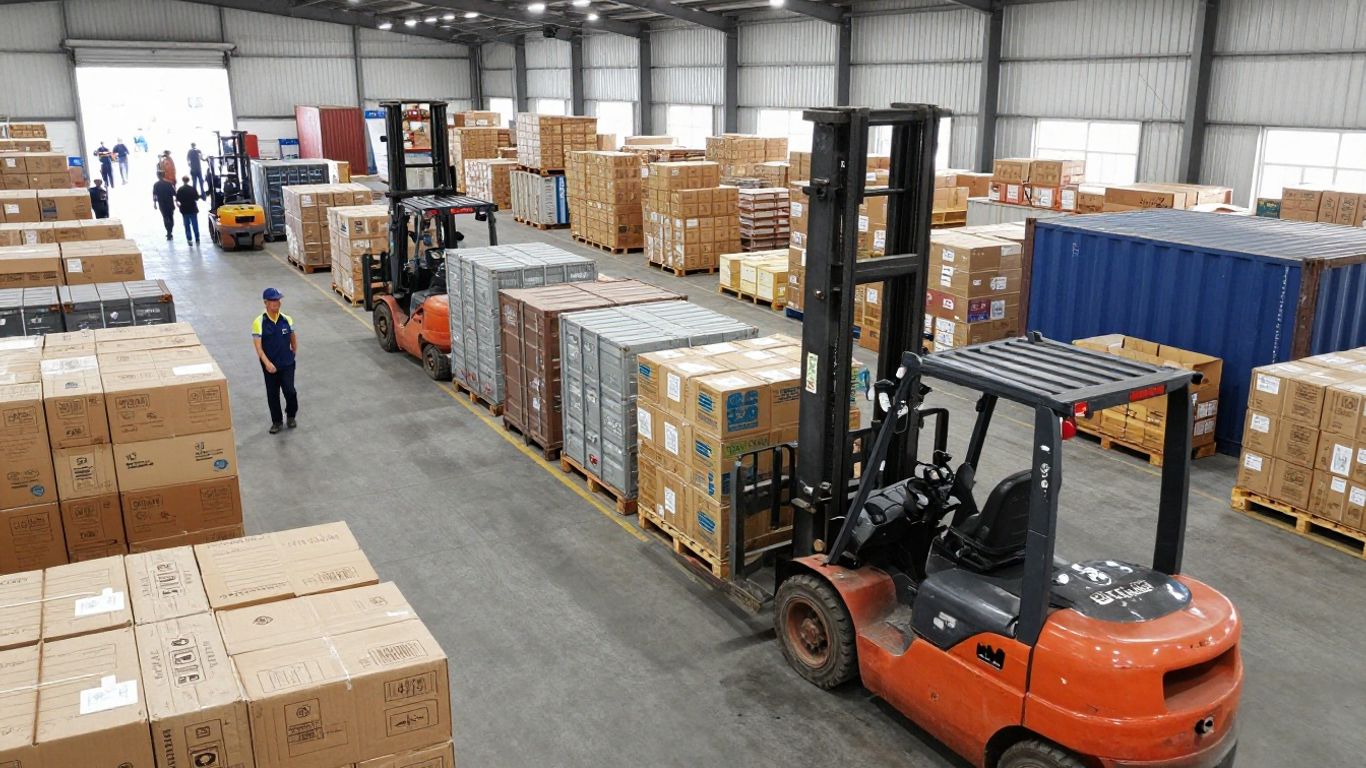
When we look at importing from China, how things get from the factory to our doorstep is a big part of the puzzle. Alibaba and 1688, while both Chinese platforms, have different approaches to getting goods out the door, mostly because of who they’re built for.
Export Capabilities of Alibaba Suppliers
Alibaba is designed for international trade. Most suppliers you find there are used to dealing with overseas buyers. They understand export documentation, different shipping terms like FOB or EXW, and often have experience working with freight forwarders. This means they’re generally better equipped to handle the complexities of international shipping right out of the box. They know about customs declarations, packing lists, and commercial invoices needed for import into countries outside of China. We’ve found that many Alibaba suppliers can arrange shipping for us, or at least provide clear instructions on what we need to arrange on our end. This often simplifies the process, though it can sometimes mean higher product costs because they’ve built these export services into their pricing.
Shipping Requirements for 1688 Purchases
1688, on the other hand, is primarily for the domestic Chinese market. Suppliers on 1688 are usually focused on selling within China. This means their default shipping methods are typically for domestic delivery. When we want to export goods purchased through 1688, we often need to arrange the international shipping ourselves or work with a third-party logistics provider. The suppliers might not be familiar with international shipping terms or export paperwork. We usually have to arrange for the goods to be picked up from the factory or warehouse and taken to a port or airport. This often involves using a local Chinese logistics company or a dedicated 1688.com agent who can manage the domestic leg of the journey. The process can be more hands-on and requires a good understanding of how to coordinate domestic pickup with international freight.
Consolidating Shipments for Cost Savings
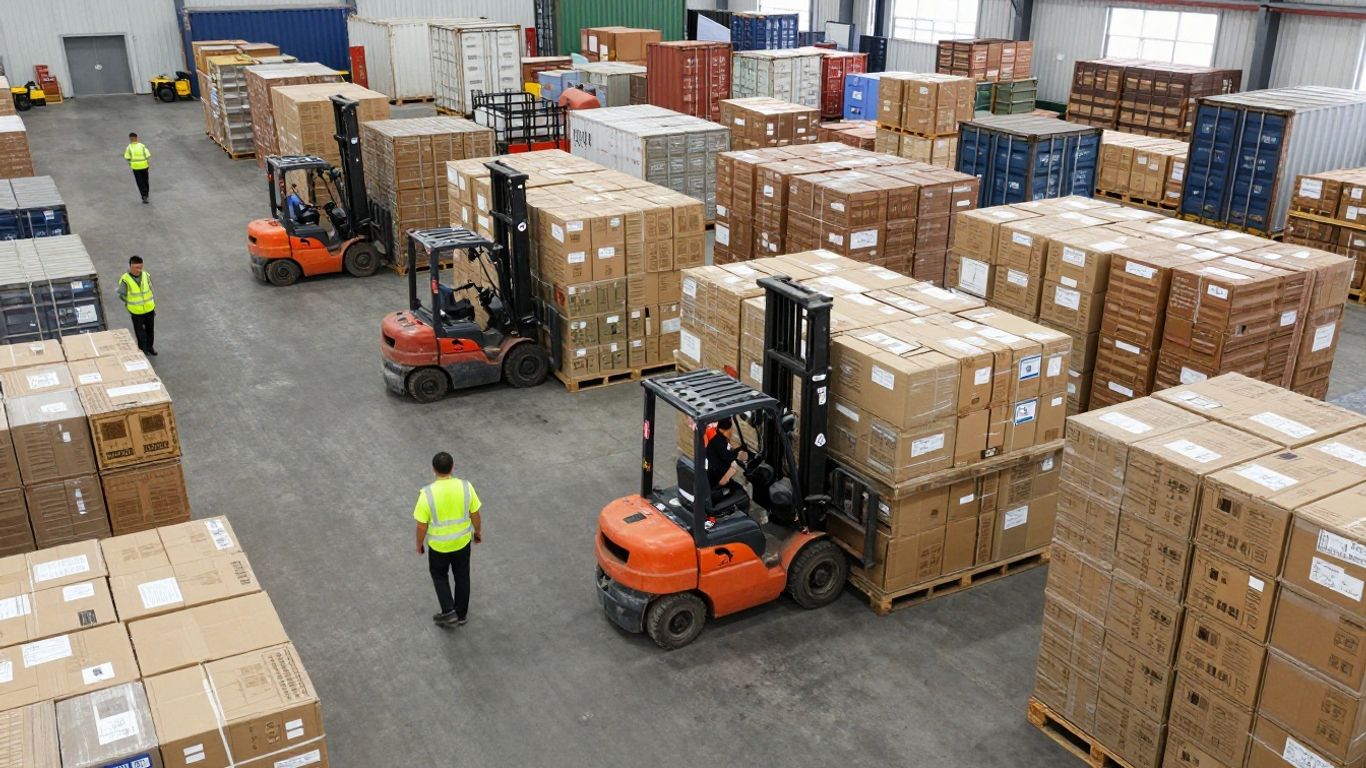
Whether we use Alibaba or 1688, consolidating shipments is a smart move to cut down on costs. If we’re buying smaller quantities from multiple suppliers, especially those found on 1688, we can have them all sent to a central warehouse or consolidation point. From there, everything is packed into one larger shipment, like a full container load. This significantly reduces the per-unit shipping cost compared to sending multiple small parcels internationally. It’s a service that many China sourcing agents offer. We’ve seen substantial savings this way, especially when dealing with less common items or when we want to test the market with smaller initial orders. This consolidation step is where a good agent can really make a difference, managing the pickups, warehousing, and final export booking. For more details on how this works, you might find information on container shipping from China helpful.
Choosing the Right Platform for Your Import Needs
Deciding between 1688 and Alibaba for sourcing products from China isn’t a one-size-fits-all situation. We’ve found that the best choice really depends on what you’re trying to achieve with your import business. It’s about matching your specific needs to the platform’s strengths.
When Alibaba is the Preferred Choice
Alibaba has long been the go-to for international buyers, and for good reason. Its global focus means suppliers here are generally more accustomed to dealing with overseas clients. They often have English-speaking staff, understand international payment terms, and are familiar with export procedures. If you’re new to importing or dealing with suppliers from China for the first time, Alibaba offers a more straightforward entry point. The platform also provides more buyer protection mechanisms, which can offer peace of mind. We often recommend Alibaba for businesses that:
- Are sourcing finished goods for retail or e-commerce.
- Need suppliers with experience in international shipping and customs documentation.
- Prioritize ease of communication and a familiar transaction process.
- Require a wider range of product categories, including those with specific certifications for Western markets.
For many, Alibaba’s established reputation and built-in safeguards make it the safer bet when starting out. It’s also where you’ll find many suppliers who are already set up for OEM or private label services, making it easier to brand your products.
When 1688 Offers a Distinct Advantage
Now, if you’re looking to cut costs and are willing to put in a bit more legwork, 1688 can be a game-changer. This platform is essentially Alibaba’s domestic counterpart, serving the Chinese market. This means you’re often dealing directly with manufacturers or very early-stage wholesalers, cutting out layers of middlemen. The prices on 1688 are typically lower than on Alibaba, sometimes significantly so. However, this comes with a few caveats. Communication is almost exclusively in Mandarin, and suppliers may not be familiar with export processes or international payment methods. This is where having a local partner, like a 1688.com agent, becomes incredibly useful. We see 1688 as the better option when:
- Your primary goal is the lowest possible product cost.
- You are sourcing components or raw materials for further manufacturing.
- You have a reliable way to handle communication and quality checks (like a sourcing agent).
- You are comfortable with more complex payment methods and potential shipping arrangements.
The price difference between 1688 and Alibaba can sometimes be so large that it justifies the extra effort required to source through the domestic platform. It’s not just about a few percentage points; we’ve seen savings of 20-30% or more on identical products.
Strategic Decisions for Successful Importing
Ultimately, the decision hinges on your business model, risk tolerance, and resources. For businesses prioritizing speed and a smoother international transaction, Alibaba is often the way to go. If cost savings are paramount and you have the infrastructure or support to manage the complexities, 1688 can yield better margins. It’s also not uncommon for businesses to use both platforms. You might source finished goods from Alibaba and then find components or raw materials for those goods at a lower cost on 1688. Understanding the nuances of each platform, as detailed throughout this article, will help you make informed choices. Remember, a good China sourcing agent can bridge the gap between these platforms, handling communication, negotiation, and quality control, making either choice more manageable. We also offer a free product sourcing trial to help you get started.
Picking the right place to help you get your products from overseas is a big choice. Think about what you need and what makes the most sense for your business. We can help you figure it out. Visit our website to learn more and get started!
Conclusion: Choosing Between 1688 and Alibaba for Importing from China
So, when we look at 1688 vs Alibaba for importing from China, it’s not a one-size-fits-all answer. Alibaba works for buyers who need English support, easy payments, and suppliers ready for export. 1688 is better for those chasing the lowest prices and who can handle some extra steps, like using a sourcing agent. Both have their own headaches: language on 1688, higher costs on Alibaba. If you want help with either, our team at Minden Intl has handled both platforms, and we know the pitfalls. For more details or to get started, you can check out our 1688.com Agent service or contact us directly. The right choice depends on your budget, language comfort, and how much risk you’re willing to take on. Either way, it pays to have someone on the ground in China looking out for you.
Let Us Handle All Your China Import Work
From pre-production verification to final pre-shipment quality audits, we cover all your China sourcing and inspection needs. Reach out now to customize your exclusive quality control solution and streamline your global supply chain.
Frequently Asked Questions
Is 1688 cheaper than Alibaba for importing from China?
Yes, 1688 usually has lower prices because it’s meant for the local Chinese market. But you may need a sourcing agent to help with buying and shipping.
Can I buy from 1688 if I don’t speak Chinese?
It’s hard to use 1688 without knowing Chinese. Most suppliers don’t speak English. A sourcing agent or translation tool can help.
Do Alibaba suppliers handle shipping overseas?
Most Alibaba suppliers are ready to ship to other countries. They know about export rules and can help with shipping options.
How do I pay on 1688 if I’m not in China?
1688 doesn’t take foreign cards or PayPal. You’ll need a Chinese bank account or a sourcing agent to make payments for you.
Is product quality better on Alibaba or 1688?
Both have good and bad suppliers. You should always check samples or use a quality inspection service before shipping.
Do I need a sourcing agent for 1688?
Most buyers outside China use a sourcing agent for 1688. Agents help with talking to suppliers, payments, and shipping. It makes the process much easier. You can try our 1688.com Agent service if you want help.