This guide covers exactly how to order from 1688 without Chinese, from picking a supplier you can trust to getting the goods through customs. Here are the main points to remember when you want to buy from 1688 without knowing Chinese:
Key Takeaways
- Use browser translation tools and apps to understand product pages and communicate.
- Carefully check supplier ratings, transaction history, and reviews before deciding.
- Always confirm product details, minimum order quantities (MOQs), and payment terms clearly.
- Consider using a buying agent for complex orders or if you want extra checks.
- Plan for shipping and customs early to avoid delays and unexpected costs.
How to Order From 1688 Without Chinese: Platform Overview
Understanding the 1688 Platform Landscape
When we first looked at 1688.com, it felt like stepping into a different world. It’s the domestic wholesale arm of Alibaba, and it’s packed with suppliers. But the whole site is in Chinese. For anyone who doesn’t speak the language, this presents an immediate hurdle. The sheer volume of products and suppliers can be overwhelming if you can’t read the descriptions or understand the site’s layout. We’ve found that many international buyers overlook 1688 because of this language barrier, which is a shame because it often has better pricing and a wider selection for certain goods compared to Alibaba.com. It’s designed for the Chinese market, so the user experience reflects that. Think of it like trying to shop in a local market where you don’t know the currency or the language – you can see what’s there, but understanding the details and making a confident purchase is tough.
Key Challenges for Non-Chinese Speakers
The primary challenge, of course, is the language. Product titles, descriptions, specifications, supplier information, and even the ordering process are all in Chinese characters. This makes it difficult to:
- Accurately assess product quality and features.
- Verify supplier credibility and history.
- Understand minimum order quantities (MOQs) and pricing tiers.
- Communicate effectively with suppliers about specific needs or modifications.
- Navigate the payment and shipping processes within the platform.
Beyond language, there’s the cultural aspect. Business practices, negotiation styles, and even the way information is presented can differ. Without a grasp of these nuances, misunderstandings can easily arise. We’ve seen buyers struggle with interpreting supplier ratings or understanding the implications of certain certifications listed on a profile. It’s not just about translating words; it’s about understanding the context behind them.
Essential Tools for Overcoming Language Barriers
Fortunately, we don’t have to be fluent in Mandarin to source from 1688. Several tools and strategies can bridge the gap. The most straightforward is using browser-based translation tools. Google Chrome’s built-in translator is often sufficient for getting the gist of a page. While not perfect, it allows us to read product details and supplier profiles.
Relying solely on automated translation can lead to errors. It’s best used as a starting point to understand general information, with critical details requiring further verification or professional assistance.
For more detailed communication, we often use dedicated translation apps or services. When dealing with complex inquiries or negotiations, having a human translator or a sourcing agent who speaks both languages is invaluable. These professionals can not only translate but also interpret cultural nuances and ensure clear, accurate communication. We also find that using visual aids, like sending pictures or videos of desired products or features, can help overcome language limitations when communicating with suppliers. This approach, combined with careful use of translation software, makes sourcing from 1688 much more manageable for those without Chinese language skills. If you’re looking to understand more about how to buy from 1688.com, our complete guide to buying from 1688.com offers further insights.
Finding Reliable Suppliers on 1688
Ordering from 1688 is completely possible without knowing Chinese, but picking a trustworthy supplier is where things quickly get complicated. Many listings look the same, ratings don’t always match our usual standards, and messages can get lost in translation. Let’s break down how we actually handle this so the process feels less like guesswork.
Leveraging Translation Features Effectively
It’s tempting to rely totally on browser translation plugins, but even the best ones can make mistakes that cost money. We’ve learned a few steps make a big difference:
- Use both Google Translate and built-in browser translation to cross-check product descriptions.
- Copy/paste technical terms into a separate translation site for better accuracy—especially when looking at material specs, certifications, or color options.
- Ask a bilingual friend or agent for a quick review if anything about an offer doesn’t make sense. Even just 5 minutes of human input catches most issues.
Sometimes the translation confuses MOQ (Minimum Order Quantity) with single unit prices, so we always double-check with the supplier before confirming any order detail.
Interpreting Supplier Profiles and Ratings
Profiles on 1688 look busy but reveal a lot if we know where to look. Here’s a quick breakdown of what means what:
| Profile Field | What We Check For |
|---|---|
| Registration Age | 3+ years is usually safer |
| Buyer Feedback | High transaction volume, consistent positive ratings |
| Business License | Should be verifiable, usually shown as an icon |
| Product History | Consistency in products over time |
We skim reviews for recurring complaints. If the same problem pops up more than twice, we assume it’s probably real. Sometimes the most telling info comes from the language of seller responses—short or generic replies signal red flags.
Initiating Contact and Communication Strategies
When we first reach out, we use a short, clear list of questions—usually with simple English, bullet points, and as little room for confusion as possible. If we’re met with an instant price list and no answers to our questions, we’re cautious.
- Ask for clear photos of recent shipments.
- Request certificates or compliance docs for regulated items.
- Test response speed—slower than 24 hours is a bad sign for urgent orders.
- Notice if they address us by name or just paste template replies.
For tricky conversations, we sometimes prepare a simple draft in English, run it through Google Translate, then send both versions. This increases the chances that the supplier gets our meaning right, especially on custom orders.
It’s also worth mentioning that when things get confusing or answers seem off, this is when using a specialist 1688 agent (like the Minden team) can save us a headache—someone in-country who handles the entire 1688.com agent process and communicates directly in Chinese.
If you want more detail on using sourcing agents, we’ve covered that too in our China sourcing agent overview. If you’re set on ordering solo, our summary tips for how to buy from 1688 go over the biggest language pitfalls and what to watch for when picking a supplier.
For outside perspectives on vetting Chinese suppliers, Alibaba’s official Trade Assurance FAQ is a decent reference point as well.
Finding the right supplier on 1688 isn’t rocket science, but it does mean slowing down, double-checking what you’re reading, and using multiple channels to make sure you actually understand what’s being promised.
Placing Your Order: Step-by-Step
Once we’ve found a supplier and are happy with their profile, the next step is to actually place an order. This is really the core of how to order from 1688 without Chinese — five steps that work the same way whether you’re fluent in Mandarin or don’t speak a word of it.
Understanding Product Listings and Specifications
Product pages on 1688 are packed with information, but it’s not always presented in the clearest way for someone relying on translation tools. We need to look beyond just the pictures and the basic description. Pay close attention to:
- Specifications: This includes dimensions, materials, weight, color options, and any technical details. These are often listed in tables or bullet points. Use your translation tool to get the gist, but if something is critical, ask the supplier for clarification.
- Minimum Order Quantity (MOQ): This is the smallest number of units the supplier is willing to sell. It’s usually clearly stated. Sometimes, you can negotiate this, especially if you’re a new customer or plan to place larger orders later.
- Pricing Tiers: Many suppliers offer different prices based on the quantity you order. A common sight is a price for 1-99 units, another for 100-499, and a better price for 500+ units. Understanding these tiers helps us budget and plan our order size.
- Lead Time: How long will it take the supplier to produce your order after payment? This is usually mentioned, but it’s good to confirm, especially if you have a deadline.
Negotiating Terms and Minimum Order Quantities
Negotiation is a normal part of doing business in China, and 1688 is no different. While some suppliers have fixed prices, many are open to discussion, especially for larger orders or if you plan to work with them long-term. When negotiating, we focus on:
- Price: If you’ve found similar products elsewhere for less, or if you’re ordering a significant quantity, you can try to get a better price. Be realistic, though; suppliers also need to make a profit.
- MOQ: If the listed MOQ is too high for your initial order, see if the supplier can accommodate a smaller quantity. Sometimes they will, especially if they see potential for future business. We’ve found that being upfront about our needs can help.
- Payment Terms: While most transactions on 1688 are upfront payments, for larger or repeat orders, you might be able to discuss a deposit and balance payment structure. This is less common for new buyers on the platform itself but can be a point of discussion if you’re working with a purchasing agent.
- Customization: If you need specific modifications, colors, or branding, discuss this early. The MOQ might increase, and the price will likely change. It’s best to get a clear quote for any custom requirements.
Remember, clear communication, even through translation tools, is key. Be polite, be specific, and be prepared to compromise. If a supplier is unwilling to negotiate or clarify details, it might be a sign to look elsewhere.
Securing Your Purchase Through the Platform
Once we’ve agreed on the terms, the actual ordering process on 1688 is designed to be straightforward, especially when using the platform’s built-in features. Here’s how we typically proceed:
- Create an Order: The supplier will usually create a custom order for you on 1688 based on your agreed-upon price, quantity, and specifications. You’ll receive a notification to review and confirm this order.
- Review the Order Details: Carefully check all the details in the order summary: product name, quantity, unit price, total price, agreed-upon specifications, and delivery time. This is your last chance to catch any mistakes before payment.
- Make Payment: 1688 primarily uses Alipay for transactions. If you don’t have an Alipay account linked to a Chinese bank, you’ll likely need to use a purchasing agent who can handle the payment on your behalf. The payment is held by 1688 until you confirm receipt of the goods.
- Confirm Shipment: Once the supplier ships the order, they will update the status on 1688. You’ll receive tracking information.
- Confirm Receipt: After you receive the goods and are satisfied with their quality, you confirm receipt on the platform. This releases the payment to the supplier. If there are issues, you can open a dispute before confirming receipt.
Using the platform’s system protects both buyer and seller. It provides a record of the transaction and a mechanism for dispute resolution, which is incredibly helpful when language barriers exist. For those who find this process complex or lack the necessary payment methods, engaging a 1688.com agent can simplify things considerably.
Managing Payments and Transactions
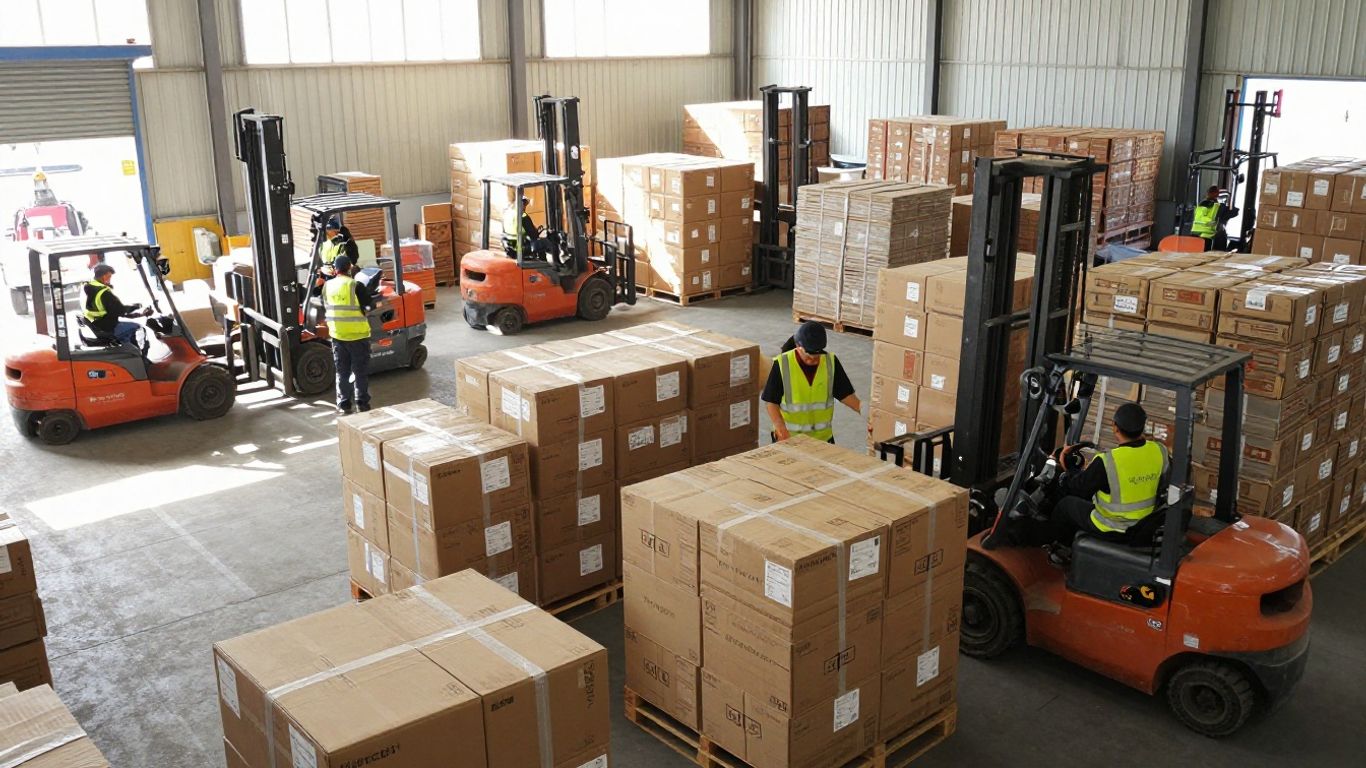
Once you’ve found your product and supplier, the next step is handling the money. This part can seem a bit tricky, especially when dealing with a platform like 1688 that’s primarily for domestic Chinese businesses. We need to be clear about how payments work to avoid any misunderstandings or potential issues.
Common Payment Methods on 1688
When you’re buying directly through 1688, the most common payment method is Alipay. It’s like China’s version of PayPal, widely used for online transactions. If you don’t have an Alipay account set up for business transactions, or if you’re having trouble linking your international bank account, this is where things can get complicated.
Other methods might include direct bank transfers, but these are less common for international buyers on the platform itself and often carry more risk. For most transactions, especially if you’re a first-time buyer, sticking to the platform’s integrated payment system is the safest bet. If you’re using a 1688.com agent, they will handle the Alipay payments on your behalf, which simplifies the process considerably.
Ensuring Secure Transactions
The key to secure transactions on 1688 is to keep everything within the platform’s payment system whenever possible. This provides a layer of protection. Suppliers are incentivized to fulfill orders correctly because their payment is held until the transaction is confirmed complete. If a dispute arises, the platform can often step in to mediate.
Avoid making payments outside of 1688, such as through direct wire transfers to a supplier’s personal account or via third-party payment apps not integrated with the platform. These methods often leave you with little recourse if something goes wrong. Always check that the payment details match the supplier’s verified information on 1688.
Handling Currency Exchange Considerations
1688 primarily operates in Chinese Yuan (CNY). If your business is based outside of China, you’ll need to consider currency exchange rates and any associated fees. Your bank or payment processor will handle the conversion, but it’s wise to understand the current exchange rate and factor it into your product cost. Sometimes, the rate you get might include a small markup. If you’re working with a purchasing agent, they often have accounts that can manage CNY payments more efficiently, potentially offering better exchange rates or consolidating payments for multiple orders.
It’s important to remember that the price listed on 1688 is usually the final price in CNY. Any fluctuations in exchange rates between the time you place the order and the time payment is finalized can slightly alter your total cost in your home currency. Always budget a small buffer for these potential shifts.
Quality Control and Inspection Processes
One of the parts people worry about most when ordering from 1688 is how to handle quality control when we’re not speaking Chinese. Problems do slip through. Factories make honest mistakes or just interpret instructions loosely. So, if we want the right products shipped out, we have to build a process—especially if we aren’t setting foot in the factory ourselves.
The Importance of Pre-Shipment Inspections
Pre-shipment inspections are where we really find out what we’re getting. Skipping this step just leaves us hoping for the best, but experience tells us that’s not enough. Here are the main reasons we don’t want to risk it:
- Catching mix-ups between models, materials, or colors
- Checking if packaging matches requirements (for example, Amazon FBA)
- Verifying product safety marks or certifications, especially if importing to the UK or US
- Spotting visible defects before the goods leave China
Often, we arrange for an inspection company to visit the factory. We give them a checklist in plain English—a detailed breakdown of what matters most. Some suppliers push back or claim it’s unnecessary, but it’s our shipment, our risk.
Most shipping mistakes happen after the goods leave the factory, so we want to fix issues while they’re still on the ground in China.
Working with Inspection Agents
We rarely try to do the job ourselves, even if we have a friend in China. Instead, we hire a third-party inspector. The cost is usually between $120 and $300 depending on location and product complexity. Here’s what we usually ask an inspection agent to do:
- Check random samples, not just one box the factory prepares
- Test key functions—can chairs hold the stated weight? Are electronics safe?
- Take clear photos, including labels and packaging
- Share a written report, ideally the same day as inspection
Below is a typical inspection breakdown:
| Task | Expected Outcome |
|---|---|
| Sample check (AQL standard) | 95% defect-free units |
| Packaging inspection | Labels match instructions |
| Function tests | All units pass basic checks |
| Report time | Within 24 hours |
If we run into an urgent timeline, a good agent can inspect within 2–3 days’ notice. (You can read more about common inspection practices on the official Alibaba Inspection Services page.)
Documenting Findings for Resolution
Once the inspection is done, we go through the full report. Even minor problems—scratches, incorrect barcodes, missing documentation—should be logged in writing and shared with the supplier. Photos are especially helpful. It’s best if we send feedback within hours of the inspection, before payment is released.
When issues do show up:
- We ask the supplier to fix, rework, or replace problem goods before shipment
- A second (follow-up) inspection may be needed if the issues are serious
- We keep all reports and communication until the shipment lands and is accepted
Sometimes, suppliers push to ship immediately, but we stick to our requirements. If the factory resists correction, we sometimes offer to split costs—but only if the flaw is minor and deadlines really matter.
For anyone who isn’t comfortable managing all this directly, using a 1688 sourcing agent who handles inspection and supplier arguing can save a lot of stress. And for bulk or repeated orders, we usually add a spot check every several shipments, not just the first one.
Our experience: the cost of skipping inspection is usually higher than paying for it—especially for first-time buys, high-MOQ items, or regulated products.
Shipping and Logistics from 1688
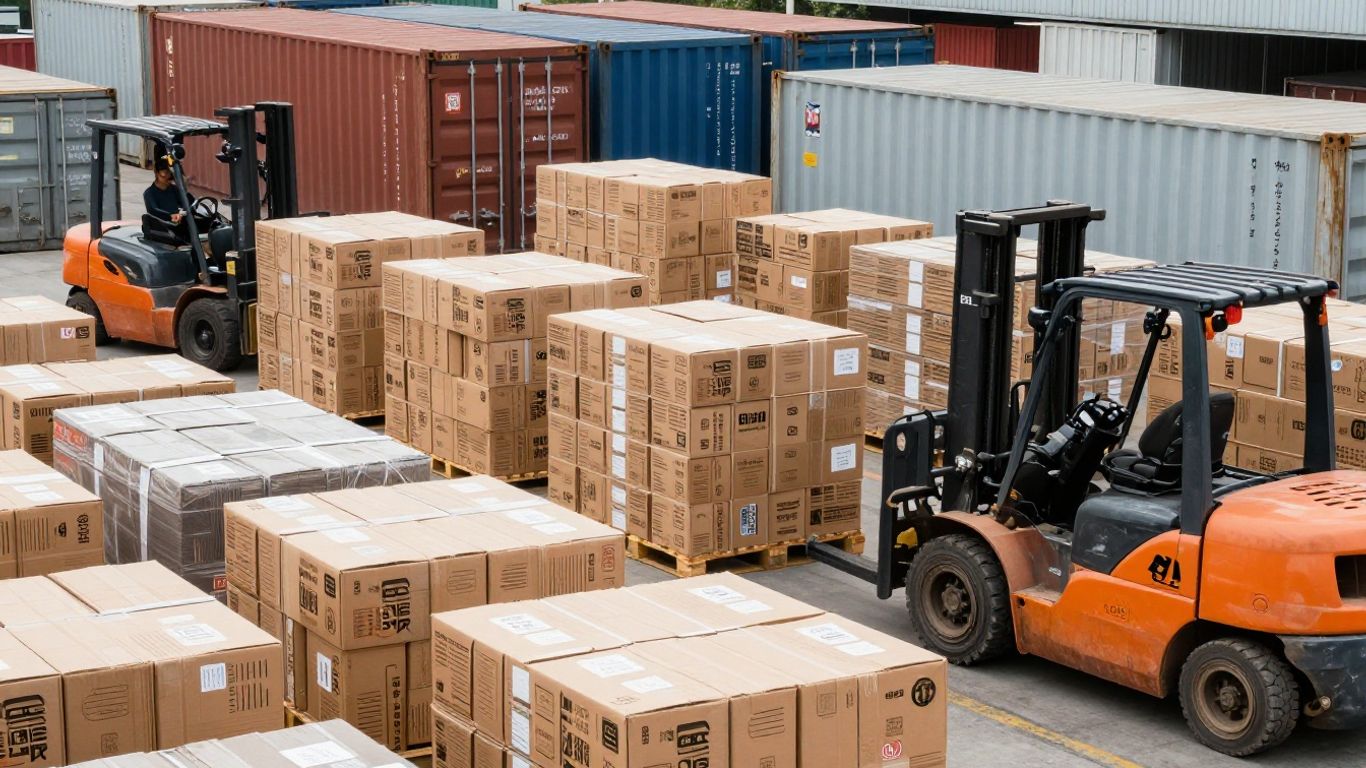
Once you’ve finalized your order and payment on 1688, the next big step is getting your goods from the supplier’s warehouse to your doorstep. This part can feel a bit overwhelming, especially if you’re new to international shipping. We’ve found that understanding the options and planning ahead makes a huge difference.
Understanding Shipping Options and Costs
When ordering from 1688, you’ll typically encounter a few main shipping methods. Each has its own speed, cost, and suitability depending on your needs.
- Express Courier Services: Think DHL, FedEx, or UPS. These are the fastest options, often delivering within a week. They are great for smaller orders or when speed is critical. However, they are also the most expensive. Costs are usually calculated by weight and volume.
- Air Freight: This is a middle ground between express and sea freight. It’s faster than shipping by sea but more costly. Air cargo is often used for medium-sized orders where you need them relatively quickly but want to save money compared to express couriers. We often see this used for time-sensitive inventory.
- Sea Freight: This is the most economical option for larger, heavier orders. It takes longer, typically 3-6 weeks depending on the destination and port. Sea freight can be shipped in Less than Container Load (LCL) or Full Container Load (FCL). FCL is more cost-effective if you have enough goods to fill a container, while LCL is for smaller shipments that share container space.
The total cost will depend on the shipping method, the weight and volume of your goods, and the distance they need to travel. It’s always a good idea to get quotes for different methods before committing.
Consolidating Shipments for Efficiency
If you’re ordering from multiple suppliers on 1688, or even from different platforms like Alibaba, consolidating your shipments can save a significant amount of money and simplify the process. This means having all your goods sent to a single consolidation point, usually a warehouse managed by a logistics company or a purchasing agent. From there, everything is packed together into one shipment.
We often recommend consolidation for clients who are buying smaller quantities from several vendors. It helps reduce the per-unit shipping cost and means you only have to deal with one set of shipping documents and customs clearance. If you’re using a 1688.com agent, they can often handle this consolidation for you as part of their service.
This is where things can get tricky, and it’s vital to get it right. Each country has its own rules about what can be imported, what duties and taxes are applicable, and what documentation is required. For example, importing into the United States involves understanding Harmonized System (HS) codes and potential tariffs. You can find information on US import requirements on the U.S. Customs and Border Protection website.
It’s not uncommon for shipments to be delayed or even held at customs if the paperwork isn’t correct or if the goods don’t meet local regulations. This can lead to unexpected storage fees and significant frustration. Always check the import regulations for your specific country before you place your order.
When shipping internationally, you’ll need to consider:
- Import Duties and Taxes: These are fees charged by your country’s government on imported goods. They vary widely based on the product type and value.
- Customs Declarations: Accurate and detailed information about the contents of your shipment must be provided.
- Certifications and Compliance: Some products require specific certifications (like CE for electronics in Europe or FDA for food products in the US) to be legally imported.
- Prohibited Items: Certain goods are banned from import into specific countries.
Working with a reliable freight forwarder or a sourcing agent who understands international logistics can help you manage these complexities. They can advise on documentation, duty rates, and compliance requirements, making the process much smoother. If you’re looking for a partner to help with this, exploring services like those offered by a China sourcing agent can be a good step.
Utilizing a 1688 Purchasing Agent
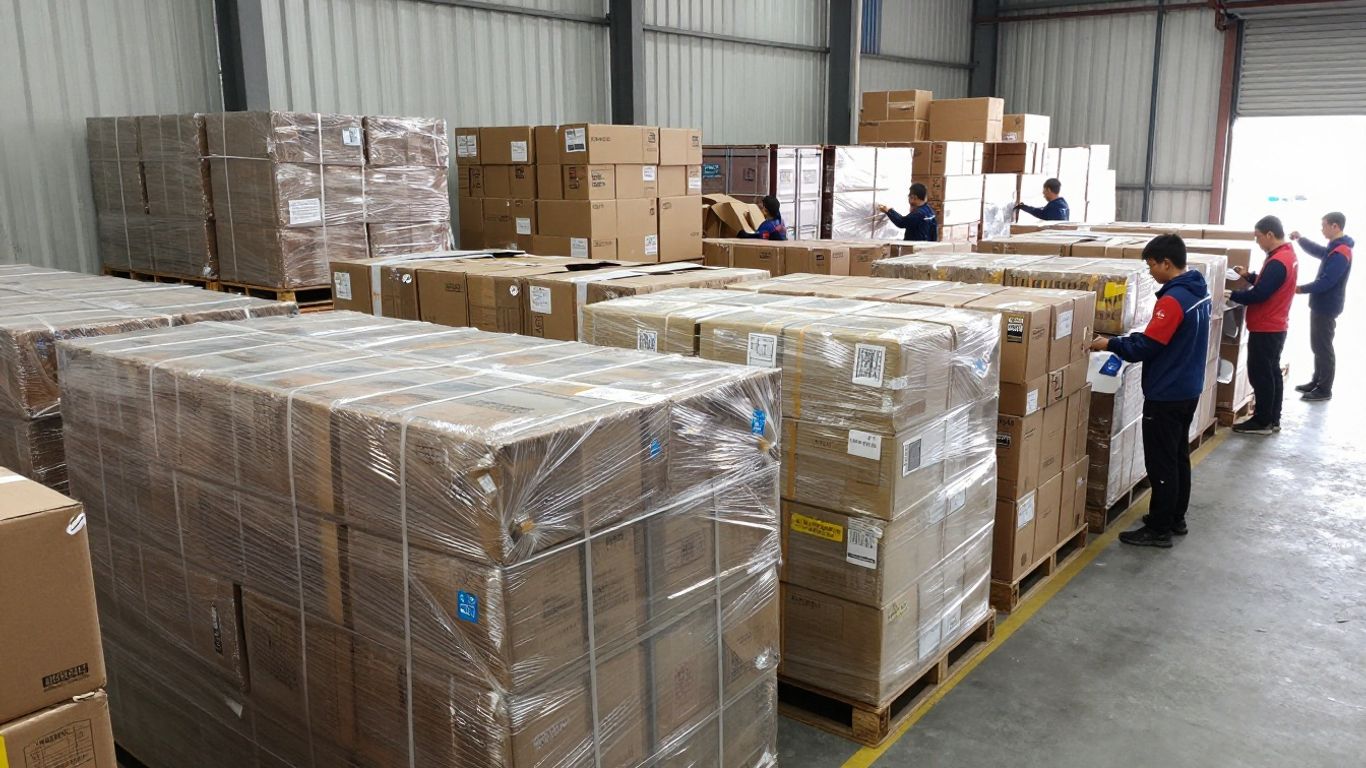
Sometimes, the sheer volume of information and the language barrier on 1688 can feel overwhelming. When we’ve encountered situations where direct communication or understanding the nuances of supplier profiles becomes a hurdle, bringing in a purchasing agent has proven to be a practical step. These agents act as our eyes and ears on the ground in China, simplifying the process significantly.
When to Consider a Sourcing Agent
We find that a sourcing agent becomes particularly useful in a few key scenarios. If you’re new to sourcing from China or 1688 specifically, their guidance can prevent common mistakes. When dealing with suppliers who have limited English proficiency, an agent bridges that communication gap effectively. Also, if you’re looking to source a wide variety of products or need help consolidating shipments from multiple suppliers, an agent’s logistical support is invaluable.
- New to 1688: Lack of familiarity with the platform and its suppliers.
- Language Barriers: Difficulty communicating effectively with suppliers.
- Complex Orders: Needing to manage multiple suppliers or intricate product specifications.
- Time Constraints: When you don’t have the time to manage the sourcing process yourself.
Services Offered by Purchasing Agents
Purchasing agents provide a range of services that go beyond simple order placement. They can help identify and vet potential suppliers, negotiate prices and terms on your behalf, and conduct quality inspections before goods are shipped. Some agents even offer warehousing and consolidation services, allowing you to combine orders from different factories into a single shipment. This can lead to significant cost savings on shipping.
Here’s a look at what they typically handle:
- Supplier Vetting: Checking supplier credentials and reliability.
- Price Negotiation: Working to secure the best possible pricing.
- Sample Management: Ordering and forwarding samples for your review.
- Quality Control: Performing inspections at various stages of production.
- Order Management: Placing orders and tracking production progress.
- Logistics Coordination: Arranging domestic and international shipping.
The real value of an agent often lies in their ability to foresee and mitigate problems before they impact your order. They understand the local business practices and can navigate potential pitfalls that might be invisible to an overseas buyer.
Choosing the Right Agent for Your Needs
Selecting the right purchasing agent is as important as selecting the right supplier. We look for agents with a proven track record, clear communication, and transparent fee structures. It’s helpful if they have experience with your specific product category or industry. Don’t hesitate to ask for references or case studies. Understanding their commission or fee structure upfront is critical to avoid surprises.
Consider these points when making your choice:
- Experience: How long have they been operating? Do they specialize in your product type?
- Communication: Are they responsive and clear in their English communication?
- Fees: Is their pricing structure straightforward (e.g., percentage of order value, fixed fee)?
- Services: Do they offer the specific services you need (e.g., inspection, consolidation, custom packaging)?
- Location: Are they based in a region relevant to your suppliers?
Need help buying from 1688.com? Our expert agents make it easy to get the products you want. We handle everything from finding suppliers to shipping your order. Visit our website today to learn how we can help you source products efficiently!
Final Thoughts: How to Order From 1688 Without Chinese
Ordering from 1688 without speaking Chinese is definitely doable. It takes a bit more work upfront, and you need the right tools and approach. Using translation features, understanding supplier info, and working with agents can make the whole process much smoother. We’ve seen many clients successfully get what they need this way. It’s about being prepared and knowing how to get around the language barrier. Don’t let not speaking Chinese stop you from exploring what 1688 has to offer for your business.
Let Us Handle All Your China Import Work
From pre-production verification to final pre-shipment quality audits, we cover all your China sourcing and inspection needs. Reach out now to customize your exclusive quality control solution and streamline your global supply chain.
Frequently Asked Questions
How to order from 1688 without Chinese?
Use browser or app translation to read listings and message suppliers, confirm specs, MOQ, and price directly with the supplier before ordering, then pay and track everything through 1688’s built-in order system. Book a pre-shipment inspection before the goods leave China. For anything complex, a purchasing agent who handles the Chinese-language side can take this off your plate entirely.
Can I really buy from 1688 if I don’t speak Chinese?
Yes, you absolutely can. Many people do it. You’ll need to use translation tools on your browser or phone. These tools help you read product descriptions and talk to sellers. It might take a little longer, but it works.
How do I know if a supplier on 1688 is trustworthy?
Look at their ratings and how long they’ve been on the site. Good suppliers usually have high scores and many successful deals. Also, read any reviews other buyers have left. If a deal seems too good to be true, it probably is.
What are the best tools for translating 1688?
Google Chrome’s built-in translator is a good start for reading pages. For talking with sellers, you can use translation apps like Google Translate or DeepL. Copy and paste messages back and forth. It’s not perfect, but it gets the job done.
Do I have to pay in Chinese Yuan (CNY)?
Yes, 1688 primarily uses Chinese Yuan. If you’re paying from another country, you’ll likely need to use a payment service that handles currency conversion, or your buying agent will manage this for you. Be aware of exchange rates.
What is a 1688 buying agent and why would I use one?
A buying agent is a person or company in China that helps you buy things. They can talk to suppliers in Chinese, check product quality, handle payments, and arrange shipping. You might use one if you’re new to this, ordering a lot, or want extra peace of mind.
How long does shipping usually take from 1688?
Shipping times can vary a lot. It depends on where the supplier is, how you ship (air vs. sea), and where you’re sending it. It could take anywhere from a week for fast air freight to several weeks or even months for sea freight. Customs also plays a part.