Cars are no longer just a means of transportation; for many people, they are prized possessions. This emotional connection has fueled a massive global demand for car cleaning and detailing products.
From weekend DIY car enthusiasts to professional detailing businesses, everyone wants convenient, effective, and affordable solutions. That’s where the car cleaning kit from China enters the picture.
China has positioned itself as the world’s manufacturing powerhouse, and car care products are no exception. From microfiber towels and foam guns to detailing brushes and cleaning chemicals, Chinese factories produce nearly every component of a modern car cleaning kit.
For importers, wholesalers, Amazon FBA sellers, and private-label brands, sourcing car cleaning kits from China opens the door to high margins and scalable growth.
However, like any opportunity, it comes with challenges. Quality consistency, chemical compliance, packaging standards, and supplier reliability can make or break your business.
One poorly made brush or substandard cleaning solution can lead to bad reviews, returns, and long-term brand damage. That’s why understanding the sourcing process is critical before placing your first order.
This guide walks you through everything you need to know—from understanding what makes a great car cleaning kit to finding reliable Chinese suppliers, ensuring quality, managing costs, and staying ahead of market trends. If you’re serious about building a profitable car care brand, this is your roadmap.
What Is a Car Cleaning Kit?

A car cleaning kit is an all-in-one solution designed to help users clean, maintain, and enhance the appearance of their vehicles. Instead of buying individual tools and chemicals separately, consumers prefer bundled kits that save time, money, and effort. This convenience factor is one of the main reasons why car cleaning kits sell so well globally.
Typically, a standard kit includes tools for both exterior and interior cleaning. Exterior items may include wash mitts, microfiber towels, tire brushes, sponges, and foam applicators.
Interior tools often consist of detailing brushes, air vent cleaners, microfiber cloths, and small dusting tools. Many kits also include liquid products such as car shampoo, tire shine, glass cleaner, or interior polish.
There are different target users for these kits. DIY car owners want easy-to-use, beginner-friendly kits with clear instructions. Car detailing professionals, on the other hand, demand higher-grade materials, durable tools, and concentrated chemicals. Chinese manufacturers cater to both markets, offering flexible configurations and quality levels.
The popularity of all-in-one kits is also driven by e-commerce. On platforms like Amazon, bundled products stand out, offer higher perceived value, and allow sellers to differentiate themselves. When sourced correctly, a car cleaning kit from China becomes more than just a product—it becomes a branded experience that customers remember and reorder.
Why Source Car Cleaning Kits from China

China dominates the global car care supply chain for one simple reason: manufacturing efficiency at scale. Thousands of factories specialize in plastics, textiles, chemicals, and packaging—everything needed to assemble a complete car cleaning kit under one roof or within the same industrial cluster.
Cost is another major advantage. Labor, raw materials, and production infrastructure are optimized for mass manufacturing, allowing suppliers to offer competitive prices without sacrificing profitability. For importers, this means higher margins or the flexibility to price competitively in crowded markets. Even small businesses can access factory-level pricing if they understand MOQs and negotiation strategies.
Customization is where China truly shines. Want a unique brush shape? A custom-colored microfiber towel? Branded bottles and packaging? Chinese suppliers are incredibly adaptable. Private labeling options allow you to build a distinct brand identity rather than selling generic products. This is crucial in today’s saturated e-commerce environment.
Innovation also plays a role. Many factories actively develop new designs, eco-friendly materials, and improved chemical formulas to stay competitive. By sourcing from China, you’re not just buying products—you’re tapping into a constantly evolving manufacturing ecosystem that supports growth and scalability.
Popular Components in a Car Cleaning Kit
A successful car cleaning kit is all about balance. Too many items can overwhelm customers, while too few can reduce perceived value. Chinese manufacturers understand this and offer modular components that can be mixed and matched based on your target market.
Exterior cleaning tools usually form the backbone of the kit. These include microfiber wash mitts, sponges, wheel and tire brushes, and drying towels. High-quality microfiber is essential because it prevents scratches and improves cleaning efficiency. Many factories now offer GSM customization for towels, allowing brands to position themselves as premium or budget-friendly.
Interior cleaning accessories focus on precision. Detailing brushes, vent cleaners, and soft microfiber cloths help users reach tight spaces. These tools are often made from ABS plastic handles and synthetic or natural bristles, all of which can be customized in color and shape.
Chemical products add perceived value but require extra care. Car shampoo, glass cleaner, and tire shine must comply with international chemical regulations. Reliable suppliers provide MSDS documentation and offer tested formulas suitable for export markets.
Types of Car Cleaning Kits Manufactured in China

One of the biggest advantages of sourcing a car cleaning kit from China is the sheer variety available. Chinese manufacturers don’t follow a one-size-fits-all approach. Instead, they design kits around specific customer needs, usage scenarios, and price points. This flexibility allows brands to target very precise market segments instead of competing blindly on price.
Basic car wash kits
Basic car wash kits are the most common entry-level option. These usually include essentials such as a wash mitt, sponge, microfiber towel, tire brush, and a simple car shampoo. They are designed for everyday car owners who want something affordable and easy to use. Chinese factories produce these kits in massive volumes, making them ideal for promotional sales, supermarket retail, and entry-level Amazon listings.
Premium detailing kits
Premium detailing kits cater to enthusiasts who treat car cleaning as a hobby. These kits often include high-GSM microfiber towels, specialized brushes for wheels and interiors, foam applicators, wax pads, and multiple chemical solutions. Packaging is usually more sophisticated, such as hard cases or branded carry bags. China’s ability to combine premium materials with cost efficiency makes it possible to sell these kits at attractive margins.
Professional and commercial kits
Professional and commercial kits are designed for car detailing businesses, rental companies, and service centers. These kits focus on durability, refillable chemicals, and ergonomic tools that withstand frequent use. Chinese suppliers often customize these kits based on the buyer’s workflow, offering bulk packaging and replacement components.
eco-friendly and waterless kits
Finally, eco-friendly and waterless kits are a fast-growing category. These focus on biodegradable chemicals, reusable cloths, and minimal packaging. As sustainability becomes a selling point, many Chinese factories are investing heavily in green materials and certifications to meet global demand.
Quality Standards and Certifications

Quality is where many importers either win big or fail fast. While China offers incredible manufacturing capabilities, quality depends entirely on standards, specifications, and enforcement. A car cleaning kit may look good in photos, but without proper quality control, issues often surface only after customers start complaining.
For physical components like microfiber towels, brushes, and sponges, durability and material composition matter. Low-quality microfiber sheds lint, scratches paint, or loses absorbency after a few washes. Reliable suppliers test for GSM accuracy, colorfastness, stitching strength, and edge finishing. As a buyer, requesting samples and clear material specs is non-negotiable.
Chemical products require even more attention. Car shampoos, glass cleaners, and interior sprays must comply with regulations in your target market. Many Chinese suppliers provide MSDS (Material Safety Data Sheets), ingredient disclosures, and usage instructions. For markets like the EU or the US, compliance with REACH, EPA, or similar standards is critical. Skipping this step can lead to customs seizures or legal trouble.
Certifications also play a major role in brand credibility. While not all certifications are mandatory, having ISO, SGS testing reports, or factory audit documents builds trust with retailers and consumers. Chinese factories that regularly export usually understand these requirements and can guide buyers through the process.
Ultimately, quality is not about trusting a supplier blindly—it’s about systems, documentation, and verification. When done right, Chinese manufacturing can match or exceed global standards.
How to Find Reliable Suppliers in China

Finding the right supplier is the foundation of a successful car cleaning kit business. With thousands of manufacturers available, the challenge isn’t finding suppliers—it’s identifying the right ones.
Online B2B platforms like Alibaba, Made-in-China, and Global Sources are the most common starting points. These platforms allow you to compare prices, MOQs, certifications, and customer reviews. However, smart buyers look beyond the surface. A professional supplier profile, detailed product listings, and fast, clear communication are often better indicators than price alone.
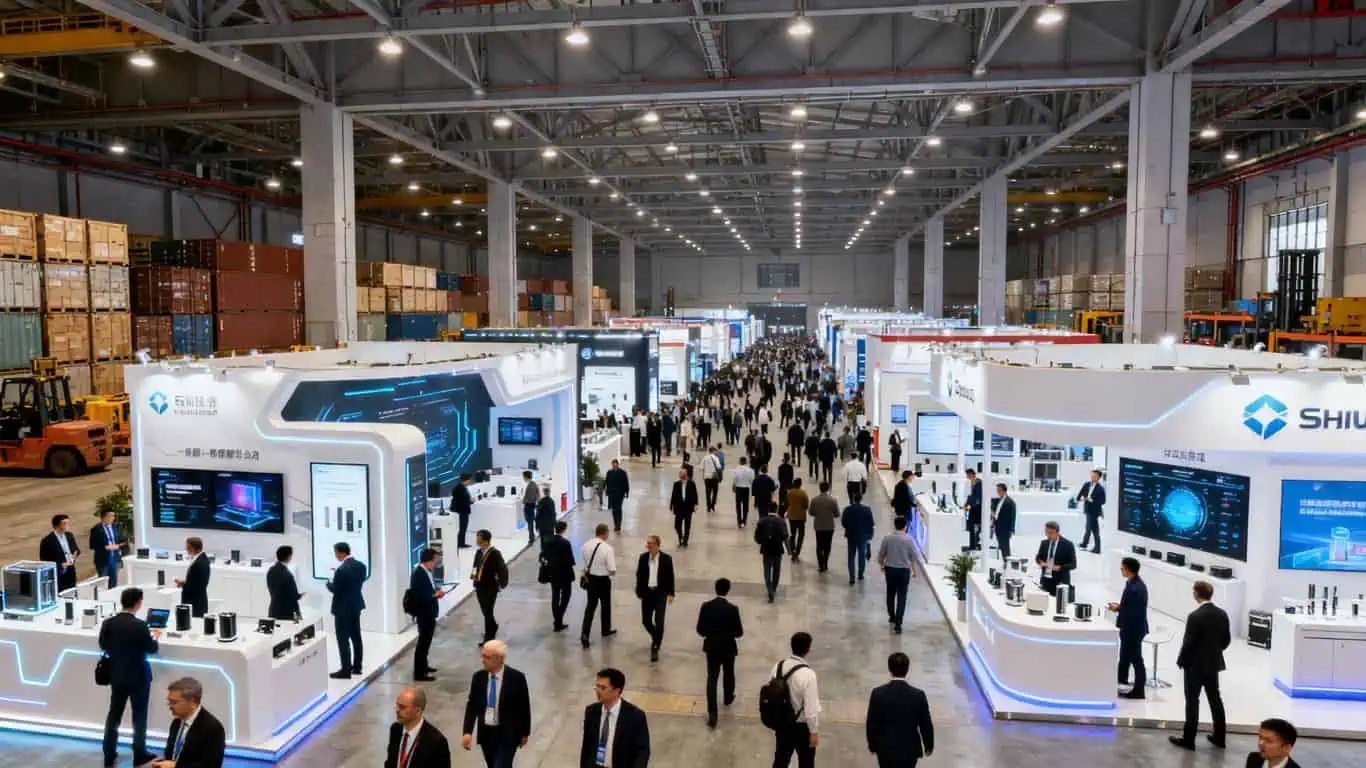
Trade fairs such as the Canton Fair or Automechanika China offer a more hands-on approach. These events allow buyers to inspect products physically, meet factory representatives, and negotiate face-to-face. While attending trade fairs requires time and investment, the relationships built there are often stronger and more reliable.
Another effective route is working with China sourcing agents. A good agent acts as your local partner, helping you identify vetted factories, negotiate pricing, verify certifications, and conduct factory audits. For new importers, this reduces risk significantly and accelerates the learning curve.
Regardless of the method, supplier verification is essential. Always request samples, conduct background checks, and start with small trial orders. A reliable supplier will welcome transparency and be willing to prove their capabilities.
Customization and Private Labeling Options
Customization is where a generic car cleaning kit transforms into a recognizable brand. Chinese manufacturers are exceptionally flexible when it comes to private labeling, which is why so many global car care brands source from China.
The most common customization option is logo branding. Logos can be printed, embossed, or woven into microfiber towels, brushes, bottles, and carry bags. Even small details like logo placement and color consistency can significantly impact brand perception. Chinese factories typically offer mockups before production, allowing buyers to visualize the final product.
Packaging customization is equally important. Retail brands often choose colorful boxes with product images and instructions, while e-commerce sellers prefer compact, damage-resistant packaging to reduce shipping costs. Many suppliers offer design support or work directly with your packaging files.
Kit configuration itself can also be customized. You can choose which items go into the kit, adjust quantities, or create multiple variants for different customer segments. While customization usually increases MOQ, it also increases brand value and customer loyalty.
Private labeling isn’t just about looking different—it’s about creating a product customers recognize, trust, and repurchase.
Pricing Structure and Cost Breakdown
Understanding the true cost of sourcing a car cleaning kit from China goes far beyond looking at the unit price quoted by a supplier. Many first-time importers make the mistake of calculating profitability based solely on product cost, only to be surprised later by hidden or underestimated expenses. A clear cost breakdown is essential if you want sustainable margins.
The product cost is the starting point. This includes all components inside the kit—microfiber towels, brushes, chemicals, packaging, and basic branding. Prices vary significantly depending on material quality, kit size, and customization level. A basic kit might cost just a few dollars per unit, while a premium detailing kit with branded packaging can cost several times more.
Next comes the MOQ factor. Chinese factories lower unit prices as order quantities increase. While a higher MOQ might feel risky, it often reduces per-unit costs enough to justify the investment. Smart buyers negotiate trial orders or mixed SKUs to balance risk and pricing.
Shipping costs are where many budgets fall apart. Sea freight is cheaper but slower, while air freight is fast but expensive. Shipping volume, weight, and destination all impact cost. Additionally, you must factor in customs duties, taxes, port fees, and local delivery charges.
Finally, there are quality control, inspection, and sourcing fees. If you work with a sourcing agent or third-party inspection company, these costs should be considered part of your landed cost. When calculated properly, you gain clarity—and clarity is what separates profitable brands from struggling ones.
Quality Control and Inspection Process

Quality control is not optional—it’s insurance for your brand. No matter how trustworthy a supplier seems, mistakes happen. Without inspections, you’re gambling your reputation on blind trust.
The process typically starts with pre-production checks. This stage ensures that raw materials, packaging designs, and product specifications match what was agreed upon. Catching errors here is far cheaper than fixing them after production.
Next comes in-line inspection, conducted when 20–50% of production is completed. Inspectors randomly check items for defects, consistency, and workmanship. For car cleaning kits, this may include microfiber density tests, brush durability checks, and leakage testing for liquid bottles.
The final step is the final random inspection (FRI). This happens once production is complete and products are packed. Inspectors verify quantities, packaging accuracy, labeling, and overall quality. Only after passing this stage should goods be approved for shipment.
Many Chinese suppliers welcome inspections because it protects both parties. A small investment in quality control can prevent massive losses from returns, bad reviews, or rejected shipments.
Packaging and Branding for Retail Success
Packaging is often underestimated, yet it plays a massive role in how customers perceive your car cleaning kit. In crowded marketplaces, packaging is your silent salesperson.
For retail environments, packaging needs to be eye-catching, informative, and durable. Clear visuals, benefit-driven text, and organized layouts help customers understand value instantly. Chinese manufacturers offer everything from cardboard boxes to premium hard cases.
For e-commerce, packaging must balance protection and efficiency. Overly large boxes increase shipping costs, while weak packaging leads to damage and returns. Many brands choose compact, reinforced packaging with minimal empty space.
Sustainability is another growing factor. Eco-conscious consumers prefer recyclable materials and minimal plastic. Chinese suppliers increasingly offer kraft boxes, biodegradable inserts, and reusable storage bags.
Good packaging doesn’t just protect the product—it builds trust, encourages positive reviews, and increases repeat purchases.
Shipping and Logistics from China
Shipping is the final hurdle between your supplier and your customer. Choosing the wrong method can wipe out profits or delay launches.
Sea freight is the most cost-effective option for large orders. It’s ideal for businesses that plan inventory in advance. Lead times range from 25 to 45 days depending on destination.
Air freight is faster but significantly more expensive. It’s best suited for samples, urgent restocks, or high-value kits with strong margins.
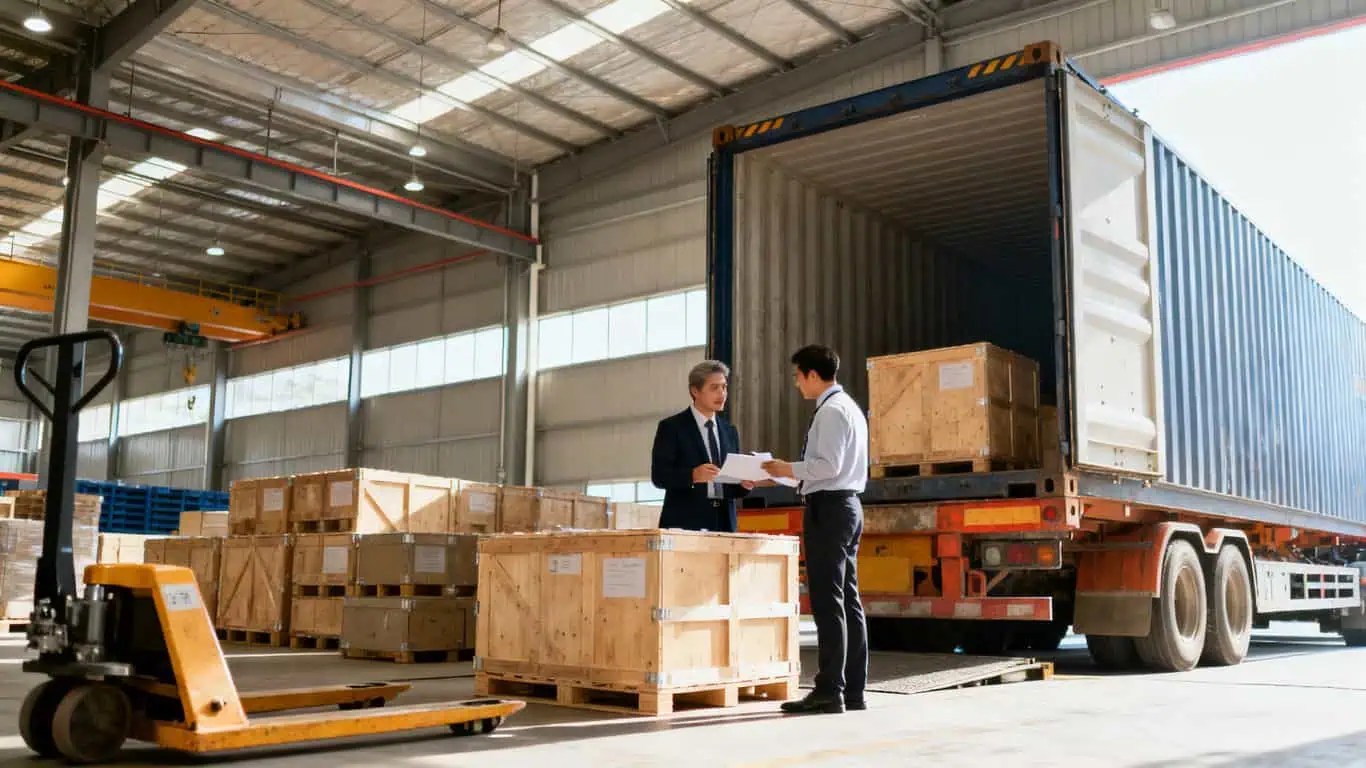
Customs clearance requires accurate documentation, including invoices, packing lists, and compliance certificates. Errors can cause delays, fines, or confiscation. Many importers rely on freight forwarders or sourcing agents to manage this process smoothly.
A solid logistics plan ensures your car cleaning kits arrive on time, intact, and ready to sell.
Common Mistakes When Sourcing Car Cleaning Kits

One of the most common mistakes is choosing suppliers based solely on price. Cheap products often lead to poor quality, customer complaints, and long-term losses.
Another mistake is ignoring compliance requirements, especially for chemical products. What passes in one country may be illegal in another.
Poor communication is another silent killer. Vague specifications lead to misunderstandings and incorrect production. Clear documentation prevents costly errors.
Learning from these mistakes early saves time, money, and reputation.
Market Trends in Car Cleaning Kits
The DIY car care boom continues to grow as consumers seek cost-effective alternatives to professional detailing.
Bundled and subscription kits are gaining popularity, offering convenience and recurring revenue.
Eco-friendly products are no longer niche—they’re becoming mainstream. Brands that adapt early gain a competitive edge.
China’s manufacturing ecosystem evolves alongside these trends, making it an ideal sourcing destination.
Future of Car Cleaning Kit Manufacturing in China
Automation, smart manufacturing, and sustainable materials are shaping the future.
Factories are investing in better quality control systems, faster customization, and eco-friendly innovations.
As global demand grows, China remains at the center of car care manufacturing evolution.
Conclusion
Sourcing a car cleaning kit from China is not just about finding cheap products—it’s about building a reliable, scalable, and profitable business. With the right suppliers, quality controls, branding strategies, and logistics planning, China becomes a powerful partner rather than a risky gamble.
Success comes from preparation, clarity, and smart decision-making. When done right, the rewards are long-lasting.
FAQs About Car Cleaning Kits from China

1. Is it safe to source car cleaning kits from China?
Yes, with proper supplier verification and quality control, sourcing is safe and reliable.
2. What is the MOQ for car cleaning kits from China?
MOQs vary but typically range from 300 to 1,000 units depending on customization.
3. Can I private label car cleaning kits?
Absolutely. Most Chinese manufacturers specialize in private labeling and customization.
4. How long does shipping take from China?
Sea freight takes 25–45 days; air freight takes 5–10 days.
5. Do car cleaning chemicals require certification?
Yes, many markets require MSDS and compliance documentation.
[/fusion_text][/fusion_builder_column][/fusion_builder_row][/fusion_builder_container]