Working with a foshan furniture sourcing agent china is often the single biggest factor separating a smooth import project from an expensive, drawn-out headache. Sourcing furniture from Foshan requires deep operational knowledge and careful coordination between factories and your logistics partners. These points represent the core of managing a successful furniture project from China.
Key Takeaways
- Visit physical showrooms to distinguish real factory output from high-end retail displays.
- Prioritize pre-shipment inspections early in the production cycle to catch internal structural defects.
- Consolidate shipments from multiple factories to avoid the steep costs associated with less-than-container loads.
- Clearly document technical specifications for all OEM projects to prevent costly prototyping errors.
- Secure your intellectual property by working with vetted partners that maintain factory accountability.
- A qualified Foshan furniture sourcing agent in China can manage all of the above so you don’t have to be on the ground yourself.
Foshan is the undisputed hub of furniture manufacturing, but it can be overwhelming for those not used to the fast pace of the region. Many international buyers arrive and immediately head to massive malls without realizing that some displays are just retail fronts selling overpriced standard inventory. Understanding the actual industrial layout is the first step toward getting real factory prices.
Distinguishing between manufacturers and wholesale dealers
It is often difficult to tell a factory from a trader just by looking at a showroom floor, especially in areas like Lecong. A real manufacturer will usually have a more focused product catalog and be able to provide details on their production line capacity. Traders, conversely, often showcase an immense variety of styles from fifty different factories, which makes specialized quality control difficult. We recommend asking for a factory visit to verify if the showroom is actually attached to their own production facility.
Understanding the role of major furniture exhibition centers
Major exhibition centers in Foshan function less like stores and more like massive product portfolios for overseas buyers. While they provide excellent style inspiration, they often operate with significant markups compared to direct factory purchasing. Using these centers is best for research, but always remember that the bulk of your actual business should be negotiated directly with representatives who understand your volume needs.
Identifying authentic factory showrooms versus retail-oriented displays
An authentic factory showroom will typically contain remnants of their raw material testing and often have employees familiar with the specific manufacturing techniques used for their goods. Retail displays are usually pristine and staffed by sales-only personnel who cannot answer technical questions about structural integrity or custom material sourcing. You need to look for someone who understands exactly how the product is built, not just how it looks under studio lighting.
Working with a foshan furniture sourcing agent china
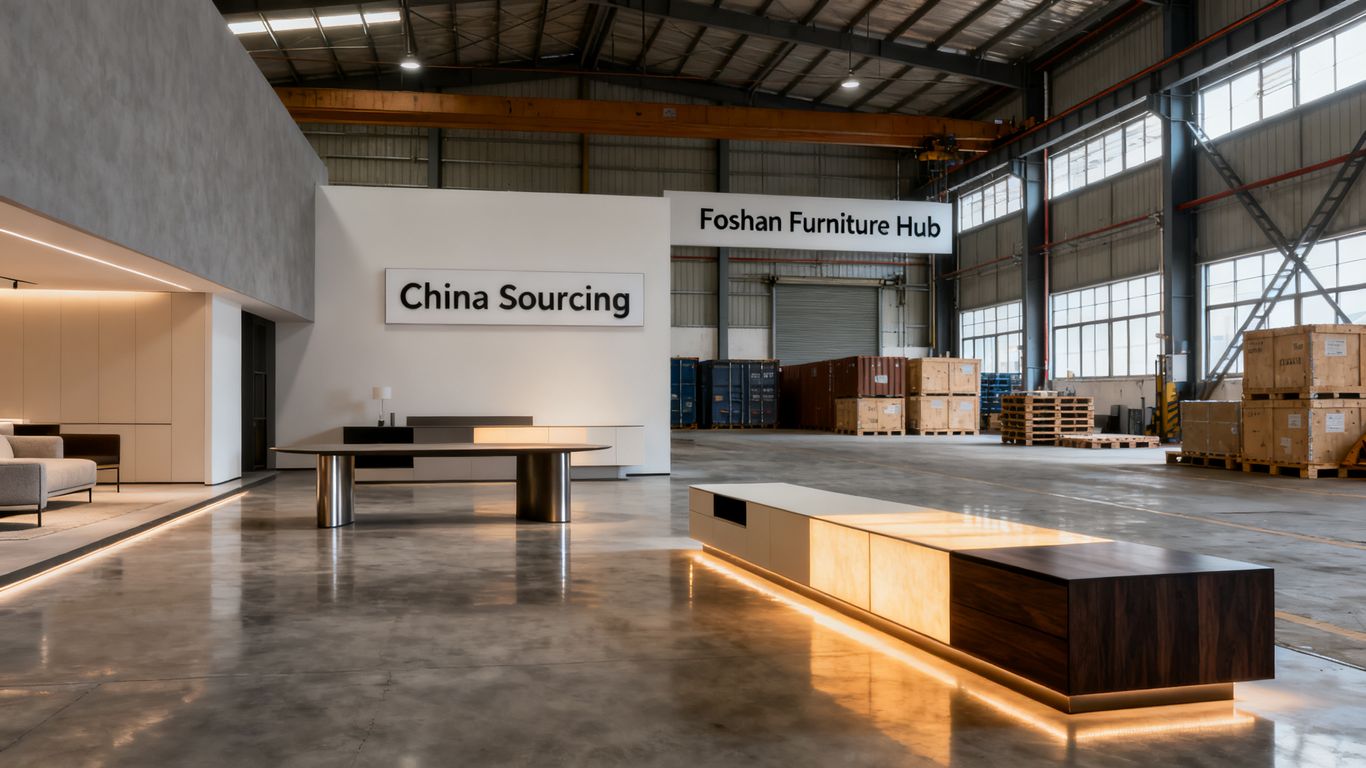
Finding a reliable partner on the ground is the difference between a successful project and an expensive headache. Working with an experienced China furniture sourcing agent allows you to bridge the cultural and technical gap that persists between Chinese factory floors and your home market.
Determining the scope of on-the-ground support required
Every buyer has different needs, from simple sourcing to full-lifecycle project management. You should decide whether you need an agent only for factory verification or if you require daily production monitoring. It is essential to define these boundaries early so that there are no surprises regarding service fees or responsibilities during the critical production stage.
How to verify agent independence from specific furniture factories
Transparency is the biggest indicator of a professional partner. You should be concerned if an agent pushes you exclusively toward a handful of specific suppliers without clear reasoning. A neutral Minden Sourcing representative will provide you with options based on your specific quality requirements and price targets rather than factory commissions.
Setting clear service expectations and communication protocols
Establishing a regular reporting rhythm is crucial when dealing with thousands of miles of distance. We prefer weekly updates that include photographs of the factory floor and progress reports on specific milestones. Establishing these protocols ensures that if a problem arrives, you find out about it before the entire production run is finished. This is exactly the kind of accountability a good foshan furniture sourcing agent china builds into every project from day one.
Securing fair pricing and manageable MoQs
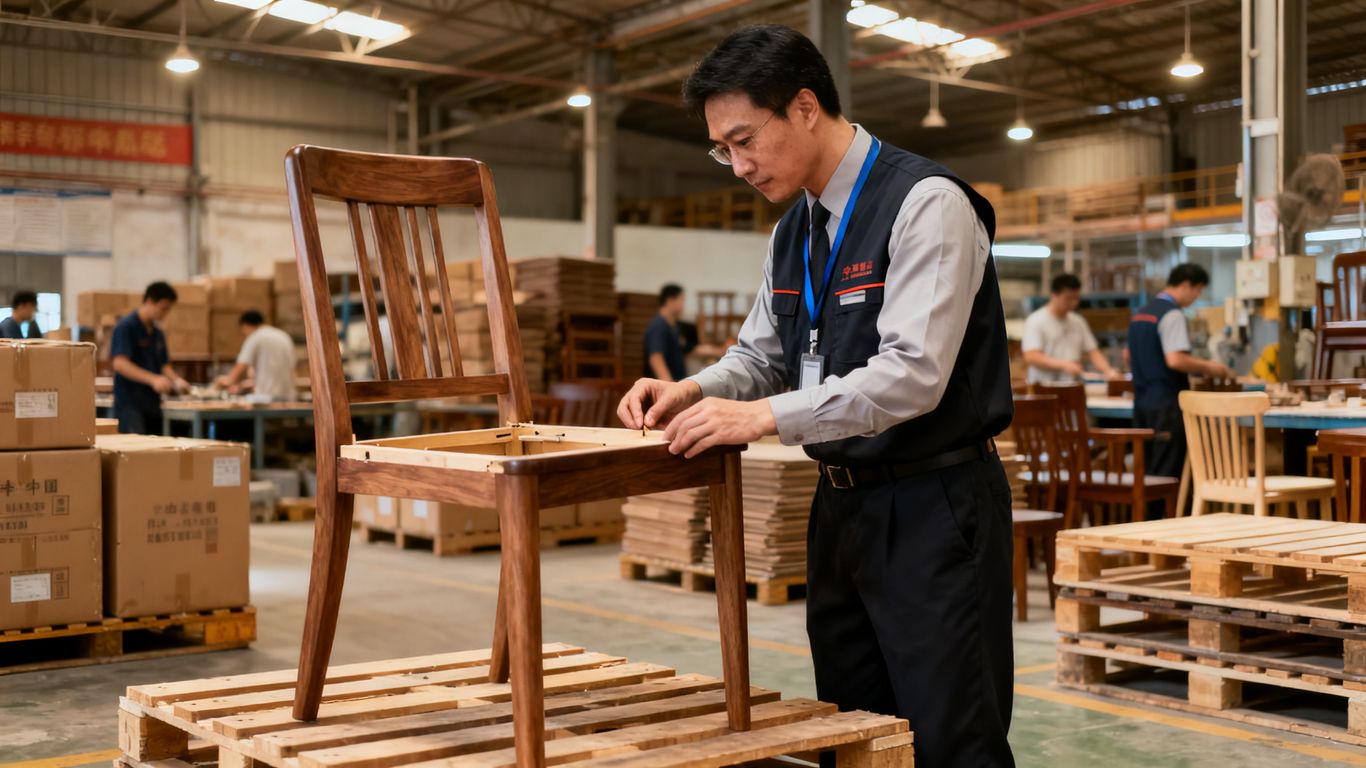
Negotiating pricing in Foshan is rarely about catching the absolute lowest number, but rather about optimizing the value of your dollar against quality standards. Factories are often willing to adjust their production minimums if you can provide visibility into long-term order growth.
Strategies for balancing factory production minimums with order size
When your volume is lower than the standard factory MOQ, you need a consolidation plan. The following table highlights common trade-offs when trying to hit these targets while maintaining financial efficiency.
| Strategy | Pros | Cons | Impact on Price |
|---|---|---|---|
| Direct Factory Purchase | Lowest unit cost | Very high MoQs required | Best pricing |
| Multi-Supplier Consolidation | Lower total MoQ | Complex logistics | Moderate increase |
| Wholesale Marketplace | Low MoQs | High retail markups | Highest total cost |
It is vital to use these trade-offs to decide which procurement method matches your current business scale before you finalize any contract.
Differentiating between high-volume commercial and residential pricing
Factories view these two sectors differently, and your pricing strategy should follow suit. Commercial orders often look at long-term reliability and standard dimensions, while residential projects might prioritize unique, aesthetic, or high-end material finishes. Be upfront about which segment you are buying for to avoid paying for commercial-grade durability you do not necessarily need.
Negotiating material upgrades without unexpected budget bloat
It is easy for a budget to spiral if you demand high-end materials without understanding the cost layering of Chinese furniture production. Many buyers try to upgrade fabrics or wood types without checking if the base structure can handle the extra weight or stress. Always ask for a bill of materials before you finalize the order to ensure that your import sourcing help is fully accounted for.
Quality control protocols for high-end furniture
Quality control is not something you leave to the factory to self-report. Serious defects like internal rot or loose joints are often invisible in finished, packaged pieces, which is why manual inspections are mandatory. You must have a process in place to check for these issues at the factory floor level.
Why pre-shipment inspections are mandatory for raw wood and upholstery
Pre-shipment inspections are the most effective way to prevent costly returns once the cargo lands at your port. When checking wood, inspectors look for moisture content levels, which can lead to warping in different climates. For upholstery, checking foam density and seam consistency ensures the product survives the shipping stress and looks as expected upon arrival.
Common structural defects to watch for during the production phase
- Improperly cured wood finishes showing premature cracking.
- Weak or misaligned joints in load-bearing chair or table legs.
- Inferior metal hardware prone to rusting in humid transit conditions.
- Incorrect dimensions that deviate from original technical blueprints.
We recommend that every project includes at least two, if not three, major inspection phases: once for raw materials, once during assembly, and once right before final packaging.
Documenting and enforcing packaging standards to prevent transit damage
Furniture is notoriously fragile, and poor packaging is the most common reason for damages in global freight. You should explicitly list your requirements regarding corner protection, foam thickness, and heavy-duty cardboard boxes. If you are dealing with container shipping from China, ensure that your freight forwarder is aware of the specific packing dimensions to avoid wasted space. Solid wood packaging must also meet ISPM 15 fumigation requirements before it clears customs.
Managing the logistics of bulky product shipments
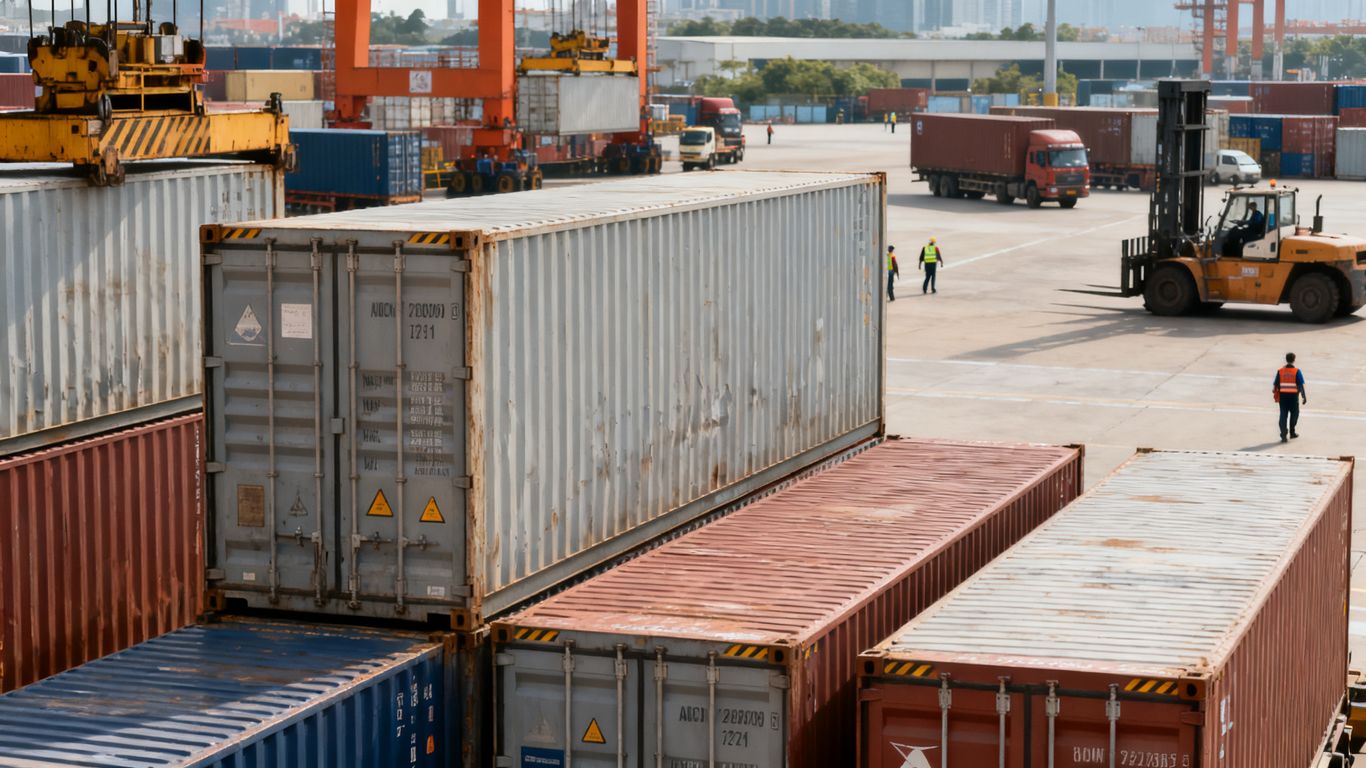
Logistics is where the most “surprising” costs appear if you are not careful about how you set up your agreements. The industry uses specific Incoterms to define who carries the baton at each stage of the shipping journey. You must define these terms clearly with your supplier, covering everything from loading, port processing, and customs brokerage, all the way to final delivery at your warehouse.
Deciding between less-than-container load and full container load shipments
Choosing between LCL and FCL is purely a math game based on your total CBM (cubic meters). If you have enough furniture to fill 60% or more of a 20-foot container, FCL is almost always safer because the items are not shuffled between other shipments. LCL is only for small batches where you accept the higher risk of damage due to the extra handling and pallet consolidation at the port.
The logistical challenges of consolidating items from multiple factories
Consolidation requires a warehouse partner who can receive goods separately, check them, and then pack them into a single container before they head to the port. This adds a layer of management but is the only way to avoid paying for multiple incomplete shipments. Coordination is the bottleneck here, so ensure you have a schedule that accounts for differing production leads from each supplier.
Different countries have rigorous rules regarding the import of wood and textiles, such as Lacey Act compliance or fumigation certificates for pallet wood. A professional freight forwarder should handle this, but you must ensure your supplier is prepared to provide the necessary documentation. Never assume that standard factory paperwork will suffice for your destination country’s customs officials.
Executing custom furniture and oem projects
OEM work takes the process from a commodity purchase to a brand-dependent product, and the stakes for quality control increase exponentially. You are no longer just buying an existing item; you are moving from technical notes to a finished piece of furniture.
Converting technical design specifications into factory-ready drawings
Factories in Foshan are experts at building off existing samples, but they often struggle with abstract design notes. You must convert every detail into clear CAD drawings or dimensioned 3D models. This reduces the communication loop and forces the factory to commit to a specific design before they cut any material.
Managing prototyping timelines and iterative revision cycles
Plan for at least two rounds of prototyping for any custom product. The first model almost always uncovers a mistake in material sourcing or construction method that neither you nor the factory realized on paper. Budget for the extra time and shipping costs for these back-and-forth stages; rushing this part of the process is a mistake most buyers only make once.
Protecting proprietary designs and brand intellectual property in China
Protecting your IP means choosing the right contract partner and monitoring communication. We suggest using comprehensive non-disclosure agreements and vetting the factory’s history with other international brands. If you are serious about a proprietary design, work with a partner who understands the local legal context and knows how to keep designs isolated from the main factory catalog.
Conclusion
Sourcing furniture in Foshan is a manageable process only if you approach it as a series of operational steps rather than a one-time transaction. Partnering with an experienced foshan furniture sourcing agent china lets you focus on site-level inspections, clear communication with factories, and careful logistics planning, so you can navigate the market with confidence and scale your furniture business without constant surprises.
Let Minden Handle All Your China Import Work
From pre-production verification to final pre-shipment quality audits, we cover all your China sourcing and inspection needs. Reach out now to customize your exclusive quality control solution and streamline your global supply chain.
Frequently Asked Questions
What does a foshan furniture sourcing agent china actually do?
A Foshan furniture sourcing agent verifies factories, negotiates pricing and MOQs, oversees quality inspections, and coordinates consolidation and shipping so you don’t have to manage every step remotely on your own.
How much time should I set aside for a sourcing trip in Foshan?
Plan for at least 5 to 7 days to cover both the major markets and visits to 3-4 candidate factories. This timeframe allows you to see products, discuss custom requirements, and meet with potential quality control partners.
Is it possible to buy furniture from Foshan manufacturers if I am not a wholesaler?
Yes, but you will need to account for higher unit costs and more complex shipping logistics compared to high-volume buyers. Many factories are willing to discuss residential projects if you can meet a reasonable order minimum or group pieces together.
How are furniture prices typically quoted in the Foshan market?
Prices are usually quoted as EXW (Ex Works), meaning the price covers only the product at the factory floor. You must explicitly request quotes for FOB (Free on Board) if you want the supplier to manage delivery to the local port, though this will significantly add to the unit cost.
What is the biggest mistake beginners make when sourcing furniture in China?
Neglecting to perform independent quality inspections before the container is sealed is the most frequent and expensive error. Once the goods arrive at your warehouse, there is practically no way to hold the factory accountable for quality defects.
Can I mix furniture from different manufacturers into one container?
Yes, but this requires a professional consolidation service to manage receiving, checking, and loading everything into a single shipping container. Trying to do this on your own without a local logistics team often leads to unorganized shipments.
How long does the average production process take for high-end furniture?
Standard orders usually take between 30 to 60 days, depending on material complexity and factory workload. Custom OEM projects require significantly more time to account for prototyping and iterations before final assembly begins.
How does weight affect the shipping cost for furniture?
Shipping costs for furniture are primarily determined by volume (CBM), not just weight, because items like sofas and tables are bulky and often ship in protective packaging. Optimizing for volume utilization within your shipping container is the most effective way to lower your per-unit freight cost.