This canton fair guide for first time buyers exists because the world’s largest trade exhibition can overwhelm anyone walking in without a plan. Planning for the China Import and Export Fair requires a clear strategy to avoid being swallowed by the sheer volume of exhibitors and products. By focusing on preparation, efficient navigation, and systematic supplier screening, you can turn a chaotic visit into a productive business event.
Canton Fair Guide for First Time Buyers: Key Takeaways
- Understand the three distinct phases of the fair to match your product category.
- Pre-register early to avoid high on-site fees and administrative delays.
- Prioritize booth visits based on concrete goals rather than browsing randomly.
- Standardize your data collection to simplify supplier follow-ups after returning home.
- Combine your fair attendance with targeted factory visits to confirm manufacturing capabilities.
Preparation for your first visit
Every good canton fair guide for first time buyers starts here: attending the event for the first time is a significant logistical undertaking that demands careful planning months in advance. We have found that many buyers fail to extract value simply because they treat this event as a drop-in experience rather than a business mission. Establishing a clear routine before you pack your bags will save you considerable time and frustration once you land in Guangzhou.
Understanding the three-phase schedule
The fair is divided into three distinct sessions, each focusing on entirely different industries. Missing the dates for your specific interest means missing your potential suppliers entirely, so verify your category alignment early on the official Canton Fair schedule. The phases shift annually, but generally cover hard goods in phase one, home and decor in the second, and consumer goods or textiles in the final slot.
Pre-registering to secure your entry badge
Completing your administrative work online is the single most important step to prevent day-of headaches. Skipping pre-registration often results in long, exhausting lines at the registration counters and requires a higher fee payment on arrival. Securing your badge in advance grants you priority access to the complex and confirms your status as a professional buyer.
Managing visa requirements and documentation
Travel regulations to China evolve, and your entry requirements depend heavily on your passport country. Whether you qualify for visa-free entry or require a formal invitation letter provided by the event organizers, you must confirm these protocols well before your departure by checking the China Visa Application Service Center. A missing document can halt your entire trip at the border, so check the latest updates several months before the flight.
Setting specific sourcing goals before departure
Walking through aisles without a plan leads to decision fatigue and missed opportunities for high-quality partnerships. We suggest listing the exact product types, price points, and certification requirements you expect from new partners. If you need expert help sourcing, having these definitions prepared helps you differentiate between professional manufacturers and resellers quickly.
Mapping the exhibition layout
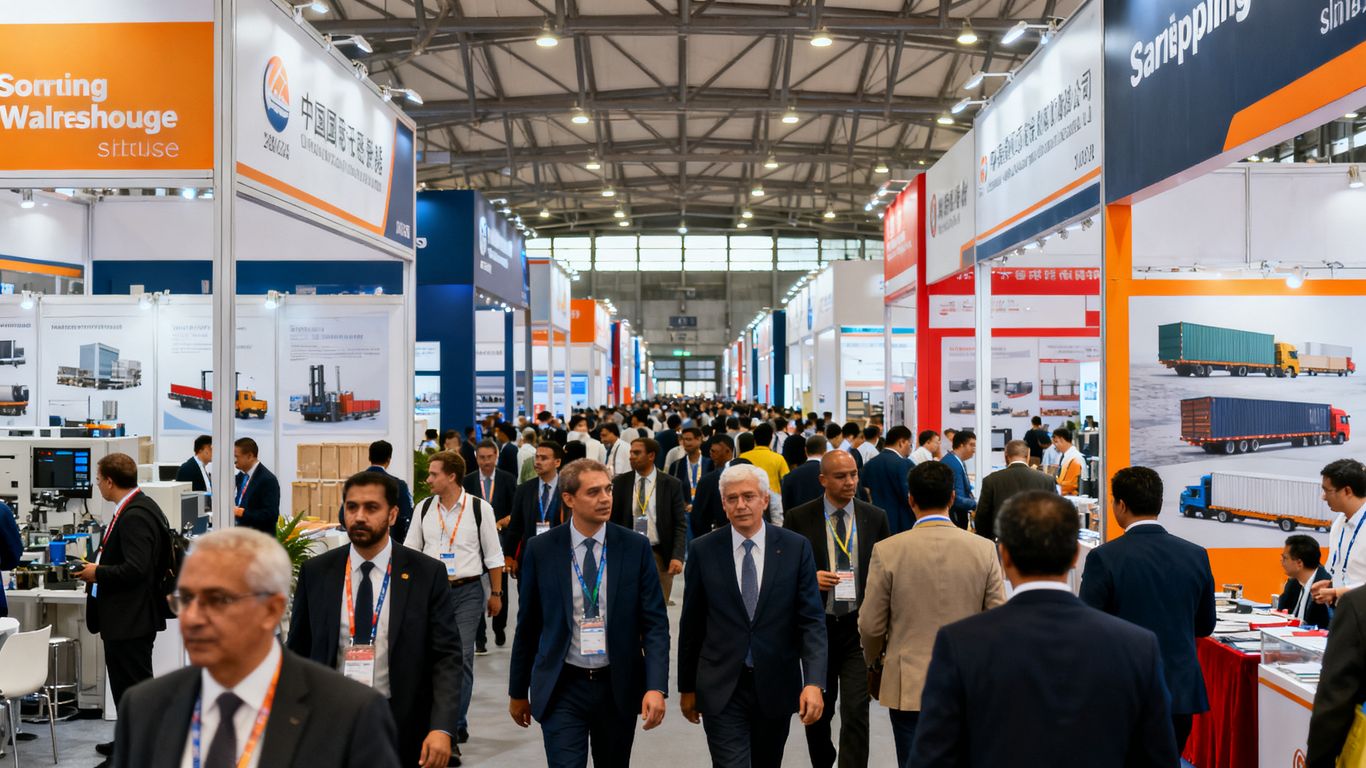
The fair complex is gargantuan, spanning over a million square meters, which makes spontaneous wandering an exercise in exhaustion. You must treat the floor plan like a resource to be managed, not a map to be discovered on the fly. Mapping out your route allows you to group similar vendors, minimizing travel time between halls and maximizing your face-time with promising leads.
Prioritizing categories and booth locations
Not all booth locations provide equal quality, and veterans of the fair often skip the primary entrances for more specialized halls where technical manufacturers reside. Use the directory to identify where your target category is housed, then mark the specific aisles that hold potential leads. Focus your energy on those sectors first rather than trying to see the entire exhibition.
Moving between halls takes more time than most newcomers estimate, so account for transit gaps in your daily schedule. Use the venue shuttles or light rail if available, and wear comfortable footwear because you will likely log several miles of walking per day. Expect the midday peak during lunch hours to influence your ability to maneuver through crowds effectively.
Using official floor plans and digital resources
The exhibition offers digital directories that are far more accurate than any printed map found at the entrance. Download these tools to your mobile device and use them to tag favorite booths, save technical contact info, and track the physical path you have taken. This digital trail is invaluable when you return to your hotel to review your findings each evening.
Allocating time for unplanned discoveries
While structure is essential, the beauty of being on the ground is the ability to pivot when you stumble upon a unique innovation. Set aside a buffer block of time each day specifically to explore adjacent halls or walk through aisles that were not on your initial list. Serendipitous findings often lead to product lines that define a brand’s competitive advantage.
Evaluating suppliers on the showroom floor
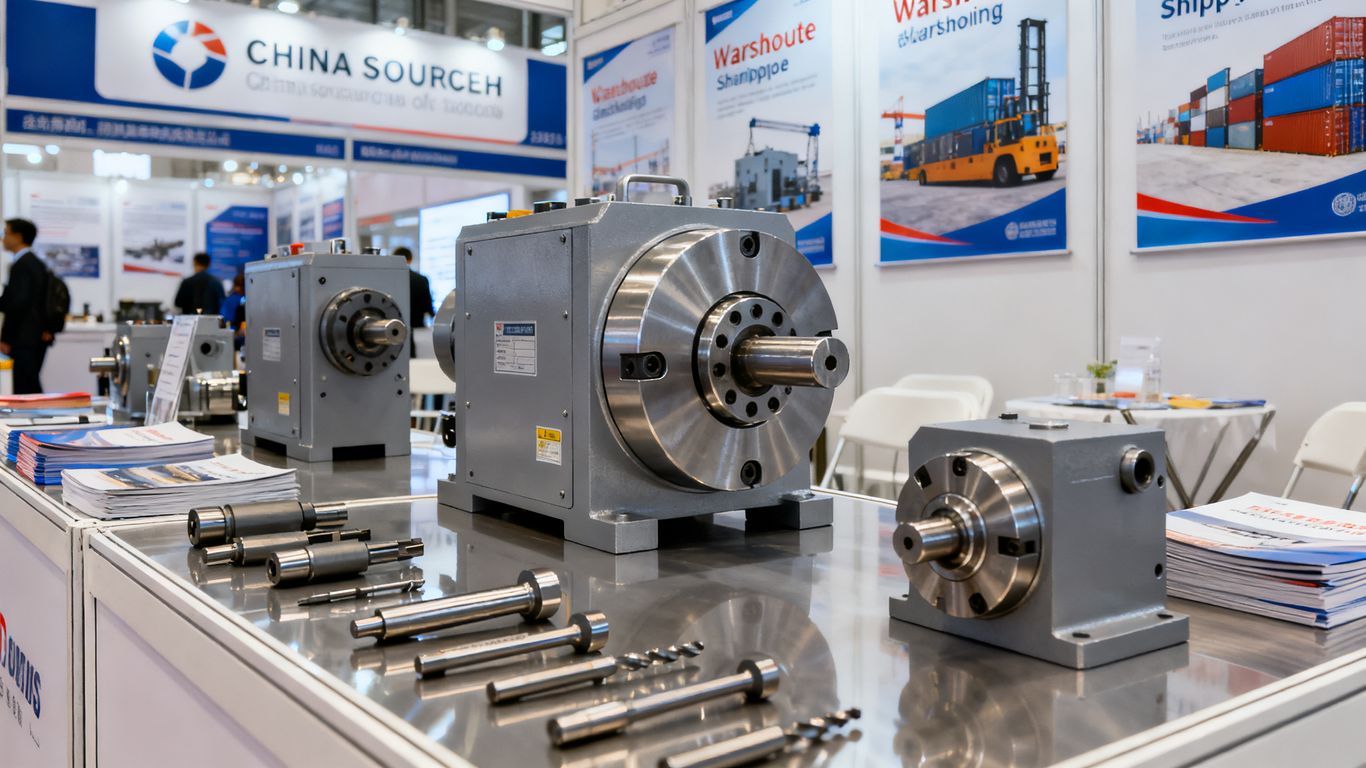
Separating the high-performing factories from the intermediaries requires a skeptical eye and a disciplined approach to questioning. Every booth representative will claim they are the direct manufacturer, but the reality on the ground is frequently much more complex. Distinguishing between actual production capability and trading house marketing is the core skill of a successful sourcing visit.
Distinguishing between trading companies and direct manufacturers
Trading companies are not inherently bad, but they often mask the factory’s true capabilities to secure an order. We look for clues like the depth of the booth display, the staff’s ability to answer complex engineering questions, and the presence of technical blueprints on the walls. If they struggle to explain the production cycle in detail, they are likely just a sales front.
Assessing sample quality versus production reality
The displays at the fair are carefully curated to look perfect under bright lights, but they rarely represent the exact quality of bulk production. Inspect samples for inconsistencies, check the stitching, examine the raw materials, and feel the weight of the components. Always ask to see items directly from the factory floor rather than just the beautiful prototypes displayed under glass.
Screening for potential warning signs during initial talks
Red flags often appear in the way a supplier responds to specific technical questions rather than in their marketing. If a representative brushes off inquiries about ISO standards or refuses to explain their quality inspection process, they are usually trying to hide operational gaps. Trust your instincts when a conversation feels superficial or when the salesperson relies too heavily on buzzwords instead of technical data.
Verifying certifications on-site
Requesting physical copies of certifications such as BSCI, GS, or ISO during the conversation provides immediate proof of operational legitimacy. Most legitimate manufacturers keep these documents filed at their booths specifically for this purpose. If they claim to have them but cannot produce them, treat their claims as unverified until you perform a deeper audit after the event.
Managing onsite communication and negotiation
Gathering information efficiently is a competitive advantage that directly impacts your profit margins once you move to production. We advocate for a rigid, systematic approach to note-taking because the volume of information you process in a single day will be impossible to recall later. Clear data records prevent miscommunications regarding pricing, materials, and expectations that often emerge weeks after the fair concludes.
Establishing clear data collection habits
We find it highly effective to use a mobile app or a standard spreadsheet form that records every interaction immediately after leaving a booth. Document the factory name, the location in the hall, key product features, and the estimated pricing tier discussed during the talk. Do not rely on your memory; the combination of hundreds of supplier pitches will inevitably blur your recollections.
Asking the right questions about MOQ and lead times
Minimum Order Quantities determine whether a manufacturer is viable for your specific project stage, yet this is often the last topic discussed. Push for clarity on how MOQs are calculated and whether they have flexibility for trial runs. Additionally, demand a realistic production lead time that accounts for raw material shortages and seasonal capacity constraints rather than taking the best-case scenario as the standard.
Documenting technical specifications immediately
Technical failure often occurs because of subtle misunderstandings in product design. If you have specific requirements for materials, dimensions, or finishings, verify these against the manufacturer’s data sheet while standing in front of the production manager. This prevents you from later realizing that a vital component was misunderstood or ignored during the quote process.
Ensuring business cards are linked to specific product notes
The traditional exchange of business cards is still the standard, but a card without context is useless the next day. Staple or tape the card directly to your product notes, or use a scanning app that tags the card image to your digital records. Linking the contact info to the specific conversation maintains the necessary, granular context for follow-up.
Following up after the fair
Your work only truly begins once you return home and begin the process of narrowing down your potential partners. Most buyers lose their momentum here by failing to engage suppliers within the first week after the fair concludes. Systematic follow-up is not just about manners; it is a performance test to see how proactive and organized your potential partners truly are.
Organizing supplier data and vendor assessments
Sort your collected data into a matrix that compares suppliers based on price, technical competency, and communication speed. This dashboard format removes emotional bias from your selection process. Focus your efforts on the top 20% of your list that demonstrated the highest alignment with your technical and commercial requirements.
Sending RFQs that prompt actionable responses
Your Request for Quotation must be detailed enough to force the supplier to show their project management capabilities. Include high-resolution images, exact material specifications, and clear packaging requirements in your inquiry. If they respond with a generic pricing sheet, keep looking; if they ask clarifying questions about production, you have found someone with professional intent.
Requesting prioritized samples for quality verification
Never authorize a full production run based on a prototype shown at the fair. Prioritize your list and order samples from your top three choices to test them in real-world conditions. This stage is where you discover the true difference between a polished showroom model and the factory’s ability to maintain a consistent standard across a production run.
Tracking communication speed as a performance indicator
Monitor how long it takes for a potential partner to respond to your technical questions as a proxy for their future service. Suppliers who communicate clearly and quickly during the sample development phase are significantly more likely to provide transparent updates during the bulk production phase. Consistent, prompt communication represents an operational habit that defines your long-term success.
Integrating the fair into your broader sourcing strategy
Many international importers perceive the fair as the only step necessary for establishing a durable supply chain in China. This is a common misconception that results in reliance on factories you have never actually visited. The fair is an opening, not the entire process, and it must be connected to an ongoing inspection cycle if you want to mitigate the risks of international trade.
Why the fair is only one part of the China sourcing process
Think of the event as a networking portal where you filter thousands of options down to a manageable few. It is the beginning of the relationship, meant to establish baseline capability and trust. You still have to manage the procurement, quality control, shipping, and customs clearance steps, which all happen outside the exhibition center. A China sourcing agent typically handles these later stages on your behalf.
Coordinating factory visits after the event concludes
Nothing provides a clearer picture of a supplier’s stability than a site visit within a few days of the exhibition. During a factory tour, check for production volume, workforce morale, and the presence of the exact machinery mentioned during your conversation. If a supplier is unwilling to let you visit their factory, you should immediately disqualify them from your shortlist.
Weighing the value of local market alternatives like Yiwu
For certain categories, other specialized markets often provide more agility than the generalist atmosphere of the fair. Buying hubs like the Yiwu wholesale market focus on wide varieties of small commodities and offer lower MOQs that work better for testing new items. We often see buyers use the fair for big-ticket manufacturing while turning to specialized markets for miscellaneous needs.
Determining when local on-ground support becomes necessary
Managing a cross-border supply chain often requires language proficiency, legal knowledge, and an understanding of local customs culture. When the complexity of your sourcing increases, having a consistent, experienced agent on the ground acts as your eyes and ears. This local presence prevents the minor misunderstandings that become costly production errors before they ever leave the China warehouse.
Let Minden Handle All Your China Import Work
Are you ready to stop worrying about supplier reliability and focus on scaling your product line? Our team offers direct on-the-ground support at the Canton Fair and beyond, ensuring you get the right products from verified manufacturers without the usual headaches. Contact us today to discuss your next sourcing project and see how we can streamline your entire China import operation.
Conclusion
Successfully navigating this massive event depends entirely on the preparation you do before you land and the thoroughness of your follow-up once you return. This canton fair guide for first time buyers is really a reminder to treat every interaction as a data point, keep your long-term sourcing goals in mind, and never rely on initial impressions without verification. By moving from a passive attendee to an active hunter of efficient logistics and reliable production, you will build the sourcing foundation your brand needs to scale.
Frequently Asked Questions
Why do I need a canton fair guide for first time buyers?
Yes, the sheer scale of the event means that without a pre-planned strategy, you will likely lose time in irrelevant halls or fail to capture the critical details of your meetings.
How much time should I allocate for a typical visit?
Phase sessions usually encompass 4 to 5 days, and we suggest attending for at least 3 days to fully explore your specific niche and conduct follow-up conversations.
Should I bring cash for purchases at the booths?
Exhibitors do not sell products directly off the floor; they are there to exhibit samples and discuss bulk orders, so carrying significant cash is unnecessary.
What is the advantage of staying near the exhibition complex?
The complex is massive, and traffic in the surrounding area can be intense, so staying nearby allows you to start your meetings early and return to your hotel to process notes easily.
Can I negotiate production prices during the event?
While you can discuss pricing tiers and general MOQs, official price locking usually requires a formal RFQ process and detailed technical discussions outside of the trade fair environment.
How can I verify if a company is a high-volume factory?
Look for clear documentation of their production capacity, ask detailed technical questions about their machinery, and always insist on a follow-up visit to their facility to inspect the factory floor.
Is it better to visit the fair or hire an agent before going?
Many buyers use the fair to meet factories, while others prefer having an agent do the initial heavy lifting to identify reliable suppliers beforehand, allowing them to use their time at the fair for focused, high-level negotiations.