The global apparel industry is one of the largest and most competitive markets in the world. From small online boutiques to major international fashion brands, businesses across the globe rely heavily on manufacturers in China to produce clothing at scale.
China has been the backbone of the global clothing supply chain for decades. Its manufacturing ecosystem combines skilled labor, advanced production facilities, large textile networks, and efficient logistics infrastructure.
This allows Chinese factories to produce everything from basic cotton T-shirts to high-end fashion garments.
For entrepreneurs and retailers, importing apparel from China offers several advantages:
-
Competitive manufacturing costs
-
Large supplier networks
-
Flexible production capabilities
-
Access to a wide range of fabrics and materials
However, sourcing clothing internationally requires careful planning. Apparel products involve details such as fabric quality, sizing consistency, labeling regulations, and shipping logistics. Small mistakes in these areas can lead to expensive problems.
This guide walks through the complete process of importing apparel from China, from finding manufacturers to calculating total landed costs.
Understanding the Apparel Manufacturing Industry in China

Before starting the sourcing process, it’s helpful to understand how China’s clothing manufacturing industry is structured.
China has specialized production regions that focus on specific types of garments.
Top Major Clothing Production Regions
Several cities and provinces dominate apparel production:
Guangdong Province
Cities like Guangzhou and Shenzhen are major hubs for fashion manufacturing and garment export.
Zhejiang Province
Cities such as Hangzhou and Yiwu specialize in clothing, accessories, and small apparel products.
Jiangsu Province
This region is known for high-quality textiles and premium garment manufacturing.
Fujian Province
Fujian is particularly strong in sportswear and footwear production.
These industrial clusters allow suppliers to access fabric mills, dyeing facilities, printing companies, and packaging providers within the same region.
Types of Apparel Products Available
Chinese manufacturers produce a wide variety of clothing items, including:
-
T-shirts and casual wear
-
Hoodies and sweatshirts
-
Dresses and fashion garments
-
Sportswear and activewear
-
Work uniforms
-
Baby clothing
-
Denim and jeans
-
Jackets and outerwear
Whether you are launching a fashion brand or sourcing wholesale clothing, China offers extensive production options.
How to Import Apparel from China?
Step 1: Research Your Apparel Market

Before contacting manufacturers, you need to understand your target market.
Importing clothing successfully requires more than finding cheap suppliers. You must know who your customers are and what type of apparel they want.
Identify Your Target Customers
Consider factors such as:
-
Age group
-
Gender
-
Lifestyle preferences
-
Price sensitivity
For example, clothing for teenagers may emphasize trendy designs, while professional workwear prioritizes durability and quality.
Understanding your audience helps determine which types of garments to source.
Choose the Right Apparel Niche
The apparel market is extremely broad, so choosing a niche can help you compete more effectively.
Popular niches include:
-
Streetwear brands
-
Fitness apparel
-
Sustainable clothing
-
Children’s clothing
-
Workwear uniforms
Niche markets often allow businesses to build stronger brand identities.
Step 2: Find Reliable Apparel Manufacturers
Once you have defined your product niche, the next step is finding suitable suppliers.
Online Supplier Platforms
Popular sourcing platforms include:
These platforms allow you to compare suppliers, review company profiles, and request quotes.
Look for suppliers with:
-
Verified certifications
-
Several years of export experience
-
Positive customer reviews
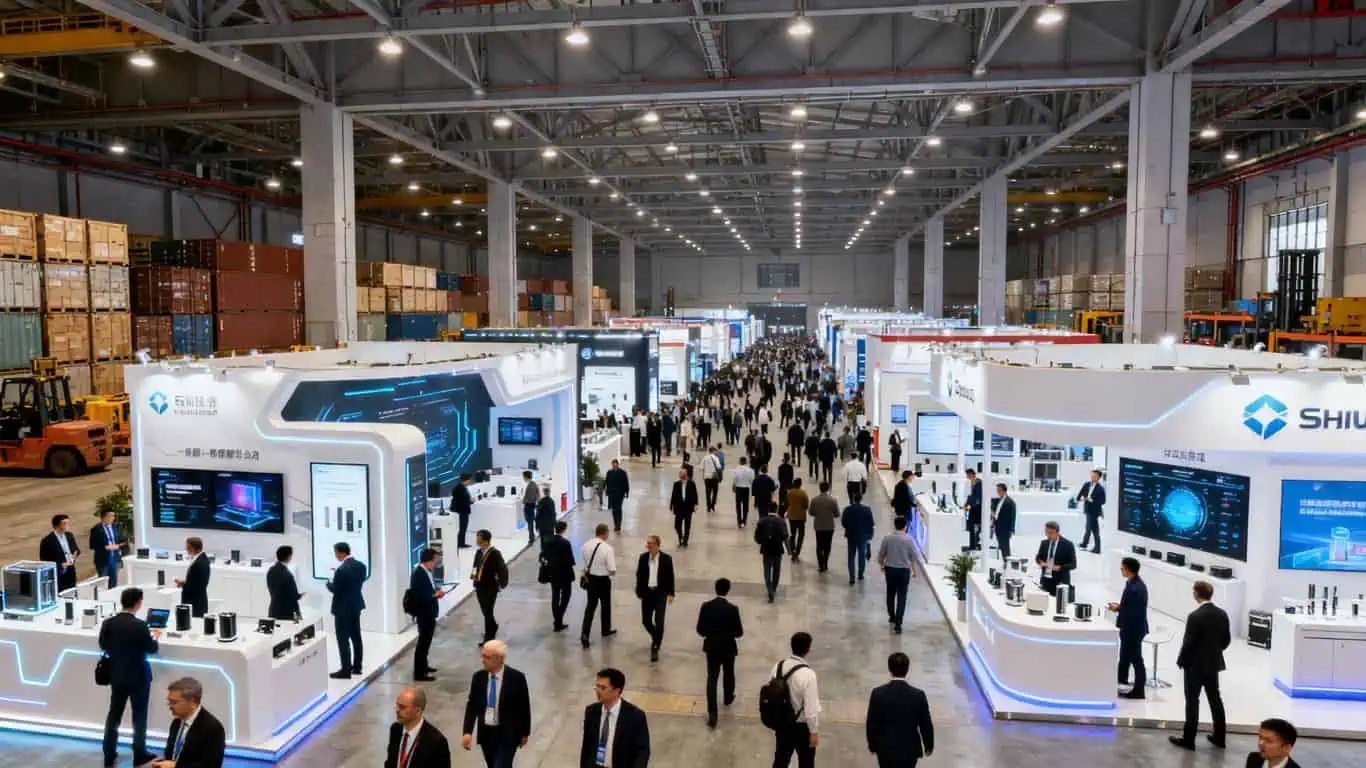
Trade Fairs for Apparel Sourcing
Attending trade fairs in China offers an excellent opportunity to meet manufacturers directly.
Popular apparel exhibitions include:
-
Canton Fair
-
China International Textile & Apparel Expo
-
Shanghai Fashion Trade Shows
Meeting suppliers face-to-face can improve trust and communication.
Trading Company vs Clothing Manufacturer
When sourcing apparel, you may encounter both trading companies and factories.
Manufacturers
-
Direct production facilities
-
Lower prices
-
Better customization options
Trading Companies
-
Wider product range
-
Easier communication
-
Smaller order flexibility
Both options can be suitable depending on your business needs.
Step 3: Evaluate Supplier Credibility
Before placing orders, verify supplier legitimacy.
Supplier Verification Methods
You can check:
-
Business licenses
-
Export records
-
Factory certifications
-
Online reviews
Third-party inspection services can also verify production facilities.
Checking Certifications
Certain apparel products require compliance with safety standards.
Common certifications include:
-
OEKO-TEX (textile safety)
-
GOTS (organic textiles)
-
ISO quality standards
These certifications help ensure product safety and environmental compliance.
Step 4: Request Samples and Check Product Quality

Ordering samples is essential before committing to bulk production.
Fabric Quality and Stitching Standards
Inspect the sample carefully for:
-
Fabric thickness
-
Stitching durability
-
Seam strength
-
Color consistency
These details determine how well the garment will perform over time.
Fit, Sizing, and Durability Testing
Sizing differences between regions can create issues.
Test samples by checking:
-
Size accuracy
-
Washing durability
-
Shrinkage levels
Many brands create detailed size charts to maintain consistency.
Step 5: Understand Pricing and Minimum Order Quantities

Most clothing factories require a Minimum Order Quantity (MOQ).
Typical apparel MOQs range between:
-
200 – 1000 pieces per design
Pricing depends on:
-
Fabric material
-
Production complexity
-
Order quantity
-
Customization level
Negotiating pricing while maintaining quality is an important step.
Step 6: Customize Your Apparel (OEM & Private Label)

Many businesses import apparel using private labeling.
Customization options may include:
-
Logo printing
-
Embroidery
-
Custom fabrics
-
Unique color combinations
-
Custom packaging
OEM manufacturing allows brands to create unique product lines rather than selling generic clothing.
Step 7: Packaging and Labeling Requirements

Clothing imports often require proper labeling.
Labels typically include:
-
Fabric composition
-
Country of origin
-
Care instructions
-
Brand name
Different countries have specific labeling regulations that importers must follow.
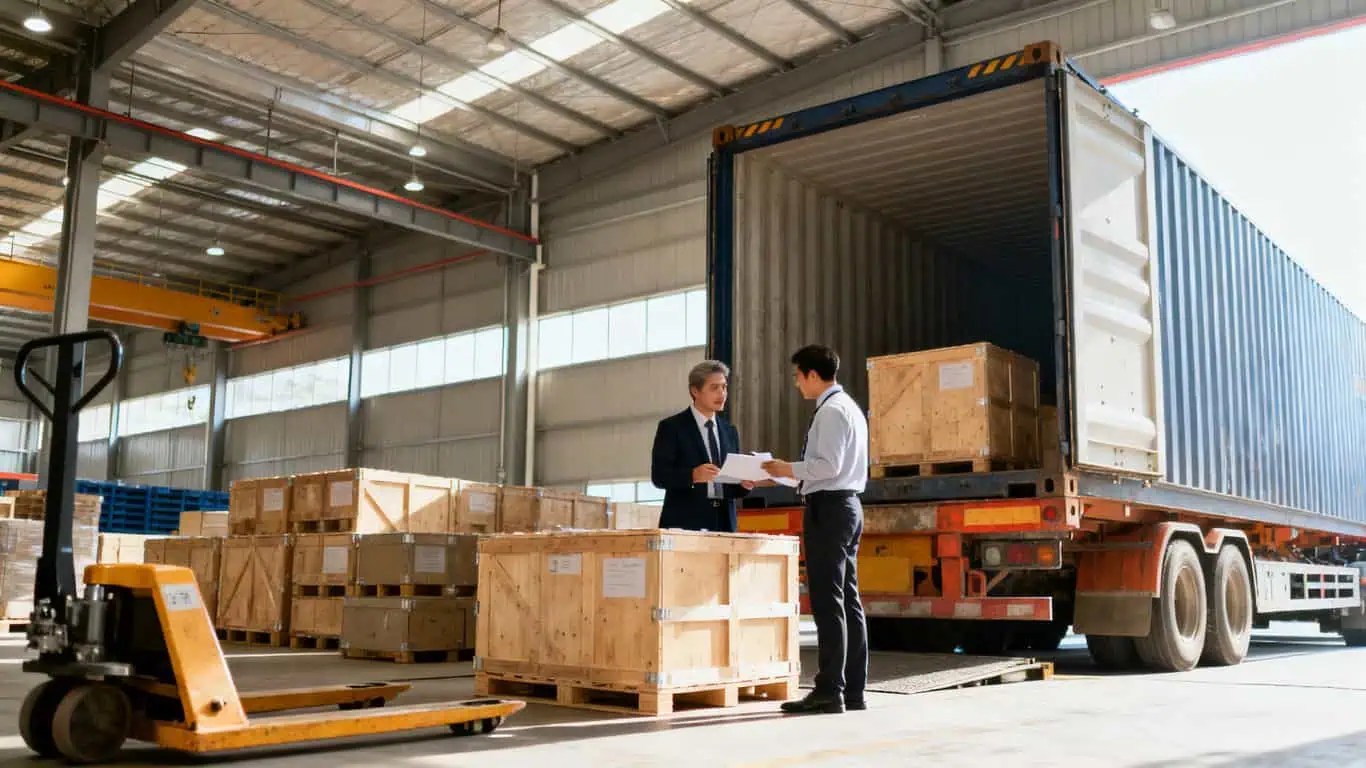
Step 8: Choose the Best Shipping Method

Shipping method depends on shipment size and urgency.
Air Freight
-
Fast delivery (5–10 days)
-
Higher cost
Sea Freight
-
Lower cost for bulk shipments
-
Transit time 20–40 days
Many apparel importers ship large orders by sea to reduce transportation costs.
Step 9: Understand Import Duties and Regulations

Import duties vary depending on the country and product classification.
Clothing often falls under HS codes within the textile category.
Tariff rates may range between 10% and 30% depending on the material and destination country.
Working with a customs broker helps ensure accurate duty calculations.
Step 10: Calculate Total Landed Cost

To determine profitability, calculate your total landed cost.
This includes:
-
Product cost
-
Shipping expenses
-
Import duties
-
Customs fees
-
Local transportation
Accurate cost calculations prevent unexpected financial surprises.
Common Mistakes When Importing Apparel

Importing apparel from China can be a highly profitable business opportunity, but it also comes with several challenges. Many first-time importers underestimate the complexity of sourcing clothing internationally.
Apparel products involve fabrics, sizing standards, stitching quality, labeling regulations, and shipping logistics—all of which must be carefully managed.
Small mistakes during the sourcing or production process can lead to major problems such as poor product quality, delayed shipments, or unsellable inventory. Understanding the most common pitfalls can help businesses avoid costly errors and build a more reliable supply chain.
Below are some of the most frequent mistakes importers make when sourcing apparel from China and how to avoid them. 👕
1. Choosing Suppliers Based Only on Price
One of the biggest mistakes new importers make is selecting a supplier solely because they offer the lowest price.
While competitive pricing is important, extremely low quotes often signal potential problems such as:
-
Lower-quality fabrics
-
Weak stitching or poor workmanship
-
Inexperienced factories
-
Hidden costs later in production
In the apparel industry, small differences in material quality or production standards can greatly affect the final product.
Instead of focusing only on price, evaluate suppliers based on:
-
Manufacturing experience
-
Quality control processes
-
Production capacity
-
Communication reliability
A slightly higher production cost is often worth it if it ensures consistent product quality and fewer returns.
2. Skipping Product Samples
Another common mistake is placing bulk orders without first reviewing samples.
Product photos and digital catalogs rarely reveal the full details of a garment. Important elements such as fabric texture, stitching strength, color accuracy, and sizing cannot be properly evaluated without physical samples.
Ordering samples allows you to:
-
Verify fabric quality
-
Test fit and sizing accuracy
-
Evaluate stitching durability
-
Assess color consistency
Many experienced importers even order multiple sample rounds before finalizing production.
Skipping this step can result in large shipments of clothing that fail to meet expectations.
3. Ignoring Fabric Quality and Material Specifications
Fabric quality is one of the most important aspects of any apparel product. Poor material selection can lead to garments that shrink, fade, or tear after minimal use.
Some manufacturers may substitute lower-quality fabrics if specifications are unclear.
To prevent this issue, clearly define material details such as:
-
Fabric composition (e.g., 100% cotton, polyester blend)
-
Fabric weight (GSM)
-
Colorfastness standards
-
Shrinkage tolerance
Requesting fabric swatches before production can also help confirm material quality.
Clear technical specifications reduce the risk of misunderstandings with manufacturers.
4. Not Checking Supplier Credentials
Not every supplier listed on sourcing platforms is a reliable manufacturer.
Some may be trading companies, while others may have limited production capacity. In rare cases, fraudulent companies may misrepresent their capabilities.
Before placing orders, verify supplier legitimacy by checking:
-
Business registration documents
-
Export history
-
Factory certifications
-
Customer references
You can also request factory photos or videos to better understand their production facilities.
For larger orders, many importers hire third-party inspection companies to audit factories before production begins.
5. Overlooking Size Differences Between Markets
Clothing sizing varies significantly across regions.
For example:
-
Asian sizes are often smaller than US or European sizes.
-
Fit standards may differ between markets.
If size specifications are not clearly communicated, the final products may not fit your target customers properly.
To avoid this issue:
-
Provide detailed size charts
-
Request sample garments in multiple sizes
-
Test products on real customers if possible
Accurate sizing ensures higher customer satisfaction and reduces return rates.
6. Neglecting Quality Control Inspections
Even when working with reliable suppliers, quality control inspections are essential.
Production errors can occur during manufacturing, especially with large orders.
Without inspection, problems such as the following may go unnoticed until the goods arrive:
-
Incorrect stitching
-
Fabric defects
-
Color inconsistencies
-
Incorrect labeling
Many importers hire independent inspection companies that conduct pre-shipment inspections at the factory.
These inspections ensure the products meet quality standards before they leave China.
7. Ignoring Packaging and Labeling Requirements
Clothing products often require specific labeling and packaging standards depending on the destination market.
Common label requirements include:
-
Fabric composition
-
Care instructions
-
Country of origin
-
Brand identification
Failure to meet labeling regulations may result in customs delays or product recalls.
Discuss packaging and labeling details with suppliers early in the production process to ensure compliance.
8. Underestimating Shipping and Logistics Costs
Some importers focus heavily on product pricing but forget to calculate shipping costs accurately.
Apparel shipments involve expenses such as:
-
Freight charges
-
Import duties
-
Customs clearance fees
-
Local transportation
These costs can significantly affect profit margins.
To avoid surprises, calculate the total landed cost before placing orders.
Many businesses work with freight forwarders to estimate shipping expenses in advance.
9. Poor Communication with Manufacturers
Clear communication with suppliers is essential when importing apparel.
Language differences, time zones, and cultural differences can sometimes cause misunderstandings.
To improve communication:
-
Use simple and clear instructions
-
Provide visual references such as design sketches
-
Confirm important details in writing
-
Maintain regular contact during production
Strong communication helps prevent costly production errors.
Real Example: Importing T-Shirts from China
Imagine a small clothing brand importing basic cotton T-shirts.
Order details:
-
1000 units
-
Cost per unit: $4
-
Total product cost: $4000
Shipping and duties bring the total cost to approximately $5200.
If the shirts retail for $15 each, the business generates strong profit margins.
Conclusion
Importing apparel from China remains one of the most accessible ways for entrepreneurs and retailers to build profitable clothing businesses.
China’s massive manufacturing ecosystem, skilled labor force, and advanced textile supply chains allow businesses to produce high-quality garments at competitive prices.
However, successful apparel importing requires careful planning. Selecting reliable suppliers, verifying product quality, understanding shipping logistics, and calculating total landed costs are all essential steps.
By following a structured sourcing process and building strong relationships with manufacturers, businesses can create sustainable and scalable apparel brands.
FAQs About Import Apparel from China

1. Is it profitable to import clothing from China?
Yes. Many fashion brands rely on Chinese manufacturing due to competitive production costs and large supplier networks.
2. What is the typical MOQ for apparel manufacturing?
Most factories require minimum orders between 200 and 1000 pieces per design.
3. How long does clothing production take in China?
Production usually takes 20–40 days, depending on order size and customization.
4. Can I create a private label clothing brand in China?
Yes. Many manufacturers offer OEM services including logo printing and custom designs.
5. What is the best shipping method for clothing imports?
Sea freight is usually the most economical option for large apparel shipments.