If you’ve ever thought about starting a car wash business—or upgrading your current setup—you’ve probably noticed something interesting: most of the equipment available globally comes from China. And that’s not by accident.
China has quietly become the backbone of the global car wash equipment supply chain. From small self-service units to fully automated tunnel systems stretching over 150 feet, Chinese manufacturers produce a massive share of the world’s car wash machinery.
But why? Simple. Scale, cost efficiency, manufacturing expertise, and supply chain dominance.
Over the past two decades, China invested heavily in industrial automation and metal fabrication technologies. Combine that with affordable labor, a strong electronics sector, and export-focused policies, and you’ve got a powerhouse manufacturing hub.
Today, thousands of factories specialize in high-pressure pumps, PLC control panels, conveyor systems, water recycling units, and automated brush assemblies—all essential components of modern car wash systems.
For entrepreneurs, investors, and car wash operators, this presents a massive opportunity. Equipment from Europe or the U.S. can cost 30–60% more than comparable Chinese models. For a startup working with limited capital, that difference can determine whether the business launches this year—or never.
But here’s the real question: Is cheaper always better?
Not necessarily. The key lies in understanding manufacturers, cost structures, certifications, and long-term ROI. That’s exactly what this guide will walk you through—step by step.
Whether you’re planning a small self-service station or a fully automated tunnel wash, you’ll learn how to evaluate suppliers, calculate total investment, and maximize your return.
Ready to dive in? Let’s break it down.
Types of Car Wash Equipment Available from China

China doesn’t just produce one type of car wash system. It manufactures nearly every configuration imaginable. That variety gives buyers flexibility—but it can also feel overwhelming.
Let’s simplify it.
Chinese factories typically manufacture five main categories of car wash equipment: automatic tunnel systems, touchless systems, self-service bays, mobile units, and water recycling systems. Each one targets a different business model, investment size, and customer experience.
The beauty of sourcing from China is customization. Many manufacturers offer OEM and ODM services, meaning you can modify branding, software interfaces, washing programs, payment integrations, and even structural dimensions.
For example:
-
Want a tunnel system optimized for SUVs? They’ll adjust the frame height.
-
Need integration with license plate recognition? They’ll embed the software.
-
Prefer cashless payments only? No problem.
Chinese manufacturers are highly adaptable because competition is fierce. Factories constantly innovate to differentiate themselves.
But here’s the catch: not all equipment suits every market. A dense urban location may benefit from a compact in-bay automatic system, while a suburban highway location might generate more profit with a long conveyor tunnel system.
Before you even request a quote, you must understand the different types available—and how they align with your business goals.
Let’s explore each one in detail.
Automatic Tunnel Car Wash Systems
Automatic tunnel car wash systems are the heavyweights of the industry. These are the long conveyor-based systems where vehicles move through a series of washing, scrubbing, rinsing, waxing, and drying stages.

Chinese manufacturers produce tunnel systems ranging from 15 meters to over 45 meters in length. Most systems include:
-
Conveyor belt or chain-driven vehicle transport
-
High-pressure pre-wash arches
-
Foam sprayers
-
Soft cloth or foam brushes
-
Wax application systems
-
High-powered drying blowers
-
PLC control systems
Pricing from China typically ranges between $35,000 and $120,000 depending on length, automation level, and add-ons. Compare that to Western systems that often start at $100,000 and can exceed $300,000.
That’s a significant cost difference.
Tunnel systems are ideal for high-traffic areas because they can wash 40–120 cars per hour. If you’re operating in a busy metropolitan area, this setup maximizes throughput and revenue potential.
However, installation is complex. You’ll need:
-
Adequate land space
-
Proper drainage
-
Electrical infrastructure
-
Water recycling systems
Chinese suppliers often provide remote installation guidance via video calls and manuals, but some buyers choose to hire local engineers.
When calculating ROI, tunnel systems offer the highest revenue potential—but also require the highest upfront investment.
Is it worth it? We’ll calculate that later.
Touchless Car Wash Systems
Touchless systems are becoming increasingly popular, especially in regions where customers worry about paint scratches. These systems rely entirely on high-pressure water jets and chemical detergents—no brushes involved.

Chinese touchless car wash systems generally cost between $15,000 and $50,000, depending on automation features and drying power.
Key components include:
-
High-pressure pumps (often 90–120 bar)
-
Rotating spray arms
-
Chemical injection systems
-
Programmable wash cycles
-
Integrated drying units
The biggest selling point? Reduced mechanical wear and lower maintenance compared to brush systems.
But there’s a tradeoff. Touchless systems depend heavily on chemical strength. In heavily soiled vehicles, performance may not match friction-based systems unless premium detergents are used.
From an operational perspective, these systems consume more electricity due to powerful pumps. However, maintenance costs are often lower since there are fewer moving mechanical parts.
For startup operators, touchless systems provide a mid-range investment option. They’re cheaper than full tunnel systems but still deliver automated convenience.
And yes—many Chinese manufacturers now offer smart features like:
-
Mobile payment integration
-
Remote diagnostics
-
Self-cleaning nozzles
Technology is no longer exclusive to Western brands.
Self-Service Car Wash Equipment
Self-service car wash equipment is often the entry point for entrepreneurs stepping into the car wash industry. Why? Because it’s affordable, scalable, and surprisingly profitable when managed correctly.

Chinese manufacturers have mastered this category, producing durable, coin- or card-operated systems that are exported worldwide.
A typical self-service setup includes:
-
High-pressure spray gun
-
Foam brush system
-
Coin or card payment terminal
-
Water heating system
-
Chemical dosing pumps
-
Control panel with timer
The cost from Chinese suppliers generally ranges between $2,000 and $8,000 per bay, depending on configuration and payment technology.
If you’re planning a four-bay operation, your total equipment investment might stay under $30,000—far less than automated alternatives.
What makes self-service models attractive is flexibility. You can start small—just two bays—and expand later. Chinese manufacturers often allow modular expansion, meaning you can add bays without replacing your entire system.
Operational costs are relatively predictable:
-
Water consumption
-
Electricity for pumps
-
Cleaning chemicals
-
Routine maintenance
The profit margin comes from time-based billing. Customers pay for every minute. Even during slower days, fixed costs remain manageable. And in regions where labor is expensive, this setup shines because it requires minimal staffing.
However, location is everything. Self-service systems thrive in suburban or residential areas where customers are price-sensitive and prefer washing their vehicles manually.
The biggest risk? Vandalism or coin theft in some regions. But many modern Chinese systems now integrate cashless payment methods like QR code scanning, NFC, and mobile apps—reducing that concern.
For beginners testing the waters, self-service equipment from China offers one thing above all: a low-risk starting point with scalable upside.
Mobile Car Wash Machines
Now let’s talk mobility. Not every car wash business needs a fixed location. Mobile car wash machines from China are gaining serious traction, especially in urban markets where convenience sells.

These systems are compact, portable, and often mounted on:
-
Small trailers
-
Vans
-
Pickup trucks
-
Compact carts
Most units include:
-
Water tank (200–1000 liters)
-
High-pressure washer
-
Foam tank
-
Portable generator or battery system
-
Vacuum cleaner
-
Hose and spray equipment
Prices typically range between $1,500 and $10,000, depending on size and automation level. Compared to building a physical car wash location, the startup cost is dramatically lower.
Here’s where the opportunity lies: mobile services can charge premium pricing. Customers love convenience. Washing cars at office parking lots, residential complexes, or corporate fleets creates recurring revenue.
Chinese manufacturers have improved quality significantly in recent years. Stainless steel frames, durable pumps, and corrosion-resistant components are now standard in many export models.
But keep this in mind—water supply and disposal regulations vary by country. Some regions require wastewater collection systems to prevent environmental contamination. Many Chinese suppliers now offer add-on filtration units to meet compliance requirements.
Mobile car wash businesses can scale by adding more vehicles rather than building infrastructure. It’s lean, flexible, and ideal for entrepreneurs who prefer mobility over real estate investment.
If you’re operating in a high-density city with limited space, mobile equipment from China might be your smartest move.
Water Recycling Systems
Water is money in the car wash business. And in many regions, it’s also a regulatory concern. That’s where water recycling systems come into play.
Chinese manufacturers produce advanced water reclamation systems designed to reuse up to 70–90% of wash water. These systems include:
-
Sedimentation tanks
-
Oil-water separators
-
Multi-stage filtration
-
Sand filters
-
Carbon filters
-
UV sterilization (in higher-end models)
Prices typically range between $5,000 and $25,000, depending on capacity and filtration complexity.
Why invest in one?
First, it reduces water bills significantly. If your tunnel system uses 150 liters per vehicle and you wash 100 cars per day, that’s 15,000 liters daily. Recycling can cut that dramatically.
Second, environmental regulations are tightening globally. Many municipalities now require commercial car washes to implement water recycling systems. Without one, you may not even receive a business license.
Third, it improves public perception. Eco-friendly branding attracts environmentally conscious customers.
Chinese water recycling systems are generally cost-effective compared to Western alternatives, often delivering similar filtration performance at 30–50% lower prices.
Maintenance is critical, though. Filters need cleaning, sediment tanks require periodic emptying, and pumps must be monitored. Spare parts availability is an important factor when selecting a supplier.
Investing in water recycling isn’t just about compliance—it’s about long-term operational savings and sustainability positioning.
Leading Car Wash Equipment Manufacturers in China
Choosing the right manufacturer is where most buyers either win big—or regret their decision.
China has thousands of equipment factories, but only a fraction specialize in car wash systems. Among those, quality levels vary widely.

Top manufacturers usually have:
-
10+ years of export experience
-
ISO9001 certification
-
CE certification for European markets
-
In-house R&D teams
-
Overseas distribution networks
Many reputable factories are located in provinces like Guangdong, Shandong, and Zhejiang—regions known for industrial manufacturing.
When evaluating suppliers, focus on:
-
Factory size and production capacity
-
Export markets (do they serve Europe, Australia, Middle East?)
-
Warranty terms (1–3 years is common)
-
After-sales support responsiveness
-
Spare parts availability
Here’s an important distinction: some “manufacturers” listed online are actually trading companies. While trading companies aren’t necessarily bad, they may add markups and lack technical depth.
The safest approach?
-
Request factory videos
-
Conduct third-party inspections
-
Ask for customer references
-
Verify certifications directly
OEM (Original Equipment Manufacturer) factories produce equipment under your brand. ODM (Original Design Manufacturer) factories offer pre-designed models you can customize slightly.
If branding matters to you, OEM partnerships provide flexibility.
The key takeaway: don’t chase the cheapest quote. Balance cost, support, certification, and communication quality. A slightly higher upfront price can save thousands in maintenance headaches later.
Cost Breakdown of Car Wash Equipment from China
When people ask, “How much does it cost?” they usually mean the equipment price. But that’s only part of the story.

Let’s break down the full cost structure.
Equipment Price Ranges
| Equipment Type | Price Range (USD) |
|---|---|
| Self-Service Bay | $2,000 – $8,000 |
| Touchless System | $15,000 – $50,000 |
| Automatic Tunnel | $35,000 – $120,000 |
| Mobile Unit | $1,500 – $10,000 |
| Water Recycling | $5,000 – $25,000 |
These are FOB (Free On Board) China prices. They do not include shipping or import duties.
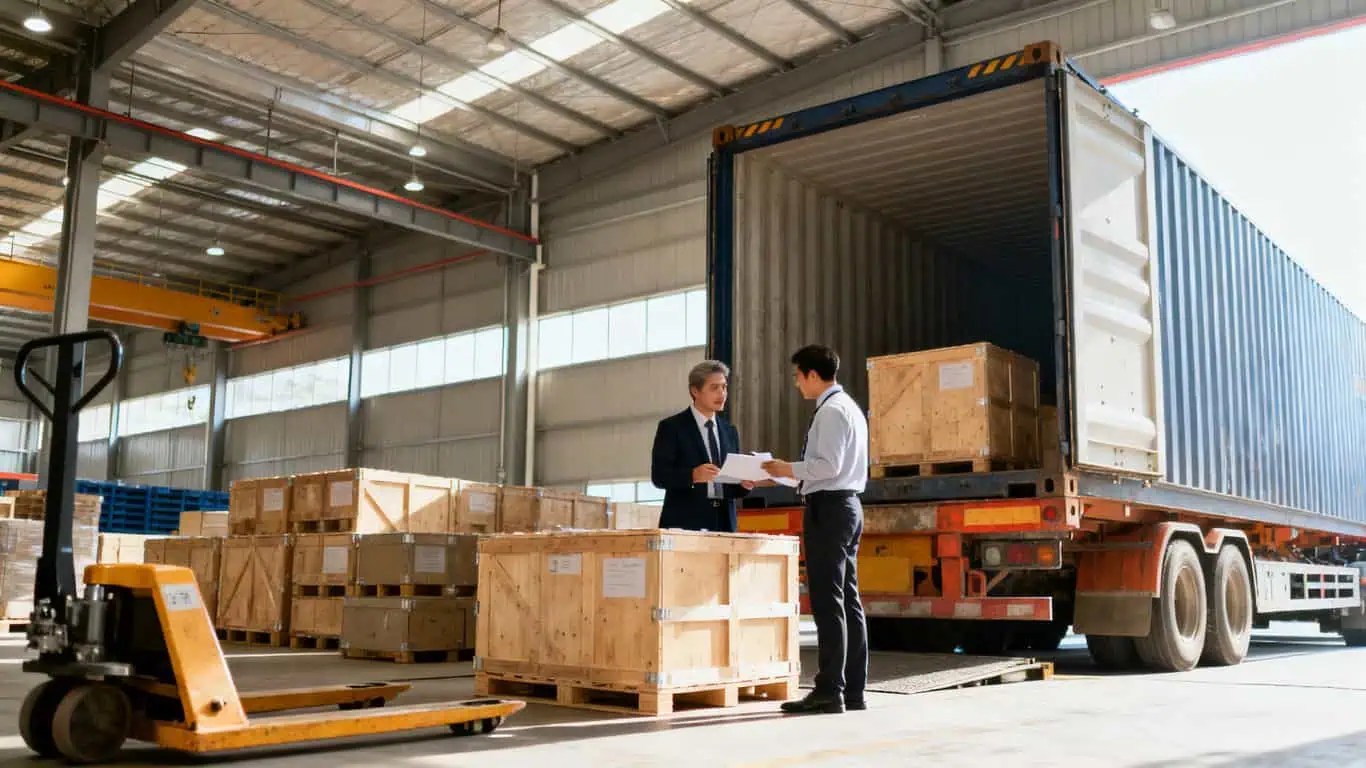
Shipping and Logistics Costs
Shipping large equipment isn’t cheap. Tunnel systems often require multiple containers.
Estimated costs:
-
20ft container: $2,000 – $5,000
-
40ft container: $3,000 – $8,000
Costs vary by region and global freight conditions.
You’ll also pay:
-
Inland transportation
-
Port handling fees
-
Customs brokerage
Import Duties and Taxes
Import duties vary by country. Car wash equipment may fall under machinery classification codes. Some countries impose 5–20% import duty plus VAT.
Always check your local customs regulations before purchasing.
Installation and Setup Costs
Installation costs depend on system complexity. Tunnel systems may require:
-
Concrete foundation
-
Electrical wiring
-
Plumbing infrastructure
-
Drainage system
Budget anywhere from $10,000 to $50,000 depending on scale.
Understanding total landed cost—not just factory price—is crucial for accurate ROI calculation.
Comparing Chinese Equipment vs Western Brands
Let’s address the elephant in the room. Is Chinese car wash equipment really comparable to Western brands?
For years, buyers assumed that Western manufacturers automatically meant better quality. That perception is changing fast.
Today, many Chinese factories use the same PLC controllers (Siemens, Mitsubishi), stainless steel grades, and industrial pumps as European manufacturers. The difference often lies in branding, marketing, and distribution margins.
But let’s break this down logically.
Price Comparison Table
| Equipment Type | Chinese Brand (USD) | Western Brand (USD) |
|---|---|---|
| Self-Service Bay | $2,000 – $8,000 | $8,000 – $20,000 |
| Touchless System | $15,000 – $50,000 | $50,000 – $120,000 |
| Tunnel System | $35,000 – $120,000 | $100,000 – $300,000+ |
| Water Recycling | $5,000 – $25,000 | $20,000 – $60,000 |
The savings are obvious. In some cases, you’re paying 40–60% less upfront.
Quality and Durability
Here’s where nuance matters.
Top-tier Chinese manufacturers produce durable machines that last 8–15 years with proper maintenance. However, lower-tier factories may cut corners—using thinner steel frames, cheaper wiring, or lower-grade pumps.
Western brands typically emphasize heavy-duty construction and long warranties. They also have established dealer networks, which simplifies spare parts procurement.
The key is this: when sourcing from China, quality depends heavily on supplier selection. It’s not about “China vs West.” It’s about factory A vs factory B.
Technology & Automation
Chinese equipment has advanced significantly in automation. Many systems now include:
-
Touchscreen control panels
-
Remote monitoring apps
-
Cashless payment integration
-
License plate recognition
-
AI-based wash optimization
Western brands still lead in premium software ecosystems and integrated fleet management systems, but the gap is narrowing every year.
If budget is tight, Chinese equipment often delivers 80–90% of the functionality at half the cost. For most operators, that trade-off makes financial sense.
Quality Standards and Certifications

Before importing, you must understand compliance. Equipment isn’t just about performance—it must meet safety and environmental standards in your country.
Reputable Chinese manufacturers usually carry:
-
CE Certification (for European markets)
-
ISO9001 Quality Management Certification
-
CCC Certification (China Compulsory Certification)
-
Electrical compliance documents
If you’re importing into the EU, CE marking is non-negotiable. For North America, you may need UL compliance or electrical modifications.
Don’t just accept a certificate PDF. Verify:
-
Certification number
-
Issuing body
-
Expiry date
Environmental compliance is equally important. Water recycling systems must meet wastewater discharge standards in many countries. Some governments require oil-water separation performance reports.
Another often-overlooked factor? Voltage compatibility. China uses 220V/50Hz. Your country may use 110V/60Hz. Ensure motors and control panels are configured correctly before shipment.
Compliance mistakes can delay customs clearance or require expensive modifications after arrival.
Always clarify certification requirements before placing a deposit.
How to Calculate ROI on Chinese Car Wash Equipment

Let’s talk numbers. Because at the end of the day, ROI determines whether your investment makes sense.
Revenue Models
Car wash revenue typically comes from:
-
Per-wash fees
-
Membership subscriptions
-
Add-on services (wax, tire shine, interior cleaning)
-
Fleet contracts
Example pricing:
-
Basic wash: $8
-
Premium wash: $15
-
Monthly membership: $30–$50
A mid-sized automatic system washing 60 cars per day at an average of $10 per wash generates:
60 × $10 × 30 days = $18,000 per month
That’s $216,000 annually.
Operational Expenses
Typical monthly expenses include:
-
Water and electricity
-
Detergents and chemicals
-
Maintenance and repairs
-
Staff wages (if applicable)
-
Rent or land lease
Estimated operational cost: $5,000–$8,000 per month depending on location.
ROI Formula & Real Example
Let’s assume:
-
Total investment (equipment + installation): $100,000
-
Annual revenue: $216,000
-
Annual operating cost: $84,000
Net annual profit: $132,000
ROI = (Net Profit ÷ Investment) × 100
ROI = ($132,000 ÷ $100,000) × 100 = 132%
That means you could potentially recover your investment in under one year.
Even if traffic is lower—say 40 cars per day—you may still achieve full payback within 18–24 months.
That’s why car wash businesses are considered high-margin when properly located and managed.
Common Risks and How to Avoid Them
Importing equipment isn’t risk-free. But most problems are preventable.
Quality Risks
Solution:
-
Order third-party inspection before shipment
-
Request production photos and testing videos
Shipping Delays
Solution:
-
Work with experienced freight forwarders
-
Avoid peak shipping seasons if possible
Spare Parts Availability
Solution:
-
Order critical spare parts with your initial shipment
-
Confirm parts can be shipped by air if urgent
Communication Barriers
Solution:
-
Work with suppliers with strong English-speaking sales engineers
-
Clarify everything in written contracts
Preparation minimizes headaches.
Step-by-Step Guide to Importing Car Wash Equipment from China

-
Research Suppliers
Use trade platforms, exhibitions, and referrals. -
Request Detailed Quotations
Confirm specifications, voltage, dimensions, included components. -
Verify Certifications
Double-check authenticity. -
Negotiate Payment Terms
Common terms: 30% deposit, 70% before shipment. -
Conduct Inspection
Hire third-party inspection agency if necessary. -
Arrange Shipping
Choose between FOB or CIF terms. -
Customs Clearance
Work with local customs broker. -
Installation & Testing
Follow technical manuals or hire engineers.
Taking structured steps reduces risk dramatically.
Future Trends in China’s Car Wash Equipment Industry
The future is smart and sustainable.
Chinese manufacturers are investing heavily in:
-
AI-powered wash optimization
-
Fully unmanned car wash stations
-
Solar-powered systems
-
Advanced water recycling technology
-
Cloud-based performance monitoring
Cashless payments are becoming standard. Customers scan QR codes, pay through apps, and receive digital receipts instantly.
Eco-conscious innovation is accelerating too. Water-saving spray nozzles, biodegradable detergents, and energy-efficient motors are becoming industry norms.
If you’re investing now, consider equipment that supports future upgrades. Technology evolves quickly.
Conclusion
Car wash equipment from China offers a powerful opportunity for entrepreneurs and investors looking to enter or expand in the car wash industry.
With significantly lower upfront costs, flexible customization options, and rapidly improving technology, Chinese manufacturers provide competitive alternatives to Western brands.
The key to success lies in due diligence—choosing reliable suppliers, verifying certifications, calculating total landed costs, and realistically projecting ROI. When executed properly, importing from China can deliver impressive returns, often allowing operators to recover their investment within one to two years.
In a growing global car ownership market, demand for professional car washing services continues to rise. With smart planning and informed sourcing, Chinese car wash equipment can become a highly profitable long-term asset.
FAQs About Car Wash Equipment from China

1. Is car wash equipment from China reliable?
Yes, if sourced from reputable manufacturers with proper certifications and quality control processes.
2. How long does shipping take from China?
Typically 20–45 days depending on destination and shipping method.
3. What is the average lifespan of Chinese car wash equipment?
8–15 years with proper maintenance.
4. Can I get spare parts easily?
Most established manufacturers supply spare parts internationally via air freight when needed.
5. What is the minimum investment to start a car wash using Chinese equipment?
A basic self-service setup can start around $20,000–$30,000 including installation.