If you’ve ever wondered why so many furniture stores, hotels, Airbnb hosts, and interior designers source their products from China, the answer is simple: scale, price, and variety.
China has become the world’s manufacturing powerhouse, and furniture is one of its strongest industries. Whether you’re starting a furniture business, furnishing a hotel, or simply trying to reduce costs for bulk purchases, buying furniture from China can be a game-changer.
But here’s the truth — importing furniture isn’t just about clicking “Order Now” on Alibaba. It’s a process. A detailed one.
From finding reliable suppliers to understanding shipping logistics, quality control, and customs clearance, there are multiple moving parts. Miss one step, and things can get expensive very quickly.
The good news? Once you understand the system, it becomes predictable. Structured. Almost mechanical.
This guide walks you through everything — from finding suppliers in Foshan to negotiating better prices, inspecting quality, handling freight, and clearing customs. By the end, you’ll know exactly how to buy furniture from China the right way.
Let’s break it down step by step.
Why Buy Furniture from China?

There’s a reason China supplies a massive portion of the world’s furniture. Actually, there are several.
First, cost efficiency. Manufacturing costs in China are significantly lower compared to many Western countries.
This means better margins if you’re reselling, or substantial savings if you’re buying in bulk.
Second, variety. You can find everything from minimalist Scandinavian designs to luxury European-inspired collections, custom-made sofas, modular office systems, and even fully customized hotel packages.
It’s like walking into the world’s largest furniture mall — except it’s an entire country.
Third, customization. Many Chinese factories offer OEM and ODM services. Want to tweak the fabric? Change dimensions? Add your logo? Modify packaging? Most manufacturers are happy to accommodate — especially for bulk orders.
Fourth, scalability. If your business suddenly needs 500 dining sets instead of 50, Chinese factories can usually handle that jump without blinking.
But here’s the thing — not every supplier is equal. The advantages are real, but so are the risks. That’s why understanding the buying process matters so much.
Types of Furniture You Can Import
When people think about importing furniture from China, they often imagine a few basic items—maybe sofas, dining tables, or office chairs. But the reality?
The range is enormous. China’s furniture manufacturing ecosystem is like a massive buffet—you can pick exactly what fits your market, your brand, or your project.
Whether you’re launching an eCommerce store, furnishing a hotel, supplying retail outlets, or managing real estate projects, there’s a category tailored to your needs.
Let’s break it down clearly so you can see where the opportunities really are.
Home Furniture

Home furniture is the largest and most commonly imported category. This includes everything that turns a house into a living space.
You can import:
-
Sofas and sectionals
-
Beds and bed frames
-
Wardrobes and closets
-
Dining tables and chairs
-
Coffee tables and side tables
-
TV stands and media consoles
-
Storage cabinets and bookshelves
China produces both flat-pack furniture (like ready-to-assemble pieces) and fully assembled furniture. Flat-pack options reduce shipping costs and are ideal for online retailers. Fully assembled items are better suited for premium markets or large residential projects.
Another major advantage? Style diversity. You’ll find:
-
Modern minimalist designs
-
Scandinavian-inspired pieces
-
Classic European styles
-
Industrial loft aesthetics
-
Luxury upholstered collections
If you’re building a brand, you can also customize fabrics, wood finishes, foam density, hardware quality, and packaging. That level of flexibility makes China especially attractive for private-label businesses.
Office Furniture

Office furniture is one of the fastest-growing import categories, especially with the rise of startups, co-working spaces, and home offices.
This category includes:
-
Ergonomic office chairs
-
Height-adjustable desks
-
Executive desks
-
Workstations and cubicles
-
Conference tables
-
Filing cabinets
-
Reception desks
Many Chinese manufacturers specialize in ergonomic engineering and export heavily to Europe and North America. Some factories even comply with international certifications like BIFMA or ISO standards.
If you’re targeting corporate clients, durability and certification matter more than price alone. A $20 cheaper chair doesn’t help if it breaks within six months. In this category, focus on:
-
Weight capacity
-
Material strength
-
Warranty terms
-
Foam quality
-
Mechanism durability
Office furniture also offers strong repeat business. Companies expand. Teams grow. That means recurring orders if you build trust with your buyers.
Hospitality Furniture

Now this is where volume gets interesting.
Hospitality furniture includes:
-
Hotel bedroom sets
-
Lobby sofas
-
Reception desks
-
Restaurant tables and chairs
-
Bar stools
-
Banquet seating
-
Resort outdoor sets
Unlike standard retail furniture, hospitality furniture is often project-based. Hotels may require 200–500 rooms furnished at once. Restaurants may need uniform seating for an entire franchise chain.
Chinese factories are well-equipped for these bulk orders. Many offer complete project solutions, meaning they manufacture everything according to your layout and interior design plans.
Durability is critical here. Hospitality furniture must handle heavy daily usage. Look for:
-
Commercial-grade materials
-
Fire-retardant fabrics
-
Scratch-resistant finishes
-
Reinforced joints
Margins in hospitality sourcing can be significant, especially if you act as a middle supplier between factories and property developers.
Outdoor Furniture

Outdoor furniture is another strong category with global demand.
You can import:
-
Rattan patio sets
-
Aluminum lounge chairs
-
Garden dining sets
-
Sun loungers
-
Outdoor daybeds
-
Balcony furniture
-
Poolside seating
Outdoor products require weather-resistant materials. The most common materials you’ll encounter include:
-
PE rattan
-
Powder-coated aluminum
-
Teak wood
-
Synthetic wicker
-
Waterproof cushions
If your market experiences extreme weather, make sure you verify UV resistance and anti-rust coatings. Outdoor furniture often faces more returns if quality isn’t properly checked.
One major advantage? Outdoor sets are often sold in bundles, increasing your average order value and profitability.
Custom and OEM Furniture

This is where things get exciting if you want to build your own brand.
OEM (Original Equipment Manufacturing) and ODM (Original Design Manufacturing) services allow you to:
-
Modify dimensions
-
Change materials
-
Add branding
-
Customize packaging
-
Create entirely new designs
Have a unique sofa concept? A distinctive chair style? A specific wood finish in mind? Many factories can produce according to your drawings or 3D designs.
This option is ideal if you:
-
Run a private-label business
-
Want exclusive product lines
-
Supply architects or interior designers
-
Serve niche markets
Keep in mind: custom production usually requires higher MOQs and longer lead times. But it also reduces direct competition because your product won’t be identical to thousands of others online.
Children’s Furniture

Children’s furniture is another growing niche.
This includes:
-
Bunk beds
-
Study desks
-
Toy storage units
-
Kids’ wardrobes
-
Montessori-style furniture
Safety certifications are critical here. Make sure products comply with your country’s child safety regulations. Rounded edges, non-toxic paint, and sturdy construction are non-negotiable.
Parents are willing to pay more for safety and design, which can translate into strong margins.
Luxury and High-End Furniture
Many people assume China only produces budget furniture. That’s outdated thinking.
China manufactures high-end furniture for luxury brands worldwide. You can source:
-
Italian-inspired leather sofas
-
Marble dining tables
-
Solid wood handcrafted pieces
-
Designer lighting and accent furniture
The key difference here is factory selection. High-end manufacturers are usually located in specialized industrial zones and may not be the cheapest option. But quality can rival European brands at a fraction of the cost.
Modular and Smart Furniture
This category is growing fast, especially in urban markets.
Examples include:
-
Modular sofas
-
Foldable furniture
-
Storage beds
-
Smart desks with charging ports
-
Space-saving furniture for small apartments
As living spaces shrink, demand for multifunctional furniture increases. Importing innovative designs can help you stand out in competitive markets.
Final Thoughts on Choosing the Right Category
So how do you choose?
Ask yourself:
-
Who is my target market?
-
What price range am I aiming for?
-
Do I want high volume or high margin?
-
Am I building a brand or trading products?
China offers everything—from budget-friendly flat-pack furniture to fully customized luxury collections. The opportunity isn’t limited by supply. It’s limited by strategy.
Choose your category wisely, partner with the right manufacturer, and you’ll unlock a supply chain that can scale with your ambitions.
Understanding China’s Major Furniture Markets

Not all furniture in China comes from the same region.
Foshan (Lecong Furniture Market)
This is the heart of China’s furniture industry. If you visit China for sourcing, this is the place to go. Thousands of showrooms. Massive variety. It’s overwhelming — but incredibly efficient.
Guangzhou
Great for trade shows and exhibitions, including the Canton Fair.
Shenzhen
More design-focused and modern furniture manufacturers.
Yiwu
Known for smaller-scale products and wholesale markets.
If you’re serious about large-volume sourcing, Foshan is often the best starting point.
How to Find Reliable Furniture Suppliers
You have four main methods:
-
Online Platforms – Alibaba, Made-in-China, and Global Sources.
-
Trade Shows – Canton Fair, CIFF (China International Furniture Fair).
-
Direct Factory Visits – Best for large buyers.
-
Sourcing Agents – Helpful if you can’t travel.
When using online platforms, always:
-
Check supplier verification status
-
Look at transaction history
-
Read reviews
-
Ask for factory videos
-
Request certifications
Never rely on price alone. The cheapest quote often becomes the most expensive mistake.
Evaluating a Supplier Before Placing an Order
This step separates smart buyers from frustrated ones.
Ask for:
-
Business license
-
Export license
-
Product certifications (if applicable)
-
Factory audit reports
-
Physical samples
Samples are critical. Yes, they cost money. Yes, shipping is expensive. But think of it as insurance. Would you buy a car without seeing it first?
Also, evaluate communication. Are they responsive? Clear? Professional? Poor communication early on usually gets worse later.
Minimum Order Quantities (MOQs) Explained

Most factories have MOQs. Why? Because production lines are optimized for volume.
MOQs vary widely — some require one container, others allow mixed orders.
To negotiate lower MOQs:
-
Offer to pay slightly higher unit price
-
Combine multiple products
-
Build a long-term relationship
Small buyers can start with trading companies if factories demand large volumes.
Understanding Pricing and Payment Terms
Common pricing terms:
-
EXW – You handle everything from factory door
-
FOB – Supplier delivers to port
-
CIF – Supplier covers shipping to your port
Typical payment structure:
-
30% deposit
-
70% balance before shipment
Avoid 100% upfront payments.
Use secure methods like bank transfers to verified accounts. Double-check bank details carefully to prevent fraud.
Quality Control and Inspection Process

Quality control is not optional.
Use:
-
Pre-production inspection
-
During-production inspection
-
Final inspection
Third-party inspection services are affordable compared to the cost of defective shipments.
Never skip inspection before paying the final balance.
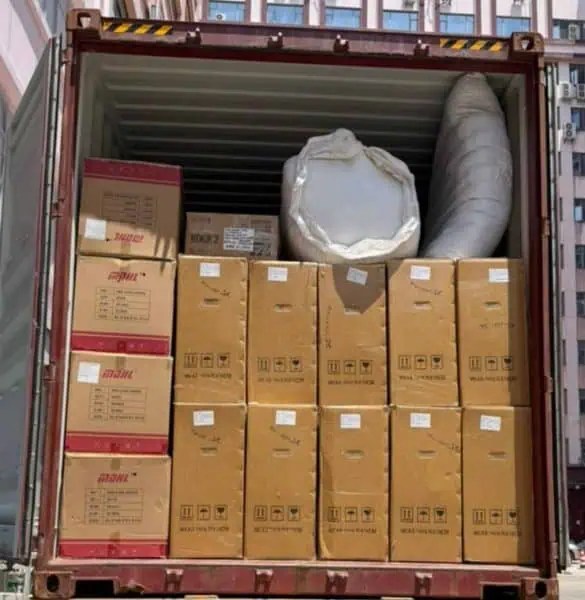
Shipping and Logistics Explained
Furniture is bulky. Shipping matters.
Sea freight is most common.
Two main container types:
-
FCL (Full Container Load)
-
LCL (Less than Container Load)
Choose a reliable freight forwarder. They handle paperwork, customs, and coordination.
Shipping can take 20–45 days depending on destination.
Import Duties, Taxes, and Customs Clearance
Research:
-
HS codes
-
Import duties
-
VAT or GST
-
Required certifications
Work with a customs broker to avoid delays.
Unexpected duties can destroy profit margins, so calculate landed cost carefully.
Common Mistakes to Avoid When Buying Furniture from China

-
Choosing the cheapest quote
-
Ignoring freight costs
-
Skipping inspection
-
Not having written agreements
-
Poor packaging specifications
Experience teaches lessons. Preparation prevents them.
Is It Better to Visit China in Person?
If budget allows, yes.
You can:
-
See quality firsthand
-
Negotiate better deals
-
Build relationships
-
Visit multiple factories in one trip
If travel isn’t possible, request live video tours and hire inspection agencies.
Step-by-Step Buying Process Checklist
-
Research market
-
Find suppliers
-
Request quotes
-
Order samples
-
Negotiate price
-
Sign contract
-
Pay deposit
-
Monitor production
-
Conduct inspection
-
Pay balance
-
Arrange shipping
-
Clear customs
Simple. Structured. Repeatable.
Conclusion
Buying furniture from China isn’t complicated — but it is detailed. When done right, it can significantly increase profits or reduce costs. The key is not rushing. Vet suppliers carefully. Inspect products thoroughly. Understand shipping and customs before committing.
Once you master the process, it becomes a powerful tool. Many successful furniture businesses are built entirely on smart sourcing from China.
Now you know how to do it properly.
FAQs About How to Buy Furniture from China

1. Is it safe to buy furniture from China?
Yes, if you verify suppliers, inspect products, and use secure payment methods.
2. What is the minimum order quantity?
It varies by supplier. Some require a full container; others allow smaller mixed orders.
3. How long does shipping take?
Typically 20–45 days by sea freight depending on destination.
4. Do I need a sourcing agent?
Not mandatory, but helpful for beginners or large projects.
5. Can I customize furniture?
Yes. Many factories offer OEM and custom design services.