In 2026, global logistics is faster, smarter, and more automated than ever—but it still relies on one surprisingly simple tool: the pallet.
From massive container ships to robotic warehouses and eCommerce fulfillment centers, pallets quietly keep the entire supply chain moving.
Yet many people entering logistics, warehousing, or shipping still ask a basic but crucial question: what are pallets, and why are they so important?
If you’ve ever seen stacks of boxes lifted effortlessly by a forklift, organized neatly in a warehouse, or loaded securely into a truck, pallets were doing the heavy lifting—literally.
This guide breaks down everything you need to know about pallets, from beginner basics to expert-level insights, so you can understand how modern trade truly works.
What Are Pallets?

A pallet is a flat, rigid structure designed to support goods and allow them to be lifted, moved, stacked, and stored efficiently using material-handling equipment such as forklifts, pallet jacks, and automated warehouse systems.
Pallets create a stable base for products, grouping individual items into a single unit load. This makes handling faster, safer, and more organized across the supply chain.
In simple terms, pallets turn loose boxes into manageable, movable units.
Simple Definition for Beginners
For beginners, think of a pallet as a portable platform that makes heavy or bulky goods easy to lift and transport. Instead of moving dozens of boxes one by one, workers move everything at once.
This concept is what makes modern logistics scalable.
Why Pallets Are Essential in Logistics
Pallets are not optional accessories—they are operational necessities. Without pallets, warehouses would slow to a crawl, labor costs would skyrocket, and product damage would increase dramatically.
Pallets support logistics by enabling:
- Fast loading and unloading
- Safe stacking and storage
- Efficient use of warehouse space
- Reduced manual handling
In high-volume environments, pallets are the difference between organized flow and logistical chaos.
The Role of Pallets in Global Supply Chains
From manufacturing plants to retail shelves, pallets connect every stage of the supply chain. Goods are produced, palletized, transported, stored, redistributed, and delivered—often without ever being removed from the pallet until final unpacking.
This continuity improves speed, traceability, and cost control.
What Are Pallets Used For?

Pallets serve multiple functions across industries. Their primary purpose is to create unit loads that can be moved efficiently, but their impact goes much deeper.
Common Uses of Pallets
- Warehousing and inventory storage
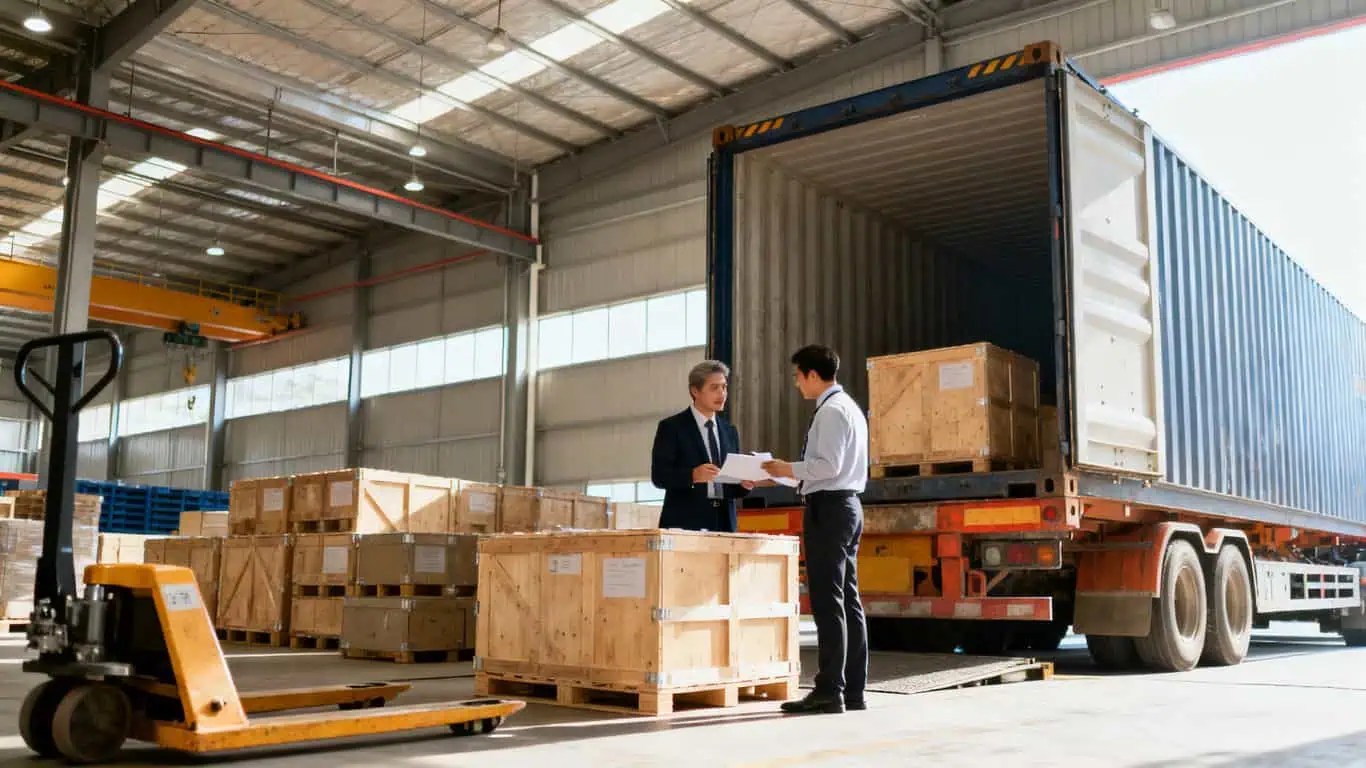
- Truck and container loading
- Export and import shipping
- Retail distribution
- Manufacturing workflows
In eCommerce, pallets are essential for bulk fulfillment and cross-border shipping to third-party logistics centers.
Types of Pallets
Pallets come in various materials, designs, and specifications. Choosing the right type depends on load weight, shipping distance, hygiene requirements, and cost considerations.
Wooden Pallets
Wooden pallets are the most widely used type worldwide. They are affordable, strong, and easy to repair.
Advantages include:
- Low cost
- High load capacity
- Easy availability
However, wooden pallets may require heat treatment for international shipping to meet phytosanitary regulations.
Plastic Pallets
Plastic pallets are popular in industries requiring high hygiene standards, such as food and pharmaceuticals.
They offer:
- Moisture resistance
- Consistent dimensions
- Long lifespan
Their higher upfront cost is often offset by durability and compliance benefits.
More Types of Pallets Used in Modern Logistics
While wooden and plastic pallets dominate the logistics world, they are far from the only options available. As supply chains diversify and industry needs become more specialized, additional pallet types have gained importance—each designed to solve specific logistical challenges.
Choosing the wrong pallet type can lead to inefficiencies, higher costs, or compliance issues. Understanding these alternatives helps businesses align pallet selection with operational goals.
Metal Pallets
Metal pallets, usually made from steel or aluminum, are built for strength and durability. They are commonly used in heavy industries where load weight and safety are top priorities.
Key benefits of metal pallets include:
- Extremely high load capacity
- Fire resistance
- Long service life
- Resistance to pests and moisture
However, metal pallets are expensive and heavy, making them unsuitable for most export and eCommerce shipments.
Composite Pallets
Composite pallets are made from a mix of materials such as wood fibers, recycled plastics, or resin-based compounds. They are engineered to combine the benefits of multiple pallet types.
These pallets offer:
- Consistent dimensions
- Lower weight than wood or metal
- Improved durability
- No need for heat treatment
Composite pallets are often used in automated warehouses where dimensional accuracy is critical.
Paper and Corrugated Pallets
Paper pallets are lightweight, recyclable, and designed primarily for air freight and one-way shipments. While they lack the strength of other pallet types, they provide cost and environmental benefits.
Common use cases include:
- Air cargo shipments
- Lightweight retail goods
- Export shipments with strict weight limits
Paper pallets are not reusable in most cases but shine in sustainability-focused supply chains.
Standard Pallet Sizes Around the World
Pallet sizes are not universal. Different regions have developed standards based on transportation systems, warehouse dimensions, and historical trade practices.
Understanding pallet size standards is essential for efficient container loading, racking compatibility, and international shipping.
Common Pallet Sizes by Region
| Region | Standard Size (mm) | Common Name |
|---|---|---|
| North America | 1219 × 1016 | GMA Pallet |
| Europe | 1200 × 800 | EUR / EPAL Pallet |
| Asia | 1100 × 1100 | ISO Pallet |
| Australia | 1165 × 1165 | Australian Standard |
Using non-standard pallet sizes can increase shipping costs and reduce storage efficiency.
Pallets vs Skids: What’s the Difference?
Pallets and skids are often confused, but they are not the same. While both support loads, their design and use cases differ.
Key Differences Explained
| Feature | Pallet | Skid |
|---|---|---|
| Bottom Deck | Has bottom deck | No bottom deck |
| Stability | High | Lower |
| Forklift Access | 4-way | 2-way |
| Common Use | Shipping & storage | Manufacturing floors |
In modern logistics, pallets have largely replaced skids due to their superior stability and versatility.
Industry-Specific Pallet Requirements
Different industries place different demands on pallets. What works for retail may be unsuitable for pharmaceuticals or chemicals.
Pallet Needs by Industry
- Food & Beverage: Hygienic, easy-to-clean pallets
- Pharmaceuticals: Plastic pallets with traceability
- Automotive: Heavy-duty pallets for large components
- Retail: Standard-sized, low-cost pallets
Matching pallet choice to industry standards reduces compliance risk and operational friction.
The Role of Pallets in Warehousing and Automation

Modern warehouses are designed around pallets. From traditional storage facilities to fully automated smart warehouses, pallet dimensions, strength, and consistency directly influence operational efficiency.
In 2025, with labor shortages and rising fulfillment demands, automation has become the norm—and pallets are at the center of this transformation.
Automated systems rely on pallets to:
- Move goods through conveyor systems
- Interface with robotic palletizers
- Enable automated storage and retrieval systems (AS/RS)
- Support high-density racking
Inconsistent or damaged pallets can disrupt automated workflows, causing system downtime and costly delays.
Pallet Quality and Warehouse Safety
Pallet condition has a direct impact on warehouse safety. Broken boards, protruding nails, or warped bases can cause product collapse, worker injuries, or equipment damage.
For this reason, many warehouses implement pallet inspection and repair programs to maintain quality standards.
Pallets in International Shipping and Export Logistics
Pallets play a critical role in export logistics by improving cargo stability and simplifying container loading. However, international shipping introduces additional rules and considerations.
Export pallets must withstand:
- Long transit times
- Multiple handling points
- Environmental exposure
- Regulatory inspections
Choosing the wrong pallet can result in cargo damage or customs non-compliance.
ISPM 15 Compliance for Wooden Pallets
One of the most important regulations governing pallets in international trade is ISPM 15. This international standard requires wooden pallets to be treated to prevent the spread of pests.
ISPM 15-compliant pallets must be:
- Heat treated or fumigated
- Marked with an official IPPC stamp
- Free from bark and visible pests
Non-compliant pallets can cause shipment rejection or mandatory re-export.
Benefits of Using Pallets in Logistics

The widespread use of pallets is not accidental. They provide measurable advantages across the supply chain.
Operational Benefits
- Faster loading and unloading
- Reduced manual labor
- Improved inventory control
- Better space utilization
Palletization allows businesses to move more goods in less time with fewer resources.
Financial Benefits
- Lower handling costs
- Reduced product damage
- Improved shipping efficiency
- Lower insurance risk
Over time, the cost savings from pallet use far outweigh the initial investment.
Limitations and Challenges of Pallets
Despite their benefits, pallets are not without drawbacks. Understanding these limitations helps businesses plan better logistics strategies.
Common Challenges
- Storage space requirements
- Pallet damage and maintenance
- Compatibility issues across regions
- Environmental impact
Many companies address these challenges through pallet pooling, recycling, and standardization programs.
Sustainability and Environmental Impact of Pallets
Sustainability is a growing concern in logistics, and pallets are part of the conversation. In 2025, businesses are under pressure to reduce waste and carbon footprints.
Sustainable pallet practices include:
- Using recycled materials
- Repairing and reusing pallets
- Switching to lightweight designs
- Participating in pallet pooling systems
Wooden pallets are among the most recycled products globally, making them surprisingly eco-friendly when managed responsibly.
How to Choose the Right Pallet for Your Business in 2025
Selecting the right pallet is no longer just a cost decision—it’s a strategic logistics choice. In 2025, businesses must balance efficiency, compliance, sustainability, and automation compatibility when choosing pallets.
The wrong pallet can lead to damaged goods, warehouse disruptions, or compliance failures, while the right pallet can streamline operations and reduce long-term costs.
Key Factors to Consider
- Load weight: Ensure the pallet supports static and dynamic loads
- Shipping method: Air, sea, road, or rail
- Destination: Domestic vs international regulations
- Handling equipment: Forklifts, pallet jacks, automation
- Reuse vs one-way: Returnable or disposable pallets
Expert logistics teams evaluate pallets as part of the entire supply chain—not as standalone items.
Pallet Pooling: A Growing Trend
Pallet pooling programs allow companies to rent standardized pallets instead of owning them. This approach reduces upfront costs, improves sustainability, and ensures consistent pallet quality.
Pallet pooling is especially popular among:
- Retail chains
- FMCG brands
- Large distributors
In many regions, pooled pallets are now the industry standard.
Common Mistakes Businesses Make with Pallets
Despite their simplicity, pallets are often misused. These mistakes quietly increase costs and reduce efficiency.
Mistakes to Avoid
- Overloading pallets beyond capacity
- Using damaged or broken pallets
- Ignoring pallet compatibility with racking
- Failing to meet ISPM 15 requirements
- Choosing pallets based on price alone
Correct pallet management improves safety, reduces waste, and protects goods throughout transit.
Conclusion: Why Pallets Remain the Backbone of Logistics
In a world of automation, robotics, and AI-driven supply chains, pallets remain one of the most important physical tools in logistics. They quietly enable efficiency, safety, and scalability across industries.
From warehouses and ports to trucks and retail shelves, pallets connect every link in the supply chain. Their simplicity is their strength—and in 2025, businesses that understand and optimize pallet usage gain a serious operational advantage.
If logistics is the engine of global trade, pallets are the wheels that keep it moving.
FAQs About Type of Pallets

Q1: What are pallets used for?
Pallets are used to store, stack, move, and transport goods efficiently using forklifts or pallet jacks.
Q2: What is the most common type of pallet?
Wooden pallets are the most common due to low cost and availability.
Q3: Are pallets reusable?
Yes, most pallets are reusable and repairable.
Q4: What is a standard pallet size?
It depends on region, but 1200×1000 mm and 48×40 inches are common.
Q5: Are pallets required for shipping?
Not always, but they significantly improve handling and safety.
Q6: What pallets are best for international shipping?
ISPM 15–compliant wooden pallets or plastic pallets.
Q7: How long do pallets last?
Wood pallets last several years with proper care; plastic pallets last longer.
Q8: What is pallet pooling?
A system where businesses rent pallets instead of owning them.
Q9: Can pallets be recycled?
Yes, especially wooden and plastic pallets.
Q10: Are pallets still relevant in 2025?
Absolutely. They remain essential in modern logistics and automation.
[/fusion_text][/fusion_builder_column][/fusion_builder_row][/fusion_builder_container]