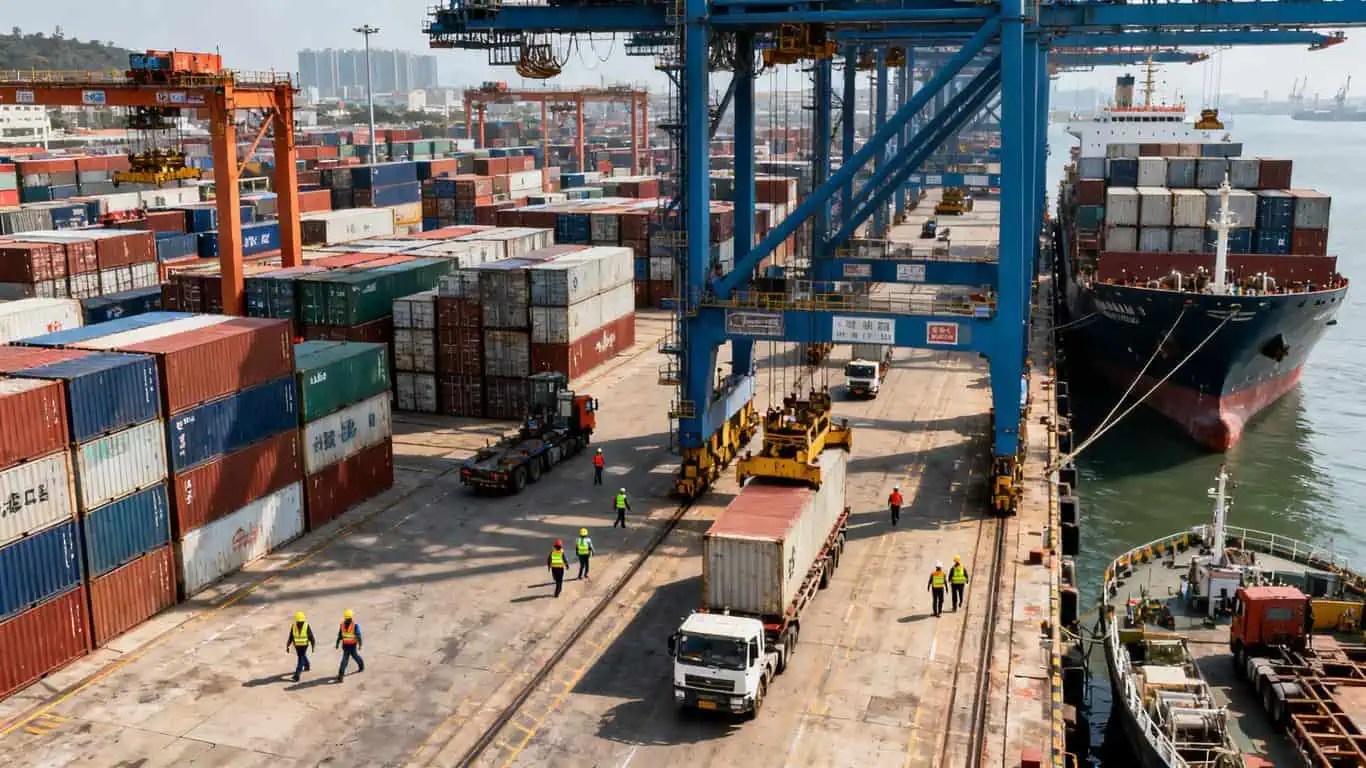
Container shipping is one of those behind-the-scenes systems that quietly keeps the world running. Every time you buy a smartphone, a piece of furniture, or even your favorite coffee beans, there’s a good chance those items traveled thousands of miles inside a steel container. For beginners, the process might sound intimidating—full of paperwork, logistics jargon, and moving parts. For intermediate or advanced users, it can still feel overwhelming because even a small misstep can cause costly delays.
At its core, container shipping is the standardized method of transporting goods using large, reusable containers that can move seamlessly between trucks, trains, and ships. This standardization is what makes global trade efficient. Before containers became common, cargo was loaded piece by piece, which was slow, expensive, and risky. Containers changed the game by making shipping faster, safer, and more predictable.
Understanding the container shipping process step by step gives you control. It helps you plan better, avoid unnecessary costs, and communicate more effectively with logistics partners.
Whether you’re a small business owner shipping products overseas for the first time or someone looking to deepen their logistics knowledge, this guide breaks the entire journey down into clear, manageable steps. Think of it like following a roadmap—from your warehouse door all the way to the customer’s doorstep.
Understanding Shipping Containers

Shipping containers are the backbone of global logistics, yet many people only picture them as big metal boxes stacked on ships. In reality, there’s a surprising amount of variety and engineering behind them. Containers are designed to protect cargo from weather, handling damage, and theft while being easy to stack and move across different transport modes.
The most common types include dry containers, refrigerated containers (reefers), open-top containers, flat racks, and tank containers. Dry containers are used for general cargo like clothing, electronics, and packaged goods.
Reefers are temperature-controlled and essential for food, pharmaceuticals, and other perishables. Open-top and flat rack containers handle oversized or heavy cargo that won’t fit into a standard box.
Standard container sizes are usually 20-foot and 40-foot units, often referred to as TEUs and FEUs. These standardized dimensions allow ports, ships, and trucks worldwide to handle containers efficiently without customization. Each container also has strict weight limits, which are critical for safety and compliance.
Understanding container types and sizes helps you avoid common mistakes, such as choosing the wrong container for your cargo or exceeding weight limits. A simple decision at this stage can make the difference between smooth sailing and costly rework later in the process.
Key Players in the Container Shipping Process

Container shipping is a team effort. Even though it may feel like you’re just booking space on a ship, dozens of players work together to move your cargo from origin to destination. Knowing who does what makes communication easier and reduces confusion when issues arise.
The shipper or exporter is the party sending the goods. This could be a manufacturer, supplier, or business owner. Freight forwarders often act as intermediaries, coordinating transportation, documentation, and customs clearance on behalf of the shipper. Shipping lines own and operate the vessels that carry containers across oceans.
Port authorities manage terminals where containers are stored, loaded, and unloaded. Customs agencies at both origin and destination ensure goods comply with regulations and collect duties and taxes. Inland transport providers—truckers and rail operators—handle the movement of containers to and from ports.
When everyone understands their role, the process flows smoothly. When roles overlap or communication breaks down, delays happen. That’s why experienced shippers place so much value on strong relationships with reliable partners throughout the container shipping process.
Step-by-Step: Container Shipping Process Explained

Step 1: Planning and Booking Container Shipping
Planning is where successful container shipping begins. Rushing this step often leads to higher costs and unnecessary stress later. The first decision is choosing the right container type based on your cargo’s size, weight, and special requirements. A mistake here can result in damaged goods or rejected shipments.
Next comes route planning. You’ll need to decide between direct services or transshipment routes, where containers are transferred between vessels at intermediate ports. Direct routes are usually faster but may cost more, while transshipment can save money at the expense of transit time.
Booking is typically done through a shipping line or a freight forwarder. At this stage, you’ll receive a booking confirmation outlining key details such as vessel name, voyage number, cut-off dates, and container pickup location. These details are critical—missing a cut-off date can mean your container sits at the port for days or even weeks.
Good planning at the booking stage sets the tone for the entire shipping journey. It’s like booking a flight: choose the right option, double-check the details, and you’ll avoid most headaches before they even start.
Step 2: Preparing Cargo for Container Shipping

Once your booking is confirmed, it’s time to prepare the cargo itself. This step is more than just packing boxes. Proper packaging protects goods from vibration, moisture, and stacking pressure during transit. Weak packaging is one of the leading causes of cargo damage.
Labeling is equally important. Each package should clearly display shipment details, handling instructions, and destination information. This ensures smooth handling at warehouses, ports, and during customs inspections.
Before loading, the container must be inspected. Look for holes, rust, odors, or moisture. A damaged container can compromise your cargo and lead to insurance disputes. Cleanliness also matters, especially for food-grade or sensitive goods.
Preparation is often underestimated, but it’s your last chance to control conditions before the container is sealed. A little extra time here can prevent major losses later.
Step 3: Container Stuffing and Sealing
Container stuffing is the process of loading cargo into the container. This can happen at a warehouse, factory, or container yard. The goal is to maximize space while ensuring safety and stability. Poor stuffing leads to shifting cargo, damaged goods, and even accidents during handling.
Weight distribution is crucial. Heavy items should be placed at the bottom and evenly spread across the container floor. Dunnage, pallets, and lashing materials help secure cargo in place. Once loading is complete, the container is sealed with a numbered seal.
The seal number is recorded on shipping documents and checked at various points along the journey. This simple metal seal plays a big role in security and compliance, signaling whether the container has been tampered with.
Stuffing and sealing mark the moment when your cargo officially becomes part of the global shipping system—locked in and ready to move.
Step 4: Inland Transportation to the Port

After stuffing, the container must reach the port of departure. This is known as inland transportation or pre-carriage. Depending on distance and infrastructure, containers are moved by truck, rail, or a combination of both.
Trucking offers flexibility and door-to-door service, while rail is often more cost-effective for long distances. During this stage, drivers and operators must carry key documents such as the booking confirmation and transport orders.
Inland transport may seem straightforward, but it’s vulnerable to traffic congestion, equipment shortages, and scheduling issues. Coordinating this step carefully helps ensure the container arrives at the port before the cut-off time.
This leg of the journey is like the opening act—quiet but essential for everything that follows.
Step 5: Port Operations and Container Handling
Once the container reaches the port, it enters one of the busiest and most complex environments in the entire shipping journey. Ports operate like highly synchronized machines, where timing, documentation, and coordination matter down to the minute. For many beginners, this stage feels mysterious because most of the work happens behind security gates, away from public view.
The first step at the port is the gate-in process. Here, the container is registered into the terminal system. Port staff verify container numbers, seal numbers, weight details, and booking references. Any mismatch can trigger delays, so accuracy in earlier documentation really pays off here. Once cleared, the container is moved into the container yard, where it waits for its scheduled vessel.
Inside the yard, containers are stacked strategically based on destination, vessel schedule, and weight. This planning ensures efficient loading later on. Ports use massive gantry cranes, reach stackers, and automated systems to move containers safely and quickly. Security checks are also conducted, including scans and inspections, to comply with international safety regulations.
Port operations may look routine, but congestion, labor shortages, or weather conditions can disrupt even the best plans. Understanding how ports work helps you appreciate why buffers and flexibility are essential in container shipping.
Step 6: Export Customs Clearance
Before a container can leave the country, it must pass export customs clearance. This step ensures that the shipment complies with national regulations and international trade laws. While it may sound intimidating, export clearance is usually smoother than import clearance—if paperwork is done correctly.
Key documents include the commercial invoice, packing list, export declaration, and any required licenses or certificates. Customs authorities review these documents to verify the nature, value, and destination of the goods. In some cases, physical inspections are required, where the container is opened and checked.
Delays often happen due to incorrect HS codes, undervaluation, or missing documents. These issues can hold a container at the port and cause it to miss its vessel. Working with experienced freight forwarders and customs brokers reduces this risk significantly.
Think of export customs as the final checkpoint before your cargo joins the global flow of trade. Clear it smoothly, and everything else becomes much easier.
Step 7: Loading Containers onto the Vessel

Once customs clearance is completed, the container is ready to be loaded onto the vessel. This process is carefully planned through a stowage plan, which determines where each container will be placed on the ship. Factors such as weight, destination port, and container type all influence placement.
Gantry cranes lift containers from the yard and place them precisely onto the vessel. Safety protocols are strict, as even small errors can have serious consequences. Containers carrying hazardous materials follow special handling and placement rules.
This step marks a major milestone. Your container is no longer sitting still—it’s officially on its way across the ocean. For many shippers, this is the most satisfying part of the journey, where months of planning finally turn into movement.
Step 8: Ocean Transit and Tracking
Ocean transit is often the longest part of the container shipping process. Depending on the route, it can take anywhere from a few days to several weeks. During this time, the container travels across open seas, passing through shipping lanes, canals, and sometimes multiple ports.
Modern shipping offers tracking systems that allow you to monitor your container’s location in near real-time. These tools provide updates on vessel position, estimated arrival times, and any schedule changes. While you can’t control what happens at sea, staying informed helps you plan downstream logistics.
Risks during ocean transit include rough weather, port congestion, and unexpected route changes. Although rare, incidents like container loss or damage can occur. This is why marine insurance is strongly recommended—it’s your safety net against the unpredictable nature of the sea.
Ocean transit is a waiting game, but it’s also where global trade truly comes to life, connecting continents through steel boxes and shared schedules.
Step 9: Arrival at Destination Port
When the vessel arrives at the destination port, the process begins all over again—this time in reverse. Containers are discharged from the ship using cranes and moved into the terminal yard. Arrival doesn’t mean immediate access; containers often wait until customs and port formalities are completed.
Port congestion can significantly impact timelines at this stage. Busy ports may have long queues for unloading, inspections, and truck appointments. Staying proactive and prepared helps minimize delays.
This step is a reminder that shipping doesn’t end when the ship docks. The destination port is just another critical link in the chain.
Step 10: Import Customs Clearance

Import customs clearance is often the most challenging part of container shipping. Authorities scrutinize documents closely to ensure compliance with local laws and collect duties and taxes. Required documents usually include the bill of lading, commercial invoice, packing list, and import licenses if applicable.
Customs may conduct inspections based on risk profiles. These inspections can be random or triggered by discrepancies in documentation. Duties and taxes must be paid before the container is released, and delays here can quickly increase storage and demurrage costs.
Understanding local import regulations and working with knowledgeable customs brokers makes a huge difference. Import clearance isn’t just paperwork—it’s about aligning your shipment with national trade policies.
Step 11: Inland Transportation to Final Destination
After customs clearance, the container is released for inland transportation to its final destination. This stage, often called on-carriage, usually involves trucking, rail, or both. Coordination is key to avoid delays and extra charges.
Once the container arrives, it is unloaded, and the cargo is delivered to the consignee. The empty container must then be returned to the designated depot within the free time period. Late returns can result in detention fees.
This final step brings the journey full circle—from shipper to receiver. When done right, it feels seamless. When mismanaged, it can undo all the good work done earlier.
Common Challenges in Container Shipping

Container shipping is efficient, but not without challenges. Delays, documentation errors, port congestion, and equipment shortages are common issues. External factors like weather events, geopolitical tensions, and labor strikes can also disrupt schedules.
Damage and loss, while rare, remain concerns. Improper packaging or poor container condition often plays a role. Regulatory changes can add complexity, especially for businesses shipping to multiple countries.
The key to managing these challenges is preparation, communication, and flexibility. Problems are inevitable—but surprises don’t have to be.
Tips to Optimize the Container Shipping Process
Optimizing container shipping starts with choosing the right partners. Reliable freight forwarders, carriers, and customs brokers can save time and money. Technology also plays a growing role, offering better visibility and data-driven decision-making.
Other tips include:
-
Planning shipments well in advance
-
Double-checking documentation
-
Using insurance for risk management
-
Staying updated on trade regulations
Small improvements at each step add up to smoother operations and lower costs.
Future of Container Shipping
The future of container shipping is shaped by digitalization, sustainability, and automation. Smart containers with sensors provide real-time data on location and condition. Ports are adopting automation to improve efficiency and reduce human error.
Sustainability is also a major focus, with shipping lines investing in cleaner fuels and energy-efficient vessels. These changes aim to make container shipping not only faster and cheaper, but also greener.
The industry is evolving, and those who adapt early will gain a competitive edge.
Conclusion
The container shipping process may seem complex at first, but when broken down step by step, it becomes much easier to understand. From planning and booking to final delivery, each stage plays a critical role in moving goods safely and efficiently across the globe.
Whether you’re a beginner learning the basics or an experienced shipper refining your operations, understanding this process empowers you to make better decisions. Container shipping isn’t just about moving boxes—it’s about connecting markets, businesses, and people worldwide.
FAQs About Container Shipping Process

1. How long does container shipping usually take?
Transit time depends on distance, route, and port efficiency. It can range from a few days to several weeks.
2. What documents are most important in container shipping?
Commercial invoice, packing list, bill of lading, and customs declarations are essential.
3. Is container shipping safe?
Yes, it’s one of the safest modes of transport, especially when cargo is properly packed and insured.
4. What causes most container shipping delays?
Common causes include port congestion, documentation errors, customs inspections, and weather conditions.
5. Do I need a freight forwarder for container shipping?
While not mandatory, freight forwarders simplify the process and help avoid costly mistakes.