Key Takeaways
- Freight quotes vary due to volume and weight metrics at the time of booking.
- Product consolidation reduces shipping costs by maximizing the efficiency of every container.
- Sea freight remains the most cost-effective option for large-scale bulk shipments.
- Accurate customs documentation and HS code classification prevent unnecessary shipment seizures.
- Proactive planning around Chinese factory holidays is critical to avoiding logistics bottlenecks.
How freight forwarding services from China impact your landed costs
Managing logistics is often the most significant variable for importers looking to stabilize their profit margins. We see many businesses struggle with fluctuating expenses simply because they overlook the nuances of how a standard quote is priced. Getting a firm handle on these key logistics factors allows operators to maintain predictable costs from the factory floor to the final warehouse.
Why freight quotes fluctuate based on volume and weight
Carriers charge transport fees based on either the physical weight of the cargo or the total space it occupies in the container. When shipping light but bulky items, you will likely be billed based on volume, technically known as weight-based pricing, while heavy, dense products are priced by actual weight. Comparing your cargo against standardized rates helps you choose the right carrier.
Understanding the real difference between port-to-port and door-to-door delivery
Port-to-port services require you to manage your own trucking and customs clearance at the destination country. Many importers underestimate the complexity involved in coordinating these final miles, leading to storage fee spikes at the destination terminal. In contrast, door-to-door delivery covers every leg of the journey, ensuring the freight reaches your chosen address without requiring you to engage third-party transportation providers, which is a major advantage often managed by our China Sourcing Agent team.

Port-to-port quotes look cheaper on paper — until destination trucking, clearance, and terminal storage fees land on your side of the invoice.
How product consolidation reduces your total landed cost per unit
When buying from multiple suppliers, shipping separate small batches is usually unsustainable due to high minimum freight charges. Consolidating your various orders into a single container allows you to share the shipping expense across a much larger total unit count. Most professional Container Shipping services leverage this model to ensure your profit per item remains steady even when freight prices spike during peak periods.
Selecting the right logistics mode for your specific inventory
Choosing the transport method involves balancing your budget against the speed requirements of your retail demand. Relying on air freight for every shipment often leads to unsustainable expenses, while sea freight requires longer planning cycles. We look at the nature of the goods and the current market conditions before advising on the optimal path.
When sea freight offers the best balance for bulk shipments
Sea freight is the most reliable tool for high-volume inventory replenishment. Because ships operate on consistent schedules, this mode allows you to align your ordering with your warehouse space and cash flow cycles. The sheer capacity of modern container ships ensures that even if you have several thousand units, the cost per piece remains lower than any other available transport method.
Evaluating air freight options for urgent stock replenishment
Air freight is reserved strictly for high-value items where speed is worth the significantly higher expense. We often suggest this mode only when a fast-moving item has suddenly sold out and the risk of shelf-out for your business outweighs the cost of expedited air transit. It requires careful coordination to ensure that the goods are cleared for quick release upon landing to justify the air premium.

Sea freight runs 30–45 days but stays the cheapest per unit at volume; air’s 3–7 day speed only pays off when a shelf-out costs more than the premium.
Choosing rail or express courier for mid-sized cargo needs
Rail transport serves as a middle ground for shipments that are too large for couriers but too urgent for the slow speed of ocean vessels. For urgent samples or smaller batches, express couriers provide efficiency, though they require strict compliance with weight limits to avoid surcharges. Consider the following breakdown for choosing your mode:
| Logistics Mode | Typical Lead Time | Best Suited For |
|---|---|---|
| Sea Freight | 30-45 Days | Large Bulk Stock |
| Air Freight | 3-7 Days | High-Value Replenishment |
| Rail / Express | 15-25 Days | Mid-sized Cargo |
Selecting the right mode depends on staying flexible during shifting market throughputs.
Managing mandatory documentation for customs clearance
Documentation errors remain the leading cause of detained shipments at the border. Ensuring that every piece of paperwork accurately reflects the load in your container is a mandatory requirement for a smooth entry process. We always advise clients to verify their paperwork before the shipment leaves the port of origin.
Requirements for the bill of lading and tracking documents
The bill of lading acts as the primary receipt and document of title for your cargo. It must contain complete contact information for the shipper and receiver to avoid legal hurdles during transit. Without this document being perfectly aligned with the manifest, the carrier cannot release the freight once it reaches the destination port.
Ensuring commercial invoices and packing lists match your cargo
Commercial invoices must list a unit value that matches your product contract exactly, as customs authorities will cross-reference this with local market valuations. If the packing list does not detail the exact quantity and weight per SKU, inspection agencies will likely tag the shipment for a full physical check. Keeping these documents organized and consistent is a core part of our Product Packaging standards to avoid clearance errors.

One mismatch between the packing list and physical cargo is enough to trigger a full physical inspection — and daily demurrage until it’s resolved.
Why accurate HS code classification prevents shipment seizures
HS codes determine the specific duties and taxes applicable to your imports. If you classify an item incorrectly, customs may view it as an attempt to evade taxes, leading to heavy fines or complete seizure. Always consult official databases like GOV.UK to ensure your goods match the correct duty category before filing your entry.
Avoiding common shipping mistakes at the source
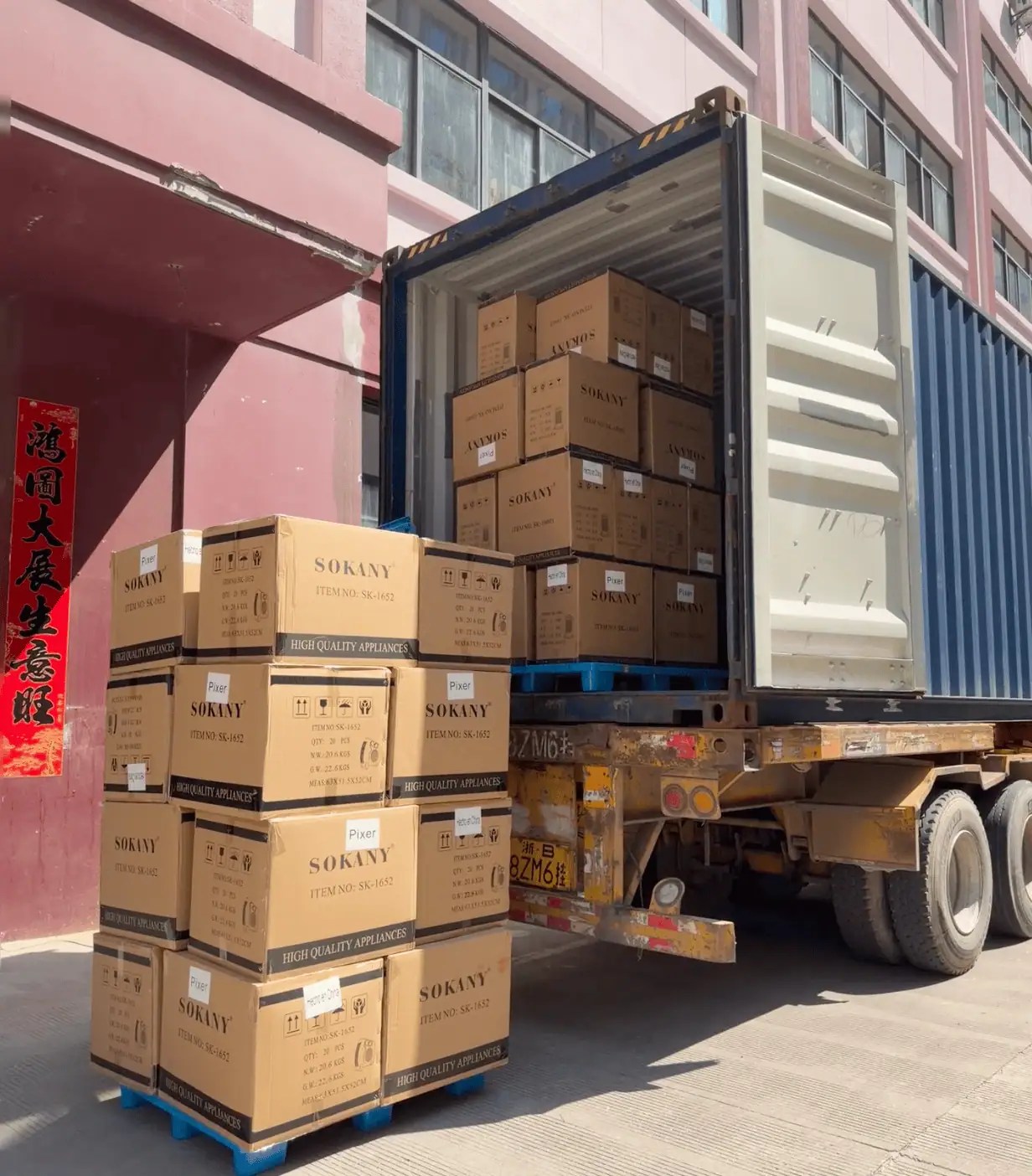
Many shipping issues that appear at the destination actually start at the factory gate during the loading process. We address these by overseeing the container load at the origin to catch errors before the ship departs. Managing shipping terms explicitly is the first step in avoiding these risks.
Handling incomplete or incorrect paperwork from Chinese suppliers
Suppliers often provide generic paperwork that fails to meet the specific legal requirements of the destination country. When discrepancies appear between the packing list and the physical goods, you may face emergency documentation fees. We mandate a rigorous review of every shipping document against the physical cargo before finalizing the export declaration.
Impact of improper packaging on cargo safety during transit
Goods often travel for weeks across turbulent seas and undergo multiple transfers at various ports. If the packaging lacks the necessary structural integrity for international shipping, you risk receiving damaged products that are unsellable. We provide specific Free Sourcing Trial assessments that evaluate whether your supplier’s packaging stands up to the rigors of long-haul transit.
Choosing between DDP and DDU terms dictates where your physical responsibilities end and the importer’s begin. DDP means the supplier handles all destination import duties, but you must be certain they have the local expertise to clear the shipment without hidden fees. DDU puts the onus on you to manage clearance upon arrival, which can be difficult if you have never worked with the local import authority before.
Optimizing supply chain timelines to bypass logistics bottlenecks
Logistics is not just about the shipping itself; it is about working around the seasonal realities of your manufacturers. Most bottlenecks are predictable if you account for the local calendar in China. Proactive planning keeps your inventory moving even during the most congested periods of the year.
Planning around Chinese New Year and major factory holidays
Factories effectively shut down for several weeks during the spring, which creates a massive output gap. Unless you adjust your order volume and timing for this lull, you will quickly face stock shortages in your own local markets. We recommend increasing your inventory buffer at least two months in advance to cover the entire holiday window.
Managing lead times for peak global shipping seasons
During high-demand seasons, shipping space becomes scarce and costs rise dramatically. Booking your container space early is the only way to lock in reasonable rates when supply is constrained. Failure to book in advance often leaves your goods sitting in a warehouse while rates continue to climb.
Aligning your container loading schedules with production outputs
Ensure your factory schedule aligns precisely with the pickup date of your container to prevent costly detention fees at the original port. If the production is delayed, you must reschedule the shipping slot immediately to avoid empty booking charges. Coordinating the team to synchronize these events helps keep your supply chain running without unnecessary delays.
Conclusion
Success in global import depends on moving beyond the price tag to understand the logistical mechanics driving your delivery stability and overall landed cost. By planning for seasonal capacity, selecting the appropriate transport mode for your product type, and maintaining rigid precision in your customs documentation, you turn a complex shipping process into a manageable business asset.
Frequently Asked Questions
What are the main components that make up the final landed cost of imports?
The total landed cost includes the purchase price of the items, international freight charges, marine insurance, local transport, and the destination-specific customs duties or tariffs. Many importers fail to account for the incidental handling or storage charges that occur if documentation is incomplete, which can quickly inflate the final price per unit.
How far in advance should I book shipping space for a container?
Typically, we recommend securing shipping space at least two to four weeks before your production is expected to finish, especially during peak seasons. Booking earlier acts as an insurance policy against rising rates and guarantees that your cargo gets onto a vessel rather than waiting in an overcrowded port terminal.
What happens if my supplier sends products in poor quality packaging?
If the packaging is subpar, the likelihood of damage during the long transit increases significantly, which can make your goods arrive in an unsellable state. You may be responsible for the cost of repackaging if you discover the issue upon arrival, which is why verifying packaging quality at the factory level before the shipment is loaded is critical to protecting your investment.
Why does custom clearance sometimes take longer than expected?
Delays during customs clearance usually result from missing documentation, inaccurate HS code classification, or inconsistencies between the physical cargo and the information listed on the commercial invoice. When authorities flag a shipment for a secondary audit, it adds significant time to the process, often resulting in daily demurrage fees until the paperwork is corrected.
Is it better to handle customs clearance myself or use a broker?
Most businesses benefit from using a professional customs broker who understands the specific regulatory requirements of the destination country to ensure everything is filed correctly. Attempting to manage clearance personally without specialized knowledge significantly increases the risk of mistakes that lead to shipment seizures or major financial penalties.
Do I need to buy cargo insurance for my shipments?
While insurance is not legally mandatory for every type of shipment, it is standard practice to protect your goods against the inherent risks of international maritime transport. Without insurance, you have little recourse if the container is lost at sea or damaged during transit, as carrier liability is often limited to a flat rate that rarely covers the true replacement value of your merchandise.
How do I find the correct HS code for my specific items?
You can use official government tariff databases for your destination country to search for the category that best describes your product’s material and purpose. If you are unsure, consult a customs broker or your logistics provider, as assigning an incorrect code can lead to audits, heavy fines, and the potential seizure of your shipment by customs authorities.