Quality control in Chinese furniture production is a critical part of the global supply chain, ensuring that products meet international standards for durability, safety, design accuracy, and finish.
As China remains the world’s leading furniture manufacturing hub, its factories serve a wide range of markets, from budget residential furniture to high-end luxury hospitality projects.
To maintain competitiveness, manufacturers have developed structured and multi-stage quality control systems that reduce defects and improve consistency across large-scale production.
Understanding how quality control works in Chinese furniture production is essential for international buyers who want to minimize risks, avoid costly defects, and ensure their products meet expectations upon delivery.
The Importance of Quality Control in Furniture Manufacturing

Furniture is a highly physical product category where small production errors can lead to major functional or aesthetic issues. Unlike lightweight consumer goods, furniture requires precision in materials, construction, and finishing. Poor quality control can result in:
- Structural instability
- Material inconsistencies
- Color mismatches
- Surface defects and scratches
- Short product lifespan
- Customer dissatisfaction and returns
To prevent these issues, Chinese manufacturers implement systematic quality control processes at every stage of production rather than only inspecting finished goods.
Stage 1: Raw Material Inspection
Quality control begins before production starts, at the raw material stage. Factories carefully inspect incoming materials to ensure they meet required specifications.
Key materials checked include:
- Solid wood and engineered wood (MDF, plywood)
- Metal frames and hardware components
- Upholstery fabrics and leather
- Foam density and cushioning materials
- Glass, plastic, and finishing coatings
During this stage, inspectors verify:
- Material grade and authenticity
- Moisture content in wood
- Thickness and density standards
- Compliance with environmental regulations
This early inspection helps prevent defects from entering the production line.
Stage 2: Pre-Production Sample Approval
Before mass production begins, factories create pre-production samples based on buyer specifications. This step is crucial for confirming design accuracy and material selection.
During sample approval, buyers or sourcing agents evaluate:
- Dimensions and proportions
- Structural design stability
- Fabric or color matching
- Comfort and ergonomics (for sofas and chairs)
- Hardware functionality
Only after approval of the sample does full-scale production proceed. This reduces the risk of large-scale production errors.
Stage 3: In-Process Quality Control (IPQC)
Once production starts, quality control continues throughout the manufacturing process. This stage ensures that issues are detected early before they affect large quantities.
IPQC typically includes:
- Frame assembly inspection
- Joint strength testing
- Upholstery alignment checks
- Surface finishing evaluation
- Paint and coating consistency checks
Inspectors monitor production lines regularly to ensure workers follow approved specifications. Any deviation is corrected immediately to avoid mass defects.
Stage 4: Mid-Production Inspection
Mid-production inspections are especially important for large orders. At this stage, a percentage of finished or semi-finished products are checked to identify potential problems early.
Common checks include:
- Structural durability testing
- Color consistency across batches
- Stitching quality and upholstery alignment
- Hardware installation accuracy
- Functional testing (drawers, hinges, mechanisms)
If issues are found, production adjustments are made before continuing further manufacturing.
Stage 5: Final Quality Inspection (FQC)
The final inspection is one of the most important stages in Chinese furniture production. It occurs once all products are fully assembled and ready for packaging.
Final inspections evaluate:
- Overall product appearance
- Surface defects such as scratches or dents
- Stability and strength testing
- Functional performance checks
- Packaging quality and labeling accuracy
Products that fail inspection are either repaired or rejected before shipment.
Stage 6: Packaging and Pre-Shipment Inspection
Proper packaging is essential to protect furniture during long-distance international shipping. Quality control teams ensure that packaging meets export standards.
Packaging checks include:
- Protective foam and corner guards
- Moisture-proof wrapping
- Carton strength and durability
- Wooden crate reinforcement (for fragile items)
- Correct labeling and shipping marks
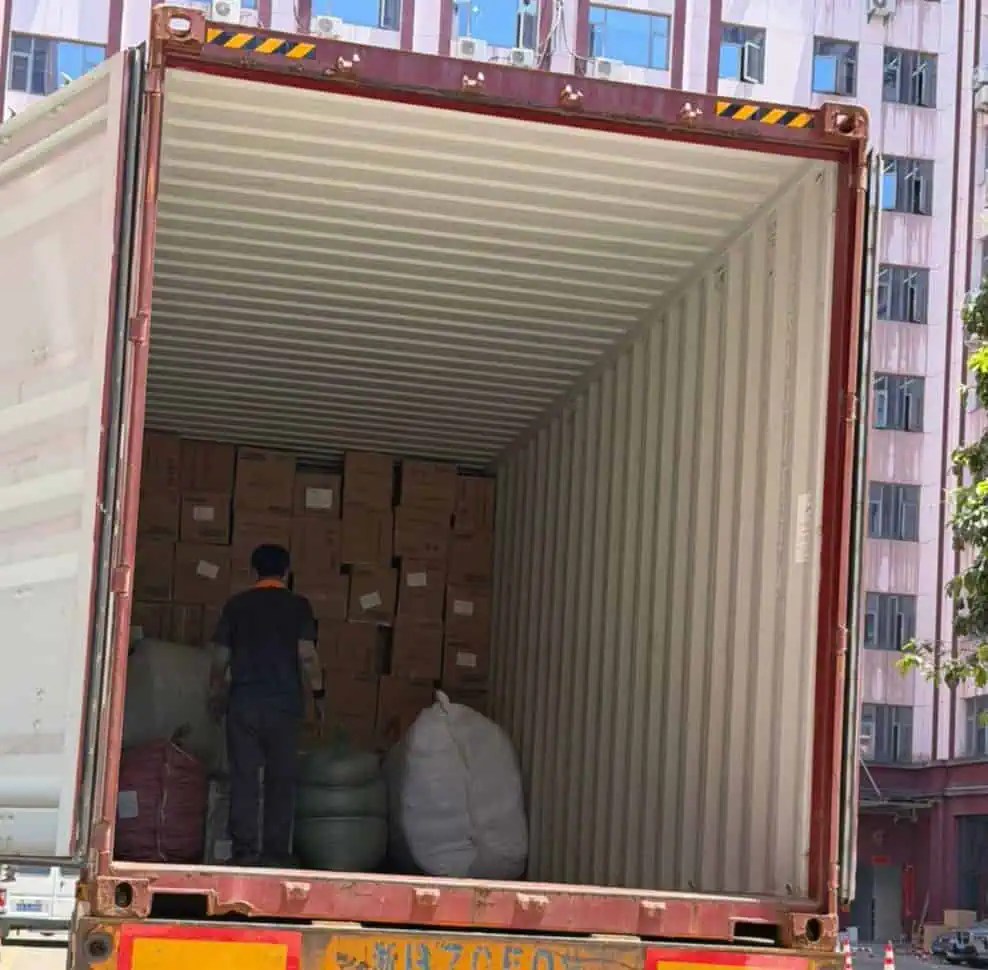
A final pre-shipment inspection ensures that the correct quantities and product specifications are loaded into containers.
Role of International Standards and Certifications
Many Chinese furniture manufacturers comply with international quality and safety standards, especially when exporting to Europe, North America, and the Middle East.
Common certifications include:
- ISO quality management standards
- CARB compliance for wood products
- FSC certification for sustainable timber
- REACH compliance for chemical safety
- Fire resistance certifications for upholstery
These certifications help ensure that products meet global regulatory requirements.
Common Quality Challenges in Furniture Production
Despite strong quality control systems, challenges can still occur if oversight is insufficient.
Typical issues include:
- Variation between sample and mass production
- Substitution of lower-grade materials
- Inconsistent finishing quality
- Packaging damage during transport
- Communication gaps between buyer and factory
These risks are more likely when buyers do not conduct inspections or work with experienced sourcing partners.
How Sourcing Agents Improve Quality Control

Sourcing agents play a vital role in strengthening quality control in Chinese furniture production by acting as the buyer’s local inspection team, communication bridge, and production supervisor.
In a manufacturing environment as large and complex as China’s furniture industry, maintaining consistent quality across suppliers, materials, and production batches requires continuous oversight. Sourcing agents help ensure that every stage of production meets the buyer’s expectations before goods are shipped internationally.
Supplier Verification and Factory Audits
One of the first ways sourcing agents improve quality control is by conducting thorough supplier verification before any order is placed. Instead of relying on online listings or showroom presentations, agents physically audit factories to confirm their legitimacy and production capability.
During audits, they evaluate:
- Manufacturing capacity and equipment
- Production processes and workflow
- Quality management systems
- Export experience and certifications
- Workforce skill level and consistency
This step helps eliminate unreliable suppliers and ensures that only capable factories are selected for production.
Sample Inspection and Approval Management
Before mass production begins, sourcing agents carefully review product samples to ensure they meet all technical and design requirements. This step is crucial because the sample becomes the standard for bulk production.
Agents check:
- Material accuracy and durability
- Color matching and finishing quality
- Structural strength and stability
- Comfort and usability (for upholstered furniture)
- Design consistency with buyer specifications
If any issues are found, they coordinate revisions with the factory until the sample fully meets expectations.
In-Process Production Monitoring
Unlike buyers who are overseas, sourcing agents provide on-the-ground supervision during production. This continuous monitoring helps detect issues early, before they become large-scale problems.
During production, agents inspect:
- Frame assembly and structural integrity
- Upholstery stitching and alignment
- Surface finishing quality
- Hardware installation accuracy
- Material consistency across batches
Early detection allows factories to correct mistakes immediately, reducing waste and preventing defective bulk production.
Mid-Production Quality Inspections
Mid-production inspections are essential for identifying problems at an early stage. Sourcing agents typically inspect a percentage of semi-finished products to ensure production is on track.
They evaluate:
- Workmanship consistency
- Batch-to-batch color and material uniformity
- Functionality of moving parts
- Assembly quality and durability
If issues are detected, production is adjusted immediately to avoid repeating the same errors across the entire order.
Final Quality Inspection Before Shipment
One of the most important roles of sourcing agents is conducting the final inspection before goods leave the factory. This ensures that only fully compliant products are shipped internationally.
Final inspections cover:
- Surface defects such as scratches, dents, or stains
- Structural strength and stability testing
- Functionality of drawers, hinges, and mechanisms
- Packaging quality and protection standards
- Correct product labeling and quantity verification
This stage acts as the last safeguard against defective or incorrect shipments.
Conclusion
Quality control in Chinese furniture production is a structured, multi-stage process designed to ensure consistency, durability, and export readiness. From raw material inspection to final pre-shipment checks, each stage plays a vital role in maintaining product standards across large-scale manufacturing operations.
While Chinese factories have advanced quality management systems, effective oversight remains essential, especially for international buyers managing large or customized orders.
By understanding the full quality control process and working with experienced sourcing partners, businesses can significantly reduce risks and ensure reliable, high-quality furniture deliveries from China.
Frequently Asked Questions (FAQs) About Quality Control

1. What is quality control in Chinese furniture production?
Quality control in Chinese furniture production is a multi-stage process that ensures furniture meets required standards for durability, safety, appearance, and functionality. It includes raw material inspection, in-process checks, final inspections, and packaging verification before shipment.
2. When does quality control start in furniture manufacturing?
Quality control starts at the raw material stage, before production even begins. Factories inspect wood, metal, fabrics, foam, and other materials to ensure they meet specifications and are suitable for manufacturing.
3. What happens if a product fails quality inspection?
If a product fails inspection, it is usually repaired, reworked, or rejected depending on the severity of the issue. Factories are required to fix defects before products are approved for packaging and international shipment.
4. Do all Chinese furniture factories follow strict quality control standards?
Not all factories maintain the same level of quality control. Large and export-focused manufacturers typically follow strict procedures and international standards, while smaller workshops may have less consistent systems. This is why supplier selection is very important.
5. How do sourcing agents help with quality control?
Sourcing agents improve quality control by conducting factory audits, inspecting samples, monitoring production, checking finished goods, and supervising packaging and loading. Their involvement helps reduce defects and ensures products match buyer requirements.