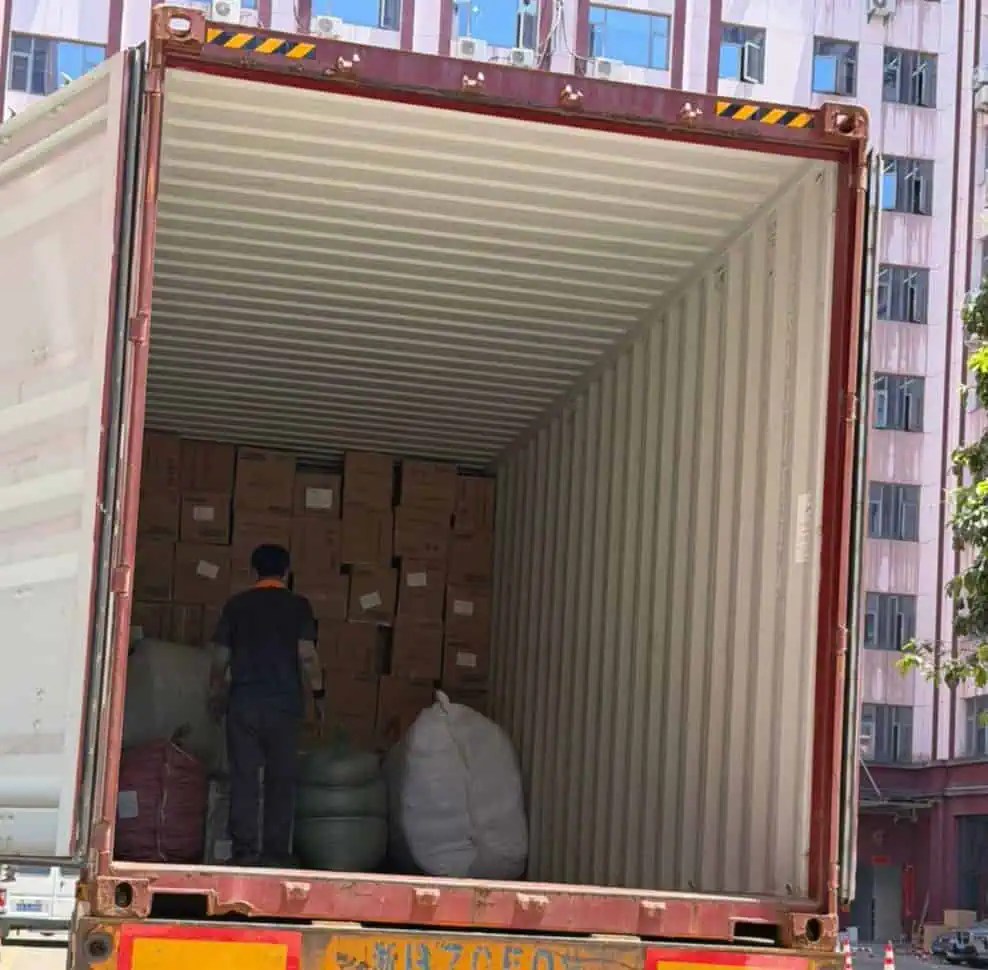
China has built one of the most advanced and efficient furniture supply chains in the world. From raw material sourcing and component manufacturing to large-scale production, warehousing, and international shipping, the Chinese furniture industry operates through a highly integrated ecosystem that supports global demand across residential, commercial, hospitality, and office sectors. Businesses worldwide depend on China not only for affordable furniture manufacturing but also for its unmatched production efficiency, supplier networks, and export infrastructure.
The Chinese furniture supply chain is far more sophisticated than many buyers realize. Thousands of specialized factories, raw material suppliers, hardware manufacturers, logistics providers, and export companies work together to create a streamlined production system capable of handling everything from custom luxury furniture to high-volume retail orders. This interconnected structure allows companies to reduce manufacturing costs, shorten lead times, and access a massive variety of furniture styles and materials.
However, understanding how the furniture supply chain in China works is essential for successful sourcing. Buyers who understand factory operations, procurement processes, quality control systems, and shipping logistics are better positioned to avoid delays, reduce risks, and maximize profitability. Working with experienced sourcing partners also helps businesses navigate the complexities of supplier selection, production management, and international logistics.
In this guide, we explain the complete furniture supply chain in China, including manufacturing hubs, sourcing stages, production processes, logistics operations, and the key factors that make China the global leader in furniture exports.
How the Furniture Supply Chain in China Works
The furniture supply chain in China consists of multiple interconnected stages that move products from raw materials to final international delivery. Every stage is optimized for speed, scalability, and cost efficiency.
The main stages include:
- Raw material sourcing
- Component manufacturing
- Furniture production
- Quality control and inspections
- Packaging and warehousing
- Export logistics and shipping
- International distribution
Each stage plays a critical role in ensuring product quality, production efficiency, and timely delivery.
Raw Material Sourcing in China’s Furniture Industry
Wood and Timber Supply
China sources massive quantities of timber and wood materials for furniture manufacturing. Factories use both locally sourced and imported wood species depending on product requirements and price points.
Common materials include:
- Oak
- Walnut
- Pine
- Ash wood
- MDF
- Plywood
- Particle board
Premium furniture manufacturers often import hardwood materials from Europe, North America, and Southeast Asia to produce luxury furniture collections.
Metal, Glass, and Upholstery Materials
Modern furniture production relies heavily on supporting material suppliers. China has developed specialized supply chains for:
- Stainless steel
- Aluminum frames
- Tempered glass
- Upholstery fabrics
- Leather materials
- Foam cushioning
- Plastic components
This localized supplier network allows factories to source components quickly and reduce production costs significantly.
China’s Major Furniture Manufacturing Hubs

Foshan: The World’s Largest Furniture Market
Foshan, located in Guangdong Province, is considered the center of China’s furniture industry. The city contains thousands of furniture factories, showrooms, and wholesale markets serving global buyers.
Foshan specializes in:
- Modern furniture
- Luxury furniture
- Hotel furniture
- Office furniture
- Customized interior products
Large furniture malls such as Louvre Furniture Mall and Sunlink Furniture City attract buyers from around the world.
Dongguan and Guangzhou Manufacturing Networks
Dongguan and Guangzhou also play major roles in the furniture supply chain. These cities are known for advanced production facilities and export-focused manufacturing.
Factories in these regions produce:
- Upholstered furniture
- Modular furniture
- Office systems
- Kitchen cabinets
- Hospitality furniture
Their close proximity to ports improves export efficiency and reduces shipping timelines.
Furniture Production Process in China
Product Design and Development
Furniture manufacturing often begins with product design and prototyping. Chinese manufacturers work with:
- Retail furniture brands
- Interior designers
- Hospitality developers
- E-commerce businesses
- OEM and ODM clients
Factories create technical drawings, prototypes, and samples before full production begins.
Mass Production and Assembly
Once product samples are approved, factories begin large-scale manufacturing. Production involves multiple stages, including:
- Material cutting
- Frame assembly
- Upholstery work
- Surface finishing
- Painting and coating
- Hardware installation
- Final assembly
Many factories now utilize automation technologies such as CNC machinery and robotic systems to improve precision and consistency.
The Role of Specialized Suppliers in the Supply Chain
One of the biggest strengths of China’s furniture supply chain is supplier specialization. Instead of producing every component internally, factories often work with highly specialized vendors.
Examples include:
- Hinge manufacturers
- Foam suppliers
- Glass processors
- Textile producers
- Packaging suppliers
- Metal frame manufacturers
This specialization improves efficiency and allows factories to focus on their core production expertise.
Quality Control in China’s Furniture Supply Chain

Factory Inspections and Production Monitoring
Quality control is one of the most important stages of furniture sourcing from China. Professional buyers and sourcing companies conduct inspections throughout production to ensure products meet required standards.
Common inspection stages include:
- Raw material inspection
- Pre-production checks
- Mid-production inspections
- Final quality inspections
- Packaging inspections
This process reduces the risk of defective or inconsistent products.
Compliance and International Standards
Export furniture manufacturers must comply with international regulations and safety standards. Depending on destination markets, products may require certifications related to:
- Fire resistance
- Chemical emissions
- Environmental sustainability
- Structural durability
- Child safety regulations
Factories supplying European and North American markets typically maintain stricter compliance systems.
Warehousing and Inventory Management
Product Consolidation
Many buyers source products from multiple factories. Chinese logistics providers consolidate shipments into centralized warehouses before export.
Consolidation offers major advantages:
- Reduced shipping costs
- Improved inventory organization
- Faster customs processing
- Better container utilization
This system is especially useful for large commercial projects and mixed furniture orders.
Packaging Optimization
Furniture packaging plays a critical role in protecting products during international transportation. Manufacturers use:
- Carton packaging
- Wooden crates
- Foam protection
- Edge reinforcement
- Moisture-resistant wrapping
Efficient packaging also reduces shipping volume and lowers freight costs.
Export Logistics and Global Shipping

China’s Global Shipping Infrastructure
China possesses one of the world’s largest export logistics networks. Major ports such as Shenzhen, Guangzhou, Ningbo, and Shanghai handle massive furniture exports every year.
Shipping methods include:
- Full container load (FCL)
- Less-than-container load (LCL)
- Air freight
- Rail transportation
Sea freight remains the most common solution for international furniture shipping due to lower transportation costs.
Customs Clearance and Documentation
Exporting furniture requires proper documentation and customs procedures. Logistics providers and sourcing agents manage:
- Commercial invoices
- Packing lists
- Certificates of origin
- Export declarations
- Bill of lading documentation
Professional logistics coordination helps avoid customs delays and compliance issues.
Why China Dominates the Global Furniture Supply Chain
Large-Scale Manufacturing Capacity
China’s production scale is unmatched in the global furniture industry. Factories can handle both small custom orders and massive commercial production projects efficiently.
This scalability supports industries such as:
- Hospitality
- Real estate development
- Retail chains
- Corporate office furnishing
- E-commerce furniture brands
Competitive Production Costs
China’s mature industrial ecosystem reduces production costs through:
- Supplier clustering
- Efficient labor systems
- Bulk material sourcing
- Advanced automation
- Optimized logistics
These advantages allow businesses to source affordable furniture while maintaining acceptable quality standards.
Fast Lead Times and Supply Chain Efficiency
China’s furniture supply chain is designed for speed and flexibility. Close proximity between suppliers, factories, ports, and logistics providers enables faster production and delivery cycles.
This helps businesses respond quickly to changing market demands.
Challenges in China’s Furniture Supply Chain
Despite its strengths, the Chinese furniture supply chain also presents challenges.
Common issues include:
- Supplier reliability concerns
- Quality inconsistencies
- Communication barriers
- Shipping delays
- Rising raw material costs
- International trade regulations
Businesses often work with sourcing agents to manage these risks more effectively.
How Furniture Sourcing Agents Improve Supply Chain Efficiency
Furniture sourcing agents play a critical role in improving supply chain efficiency by connecting international buyers with reliable manufacturers, managing procurement operations, and streamlining communication throughout the sourcing process.
In China’s highly competitive furniture industry, sourcing agents act as strategic partners that help businesses reduce operational complexity, control costs, and maintain consistent product quality.
One of the biggest advantages of working with a furniture sourcing agent is access to an established supplier network. Instead of spending months searching for trustworthy factories, buyers gain immediate access to verified manufacturers that match their product requirements, budget, and quality standards. This significantly reduces supplier selection time and minimizes the risks associated with unreliable vendors or fraudulent suppliers.
Sourcing agents also improve efficiency through professional negotiation and procurement management. Experienced agents understand local pricing structures, factory capabilities, and production timelines, allowing them to negotiate better prices, favorable payment terms, and more accurate delivery schedules. Their local market expertise helps businesses avoid unnecessary costs while maximizing purchasing value.
Quality control management is another essential area where sourcing agents add value. They conduct factory audits, product inspections, and packaging checks throughout production to identify defects before goods are shipped internationally. Early detection of quality issues prevents costly returns, customer complaints, and supply chain disruptions.
Logistics coordination also becomes far more efficient with professional sourcing support. Furniture sourcing agents manage shipment consolidation, export documentation, container loading, customs coordination, and freight arrangements. By combining products from multiple factories into a single shipment, they reduce transportation costs and simplify global shipping operations.
Communication barriers are another common challenge in international sourcing. Furniture sourcing agents bridge language and cultural gaps between overseas buyers and Chinese manufacturers. Clear communication improves production accuracy, minimizes misunderstandings, and ensures all technical specifications are properly followed during manufacturing.
Ultimately, furniture sourcing agents improve supply chain efficiency by reducing procurement risks, enhancing operational transparency, accelerating production timelines, and lowering overall sourcing costs. For businesses importing furniture from China, partnering with an experienced sourcing agent creates a more reliable, organized, and profitable global supply chain.
Professional sourcing companies play an important role in streamlining furniture procurement from China.
Their services include:
- Supplier verification
- Factory negotiations
- Production management
- Quality inspections
- Logistics coordination
- Shipping supervision
This support helps buyers reduce sourcing complexity and improve operational efficiency.
Future Trends in China’s Furniture Supply Chain
The Chinese furniture industry continues evolving rapidly with increasing investments in:
- Sustainable manufacturing
- Smart factory automation
- Eco-friendly materials
- AI-powered production systems
- Digital supply chain management
- Sustainable packaging solutions
Manufacturers are also expanding customization capabilities to meet global demand for personalized furniture products.
Conclusion
The furniture supply chain in China is one of the most advanced and efficient manufacturing ecosystems in the world. From raw material sourcing and specialized component suppliers to automated production facilities and global export logistics, every stage is optimized for scalability, affordability, and speed.
China’s ability to combine competitive pricing, large-scale manufacturing capacity, advanced technology, and extensive supplier networks has made it the global leader in furniture production and export. Businesses worldwide continue relying on Chinese manufacturers for residential furniture, office systems, hospitality projects, and custom interior solutions.
However, successful sourcing requires a deep understanding of supplier selection, production management, quality control, and logistics coordination. Companies that work with experienced sourcing agents and verified factories are better positioned to minimize risks, improve product quality, and maximize long-term profitability.
As global demand for affordable and customizable furniture continues growing, China’s furniture supply chain will remain a central force in the international furniture industry for years to come.
Frequently Asked Questions (FAQs) About Furniture Supply Chain in China

1. Why is China the largest furniture exporter in the world?
China dominates the global furniture market because of its massive manufacturing capacity, advanced supplier networks, affordable production costs, efficient logistics infrastructure, and ability to produce furniture at scale for international markets.
2. Which city is best for furniture sourcing in China?
Foshan is widely considered the best city for furniture sourcing due to its enormous concentration of factories, showrooms, wholesale markets, and export-oriented furniture manufacturers.
3. How does quality control work in China’s furniture supply chain?
Quality control involves multiple inspection stages, including raw material checks, production monitoring, final inspections, packaging verification, and loading supervision to ensure products meet international standards.
4. What types of furniture are commonly sourced from China?
Businesses source a wide range of products from China, including:
- Home furniture
- Office furniture
- Hotel furniture
- Restaurant furniture
- Outdoor furniture
- Luxury furniture
- Modular systems
- Customized interior furnishings
5. What are the biggest challenges when sourcing furniture from China?
Common challenges include supplier verification, communication barriers, inconsistent product quality, shipping delays, and customs compliance. Working with experienced sourcing agents helps businesses overcome these issues efficiently.
[/fusion_text][/fusion_builder_column][/fusion_builder_row][/fusion_builder_container]