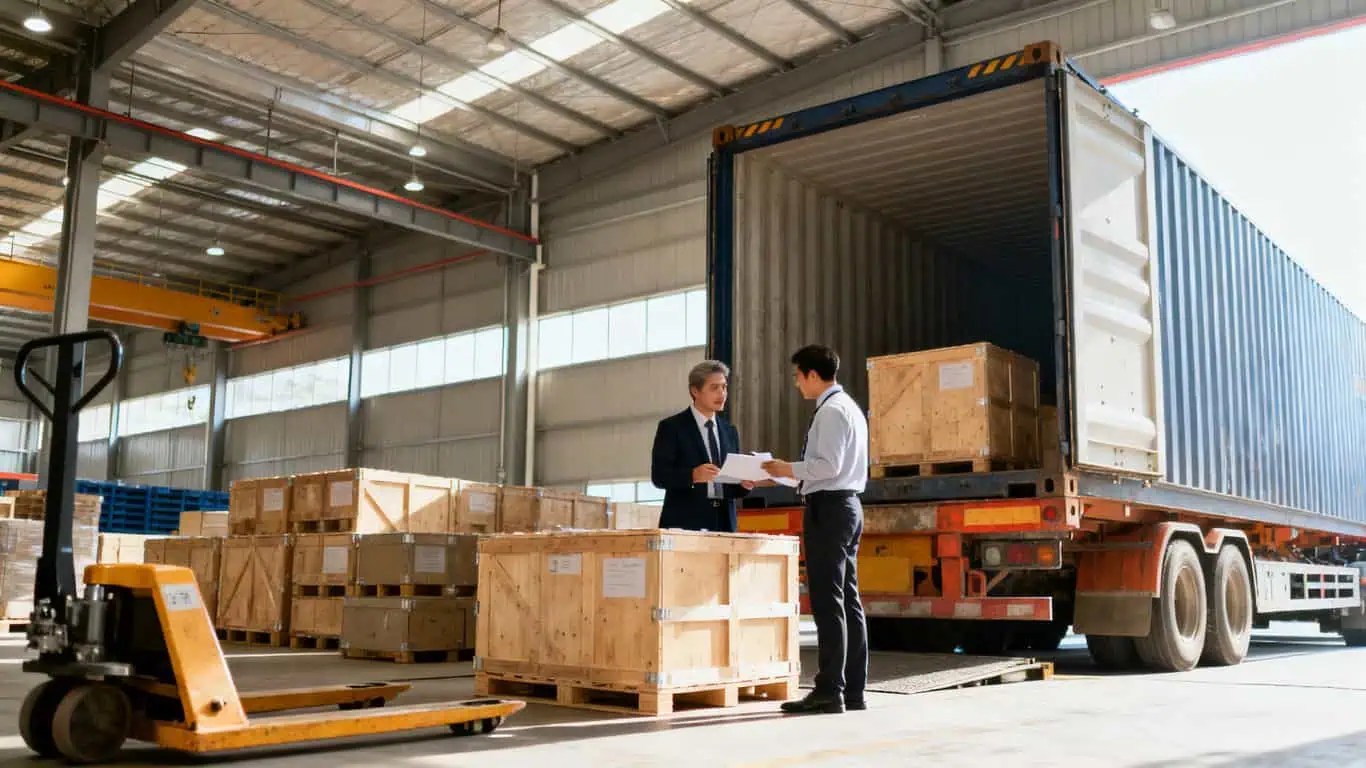
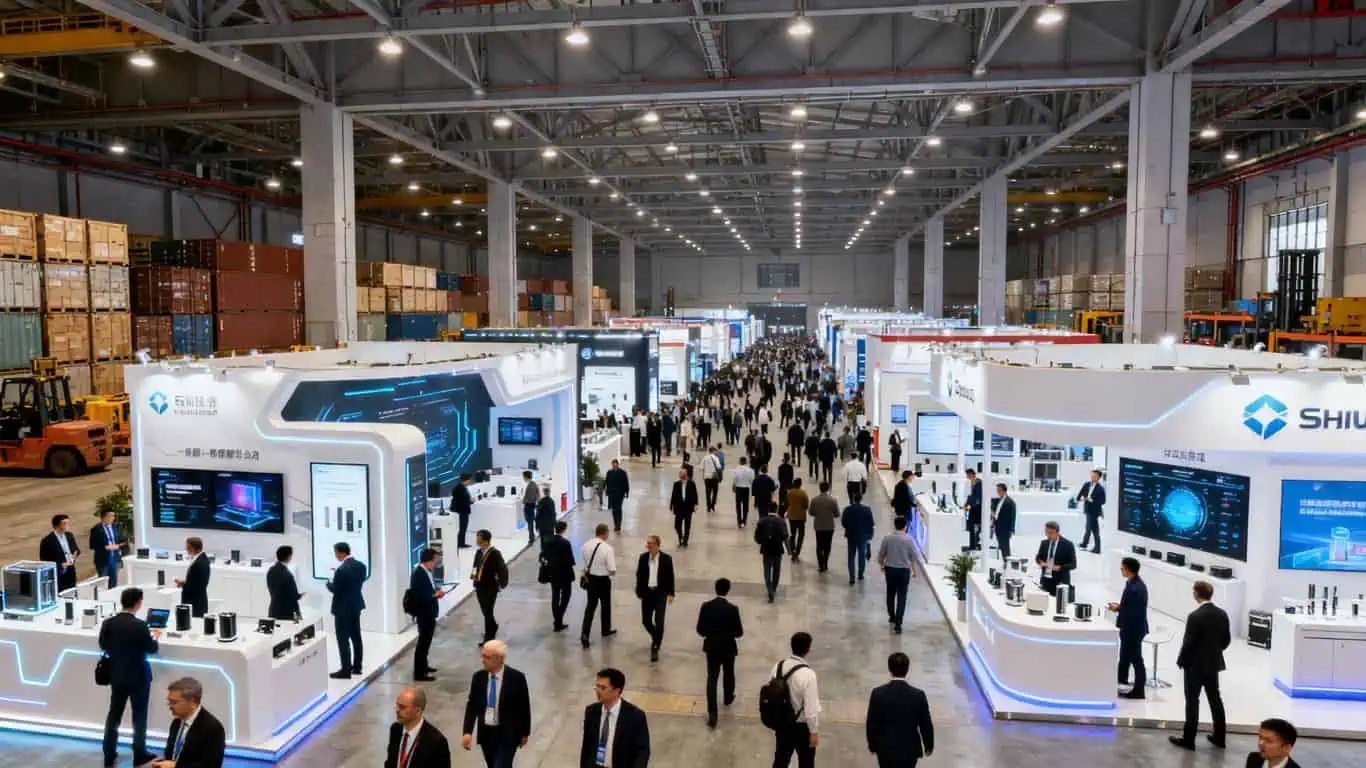
China is home to some of the largest and most influential furniture wholesale markets in the world, forming the backbone of the global furniture trade. These markets are not only massive commercial hubs but also integrated ecosystems where manufacturers, designers, exporters, and international buyers converge.
From luxury showroom complexes to vast multi-building wholesale districts, China offers unmatched variety, scale, and pricing advantages for furniture sourcing.
For global buyers, understanding the top furniture wholesale markets in China is essential for accessing competitive pricing, discovering new product designs, and connecting directly with manufacturers.
These markets showcase everything from modern residential furniture and office systems to customized hotel furnishings and high-end designer collections.
Top Furniture Wholesale Markets in China

Foshan Furniture Markets – The Global Capital of Furniture Trade
Foshan in Guangdong Province is widely recognized as the largest furniture wholesale hub in the world. The city is a central point in China’s furniture supply chain and attracts thousands of international buyers every year.
One of the most famous destinations is the Louvre International Furniture Exhibition Center, a massive complex featuring premium furniture brands, high-end showrooms, and luxury design collections. Buyers can explore a wide range of styles, including contemporary European designs, minimalist modern furniture, and customized luxury interior solutions.
Another major hub is Sunlink Furniture City, which consists of multiple phases and thousands of suppliers offering products such as sofas, beds, dining sets, office furniture, and hotel furniture. Foshan’s markets are highly organized, making it easier for buyers to compare suppliers and negotiate directly with manufacturers.
Foshan’s strength lies in its complete industrial ecosystem—factories, raw material suppliers, logistics providers, and export agents are all located nearby, creating a highly efficient sourcing environment.
Guangzhou Furniture Wholesale Markets – Diverse and Export-Oriented
Guangzhou is another major furniture sourcing destination known for its export-oriented wholesale markets and trade exhibitions. The city offers a diverse mix of furniture styles, from affordable mass-market products to high-end custom designs.
Markets such as Shunde Furniture Wholesale District and various specialized exhibition centers host thousands of suppliers across different categories. Buyers can source upholstered furniture, cabinetry, office systems, outdoor furniture, and interior décor products.
Guangzhou is particularly popular among international buyers because of its strong logistics infrastructure and proximity to major ports. This makes shipping and export procedures faster and more efficient compared to inland markets.
Shenzhen Furniture Markets – Innovation and Modern Design Hub
Shenzhen is known for its innovation-driven economy, and its furniture markets reflect this modern, technology-focused approach. The city is home to design-oriented showrooms and manufacturers specializing in smart furniture, minimalist aesthetics, and contemporary urban styles.
Furniture markets in Shenzhen often emphasize:
- High-end modern furniture
- Smart home-integrated furniture
- Creative interior design solutions
- Office and commercial workspace systems
Shenzhen is especially attractive for buyers seeking cutting-edge furniture designs that align with global interior trends.
Dongguan Furniture Manufacturing and Wholesale Centers
Dongguan plays a crucial role in China’s furniture export industry, offering a strong mix of manufacturing facilities and wholesale showrooms. The city is known for its well-developed industrial zones that specialize in both mass production and customized furniture solutions.
Key product categories in Dongguan include:
- Upholstered furniture
- Wooden furniture
- Office furniture systems
- Hotel and hospitality furniture
- Modular interior solutions
Dongguan’s proximity to major ports and logistics networks makes it highly efficient for international shipping and large-scale procurement projects.
Shanghai Furniture Wholesale Markets – Premium and International Focus
Shanghai represents the premium segment of China’s furniture wholesale industry. The city hosts numerous high-end furniture exhibitions and design centers that cater to luxury residential and commercial projects.
Shanghai markets focus heavily on:
- Luxury designer furniture
- International brand collaborations
- Contemporary European-style interiors
- High-end office and commercial furnishings
The city also hosts major international furniture exhibitions that attract designers, architects, and global buyers seeking exclusive and innovative furniture solutions.
Chengdu and Interior Market Expansion in Western China
Chengdu is emerging as a growing furniture wholesale and distribution hub in Western China. While not as large as Guangdong-based markets, it is rapidly developing due to increasing demand in central and western regions.
Chengdu markets offer:
- Affordable residential furniture
- Mid-range office furniture
- Localized manufacturing solutions
- Expanding export capabilities
The city is becoming an important alternative sourcing destination for buyers seeking competitive pricing outside of coastal regions.
Key Advantages of China’s Furniture Wholesale Markets

Massive Product Variety
China’s wholesale furniture markets offer one of the most diverse product selections in the world. Buyers can source virtually every furniture category, including:
- Home furniture
- Office furniture
- Hotel furniture
- Outdoor furniture
- Custom interior solutions
- Luxury designer pieces
Factory-Direct Pricing
Most wholesale markets are closely connected to manufacturing hubs, allowing buyers to access factory-direct pricing without excessive intermediary costs. This results in significant cost savings for bulk orders and commercial projects.
Customization Opportunities
Many suppliers in China’s furniture markets offer OEM and ODM services, allowing buyers to customize designs, materials, colors, dimensions, and branding according to specific project requirements.
Efficient Supply Chain Integration
Wholesale markets in cities like Foshan and Guangzhou are integrated with manufacturing zones, logistics providers, and export services. This ensures smooth procurement processes, faster production cycles, and efficient international shipping.

China’s furniture wholesale markets are among the most powerful sourcing ecosystems in the world, offering unmatched variety, competitive pricing, and direct access to manufacturers. However, for international buyers—especially first-time importers—these markets can also present significant challenges. Understanding these obstacles is essential for avoiding costly mistakes and building a more efficient sourcing strategy.
Overwhelming Market Scale and Supplier Density
One of the first challenges buyers face is the sheer size of furniture wholesale markets. Cities like Foshan and Guangzhou contain thousands of showrooms spread across massive commercial complexes. Each building may house hundreds of suppliers offering similar products with slight variations in design, quality, and pricing.
This creates a situation where buyers can easily feel overwhelmed by:
- Too many supplier options
- Difficulty comparing products efficiently
- Repetitive or visually similar designs
- Time-consuming on-site visits
Without proper planning or local guidance, it becomes easy to miss high-quality suppliers or waste time on unsuitable ones.
Quality Inconsistency Between Suppliers
Another major challenge is inconsistent product quality across different vendors. Even within the same wholesale market, furniture quality can vary significantly depending on the manufacturer’s production standards, materials used, and export experience.
Common quality issues include:
- Lower-grade wood or MDF substitutions
- Poor stitching or upholstery finishing
- Weak structural durability
- Inconsistent color or material matching
- Packaging that is not export-ready
Buyers who rely only on showroom samples may not always see the full picture of mass production quality, which can lead to disappointing results after shipment.
Language and Communication Barriers
Most suppliers in China’s wholesale furniture markets primarily communicate in Mandarin or basic English. This can create misunderstandings during negotiations or when discussing technical specifications.
Communication challenges often include:
- Misinterpretation of product details
- Incorrect customization instructions
- Confusion about pricing terms or MOQs
- Delays in response and decision-making
These language gaps can lead to production errors, shipment delays, or unexpected costs if not managed carefully.
Difficulty Verifying Supplier Credibility
Not all suppliers in wholesale markets are direct manufacturers. Some are trading companies, resellers, or small workshops without stable production capacity. For international buyers, identifying reliable and legitimate factories can be difficult.
Risks include:
- Fake or inflated factory claims
- Lack of export experience
- Inconsistent production capability
- Poor after-sales support
Without proper verification, buyers may unknowingly partner with unreliable suppliers, leading to delays and quality issues.
Complex Pricing Structures and Hidden Costs
Furniture pricing in Chinese wholesale markets is often not straightforward. The initial quoted price may not include additional costs such as customization, packaging upgrades, export labeling, or shipping preparation.
Hidden cost challenges may include:
- Material upgrade fees
- Custom design charges
- Export packaging costs
- Sample fees
- Logistics and handling charges
Buyers unfamiliar with local pricing structures may end up paying more than expected if all costs are not clearly negotiated upfront.
Minimum Order Quantities (MOQs)
Many wholesale furniture suppliers require minimum order quantities, especially for factory-direct pricing. These MOQs can be challenging for small or medium-sized businesses.
Typical issues include:
- High quantity requirements per design or color
- Limited flexibility for sample or trial orders
- Difficulty mixing multiple designs in one order
This can create barriers for new importers or businesses testing product markets.
Logistics and Export Coordination Challenges
Even after selecting suppliers, buyers must manage complex logistics and export procedures. Furniture is bulky, heavy, and often requires careful packaging and container planning.
Common logistics challenges include:
- Coordinating shipments from multiple factories
- Ensuring proper packaging for international transport
- Handling customs documentation
- Avoiding shipping delays
- Managing freight costs effectively
Without professional logistics support, these steps can become time-consuming and error-prone.
Time-Consuming On-Site Sourcing Process
Visiting multiple wholesale markets requires significant time and physical effort. Buyers often need several days—or even weeks—to properly explore suppliers, compare products, and negotiate deals.
Challenges include:
- Long travel times between markets
- Scheduling factory visits
- Managing appointments with suppliers
- Fatigue from extensive showroom visits
This can reduce efficiency, especially for international buyers with limited time in China.
Conclusion
China’s furniture wholesale markets represent a powerful global sourcing network that connects manufacturers, designers, and international buyers in one highly efficient ecosystem. From the massive furniture complexes in Foshan and Guangzhou to the innovation-driven markets in Shenzhen and premium showrooms in Shanghai, each region offers unique advantages for different sourcing needs.
These markets provide unmatched product variety, competitive pricing, customization options, and direct access to manufacturers, making China the leading destination for global furniture procurement. However, due to the scale and complexity of these markets, professional sourcing support is often essential for ensuring quality, reliability, and cost efficiency.
For businesses looking to source furniture at scale, China’s wholesale markets remain one of the most valuable and strategic resources in the global furniture industry.
Frequently Asked Questions (FAQs) About Furniture Wholesale Markets in China

1. What are the biggest furniture wholesale markets in China?
The largest and most well-known furniture wholesale markets in China are located in Foshan and Guangzhou, especially in Guangdong Province. Foshan’s Louvre Furniture Mall and Sunlink Furniture City are globally recognized for their massive scale, variety, and direct access to manufacturers. Other important markets include Shenzhen, Dongguan, and Shanghai.
2. Why is Foshan considered the furniture capital of China?
Foshan is considered the furniture capital because it has the highest concentration of furniture factories, showrooms, and wholesale complexes in the world. The city offers a complete industrial ecosystem, including raw material suppliers, manufacturers, logistics providers, and export services, making sourcing highly efficient and cost-effective.
3. Can international buyers purchase directly from furniture wholesale markets in China?
Yes, international buyers can purchase directly from furniture wholesale markets. However, many suppliers primarily focus on bulk orders and export transactions. Buyers often benefit from working with sourcing agents who assist with negotiation, quality control, and logistics to ensure a smoother purchasing process.
4. What types of furniture can be found in Chinese wholesale markets?
Chinese furniture wholesale markets offer a wide range of products, including:
- Residential furniture (sofas, beds, dining sets)
- Office furniture (desks, chairs, workstations)
- Hotel and hospitality furniture
- Outdoor and garden furniture
- Luxury and designer furniture
- Custom-made and OEM/ODM products
5. Are furniture wholesale markets in China suitable for small businesses?
Yes, many wholesale markets are suitable for small businesses, especially those looking for affordable pricing and customization options. However, minimum order quantities (MOQs) may apply depending on the supplier. Small businesses often work with sourcing agents to combine orders and negotiate better terms with factories.