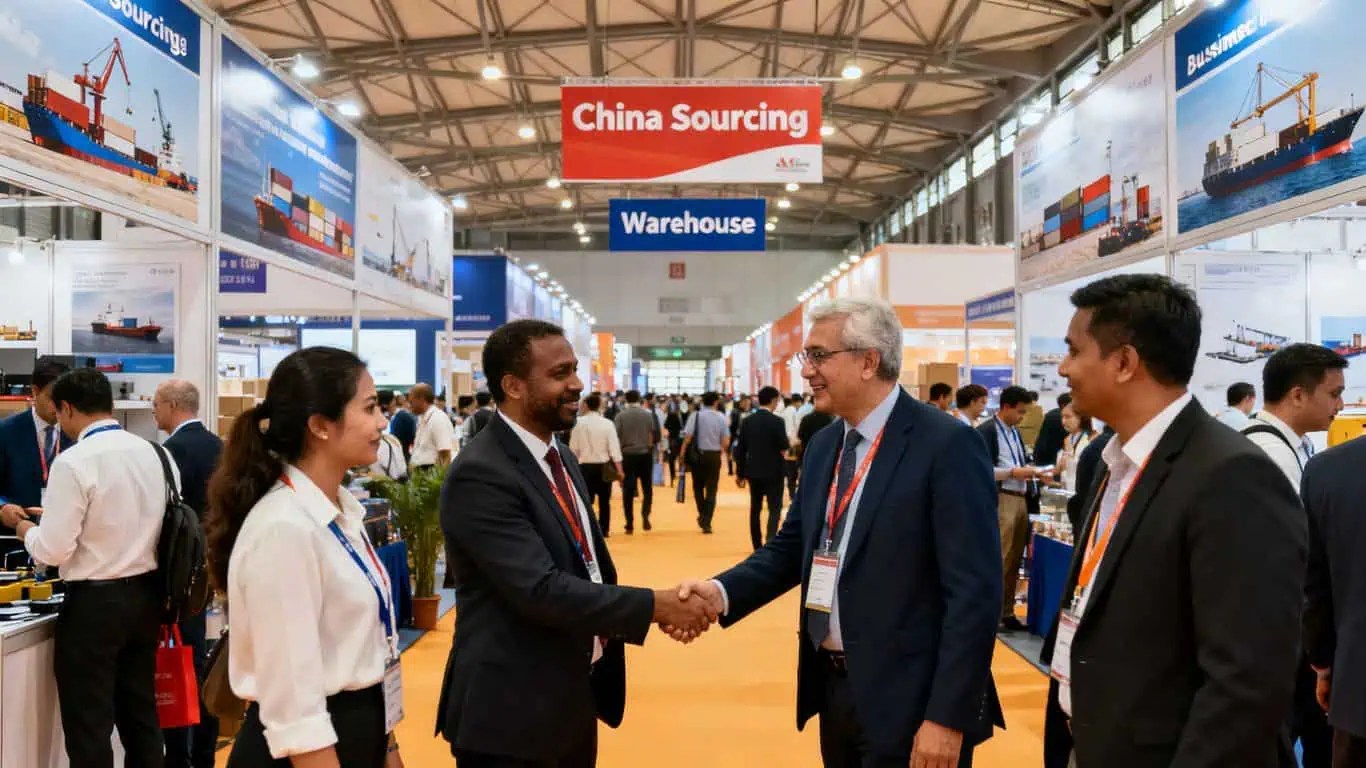
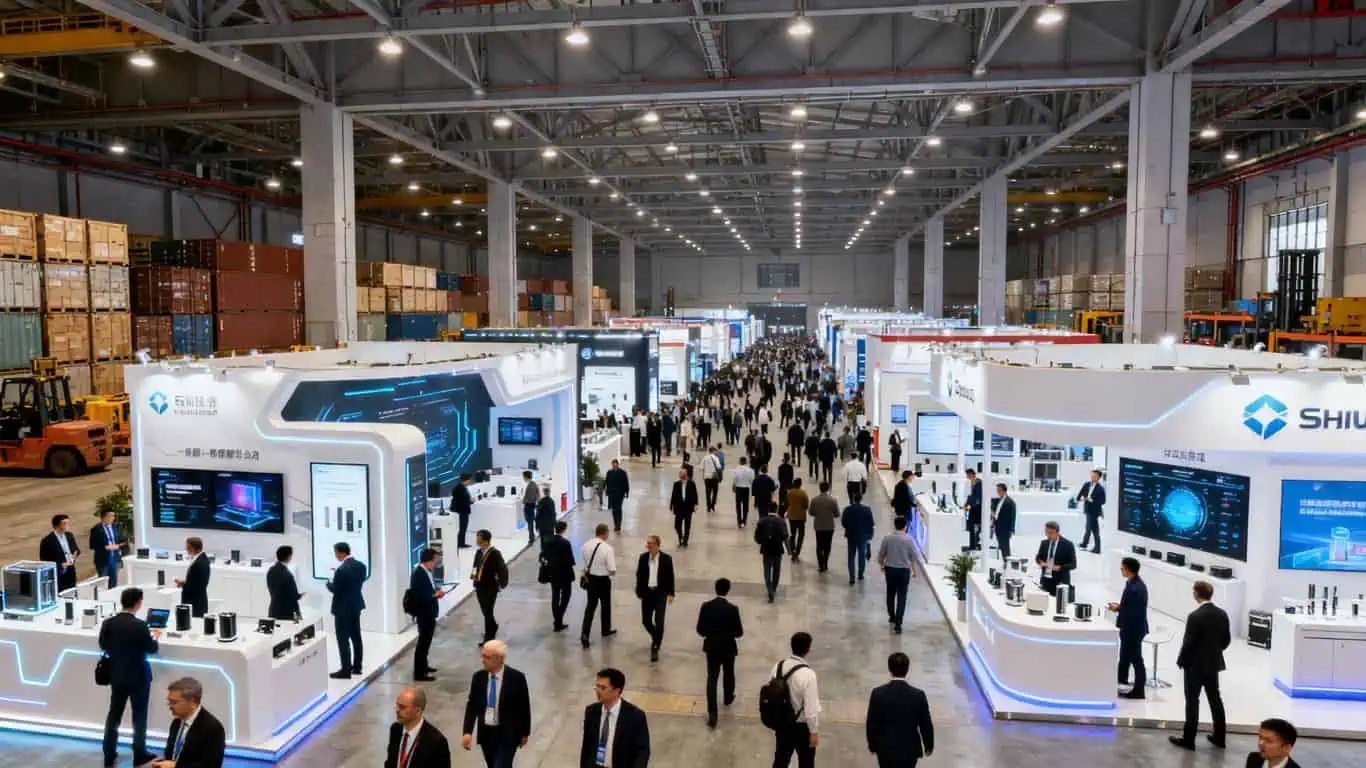
China remains the world’s manufacturing powerhouse, and if you’re serious about importing, sourcing, or building global supplier relationships, attending a Chinese export commodities fair can completely transform your business.
Online sourcing platforms are useful. Video calls are convenient. But nothing compares to walking factory booths, inspecting products firsthand, negotiating face-to-face, and discovering new trends before they hit the market.
In 2026, China will host dozens of international trade fairs—but not all are worth your time. Some focus on niche industries. Others attract only domestic buyers.
This guide covers 15 must-attend Chinese export commodities fairs in 2026—the events that truly matter for global importers, wholesalers, Amazon sellers, and industrial buyers.
Let’s dive in.
1. Canton Fair (China Import and Export Fair) – Guangzhou

The Canton Fair is the largest and most famous trade fair in China—and arguably in the world.
Held twice a year (Spring and Autumn), it attracts over 25,000 exhibitors and hundreds of thousands of international buyers.
Why It’s a Must-Attend:
-
Massive product variety
-
Direct factory access
-
Export-focused suppliers
-
Structured in 3 phases
Phases Include:
-
Electronics & Machinery
-
Consumer Goods & Home Products
-
Textiles, Furniture & Medical Products
If you can attend only one trade fair in China, this is the one.
2. Yiwu International Commodities Fair – Yiwu
Yiwu is known as the “world’s supermarket” for small commodities.
This fair focuses on:
-
Home décor
-
Toys
-
Stationery
-
Jewelry
-
Small electronics
-
Seasonal goods
It’s ideal for small and medium importers looking for variety and mixed container sourcing.
If your business deals in affordable, high-volume consumer goods, Yiwu Fair should be on your 2026 calendar.
3. China International Furniture Fair (CIFF) – Guangzhou & Shanghai

Furniture is one of China’s most profitable export categories.
CIFF is Asia’s largest furniture exhibition, covering:
-
Modern furniture
-
Office furniture
-
Outdoor furniture
-
Hotel furniture
-
Home décor
If you’re importing flat-pack furniture, minimalist home pieces, or commercial furnishings, this fair is essential.
4. China International Auto Parts Expo (CIAPE) – Beijing
The automotive industry in China is massive—and growing.
CIAPE focuses on:
-
LED car lights
-
Auto spare parts
-
Electric vehicle components
-
Car cleaning tools
-
Garage equipment
For businesses importing automotive accessories or car detailing tools, this fair provides access to reliable manufacturers and emerging automotive tech trends.
5. Hong Kong Electronics Fair – Hong Kong

Although technically in Hong Kong, this fair connects directly with mainland Chinese manufacturers.
It’s one of the best events for:
-
Consumer electronics
-
Smart home devices
-
IoT products
-
Wearables
-
Charging solutions
If you’re sourcing electronics or planning private label tech products in 2026, this fair offers cutting-edge innovations.
6. Global Sources Consumer Electronics Show – Hong Kong
Often compared to the Hong Kong Electronics Fair, Global Sources focuses heavily on verified suppliers and export-ready manufacturers.
It’s particularly useful for:
-
Amazon FBA sellers
-
Private label brands
-
Small electronics startups
Many exhibitors are experienced in OEM and ODM production.
7. China International Hardware Show (CIHS) – Shanghai

Hardware and tools remain strong export categories.
This fair features:
-
Power tools
-
Hand tools
-
Building materials
-
DIY products
-
Garden tools
If you import hardware, construction supplies, or industrial tools, CIHS provides access to serious manufacturers.
8. China International Industry Fair (CIIF) – Shanghai
For industrial buyers, CIIF is one of the most important expos in Asia.
It covers:
-
Industrial automation
-
Robotics
-
Manufacturing equipment
-
Energy solutions
-
Heavy machinery
This fair is ideal for companies sourcing large-scale industrial systems.
9. China Beauty Expo – Shanghai

Beauty and personal care products are booming globally.
This expo focuses on:
-
Cosmetics
-
Skincare
-
Beauty tools
-
Packaging solutions
Private label beauty brands can discover suppliers, packaging innovations, and formulation partners here.
10. China International Lighting Fair – Guzhen
Guzhen is known as China’s “Lighting Capital.”
This fair features:
-
LED lighting
-
Decorative lights
-
Smart lighting systems
-
Commercial lighting
If you import LED lights (including automotive or home lighting), this fair is highly specialized and supplier-rich.
11. China International Pet Show (CIPS) – Shanghai

The pet industry continues to grow worldwide.
CIPS showcases:
-
Pet accessories
-
Grooming tools
-
Pet electronics
-
Feeding systems
-
Pet toys
For importers in the pet niche, this fair is extremely valuable.
12. China International Kitchen & Bathroom Expo – Shanghai
Home renovation and kitchen upgrades remain strong consumer trends.
This expo features:
-
Kitchen appliances
-
Bathroom fixtures
-
Smart home solutions
-
Cabinet systems
If you import home improvement products, this event offers high-quality factory connections.
13. China Toy Expo – Shanghai

The global toy market is competitive—but profitable.
This expo focuses on:
-
Educational toys
-
Plastic toys
-
Electronic toys
-
Licensed products
It’s particularly valuable before holiday retail seasons.
14. China International Solar & Renewable Energy Expo – Beijing
Sustainability is no longer optional—it’s a global priority.
This fair includes:
-
Solar panels
-
Solar lighting
-
Renewable energy systems
-
Energy storage solutions
If you import solar-powered products or renewable equipment, this fair is worth attending.
15. Shenzhen International Electronics Fair – Shenzhen

Shenzhen is the heart of China’s electronics manufacturing.
This expo focuses on:
-
PCBs
-
Circuit boards
-
Advanced consumer electronics
For businesses involved in tech hardware development, Shenzhen fairs provide direct access to cutting-edge manufacturers.
Why Attend Chinese Export Commodity Fairs in 2026?
Trade fairs offer advantages that online sourcing cannot match:
1. Direct Supplier Verification
You meet factory representatives face-to-face.
2. Real Product Inspection
Touch, test, compare quality instantly.
3. Faster Negotiations
Deals often move quicker in person.
4. Trend Discovery
You spot new products before competitors.
5. Networking Opportunities
You connect with freight forwarders, sourcing agents, and industry experts.
In 2026, with competition increasing globally, physical presence at trade fairs can provide a strong competitive edge.
Tips for Attending a Chinese Trade Fair

Attending a Chinese trade fair can be one of the smartest business moves you make—but only if you prepare properly.
These events are massive, fast-paced, and packed with opportunity. Without a strategy, you’ll walk miles, collect hundreds of brochures, and leave overwhelmed.
With the right plan, you’ll walk away with verified suppliers, negotiated deals, and real competitive advantages.
Here’s how to make your trade fair visit productive, efficient, and profitable.
1. Register Early and Plan Your Schedule
Most major fairs like the Canton Fair, CIFF, or Hong Kong Electronics Fair require pre-registration. Register online in advance to avoid long entry lines.
Once registered:
-
Review the exhibitor list
-
Identify priority suppliers
-
Map booth locations
-
Schedule meetings ahead of time
Trade fairs are huge. Some cover multiple halls across several buildings. If you don’t plan, you’ll waste valuable hours just navigating.
Treat it like a business mission—not a sightseeing trip.
2. Define Your Sourcing Goals Clearly
Before stepping into the exhibition hall, ask yourself:
-
What exact products am I sourcing?
-
What’s my target price range?
-
What’s my expected MOQ?
-
Do I need private labeling?
-
What certifications are required?
If you don’t know what you’re looking for, suppliers will overwhelm you with options.
Clarity saves time—and prevents impulsive decisions.
3. Bring Business Cards and Professional Materials
In China, business cards are still extremely important.
Bring plenty. You’ll exchange dozens per day.
Also consider bringing:
-
Product specifications
-
Target pricing sheet
-
Branding requirements
-
Company introduction
Professional presentation builds credibility and encourages suppliers to take you seriously.
4. Compare Multiple Suppliers Before Committing
It’s tempting to place orders on the spot—but don’t rush.
For every product category:
-
Visit at least 3–5 suppliers
-
Compare quality
-
Compare pricing
-
Ask about lead times
-
Discuss customization options
Even if two products look identical, pricing and service levels may vary significantly.
Competition works in your favor—use it.
5. Inspect Product Quality Carefully
One of the biggest advantages of attending a Chinese trade fair is physical inspection.
Check:
-
Material quality
-
Finishing details
-
Packaging standards
-
Weight and durability
-
Functionality
Ask for samples if necessary.
Photos online can hide flaws. In-person inspection eliminates surprises later.
6. Ask the Right Questions
Don’t just ask for price. Ask strategic questions:
-
Are you a factory or trading company?
-
What is your monthly production capacity?
-
Can you provide certifications (CE, FCC, ISO, etc.)?
-
What is your main export market?
-
What is your average lead time?
-
Do you support OEM/ODM?
Strong suppliers will answer confidently and clearly.
7. Take Detailed Notes and Photos
After visiting 20 booths, they will start to blur together.
Immediately record:
-
Supplier name
-
Booth number
-
Quoted price
-
MOQ
-
Key strengths
-
Concerns
Take product photos (with permission).
Organization prevents confusion later when you review options.
8. Schedule Factory Visits After the Fair
Trade fairs are introductions—not final decisions.
If you’re placing a large order, arrange factory visits after the event.
Seeing the actual production facility gives you insight into:
-
Production scale
-
Quality control systems
-
Workforce professionalism
-
Machinery capabilities
Factory verification reduces risk significantly.
9. Prepare for Negotiation
Face-to-face negotiation is powerful.
Suppliers are often more flexible at trade fairs because they want to secure international clients.
Be respectful but confident.
Instead of demanding lower prices, try:
-
“Can you improve this price for a long-term partnership?”
-
“What price would you offer for 20% higher volume?”
Negotiation is about building relationships—not confrontation.
10. Follow Up Quickly After the Fair
After returning home:
-
Email shortlisted suppliers within 3–5 days
-
Confirm discussions in writing
-
Request updated quotations
-
Order samples
-
Clarify production timelines
Momentum matters. If you delay, suppliers may prioritize other buyers.
Quick follow-up shows professionalism.
Conclusion
China’s export trade fairs remain powerful gateways to global sourcing success. Whether you’re importing furniture, LED car lights, car cleaning tools, electronics, or industrial machinery, there’s a specialized fair designed for your industry.
The Canton Fair remains the most comprehensive event, while specialized expos like CIFF, CIAPE, and Hong Kong Electronics Fair provide focused sourcing opportunities.
In 2026, attending the right Chinese export commodities fair could be the strategic move that strengthens supplier relationships, improves margins, and keeps you ahead of competitors.
The opportunity is there—you just have to show up.
FAQs About Chinese Trade Fairs

1. What is the biggest export fair in China?
The Canton Fair in Guangzhou is the largest and most influential trade fair in China.
2. Do I need an invitation to attend Chinese trade fairs?
Most fairs require online pre-registration, and some may require business credentials.
3. Are Chinese trade fairs suitable for small businesses?
Yes. Many fairs, especially Canton and Yiwu, cater to small and medium-sized importers.
4. How many days should I plan for a trade fair visit?
Plan at least 3–5 days depending on the size of the event and your sourcing goals.
5. Is it better than sourcing online?
In-person fairs provide stronger supplier validation, better negotiations, and access to new product trends.