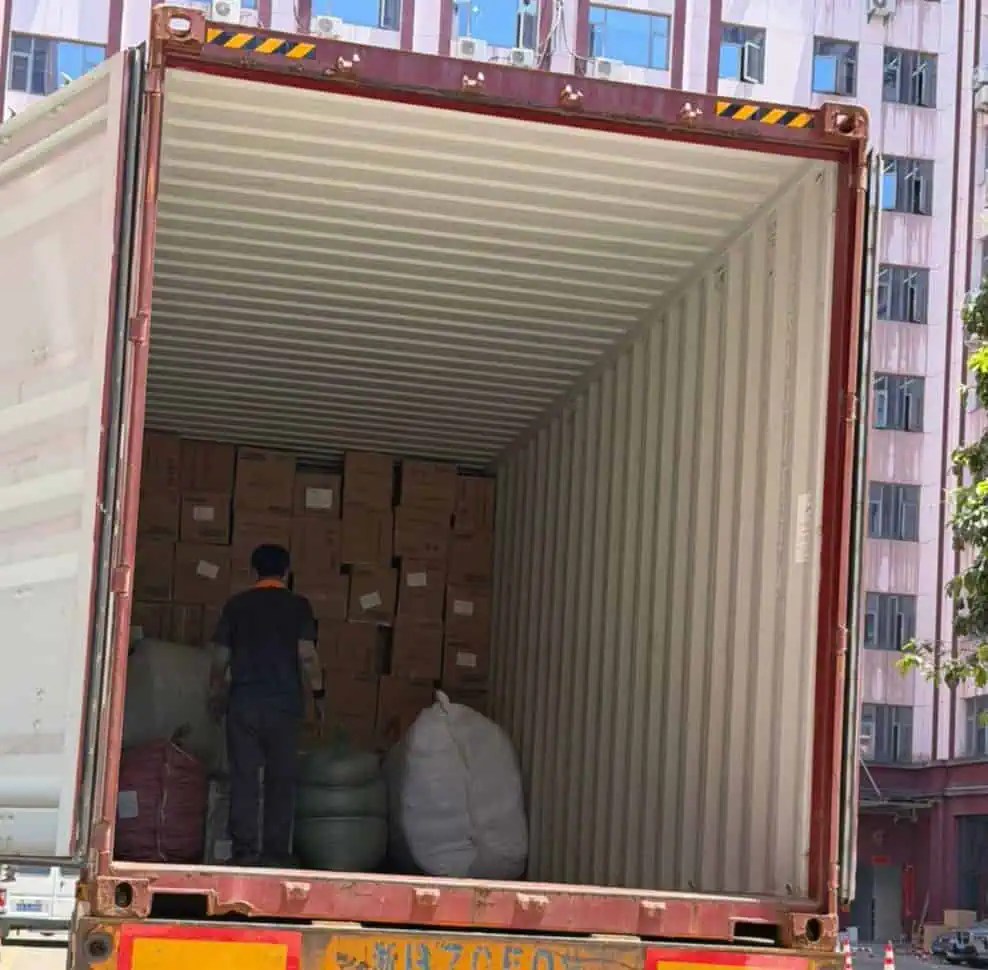
Product Quality Inspection in China?
Importing products from China has become a cornerstone of global commerce. From electronics and consumer goods to machinery and apparel, businesses around the world rely on Chinese manufacturers to supply affordable products at scale.
However, while sourcing from China can significantly reduce manufacturing costs, it also introduces one major challenge: ensuring consistent product quality.
For many importers, quality issues arise because they rely solely on supplier assurances without verifying the goods before shipment. A factory may produce items that look perfect in samples but fail to meet expectations in mass production.
Without proper inspection, businesses may only discover defects once the shipment arrives in their home country—at which point returning or replacing the goods becomes expensive and time-consuming.
Quality inspection acts as a safeguard against these risks. It involves evaluating products during different stages of manufacturing to confirm that they meet specifications, quality standards, and safety requirements.
Inspections can detect issues such as manufacturing defects, incorrect materials, packaging errors, or missing components before the products leave the factory.
The importance of inspection becomes even more evident when considering the scale of global trade. According to international logistics reports, millions of containers leave Chinese ports every year.
With such massive production volumes, even small manufacturing errors can lead to significant financial losses for importers if they go unnoticed.
This guide explains the essential elements of product quality inspection in China, including the different types of inspections, the key checkpoints inspectors evaluate, and the role of third-party inspection companies.
By understanding what to check before shipping, importers can reduce risks and build a reliable global supply chain.
Risks of Skipping Product Inspection
Skipping product inspection might seem like a way to save time and money during the importing process, but it can lead to serious problems once the goods reach their destination.
Many new importers assume that because they have received high-quality samples, the entire production batch will match the same standards. Unfortunately, this assumption does not always hold true in mass manufacturing.

One of the most common issues that occurs without inspection is manufacturing defects. During large-scale production, factories may experience equipment malfunctions, material inconsistencies, or human errors that result in defective products.
Without inspection, these problems may go unnoticed until the goods arrive at the importer’s warehouse.
Another major risk is incorrect product specifications. Suppliers sometimes substitute materials or components to reduce production costs, especially if the buyer does not closely monitor the manufacturing process.
For example, a product designed to use aluminum components might instead be manufactured with lower-quality plastic parts. While the change may not be immediately obvious, it can significantly affect durability and performance.
Packaging errors are another frequent problem. Incorrect labeling, missing barcodes, or damaged packaging can cause issues when products are sold through retail channels or e-commerce platforms.
For businesses selling through marketplaces such as Amazon, packaging errors can even result in inventory rejection.
There is also the risk of compliance failures. Certain products must meet strict safety regulations before they can be sold in international markets.
Electronics may require certifications such as CE or FCC, while children’s toys must comply with safety standards. If products fail to meet these requirements, they may be stopped at customs.
Ultimately, skipping inspection transfers all the risk to the importer. Conducting quality inspections before shipment ensures that any problems are discovered while the goods are still in the factory, where they can be corrected quickly.
Types of Product Quality Inspections in China
Product inspection is not a single event but rather a series of evaluations conducted at different stages of production. Each type of inspection serves a specific purpose and helps ensure that the final shipment meets quality expectations.

Importers typically rely on three main types of inspections: Pre-Production Inspection (PPI), During Production Inspection (DPI), and Pre-Shipment Inspection (PSI). These inspections are performed either by in-house quality control teams or by independent third-party inspection companies.
Pre-production inspection occurs before manufacturing begins. Inspectors verify that raw materials, components, and production plans meet the agreed specifications. This step helps prevent problems before they appear in the production line.
During production inspection takes place when approximately 20–50% of the goods have been manufactured. At this stage, inspectors evaluate early production units to ensure the manufacturing process is operating correctly. If defects are detected, the factory can make adjustments before completing the entire batch.
Pre-shipment inspection is the final quality check conducted once production is complete but before the goods leave the factory. Inspectors examine finished products, packaging, labeling, and quantity to ensure the shipment meets the buyer’s requirements.
Using a combination of these inspections provides the highest level of quality control. Each stage addresses different potential issues and allows manufacturers to correct mistakes before they escalate into major problems.
Pre-Production Inspection (PPI)
Pre-production inspection is the first step in the quality control process. It occurs before manufacturing begins and focuses on verifying that the factory has the correct materials, components, and production capabilities to produce the product according to specifications.

During this inspection, quality control professionals review raw materials and components to ensure they match the agreed product design. For example, if a product requires specific metals, plastics, or electronic parts, inspectors verify that these materials meet the required standards.
Inspectors also examine the factory’s production equipment and manufacturing processes. This evaluation helps determine whether the supplier has the necessary tools and technical expertise to produce the product correctly.
Another important part of pre-production inspection is reviewing the production schedule. This ensures the manufacturer can complete the order within the agreed timeframe.
By identifying potential issues before production starts, pre-production inspection helps prevent costly mistakes later in the manufacturing process.
During Production Inspection (DPI)
During production inspection occurs while manufacturing is underway, typically when around 30–50% of the goods have been produced. This stage allows inspectors to identify defects early enough for the factory to correct them before completing the entire order.
Inspectors evaluate randomly selected samples from the production line and compare them with the approved product specifications. They check factors such as dimensions, functionality, materials, and overall workmanship.
This inspection stage also evaluates whether the production process follows proper quality control procedures. Inspectors may review factory workflows, test equipment, and worker practices to ensure consistent manufacturing standards.
If problems are detected, the factory can implement corrective actions before completing the remaining units. This prevents large quantities of defective products from being produced.
Pre-Shipment Inspection (PSI)
Pre-shipment inspection is the most commonly used type of product inspection for importers. It takes place after production is complete but before the goods are packed and shipped.
Inspectors select a random sample of finished products and conduct detailed tests to verify quality, functionality, and appearance. This inspection also confirms that the correct quantity of products has been produced and that packaging meets the buyer’s requirements.
If the inspection results meet the required quality standards, the shipment is approved for export. If major defects are found, the importer can request rework or replacement before the goods leave the factory.
Key Elements of a Product Quality Inspection
When performing a product quality inspection in China, inspectors evaluate several critical factors to ensure the shipment meets the buyer’s specifications and international quality standards. These elements form the foundation of a reliable inspection process and help importers detect issues before goods leave the factory.

The first major element inspectors check is product conformity. This means confirming that the finished product matches the original design, technical drawings, and product specifications agreed upon during the sourcing stage. Inspectors measure dimensions, verify materials, and ensure the product’s appearance aligns with approved samples. Even small variations in size or material quality can significantly impact functionality or customer satisfaction.
Another important inspection element is functionality testing. Inspectors test products to ensure they work as intended. For electronic items, this may include powering the device, testing buttons, checking connectivity, or verifying battery performance. For mechanical products, inspectors may test moving parts, weight capacity, or assembly stability. These tests confirm that the product performs correctly in real-world conditions.
Quality inspectors also examine workmanship and finishing details. This involves visually checking products for scratches, dents, uneven surfaces, or poor assembly. Cosmetic defects may seem minor, but they can negatively affect a brand’s reputation when customers receive flawed products.
Another key element is quantity verification. Inspectors count the number of finished units and compare them with the purchase order. This ensures the shipment includes the correct number of products before containers are sealed.
Finally, inspectors review documentation and compliance records. They verify product certifications, testing reports, and labeling requirements to ensure the goods meet import regulations in the destination country.
Together, these inspection elements create a comprehensive quality control process that helps importers avoid costly mistakes and maintain high product standards.
Product Specifications and Functionality
One of the most important aspects of product inspection is verifying that the finished goods match the original product specifications provided by the buyer. These specifications may include measurements, materials, color requirements, electrical ratings, or performance characteristics.
Inspectors typically begin by comparing the product with the approved reference sample. This sample represents the standard that all production units must meet. Inspectors measure product dimensions using specialized tools such as calipers or measuring gauges to confirm accuracy.
Material verification is another crucial step. Some factories may substitute materials during production to reduce costs. For example, a product designed to use stainless steel components may instead be manufactured using cheaper alloys. Inspectors examine product materials carefully to ensure they match the specifications outlined in the purchase agreement.
Functionality testing is also conducted during this stage. Inspectors test key product features to confirm they operate correctly. For electronic products, this may include checking power supply stability, button functionality, display performance, or wireless connectivity. Mechanical products may be tested for durability, flexibility, or load capacity.
By verifying specifications and functionality, inspectors ensure that the product delivered to the importer performs exactly as intended.
Performance Testing and Durability
Performance testing focuses on evaluating how well a product functions under normal operating conditions. These tests help determine whether the product can withstand everyday use without failure.
For example, electronic devices may undergo power stability tests to ensure they function consistently without overheating or electrical faults. Lighting products may be tested for brightness levels and heat dissipation. Consumer products such as kitchen tools or furniture may be subjected to stress tests to confirm structural strength.
Durability testing often involves repeating certain actions many times to simulate real-world usage. For example, inspectors may repeatedly open and close hinges, press buttons, or apply pressure to moving parts. This helps determine whether the product will remain functional over time.
Another aspect of durability testing is environmental testing. Some products are exposed to temperature variations, humidity, or vibration to ensure they can survive shipping conditions and everyday use.
These tests help importers avoid selling products that may fail quickly after reaching customers, which could lead to returns, refunds, and negative reviews.
Visual Inspection and Workmanship
Visual inspection focuses on identifying cosmetic defects and assembly issues that could affect the product’s appearance or perceived quality. Even when products function correctly, poor visual quality can damage a brand’s reputation in competitive markets.
Inspectors carefully examine each sample unit under good lighting conditions. They check for scratches, dents, discoloration, paint inconsistencies, and uneven surfaces. Products with decorative finishes or coatings receive special attention to ensure uniformity.
Assembly quality is also evaluated. Inspectors check that components are aligned properly, screws are tightened correctly, and no parts are missing. Loose parts or poorly fitted components may indicate weak manufacturing processes.
Another common issue detected during visual inspection is inconsistent color matching. If products are manufactured in multiple batches, slight variations in color may occur. Inspectors verify that all units maintain consistent color standards according to the buyer’s specifications.
Visual inspection may seem simple, but it plays a vital role in ensuring that products meet customer expectations once they reach store shelves or online marketplaces.
Quantity Verification
Quantity verification ensures that the shipment contains the exact number of products specified in the purchase order. While this may sound straightforward, discrepancies in shipment quantities are surprisingly common in international trade.
Inspectors count finished units, cartons, and pallets to confirm that the correct quantity has been produced and packed. They compare these numbers with the purchase order and packing list to ensure accuracy.
In addition to counting products, inspectors check carton labeling and pallet organization. Proper labeling helps logistics teams identify and track shipments during transportation and warehousing. Missing or incorrect labels can lead to confusion and delays during customs clearance or distribution.
Quantity verification also ensures that the container loading plan is accurate. Inspectors confirm that cartons are stacked securely and that the container space is used efficiently without damaging the products.
This step prevents situations where importers receive fewer products than expected or encounter difficulties when distributing inventory to customers.
Packaging and Labeling Checks
Packaging plays a crucial role in protecting products during transportation and ensuring they arrive at their destination in perfect condition. Quality inspectors evaluate packaging materials, labeling accuracy, and carton durability during the inspection process.

Inspectors first examine the inner packaging, which may include protective foam, plastic wrapping, or molded inserts designed to prevent movement during transit. Proper cushioning is essential for fragile products such as electronics or glass items.
Next, inspectors evaluate outer packaging cartons. They check the strength of cardboard boxes and verify that they meet international shipping standards. Weak cartons may collapse during transport, leading to product damage.
Labeling accuracy is another important aspect of packaging inspection. Labels must include correct product information, barcodes, country-of-origin markings, and safety warnings where required.
Proper packaging and labeling not only protect products but also ensure compliance with retail and customs requirements.
Safety and Compliance Requirements
Many products must comply with specific international safety regulations before they can be imported into certain countries. During quality inspections, inspectors verify that products meet these regulatory requirements.
Common compliance checks include verifying certification marks such as CE (Europe), FCC (United States), and RoHS (Restriction of Hazardous Substances). Inspectors also review product manuals, safety labels, and warning instructions.
In some cases, inspectors may perform basic safety tests to confirm electrical insulation, grounding systems, or mechanical stability.
Ensuring compliance is essential because non-compliant products may be rejected by customs authorities or recalled from the market.
Working with Third-Party Inspection Companies

Many importers choose to hire third-party inspection companies to conduct quality checks on their behalf. These companies operate independently from the manufacturer and provide unbiased inspection reports.
Third-party inspectors visit factories, evaluate products according to the buyer’s specifications, and provide detailed reports including photos, measurements, and defect summaries.
Using independent inspectors helps importers maintain transparency and avoid conflicts of interest.
Popular Inspection Companies in China
Several well-known companies provide professional inspection services in China. These organizations have extensive experience working with international importers and follow standardized inspection procedures.
Some widely recognized inspection companies include:
| Inspection Company | Services |
|---|---|
| SGS | Quality inspection, testing, certification |
| Bureau Veritas | Factory audits and compliance testing |
| TÜV Rheinland | Product safety testing and certification |
| AsiaInspection (QIMA) | Quality control and supplier audits |
These companies provide detailed inspection reports that help buyers make informed decisions about shipment approval.
(Suggested visual: inspection report example screenshot.)
Product Quality Inspection Checklist
Before approving a shipment from China, importers should review the following checklist:
-
Verify product dimensions and specifications
-
Test product functionality and performance
-
Inspect visual appearance and workmanship
-
Confirm correct quantity of goods
-
Evaluate packaging strength and protection
-
Check labeling accuracy and barcodes
-
Verify safety certifications and compliance documents
-
Review inspection reports before shipment release
Following this checklist helps ensure that products meet quality expectations and regulatory requirements before leaving the factory.
Conclusion
Product quality inspection is one of the most important steps in the international sourcing process. While China offers enormous manufacturing capacity and competitive pricing, maintaining consistent quality requires careful oversight.
By conducting inspections at different stages of production—before manufacturing begins, during production, and before shipment—importers can identify problems early and ensure that the final goods meet their standards.
Working with experienced third-party inspection companies, verifying product specifications, and following structured inspection checklists significantly reduce the risks associated with overseas manufacturing.
Businesses that invest in proper quality control not only protect themselves from financial losses but also maintain the trust of their customers by delivering reliable products.
FAQs About Product Quality Inspection in China

1. What is product quality inspection in China?
Product quality inspection is the process of evaluating manufactured goods to ensure they meet the buyer’s specifications, safety standards, and quality requirements before shipment.
2. When should product inspections be conducted?
Inspections can be conducted during three main stages: before production, during production, and before shipment.
3. How much does a product inspection in China cost?
Most third-party inspection services cost between $200 and $400 per inspection, depending on the complexity of the product and location of the factory.
4. What happens if a product fails inspection?
If defects are found, the importer can request the manufacturer to fix the issues, replace defective units, or delay shipment until problems are resolved.
5. Do I need a third-party inspection company?
While not mandatory, using independent inspection companies provides unbiased quality verification and reduces the risk of defective shipments.