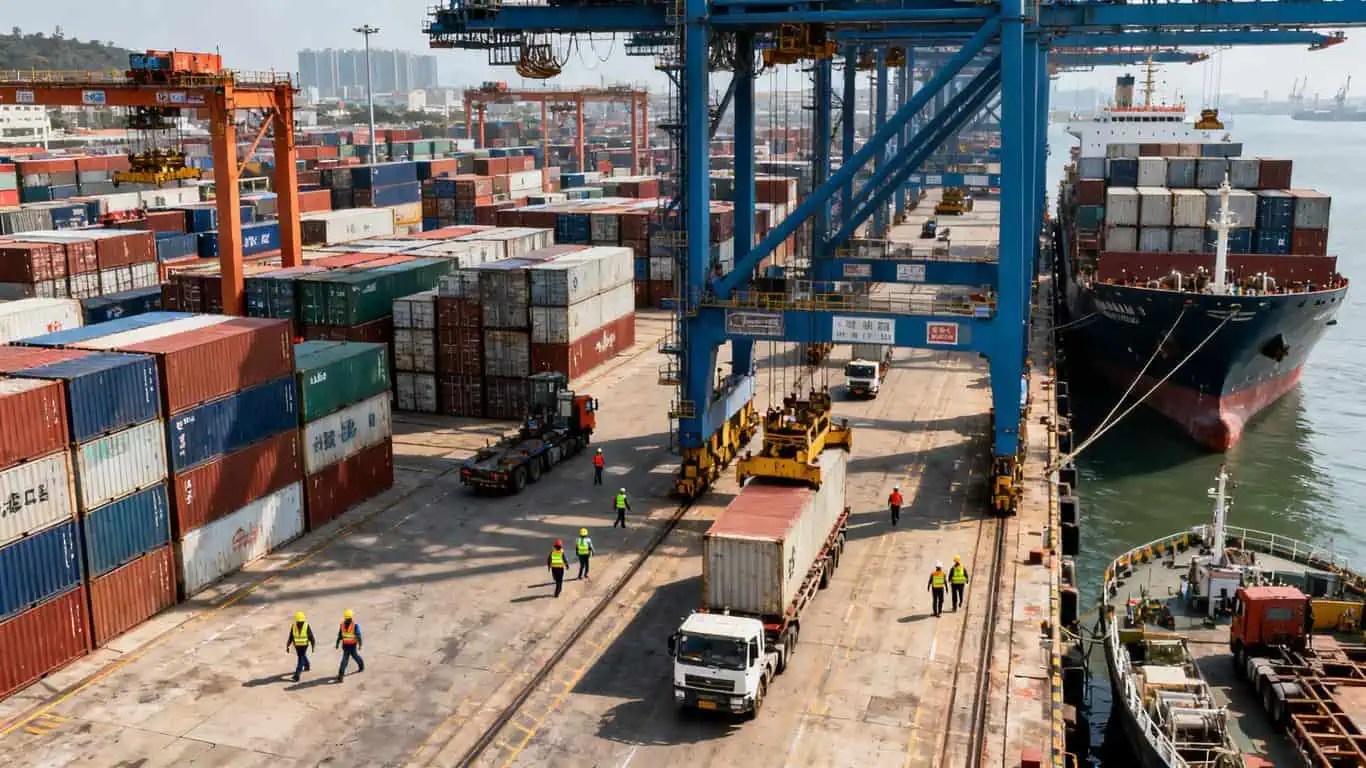
Global e-commerce and international trade have changed how businesses manage inventory and deliver products to customers.
Instead of storing goods only in their home country, many companies now rely on overseas warehousing and fulfillment services to improve shipping efficiency and reduce operational costs. One of the most important locations for these services is China, the world’s largest manufacturing hub.
When businesses source products from Chinese manufacturers, the goods often need to be stored temporarily before they are shipped to international customers, wholesalers, or distribution centers.
This is where China warehousing and fulfillment services come into play. These services allow companies to store products in professional warehouses within China while outsourcing the logistics tasks involved in order processing, packaging, and shipping.
Warehousing and fulfillment services are particularly useful for e-commerce sellers, importers, and global retailers. For example, an online store that sells products manufactured in China may choose to store inventory near the factory instead of shipping all products to another country first.
When customers place orders, the warehouse staff picks the products from inventory, packages them, and ships them directly to the buyer.
This logistics model reduces unnecessary transportation steps and helps businesses deliver products faster.
It also enables companies to consolidate shipments from multiple suppliers before exporting them overseas. By combining goods into larger shipments, businesses can significantly reduce shipping costs.
China has invested heavily in modern logistics infrastructure to support global trade. Major logistics hubs such as Shenzhen, Guangzhou, Shanghai, and Yiwu host thousands of warehouses equipped with advanced inventory systems and automated handling equipment.
Many of these facilities are operated by third-party logistics providers (3PLs) that specialize in international order fulfillment.
Understanding how China warehousing and fulfillment services work can help businesses design more efficient supply chains.
In this guide, we will explore how these services operate, the benefits they provide, and the key factors to consider when choosing a warehouse partner in China.
What Are Warehousing and Fulfillment Services

Warehousing and fulfillment services refer to the storage, management, and distribution of products on behalf of businesses. Instead of handling inventory and shipping operations internally, companies outsource these tasks to specialized logistics providers.
Warehousing involves storing goods in a secure facility until they are ready to be shipped. These warehouses are designed to organize inventory efficiently, allowing products to be stored, tracked, and retrieved quickly when orders arrive. Many warehouses in China are located close to manufacturing centers and major ports, making it easier to move goods through the supply chain.
Fulfillment, on the other hand, refers to the entire process of processing customer orders and preparing shipments. Once an order is received, warehouse staff locate the product in storage, pick the required quantity, pack it securely, and arrange delivery to the customer or retailer.
Modern fulfillment centers typically handle several key operations:
-
Receiving and inspecting incoming goods
-
Storing products in organized inventory systems
-
Processing customer orders
-
Picking and packing items for shipment
-
Coordinating domestic or international shipping
For example, imagine an online business selling electronic accessories manufactured in Shenzhen. Instead of shipping thousands of products to a warehouse in the United States or Europe, the business can store inventory in a Chinese fulfillment center. When customers place orders, the warehouse ships products directly to the buyer.
This approach allows businesses to operate globally while maintaining lean inventory management and lower logistics costs.
Why Businesses Use China-Based Warehouses
Many companies choose to store inventory in China because it offers several logistical and economic advantages. One of the biggest benefits is proximity to manufacturers. Since most products are produced in Chinese factories, storing goods near the source of production eliminates the need for immediate international shipping.
When businesses use warehouses in China, they can consolidate shipments from multiple suppliers before exporting them overseas.
For example, a retailer sourcing products from three different factories can send all goods to a single warehouse. The warehouse staff then combines these items into one container shipment, significantly reducing transportation costs.
Another major advantage is faster global order fulfillment. Some warehouses specialize in direct-to-consumer shipping, allowing products to be shipped directly from China to customers in other countries. This model is widely used by cross-border e-commerce businesses that sell through platforms such as Amazon, Shopify, and eBay.
China’s logistics network is also extremely advanced. The country has built extensive high-speed transportation systems, modern ports, and large distribution centers designed to handle massive volumes of goods.
According to global logistics reports, China’s ports process millions of containers every year, making them some of the busiest in the world.
Cost efficiency is another key reason businesses choose China-based warehousing. Storage costs and labor expenses are often lower than in many Western countries. By outsourcing logistics operations to specialized providers, businesses can scale their operations without investing in expensive infrastructure.
For companies involved in global sourcing and e-commerce, China warehouses provide a strategic advantage by simplifying supply chain management.
How China Warehousing Works

China warehousing operates through a structured process designed to manage large volumes of inventory efficiently. From receiving goods to storing them and eventually shipping them to customers, each stage follows standardized logistics procedures.
The process begins when goods arrive at the warehouse from manufacturers or suppliers. Warehouse staff unload the cargo and conduct a receiving inspection to ensure the shipment matches the provided documentation. This step verifies product quantities, packaging conditions, and item specifications.
Once the products are verified, they are entered into the warehouse’s inventory management system. Each product receives a unique identifier or barcode that allows it to be tracked throughout the storage and fulfillment process.
The goods are then placed in designated storage locations such as shelves, racks, or pallet zones. Warehouse layout design is optimized to ensure efficient product retrieval during order processing.
When an order is placed, warehouse workers retrieve the required products from storage, package them securely, and prepare them for shipment.
Receiving and Inventory Storage
Receiving inventory is the first operational step in a warehouse. When goods arrive from factories, they must be carefully inspected and recorded before being stored.
Warehouse staff check the shipment against the packing list and purchase order to confirm that the correct products and quantities have been delivered. If any discrepancies or damages are detected, they are reported immediately.
After verification, products are assigned storage locations within the warehouse. Items are typically stored using organized systems such as pallet racks or bin shelving.
Proper storage ensures products remain safe, organized, and easily accessible for order fulfillment.
Inventory Management Systems
Modern warehouses rely on advanced Warehouse Management Systems (WMS) to track inventory in real time. These digital platforms allow businesses to monitor stock levels, track product movements, and manage order fulfillment efficiently.
Each product stored in the warehouse is labeled with a barcode or RFID tag. Warehouse staff scan these identifiers when items are received, moved, or shipped. This process updates the inventory database automatically.
Using a WMS system helps prevent problems such as stock shortages, inventory misplacement, or shipping errors.
Order Fulfillment Process in China

The order fulfillment process is the operational heart of any warehousing system. Once inventory has been stored and organized in a Chinese warehouse, the next step is efficiently processing orders and shipping them to customers or distribution centers around the world.
For businesses operating in e-commerce or wholesale trade, fulfillment speed and accuracy can directly affect customer satisfaction and brand reputation.
The process begins when a customer places an order through an online store, marketplace platform, or wholesale purchasing system. Many modern warehouses in China integrate directly with platforms such as Shopify, Amazon, WooCommerce, and eBay.
When an order is received, the system automatically sends the order details to the warehouse management system (WMS). This automation ensures that warehouse staff can begin processing orders immediately without manual data entry.
Once the order is registered, the system generates a picking list, which identifies the items and quantities needed for that specific order.
Warehouse workers then retrieve the products from their storage locations and move them to the packing station. During this process, barcodes are scanned to ensure the correct products are selected.
After picking, the products move to the packing stage. Here, items are carefully packaged using protective materials such as bubble wrap, foam inserts, or protective cartons to prevent damage during transportation.
If the business requires customized branding, the warehouse can also include branded packaging, promotional materials, or product inserts.
The final stage of fulfillment involves generating shipping labels and preparing the parcel for dispatch through a courier or freight service. Depending on the destination, shipments may be sent through international express carriers, postal services, or freight forwarding networks.
By handling these steps efficiently, Chinese fulfillment centers enable businesses to deliver products to global customers quickly and reliably.
Picking and Packing Orders
Picking and packing are two of the most important operational tasks within any fulfillment warehouse. These processes ensure that each customer order is assembled accurately and prepared for safe delivery.
Order picking involves retrieving the required items from storage shelves or pallet racks based on the order details. Warehouse workers use handheld barcode scanners or mobile devices connected to the warehouse management system. These devices guide workers to the correct storage location and confirm that the correct product has been selected.
There are several picking methods commonly used in modern warehouses. Single-order picking involves selecting products for one order at a time, which is ideal for smaller warehouses or complex product selections. Batch picking allows workers to collect items for multiple orders simultaneously, improving efficiency during high-volume operations.
Once items are picked, they are transferred to the packing station. During packing, warehouse staff inspect the products again to confirm that the correct items and quantities have been selected. Protective packaging materials are added to reduce the risk of damage during shipping.
Many fulfillment centers also offer custom packaging services. Businesses can include branded boxes, custom labels, or promotional inserts to create a professional customer experience. This is particularly important for e-commerce companies looking to strengthen brand recognition.
Accurate picking and packing processes help minimize errors, reduce product returns, and ensure customers receive their orders in perfect condition.
Shipping and Delivery Coordination

Once orders have been packed, the next step is coordinating shipping and delivery. China-based fulfillment centers work with multiple logistics providers to ensure shipments reach their destinations quickly and cost-effectively.
Warehouse staff generate shipping labels and tracking numbers, which are automatically linked to the customer’s order. These tracking numbers allow both businesses and customers to monitor the shipment’s progress in real time.
Depending on the destination and urgency of the order, warehouses may use different shipping methods:
-
International express shipping through carriers like DHL, UPS, or FedEx
-
Postal services such as China Post for cost-effective small packages
-
Air freight for faster international shipments
-
Sea freight for large wholesale shipments
Many warehouses also provide shipping optimization services. They compare shipping rates from multiple carriers and select the most cost-efficient option for each order. This helps businesses reduce logistics costs while maintaining reliable delivery times.
For bulk shipments destined for overseas distribution centers or retailers, fulfillment centers may coordinate with freight forwarders to arrange container shipping and customs clearance.
Effective shipping coordination ensures that orders move smoothly from the warehouse to customers around the world.
Types of Warehousing Services in China
China offers a wide variety of warehousing solutions designed to support different types of businesses and supply chains. Understanding the different types of warehouse services can help companies select the most suitable logistics partner.
Some warehouses focus primarily on storage and distribution, while others provide complete fulfillment services that include inventory management, order processing, and international shipping.
The most common types of warehouses used by international businesses include:
-
Bonded warehouses
-
Third-party logistics (3PL) warehouses
-
E-commerce fulfillment centers
-
Cold storage warehouses for temperature-sensitive products
Each type of warehouse offers specific advantages depending on the nature of the goods being stored and the target market.
For example, companies importing large volumes of goods into China for resale often use bonded warehouses, while online retailers frequently rely on 3PL fulfillment centers that specialize in handling direct-to-consumer orders.
Bonded Warehouses
A bonded warehouse is a special type of storage facility authorized by customs authorities. Goods stored in these warehouses can be held without immediately paying import duties or taxes. This arrangement provides several financial and logistical advantages for international businesses.

When products are stored in a bonded warehouse, they remain under customs supervision until they are either exported or officially imported into the country. This means businesses can delay paying customs duties until the goods are released for domestic distribution.
Bonded warehouses are particularly useful for companies involved in re-export trade. For example, a company might import products from multiple countries, store them in a bonded warehouse in China, and then export them to international markets.
Another advantage of bonded warehouses is that businesses can perform certain value-added services while the goods are stored. These services may include repackaging, labeling, and product assembly without triggering import duties.
China operates many bonded logistics zones located near major ports and airports. Cities such as Shanghai, Shenzhen, and Guangzhou host some of the largest bonded warehouse facilities in the country.
Third-Party Logistics (3PL) Warehouses

Third-party logistics providers, commonly known as 3PL companies, operate warehouses that manage logistics operations on behalf of other businesses. Instead of building their own storage facilities and logistics teams, companies can outsource these responsibilities to specialized 3PL providers.
3PL warehouses offer a comprehensive range of services including:
-
Inventory storage and management
-
Order processing and fulfillment
-
Packaging and labeling services
-
Shipping and delivery coordination
-
Returns management
These providers often use advanced technology and automation systems to handle large volumes of orders efficiently. Because they work with multiple clients simultaneously, 3PL warehouses can offer economies of scale that reduce logistics costs.
Many international e-commerce businesses rely heavily on 3PL fulfillment centers located in China. These facilities can store inventory close to manufacturing centers and ship orders directly to customers worldwide.
Differences Between 3PL and Traditional Warehousing
Although both traditional warehouses and 3PL providers offer storage services, there are several key differences between them.
| Feature | Traditional Warehouse | 3PL Warehouse |
|---|---|---|
| Primary Service | Storage only | Storage + logistics services |
| Order Fulfillment | Usually not included | Included |
| Technology Integration | Limited | Advanced WMS systems |
| Shipping Coordination | Often handled separately | Managed by the provider |
Traditional warehouses mainly provide storage space for inventory. Businesses using these facilities typically handle their own order fulfillment and shipping arrangements.
In contrast, 3PL providers offer end-to-end logistics solutions that manage the entire supply chain process. This makes them particularly attractive for businesses seeking scalable logistics operations.
Benefits of Using China Fulfillment Services

China fulfillment services provide several advantages for businesses involved in global sourcing and e-commerce. One of the most important benefits is improved supply chain efficiency.
Because warehouses are located close to manufacturing hubs, goods can be transferred from factories to storage facilities quickly. This reduces transportation time and simplifies inventory consolidation.
Another major benefit is lower operational costs. Outsourcing logistics operations eliminates the need for businesses to invest in their own warehouses, equipment, and staff. Fulfillment providers already have the infrastructure needed to manage inventory and shipping operations efficiently.
Scalability is another key advantage. As businesses grow, they can easily increase storage space and fulfillment capacity without major investments in new facilities.
Finally, China fulfillment centers enable global distribution. Businesses can ship products directly from China to customers around the world without first transporting inventory to another country.
Faster Global Shipping
China’s advanced logistics infrastructure allows warehouses to connect with international shipping networks quickly. Many fulfillment centers are located near major ports, airports, and express courier hubs, allowing products to be dispatched rapidly.
For example, shipments leaving Shenzhen or Shanghai can reach major global markets within a few days using international express shipping. This speed allows businesses to compete effectively in fast-paced e-commerce markets.
Cost Reduction and Scalability
Cost efficiency is one of the primary reasons businesses choose Chinese fulfillment services. Labor costs, storage rates, and operational expenses are often lower compared to warehouses in Western countries.
Additionally, fulfillment providers allow businesses to scale their operations easily. Companies can increase or decrease storage space depending on seasonal demand without committing to long-term infrastructure investments.
Technology in Modern Chinese Warehouses
Modern Chinese warehouses rely heavily on automation and digital logistics systems. These technologies improve efficiency and reduce operational errors.
Automation tools such as conveyor belts, robotic picking systems, and automated sorting machines help warehouses process large volumes of orders quickly.
Warehouse management software also provides real-time data on inventory levels, shipment tracking, and order status.
(Suggested visual: automated warehouse system illustration.)
Choosing the Right China Warehouse Partner
Selecting the right warehousing partner is crucial for maintaining efficient supply chain operations. Businesses should evaluate several factors before choosing a logistics provider.
Key considerations include:
-
Warehouse location and proximity to ports
-
Technology and inventory management systems
-
Experience handling international shipments
-
Pricing structure and service flexibility
-
Customer support and communication quality
Choosing an experienced logistics partner can significantly improve supply chain performance.
(Suggested visual: checklist for selecting warehouse providers.)
Common Costs in Warehousing and Fulfillment
Warehousing and fulfillment services typically involve several types of fees. Understanding these costs helps businesses estimate their logistics budgets accurately.
Common charges include:
-
Storage fees based on the amount of space used
-
Receiving fees for processing incoming inventory
-
Pick and pack fees for order fulfillment
-
Shipping costs for delivery services
-
Value-added services such as labeling or packaging
By analyzing these costs carefully, businesses can select the most cost-effective logistics solutions.
(Suggested visual: warehouse cost breakdown chart.)
Conclusion
China warehousing and fulfillment services play a vital role in global supply chains. By providing storage, inventory management, and order processing capabilities, these facilities enable businesses to distribute products efficiently to international markets.
For companies sourcing products from Chinese manufacturers, using local warehouses offers numerous advantages including reduced logistics costs, faster shipping, and scalable operations.
Whether operating an e-commerce store or managing wholesale distribution, businesses can benefit from outsourcing logistics tasks to experienced fulfillment providers.
Understanding how these services work helps companies design smarter supply chains and compete effectively in the global marketplace.
FAQs About warehouses & Fulfillment Center in China

1. What is a fulfillment center in China?
A fulfillment center is a warehouse that stores products and handles order processing, packaging, and shipping on behalf of businesses.
2. How much does warehousing cost in China?
Costs vary depending on location and services but typically include storage fees, receiving charges, and pick-and-pack fees.
3. Can Chinese warehouses ship directly to customers overseas?
Yes. Many fulfillment centers specialize in cross-border e-commerce shipping to international customers.
4. What is the difference between a warehouse and a fulfillment center?
A warehouse mainly stores goods, while a fulfillment center also processes orders and manages shipping.
5. Are China fulfillment services suitable for small businesses?
Yes. Many providers offer flexible storage and shipping solutions designed specifically for small and medium-sized businesses.