Sales techniques and new customer acquisition are vital in the competitive organization of today. Product bundling helps increase consumer satisfaction and income. Offering a package of like products at a discount helps companies increase perceived value, shopping experience, and average order value.
How can your company develop the best approach to product bundling? This methodical approach will enable you to create a plan that pleases clients and meets corporate objectives.
What’s product bundling?
Let’s define product bundling before discussing the strategy. Products are bundled and sold together in product bundling. Businesses may provide customers with additional value and convenience while growing sales.
Different product bundles include:
- Pure bundles: These bundles can only be purchased together.
- Mixed Bundles: Customers can buy individual products from these bundles, but they get a discount.
- Cross-category bundles: These entail selling complementary products from different categories.
These product bundling methods allow firms to meet client needs.
Why Product Bundling Works?
Product bundling can boost business growth, not simply revenue. Here are some reasons bundling works:
- Increased AOV: Bundles can boost average transaction amounts by encouraging customers to buy more.
- Perceived Value: Bundles seem like a better deal. Feeling like they’re getting more for their money might boost satisfaction and loyalty.
- Simplified Decision-Making: Product bundling makes it easy for shoppers to pair their purchases. Their decision is made easier by the bundle’s ready-made solution.
- Clearance of Slow-Moving Inventory: Bundling slow-moving items with best-sellers helps move it. This can increase sales of things on your shelves.

Create the Perfect Product Bundling Strategy Step-by-Step
After covering the basics, let’s talk about creating the optimal product bundling plan for your organization.
Learn Your Customer’s Needs: Every successful product bundling approach starts with knowing the client’s demands. Who are your ideal clients? What problems do they want solved? What do they buy together often?
By analyzing customer pain points and preferences, you may customize bundles. If you sell fitness equipment, you could bundle a yoga mat with resistance bands or dumbbells to attract at-home training enthusiasts.
Choose Products to Bundle
Finding the correct products to bundle is the next step after understanding client preferences. Find a balance between popular and complementary products. Each bundle product should add value to the others.
Product bundle cost also matters. You want to price the bundle so customers think it’s a good bargain without sacrificing profit margins. Choose complementary products like:
- Accessories for main products
- Frequently bought items together
- Combinable items for a better experience
- Offer discounts strategically.
Product bundle pricing is a great strategy to sell bundles. Discounts can sweeten the transaction, but you must be strategic. Discounts should be large enough to make clients feel like they’re receiving a deal, but not so large to hurt your business.
For instance, buying each bundle item separately should cost more than buying the bundle as a package. Depending on product size and cost, 15%-25% discounts are ideal.
Bundles should be simple
When designing your product packaging approach, simplicity is crucial. Too many options might overwhelm shoppers and deter purchases. Stick to simple bundles.
Instead of giving several bundles, offer a few well-curated packages that are straightforward to grasp and appealing to your target audience. This reduces client misunderstanding and speeds up buying.
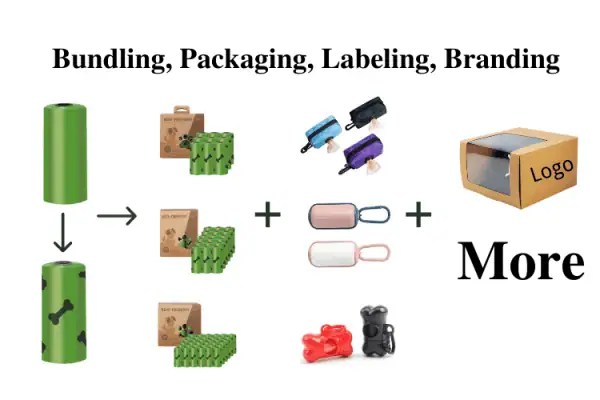
Product bundling
Use Upselling and Cross-Selling with Bundles
Adding upselling and cross-selling to your product bundling strategy can boost revenue. A package with a basic product and a premium version for a little cost is an example.
Cross-selling works effectively in bundles. You might add a memory card or camera bag to a camera sale to make it more appealing.
Promote bundles
Customer awareness is key to a successful product bundling strategy. Promote packages on several platforms. Make sure your audience knows about your bundles and their value via social media, email, or your website.
Highlight bundles on your homepage, in emails, or with holiday or event specials to improve visibility. The more customers see your bundles, the more likely they are to buy.
How to Measure the Success of Your Product Bundling Strategy?
Track the performance of your product bundling strategy after implementation. Key metrics to track:
- Volume of sales: Compare bundle sales to individual products. Do customers choose bundles more often?
- Average Order Value (AOV): Check if bundles increase average order value. This means your product bundling strategy is working.
- Customer satisfaction: Get customer feedback on package satisfaction. Do they value the bundles? Will they buy again?
- Profit Margins: Make sure bundles make enough profit without sacrificing margins. Adjust the discount if it’s too high.
Conclusion
Customer satisfaction and company goals are needed to create the correct product packaging strategy. Understanding your customers’ needs, carefully selecting complementary goods, offering attractive prices, and effectively promoting bundles can boost sales, customer satisfaction, and loyalty.
Remember that good product packaging adjusts to market and client needs. Test and improve your approach to increase sales and client loyalty.