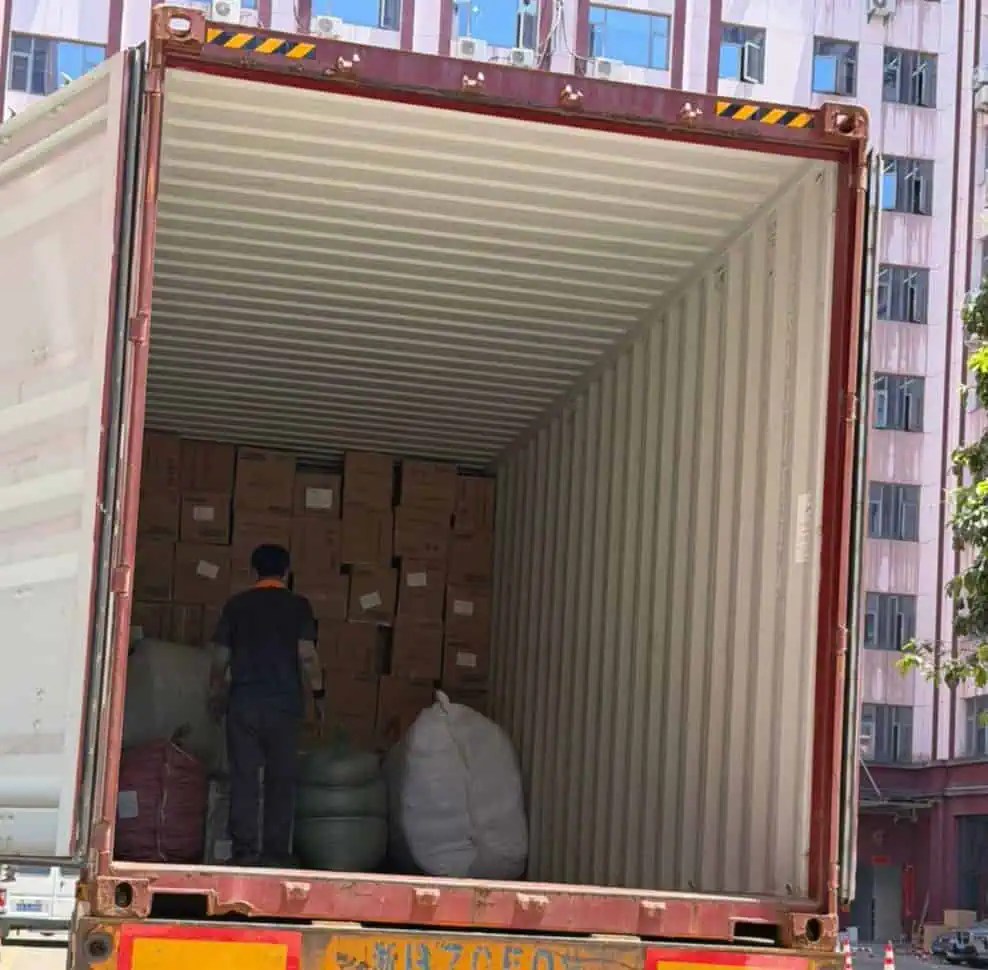
Sourcing products from China can unlock enormous business opportunities. Lower manufacturing costs, huge product variety, scalable production, and flexible customization have made China the world’s manufacturing powerhouse for decades. But there’s one major problem that continues to haunt importers in 2026: finding reliable suppliers.
Every year, businesses lose thousands — sometimes millions — of dollars to fake factories, trading company misunderstandings, poor-quality suppliers, and outright scams. That’s why supplier verification from China has become one of the most important steps in global sourcing.
At first glance, finding suppliers online looks incredibly easy. Platforms like Alibaba, Made-in-China, and Global Sources display thousands of manufacturers across nearly every product category imaginable. The challenge is that not every supplier is what they claim to be. Some are trading companies pretending to be factories.
Others exaggerate certifications, production capacity, or export experience. Some suppliers perform well with samples but fail during mass production. A few disappear completely after receiving deposits.
This is where supplier verification becomes critical. Verifying suppliers allows businesses to confirm legitimacy, inspect factory capabilities, evaluate production quality, and reduce sourcing risks before placing large orders. Professional sourcing companies like MindenSourcing help buyers conduct supplier verification in China through factory audits, business license checks, quality inspections, and production assessments.
In today’s highly competitive eCommerce environment, supplier reliability directly affects customer satisfaction, product quality, delivery timelines, and brand reputation. A bad supplier relationship can create inventory disasters, delayed launches, refund spikes, and long-term business damage.
A verified supplier, on the other hand, becomes a valuable long-term business partner capable of supporting sustainable growth.
This guide explains how supplier verification in China works, common sourcing risks, verification methods, factory audits, red flags to watch for, and how MindenSourcing helps businesses source more safely and efficiently.
Why Supplier Verification Matters in China Sourcing

Sourcing from China without supplier verification is like hiring a stranger off the street to build your house without checking whether they’ve ever held a hammer before. Sometimes things work out perfectly. Other times, the entire structure collapses halfway through the project.
Supplier verification exists because international sourcing carries real risks, especially when buyers operate thousands of miles away from the factories producing their products.
China remains the global manufacturing leader because of its unmatched production capacity, extensive supplier networks, and competitive pricing. According to sourcing platforms and manufacturing reports, China continues dominating categories like electronics, furniture, home goods, packaging, apparel, and consumer products in 2026.
But massive scale also creates massive variation in supplier quality. Some factories operate at world-class standards while others cut corners aggressively to reduce costs.
The consequences of choosing the wrong supplier can be severe. Businesses may receive defective products, delayed shipments, incorrect materials, poor packaging, or incomplete orders. In some cases, suppliers disappear entirely after receiving deposits. For eCommerce brands, these issues can trigger negative reviews, refund requests, account suspensions, and permanent brand damage.
Supplier verification reduces these risks by creating visibility and accountability before production begins. Instead of relying only on online listings or supplier promises, businesses gather objective evidence about supplier legitimacy and capabilities. This includes verifying factory ownership, checking licenses, evaluating production capacity, inspecting quality systems, and confirming export experience.
Reddit sourcing communities frequently discuss how supplier verification helps businesses avoid costly sourcing disasters. (reddit.com) Many experienced importers emphasize that proper verification often matters more than negotiating the lowest price because supplier reliability directly affects long-term business stability.
What Is Supplier Verification?
Supplier verification refers to the process of evaluating and confirming whether a supplier is legitimate, reliable, capable, and suitable for manufacturing your products. It involves gathering information about the supplier’s business registration, factory operations, production capacity, export history, certifications, and quality control systems.
Think of supplier verification as due diligence for global sourcing. Before investing thousands of dollars into inventory, businesses need confidence that the supplier can actually deliver what they promise. Verification helps answer critical questions:
- Is the supplier a real factory?
- Do they specialize in the required product category?
- Can they handle production volume reliably?
- Are they financially stable?
- Do they have export experience?
- Is their quality control process trustworthy?
Supplier verification can involve multiple layers of investigation. Business license checks confirm legal registration status. Factory audits evaluate production facilities and management systems. Product samples assess manufacturing quality. Quality inspections verify consistency during production.
According to sourcing resources from MindenSourcing, supplier verification helps reduce fraud risks, improve sourcing transparency, and strengthen long-term supplier relationships. (mindensourcing.com)
Modern supplier verification often combines physical factory evaluations with digital verification methods. Buyers increasingly rely on sourcing agents, inspection companies, and local verification specialists to conduct on-site checks in China because overseas businesses typically cannot inspect factories personally.
Common Risks When Sourcing from China

One of the most common sourcing risks involves fake factories. Some suppliers present themselves online as manufacturers even though they are merely trading companies or intermediaries. While trading companies are not automatically bad, buyers expecting direct factory pricing and production control may face higher costs and communication complications.
Trading companies often outsource production to multiple factories, which can create inconsistent quality. Buyers may believe they are working directly with the manufacturer when, in reality, several layers of subcontractors are involved behind the scenes. This becomes especially problematic during quality issues because accountability becomes blurred.
Poor product quality is another major risk. Factories may produce excellent samples initially but fail to maintain consistency during mass production. Material substitutions, weak workmanship, missing accessories, and cosmetic defects are all common problems when supplier oversight is weak.
Delivery delays can also create significant operational damage. Factories sometimes overpromise production timelines to secure orders, then struggle with capacity shortages, labor issues, or material delays later. Businesses relying on seasonal sales or product launches may suffer heavily from delayed shipments.
Reddit discussions about China sourcing are filled with stories from importers dealing with supplier communication problems, fake certifications, and production failures. (reddit.com) These experiences highlight why supplier verification has become essential rather than optional for serious importers.
Key Supplier Verification Methods
Business License Verification
One of the first steps in supplier verification is checking the supplier’s business license. Legitimate Chinese companies must register officially and hold valid licenses. This verification helps confirm the company exists legally and operates within approved business categories.
Business license checks also reveal important details like company registration dates, legal representatives, and operating status. A supplier claiming decades of experience but registered only six months ago should immediately raise concerns.
Factory Audits
Factory audits provide direct visibility into manufacturing operations. Auditors visit facilities to evaluate production lines, equipment, workforce size, quality systems, warehouse conditions, and operational processes.
Factory audits help buyers confirm whether the supplier genuinely manufactures products in-house or outsources production elsewhere. According to MindenSourcing, factory audits are one of the most effective ways to assess supplier capabilities before placing large orders. (mindensourcing.com)
Product Sampling
Samples allow buyers to evaluate actual product quality before mass production begins. This includes checking materials, workmanship, functionality, dimensions, and packaging quality.
A supplier unwilling to provide samples or pushing buyers to skip sample approval is a major red flag.
Quality Inspection
Quality inspections verify production consistency during and after manufacturing. Independent inspections help identify defects before shipments leave China, reducing expensive post-delivery surprises.
Inspections often include packaging verification, functionality testing, labeling checks, and defect classification.
How MindenSourcing Helps Verify Suppliers in China
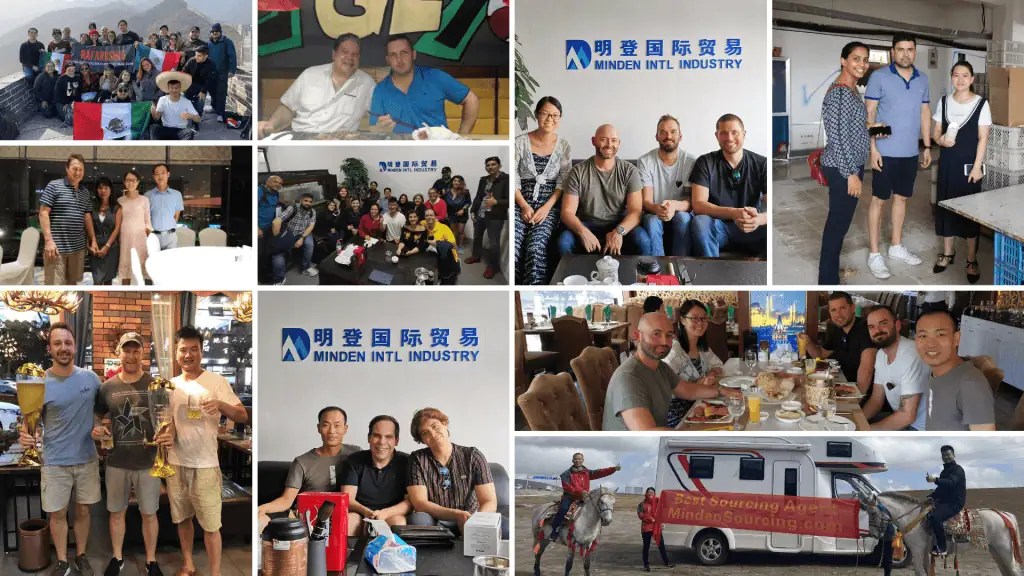
MindenSourcing helps international buyers verify suppliers through structured sourcing and inspection services designed to reduce sourcing risks and improve supplier transparency.
Supplier background checks are one of their core services. These checks help confirm whether suppliers are legitimate businesses with verified production capabilities and export experience. Instead of relying purely on supplier marketing materials, buyers receive independent evaluations.
Factory evaluations provide deeper insight into supplier operations. MindenSourcing assesses factory conditions, production systems, quality management procedures, and manufacturing specialization. This helps buyers determine whether suppliers match their specific product requirements.
Production monitoring and quality inspections also play a major role in supplier verification. A supplier may appear trustworthy initially but struggle during actual manufacturing. Ongoing inspections help ensure production quality remains consistent throughout the sourcing process.
Communication support is another valuable advantage. Language barriers and cultural misunderstandings frequently create sourcing problems. MindenSourcing helps buyers communicate specifications clearly, negotiate terms effectively, and resolve issues faster with suppliers.
According to their sourcing resources, the company focuses on supplier transparency, production management, inspections, logistics coordination, and sourcing support for international businesses. (mindensourcing.com)
Warning Signs of Unreliable Suppliers

Unrealistically low pricing is one of the biggest warning signs in China sourcing. If one supplier quotes dramatically lower than everyone else, there’s usually a reason. Cheap pricing may indicate poor materials, hidden shortcuts, or outright scams.
Poor communication is another red flag. Slow responses, vague answers, inconsistent information, or refusal to answer technical questions often signal deeper operational problems.
Suppliers unwilling to provide business licenses, factory photos, certifications, or inspection access should also raise immediate concerns. Legitimate factories typically understand that international buyers require verification before committing to production.
Inconsistent product details create another warning sign. If specifications, materials, or pricing change repeatedly during discussions, supplier reliability may become problematic later during production.
Experienced importers often emphasize that supplier behavior during negotiations usually predicts future operational reliability as well.
Benefits of Working with Verified Suppliers
Working with verified suppliers improves product quality consistency significantly. Verified suppliers tend to maintain stronger production systems, clearer communication, and better operational accountability.
Financial risks decrease as well. Buyers reduce exposure to scams, defective products, delayed shipments, and supplier disputes. This stability becomes especially important for growing brands dependent on predictable inventory flow.
Verified suppliers also create stronger long-term supply chains. Reliable manufacturing partners support scaling, customization, and faster problem resolution over time. Instead of constantly switching suppliers, businesses can focus on growth and product development.
Perhaps most importantly, verified suppliers protect customer trust. Consistent product quality leads to stronger reviews, repeat purchases, and healthier brand reputations in competitive online markets.
Conclusion
Supplier verification from China is one of the most important steps in successful global sourcing. The Chinese manufacturing ecosystem offers enormous opportunities, but it also contains risks involving fake factories, poor-quality suppliers, communication issues, and unreliable production practices.
Businesses that skip supplier verification often expose themselves to unnecessary financial and operational risks. Product defects, delayed shipments, and supplier fraud can damage profits and brand reputation quickly.
Professional sourcing companies like MindenSourcing help buyers reduce these risks through supplier verification, factory audits, inspections, production monitoring, and communication support. Instead of relying on guesswork, businesses gain structured visibility into supplier reliability and manufacturing capabilities.
The smartest importers understand that successful sourcing isn’t just about finding the cheapest supplier. It’s about building reliable partnerships capable of supporting long-term business growth.
FAQs About Supplier Verification in China

1. What is supplier verification in China?
Supplier verification is the process of checking whether a Chinese supplier is legitimate, reliable, and capable of meeting production requirements.
2. Why is supplier verification important?
Verification helps reduce risks involving scams, poor-quality products, delivery delays, and unreliable suppliers before production begins.
3. How can I tell if a supplier is a real factory?
Factory audits, business license verification, and production inspections help confirm whether a supplier genuinely manufactures products in-house.
4. How does MindenSourcing help verify suppliers?
MindenSourcing provides supplier background checks, factory audits, inspections, production monitoring, and sourcing support. (mindensourcing.com)
5. What are common red flags when sourcing from China?
Major warning signs include unrealistically low pricing, poor communication, refusal to provide documentation, inconsistent product details, and restricted inspection access.
[/fusion_text][/fusion_builder_column][/fusion_builder_row][/fusion_builder_container]