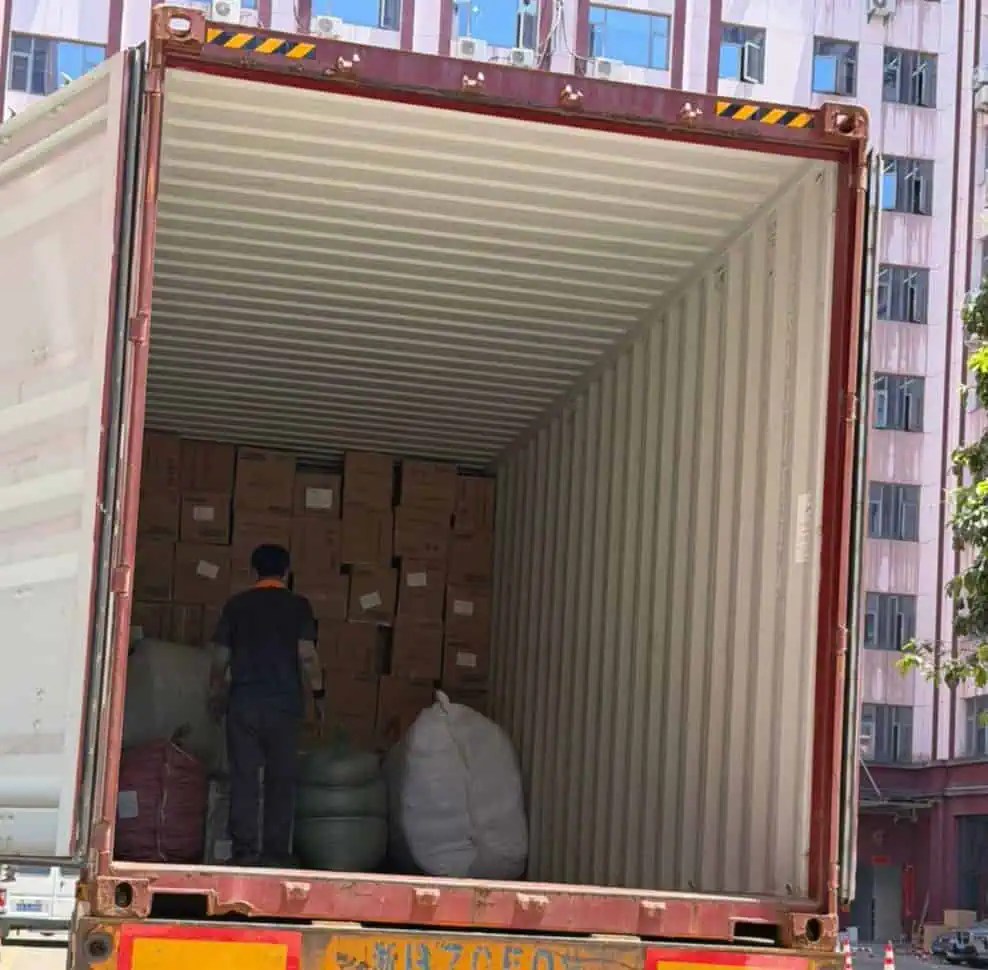
Furniture shipping from China is a critical part of the global supply chain, connecting manufacturers in one of the world’s largest production hubs to buyers across Europe, the United States, the Middle East, and beyond.
With China’s advanced logistics infrastructure and strong export capabilities, businesses can transport large volumes of furniture efficiently and cost-effectively.
However, because furniture is typically bulky, heavy, and fragile, shipping requires careful planning, proper packaging, and the right choice of freight methods.
Understanding how furniture shipping works from China is essential for importers who want to reduce costs, avoid damage, and ensure timely delivery.
Main Shipping Methods for Furniture from China

1. Sea Freight (Most Common Option)
Sea freight is the most widely used method for furniture shipping from China due to its cost efficiency for large and heavy shipments. It is ideal for bulk orders and commercial imports.
There are two main options:
- Full Container Load (FCL) – Entire container reserved for one buyer
- Less than Container Load (LCL) – Shared container with other shipments
Sea freight is slower but significantly more economical, making it the preferred choice for most furniture importers.
2. Air Freight (Fast but Expensive)
Air freight is used when speed is a priority. Although it is much more expensive than sea freight, it offers:
- Fast delivery times (typically 5–10 days)
- Higher reliability for urgent shipments
- Reduced risk of long transit damage
Air freight is usually suitable for sample shipments or high-value furniture items.
3. Express Courier Services
For small furniture components or sample pieces, express couriers such as DHL, FedEx, and UPS are often used. This method provides:
- Door-to-door delivery
- Fast transit times
- Easy tracking
However, it is not suitable for large furniture shipments due to high costs.
Key Steps in Furniture Shipping from China
1. Order Preparation and Packaging
Proper packaging is essential to protect furniture during transit. Manufacturers typically use:
- Foam protection and corner guards
- Wooden crates for fragile items
- Waterproof wrapping materials
- Reinforced cartons
Strong packaging reduces the risk of damage during long-distance shipping.
2. Booking Freight Forwarding Services
A freight forwarder plays a crucial role in managing logistics. They help with:
- Booking shipping space
- Coordinating transportation
- Handling documentation
- Managing customs clearance
Working with an experienced freight forwarder simplifies the entire process.
3. Export Documentation
Accurate documentation is required for smooth customs clearance. Common documents include:
- Commercial invoice
- Packing list
- Bill of lading (sea freight) or airway bill (air freight)
- Export declaration forms
Errors in documentation can cause delays and additional costs.
4. Customs Clearance Process
Furniture shipments must pass through customs in both China and the destination country. This process involves:
- Inspection of goods
- Verification of documents
- Payment of duties and taxes
Working with customs brokers helps ensure smooth clearance.
5. Final Delivery to Destination
After clearing customs, furniture is transported to warehouses, distribution centers, or directly to customers using local logistics providers. This final step ensures safe delivery to the end destination.
Factors Affecting Furniture Shipping Costs from China
Several factors influence total shipping costs:
- Shipment volume and weight
- Shipping method (sea, air, or express)
- Destination country and distance
- Packaging requirements
- Seasonal demand and fuel prices
Optimizing container space and planning shipments in advance can significantly reduce costs.
How to Reduce Furniture Shipping Costs

Furniture shipping from China can represent a significant portion of total import expenses due to the large size, heavy weight, and special handling requirements of furniture products.
Without proper planning, shipping costs can quickly reduce profit margins. Fortunately, businesses can apply several effective strategies to optimize logistics, improve container efficiency, and lower transportation expenses.
Reducing shipping costs is not only about finding the cheapest freight option—it also involves improving packaging, planning shipments strategically, and working with experienced logistics partners.
1. Choose Sea Freight Instead of Air Freight
Sea freight is the most cost-effective shipping method for furniture because it allows businesses to transport large and heavy products at lower rates.
Benefits of Sea Freight
- Lower transportation costs for bulk orders
- Better container capacity utilization
- More suitable for oversized furniture items
Although sea freight takes longer than air shipping, it offers substantial savings for commercial furniture imports.
2. Use Full Container Load (FCL) Shipping
Whenever possible, businesses should choose Full Container Load (FCL) shipping instead of Less than Container Load (LCL).
Why FCL Reduces Costs
- Lower per-unit shipping cost
- Reduced handling fees
- Less risk of product damage from shared cargo
FCL shipping becomes highly economical for medium to large furniture orders.
3. Optimize Furniture Packaging
Poor packaging design wastes container space and increases shipping expenses. Efficient packaging can significantly reduce freight costs.
Ways to Improve Packaging Efficiency
- Use knock-down or flat-pack furniture designs
- Reduce unnecessary packaging materials
- Stack products strategically inside containers
- Use lightweight but durable protective materials
Compact packaging allows more products to fit into a single shipment.
4. Consolidate Multiple Orders
Combining shipments from different suppliers into one container helps reduce transportation costs.
Advantages of Shipment Consolidation
- Lower freight charges per unit
- Reduced customs processing costs
- Better container space utilization
Many freight forwarders offer consolidation warehouse services for this purpose.
5. Plan Shipments During Off-Peak Seasons
Shipping costs often rise during:
- Chinese New Year
- Holiday shopping seasons
- Global peak export periods
Booking shipments during off-peak months helps businesses secure lower freight rates and avoid congestion surcharges.
6. Compare Freight Forwarder Quotes
Freight costs vary significantly between logistics providers. We should:
- Request quotations from multiple freight forwarders
- Compare included services and hidden fees
- Evaluate transit times and reliability
Choosing the right logistics partner can lead to substantial long-term savings.
7. Negotiate Better Shipping Terms with Suppliers
Suppliers often have established relationships with freight companies and may access better shipping rates.
Useful Negotiation Strategies
- Ask suppliers for FOB pricing options
- Negotiate packaging optimization support
- Discuss shared logistics arrangements for repeat orders
Strong supplier relationships can improve overall shipping efficiency.
8. Reduce Product Weight When Possible
Heavy furniture increases freight charges, especially for air shipments and some sea freight calculations.
How to Lower Shipment Weight
- Use lightweight materials without sacrificing quality
- Simplify product structures
- Minimize excessive packaging components
Lighter shipments reduce transportation expenses and handling costs.
9. Work with Experienced Freight Forwarders
An experienced freight forwarder can help businesses:
- Optimize shipping routes
- Consolidate cargo efficiently
- Avoid unnecessary fees
- Manage customs clearance smoothly
Professional logistics management often results in lower overall costs.
10. Understand Import Duties and Taxes
Unexpected import fees can increase total shipping expenses significantly.
How to Minimize Additional Costs
- Verify customs duties before shipping
- Use accurate HS codes for product classification
- Ensure all documentation is complete and correct
Proper customs planning prevents penalties and clearance delays.
11. Improve Container Loading Efficiency
Efficient container loading maximizes available space and reduces wasted volume.
Best Practices for Container Optimization
- Use professional loading plans
- Stack furniture safely and tightly
- Disassemble large furniture items when possible
Better container utilization lowers cost per unit shipped.
12. Purchase Cargo Insurance Strategically
While insurance adds a small upfront expense, it protects businesses from major financial losses caused by:
- Shipping damage
- Theft
- Container accidents
- Lost cargo
The right insurance policy prevents unexpected replacement costs.
Common Challenges in Furniture Shipping from China

Furniture shipping from China offers major advantages in terms of cost and product availability, but it also comes with several logistical and operational challenges. Since furniture products are often bulky, fragile, and high in shipping volume, importers must carefully manage transportation, packaging, customs, and supplier coordination to avoid costly mistakes.
Understanding these common challenges helps businesses reduce risks, improve delivery efficiency, and maintain product quality throughout the shipping process.
1. Product Damage During Transit
One of the most common problems in furniture shipping is damage caused during transportation. Furniture can easily suffer from:
- Scratches and dents
- Broken glass or wooden components
- Torn upholstery
- Moisture damage during sea freight
Improper packaging or rough handling during loading and unloading significantly increases the risk of damage.
How to Reduce Damage Risks
- Use reinforced packaging materials
- Add foam padding and corner protectors
- Request wooden crates for fragile products
- Ensure professional container loading practices
2. High Shipping Costs
Furniture is large and heavy, making transportation costs a major concern for importers. Shipping expenses can increase due to:
- Rising fuel prices
- Container shortages
- Peak season demand
- Inefficient packaging and loading
For smaller shipments, LCL (Less than Container Load) shipping may also become expensive due to shared container handling fees.
How to Control Shipping Costs
- Optimize packaging dimensions
- Consolidate multiple orders into one shipment
- Use Full Container Load (FCL) whenever possible
- Compare freight forwarder quotations carefully
3. Customs Clearance Delays
Customs delays are another major challenge in international furniture shipping. Problems usually occur because of:
- Incorrect documentation
- Missing certificates
- Import regulation issues
- Incorrect product classification codes
Delays can increase storage fees and disrupt business operations.
How to Avoid Customs Problems
- Prepare accurate shipping documents
- Work with experienced customs brokers
- Verify import regulations in the destination country
- Ensure product labeling compliance
4. Communication Barriers with Suppliers
Language differences and unclear communication can lead to:
- Incorrect product specifications
- Packaging mistakes
- Delivery schedule misunderstandings
Miscommunication often results in delays and additional costs.
How to Improve Communication
- Use detailed written instructions
- Share technical drawings and product images
- Confirm all specifications before production
- Work with bilingual sourcing agents if necessary
5. Inconsistent Packaging Standards
Not all suppliers use strong export-grade packaging. Weak packaging can result in:
- Product breakage
- Water exposure damage
- Crushed cartons during stacking
Packaging quality directly impacts product condition upon arrival.
How to Ensure Better Packaging
- Define packaging requirements in contracts
- Request packaging photos before shipment
- Use export-standard materials and palletization
6. Long Shipping Transit Times
Sea freight from China can take several weeks depending on the destination. Delays may occur due to:
- Port congestion
- Bad weather conditions
- Customs inspections
- Shipping schedule disruptions
Long transit times can affect inventory planning and customer delivery expectations.
Conclusion
Furniture shipping from China is a complex but highly efficient process when managed correctly. By choosing the right shipping method, ensuring proper packaging, and working with experienced logistics partners, businesses can reduce costs and improve delivery reliability.
With careful planning, importers can successfully move large volumes of furniture from China to global markets while maintaining product quality and customer satisfaction.