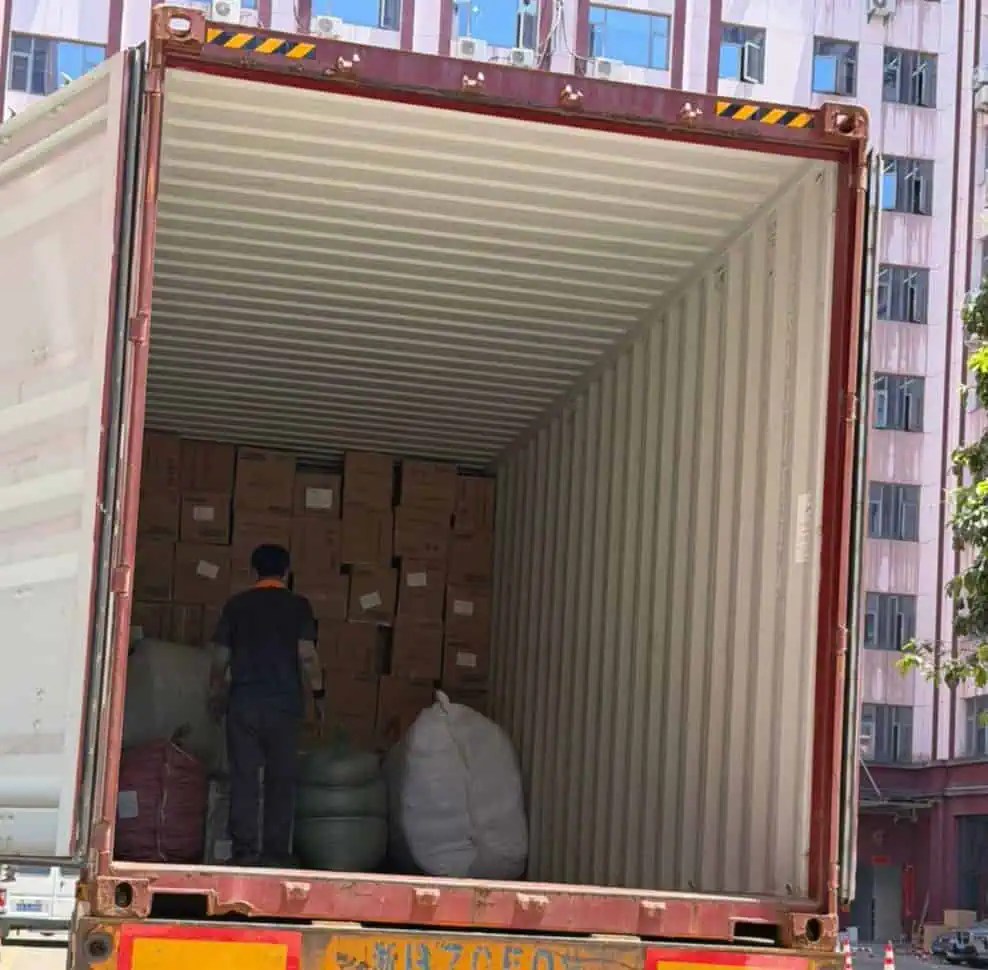
China has firmly established itself as the global powerhouse of furniture manufacturing, offering unmatched production capacity, competitive pricing, and a diverse range of styles.
From modern minimalist designs to luxury handcrafted collections, Chinese factories cater to businesses and individuals worldwide.
We explore the most important aspects of sourcing furniture from China and provide actionable insights to help you secure the best partnerships with reliable manufacturers.
Why China Dominates the Global Furniture Market
China’s dominance stems from a combination of advanced manufacturing infrastructure, skilled labor, and integrated supply chains. Factories are often located in industrial clusters, enabling efficient sourcing of raw materials and streamlined logistics.
Regions like Guangdong, Zhejiang, and Jiangsu specialize in different types of furniture production, making it easier for buyers to find niche manufacturers.
We benefit from:
- Lower production costs due to economies of scale
- Wide product variety, including OEM and ODM services
- Fast turnaround times for bulk orders
- High customization capabilities
Top Furniture Manufacturing Hubs in China

Guangdong Province: The Heart of Furniture Production
Guangdong is home to some of the largest furniture factories in China, particularly in cities like Foshan and Dongguan. We find factories specializing in office furniture, hotel furnishings, and modern home designs. Foshan’s Shunde district is especially renowned for its export-oriented furniture manufacturers.
Zhejiang Province: Craftsmanship and Innovation
Zhejiang offers a blend of traditional craftsmanship and modern technology. Manufacturers here focus on wooden furniture, eco-friendly designs, and smart furniture solutions. This region is ideal for buyers seeking high-quality, design-driven products.
Jiangsu Province: Premium and Luxury Furniture
Jiangsu factories are known for producing high-end furniture with meticulous attention to detail. We often source luxury hotel furniture, custom-made interiors, and designer collections from this region.
Types of Furniture Produced in China
China’s furniture factories cover an extensive range of categories:
- Residential Furniture: Sofas, beds, dining tables, wardrobes
- Office Furniture: Ergonomic chairs, desks, workstations
- Outdoor Furniture: Rattan sets, patio furniture, garden accessories
- Commercial Furniture: Hotel, restaurant, and retail fixtures
We can also find specialized manufacturers focusing on custom-built furniture, allowing complete control over materials, finishes, and dimensions.
How to Identify the Best Furniture Factories in China
Evaluate Manufacturing Capabilities
We must assess whether a factory has the technical expertise and production capacity to meet our requirements. Key indicators include:
- Advanced machinery and automation
- Skilled workforce
- Experience in exporting to international markets
Check Certifications and Quality Standards
Reliable factories maintain certifications such as:
- ISO quality management systems
- FSC certification for sustainable wood sourcing
- Compliance with international safety standards
Request Samples and Factory Audits
Before committing to large orders, we should:
- Request product samples to evaluate quality
- Conduct factory audits either in person or through third-party agencies
- Verify production processes and working conditions
Key Tips for Sourcing Furniture from China

Work with Verified Suppliers
We should prioritize verified manufacturers on platforms like Alibaba or through sourcing agents. Verified suppliers typically have:
- Proven export history
- Positive client reviews
- Transparent communication
Negotiate Pricing Strategically
Pricing is flexible, but we must approach negotiations with:
- Clear order quantities
- Detailed product specifications
- Awareness of market pricing trends
Bulk orders often unlock significant discounts, but we must balance cost with quality.
Understand Minimum Order Quantities (MOQ)
Most factories require a minimum order quantity, which varies depending on product type. We should negotiate MOQs carefully, especially when testing new suppliers.
Plan Logistics and Shipping
Efficient logistics are critical. We need to consider:
- Shipping methods (sea freight, air freight)
- Packaging standards to prevent damage
- Customs regulations and import duties
Working with experienced freight forwarders ensures smooth delivery.
Common Challenges and How to Overcome Them
Quality Inconsistency
We address this by implementing:
- Strict quality control inspections
- Clear product specifications and contracts
- Regular communication with suppliers
Language and Communication Barriers
We minimize misunderstandings by:
- Using clear written documentation
- Employing bilingual sourcing agents
- Confirming all details before production
Intellectual Property Concerns
To protect designs, we should:
- Use non-disclosure agreements (NDAs)
- Register trademarks and patents when necessary
- Work with reputable manufacturers
Advantages of Visiting Furniture Factories in China

Visiting furniture factories in China offers significant benefits for importers, wholesalers, retailers, and business owners looking to build reliable sourcing partnerships.
While online communication and virtual meetings are convenient, nothing compares to seeing the manufacturing process firsthand. Factory visits help us gain deeper insights into product quality, production capabilities, and supplier reliability.
1. Inspect Product Quality Directly
One of the biggest advantages of visiting furniture factories is the ability to examine product quality in person. Photos and videos may not accurately represent:
- Material quality
- Finishing standards
- Structural durability
- Craftsmanship details
By physically inspecting furniture samples, we can identify issues that may not be visible online, such as uneven finishes, weak joints, or poor upholstery work.
2. Verify Factory Legitimacy
A factory visit helps confirm whether a supplier is a genuine manufacturer or merely a trading company. Many businesses claim to own factories, but onsite inspections allow us to verify:
- Production facilities
- Machinery and equipment
- Workforce size
- Manufacturing capacity
This reduces the risk of scams and ensures we partner with reliable suppliers.
3. Build Strong Business Relationships
Face-to-face meetings create stronger trust and communication between buyers and manufacturers. In Chinese business culture, personal relationships play an important role in long-term partnerships. Visiting factories helps us:
- Establish credibility
- Improve negotiation opportunities
- Strengthen supplier loyalty
- Resolve issues more efficiently
Strong relationships often lead to better pricing, priority production schedules, and improved after-sales support.
4. Evaluate Production Capacity
By touring the facility, we can assess whether the factory can handle our order volumes and deadlines. Important areas to evaluate include:
- Production lines
- Warehouse storage
- Employee organization
- Automation technology
This allows us to determine whether the supplier can scale production as our business grows.
5. Customize Furniture More Effectively
Factory visits make it easier to discuss custom furniture requirements directly with engineers and designers. We can review:
- Material samples
- Color options
- Dimensions
- Packaging specifications
Direct communication minimizes misunderstandings and ensures the final products match our expectations.
6. Monitor Quality Control Processes
Reliable furniture factories implement strict quality control systems throughout production. During a visit, we can observe:
- Raw material inspections
- In-process quality checks
- Final product testing
- Packaging procedures
Understanding these processes helps us ensure consistent product quality before shipment.
7. Discover New Furniture Trends and Innovations
China’s furniture industry evolves rapidly with modern designs, smart furniture technology, and eco-friendly materials. Visiting factories allows us to stay updated on:
- New product collections
- Innovative manufacturing techniques
- Sustainable furniture solutions
- Market trends and consumer preferences
This gives businesses a competitive advantage in their local markets.
8. Compare Multiple Suppliers Efficiently
Many furniture manufacturing hubs in China, such as Foshan and Dongguan, contain thousands of factories within close proximity. Visiting these regions allows us to:
- Compare prices and quality
- Explore different product styles
- Evaluate supplier professionalism
- Negotiate better deals
This saves time and helps identify the best manufacturing partners.
9. Improve Shipping and Packaging Standards
Furniture is vulnerable to damage during transportation, making packaging quality extremely important. During factory visits, we can inspect:
- Carton strength
- Protective wrapping methods
- Loading procedures
- Container optimization techniques
This helps reduce shipping damage and minimizes costly returns.
10. Gain Better Cost Transparency
Meeting suppliers directly allows us to understand production costs more clearly. We can discuss:
- Material sourcing
- Labor costs
- Customization fees
- Shipping expenses
This transparency improves budgeting and strengthens negotiation power for long-term contracts.
Sustainable and Eco-Friendly Furniture Manufacturing
Sustainability is increasingly important. Many Chinese factories now adopt:
- Eco-friendly materials such as bamboo and reclaimed wood
- Low-emission finishes and adhesives
- Energy-efficient production methods
We can enhance our brand value by sourcing from environmentally responsible manufacturers.
Future Trends in China’s Furniture Industry
The industry continues to evolve with innovations such as:
- Smart furniture integrated with technology
- Modular and space-saving designs
- Increased focus on sustainability and circular economy practices
Factories are investing heavily in automation and digitalization, ensuring long-term competitiveness.
Conclusion: Maximizing Success When Working with Chinese Furniture Factories
Success in sourcing furniture from China depends on strategic planning, thorough research, and strong supplier relationships. By selecting the right manufacturing partners, maintaining strict quality control, and optimizing logistics, we can achieve exceptional value and product excellence.
We position ourselves for long-term growth by leveraging China’s unmatched manufacturing capabilities, ensuring consistent quality and competitive pricing in the global furniture market.
Frequently Asked Questions About Furniture Factories in China

1. Why are furniture factories in China so popular worldwide?
Furniture factories in China are popular because they offer competitive pricing, large-scale production capacity, advanced manufacturing technology, and extensive customization options. Chinese manufacturers can produce a wide variety of furniture styles while maintaining efficient production timelines and global shipping capabilities.
2. How can we find reliable furniture manufacturers in China?
We can find reliable manufacturers by:
- Checking verified suppliers on B2B platforms
- Reviewing customer feedback and export history
- Requesting product samples
- Conducting factory audits
- Visiting trade fairs such as the Canton Fair or CIFF
Working with sourcing agents can also simplify the supplier verification process.
3. What is the minimum order quantity (MOQ) for Chinese furniture factories?
MOQ varies depending on the manufacturer and product type. Some factories accept small trial orders, while others require large bulk purchases. Custom furniture usually comes with higher MOQs due to production setup costs. Negotiating directly with suppliers can sometimes reduce MOQ requirements.
4. How do we ensure furniture quality when importing from China?
To ensure quality, we should:
- Request detailed product specifications
- Order pre-production samples
- Conduct third-party quality inspections
- Use written contracts with clear quality standards
- Monitor production progress regularly
Consistent communication with the factory also helps prevent production errors.
5. How long does shipping furniture from China usually take?
Shipping times depend on the destination and shipping method:
- Sea freight typically takes 20–45 days
- Air freight takes around 5–10 days but is more expensive
Production timelines can range from 15–60 days depending on order size and customization requirements. Planning ahead helps avoid delays during peak shipping seasons.