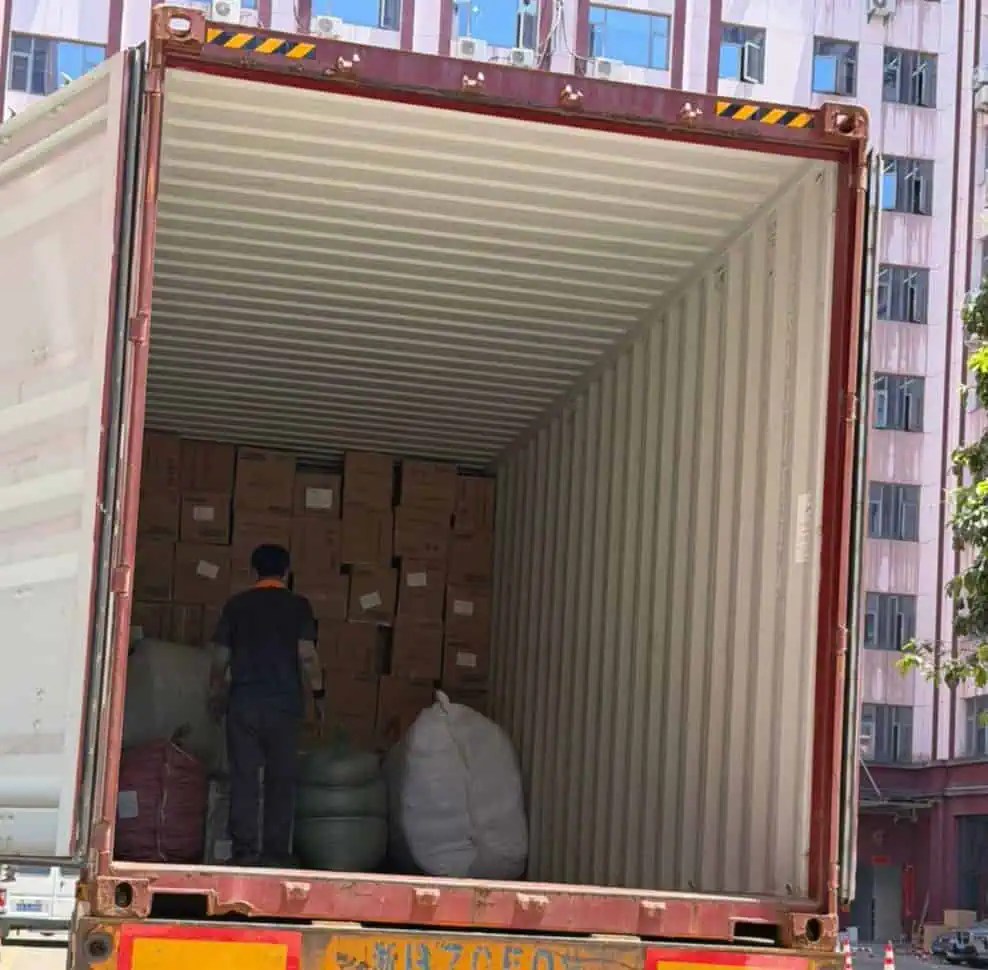
We recognize that importing bedroom furniture sets from China represents a strategic pathway to building a high-margin, scalable furniture business. China dominates the global furniture export market due to its advanced manufacturing infrastructure, skilled workforce, and integrated supply chains.
These factors enable manufacturers to produce high-quality bedroom furniture at competitive prices, while maintaining flexibility in design and production.
We approach the import process with a focus on efficiency, risk management, and long-term supplier relationships. By understanding each stage—from sourcing to delivery—we position ourselves to achieve consistent product quality, reliable timelines, and strong profitability.
Understanding Bedroom Furniture Sets and Market Demand
We define bedroom furniture sets as cohesive collections designed to create a unified interior aesthetic. These sets typically include essential components such as beds, wardrobes, bedside tables, and dressers, often designed with matching materials, finishes, and styles.
We observe that global consumers increasingly prefer complete bedroom solutions rather than purchasing individual pieces. This trend is driven by the desire for convenience, visual harmony, and cost savings. Additionally, the rise of e-commerce has made it easier for retailers to market bundled furniture sets.
Market demand varies across regions, with strong interest in:
- Minimalist and Scandinavian designs for urban living
- Luxury upholstered furniture for premium markets
- Solid wood furniture for durability and timeless appeal
By importing from China, we gain access to diverse product ranges and the ability to adapt quickly to changing market trends.
Why Import Bedroom Furniture Sets from China

Cost Efficiency and Profit Margins
We leverage China’s economies of scale and efficient production systems to achieve lower manufacturing costs. This allows us to maintain competitive retail pricing while preserving strong profit margins.
Manufacturers optimize costs through bulk material sourcing, automated production, and streamlined workflows, ensuring affordability without compromising quality.
Wide Product Selection
We benefit from an extensive variety of bedroom furniture designs, ranging from traditional handcrafted pieces to modern modular systems. Manufacturers frequently update their collections to reflect global design trends, ensuring our offerings remain relevant and appealing.
Customization and Branding Opportunities
We take full advantage of custom manufacturing capabilities, enabling us to differentiate our brand. This includes:
- Custom dimensions and configurations
- Unique finishes and color palettes
- Branded packaging and labeling
These features allow us to create distinctive product lines that stand out in competitive markets.
Step-by-Step Process to Import Bedroom Furniture from China
1. Identify Reliable Suppliers
We begin by identifying manufacturers with proven experience in exporting bedroom furniture. This involves reviewing company profiles, certifications, and client feedback.
We prioritize suppliers who demonstrate:
- Strong production capacity
- Consistent quality standards
- Transparent communication
- Experience with international markets
Establishing relationships with reliable suppliers forms the foundation of a successful import business.
2. Request Product Catalogs and Samples
We carefully review product catalogs to evaluate design styles, material options, and product specifications. This helps us determine whether the supplier aligns with our target market and brand positioning.
Requesting samples is essential for assessing:
- Structural integrity and durability
- Surface finishing and detailing
- Comfort and usability
This step ensures we make informed decisions before committing to large orders.
3. Negotiate Pricing and Terms
We engage in detailed negotiations to secure favorable pricing and flexible terms. Factors influencing pricing include:
- Order volume
- Material selection
- Level of customization
We also define payment structures, typically involving a deposit upfront and balance before shipment. Clear agreements reduce risks and ensure smooth financial transactions.
4. Confirm Product Specifications
We finalize all product details with precision, including:
- Exact dimensions and tolerances
- Material grades and finishes
- Hardware and accessories
- Packaging requirements
Providing detailed specifications minimizes errors and ensures that the final products meet our quality and branding expectations.
5. Conduct Quality Inspections
We implement rigorous quality control procedures at multiple stages of production. This includes:
- Pre-production verification of materials
- In-line inspections during manufacturing
- Final inspection before shipment
Third-party inspection services provide objective assessments, ensuring that products meet agreed standards.
6. Arrange Shipping and Logistics
We coordinate logistics based on order size, budget, and delivery timelines. Sea freight remains the most common option for furniture due to its cost efficiency, while air freight is used for urgent shipments.
We work with experienced freight forwarders to manage:
- Booking cargo space
- Handling export documentation
- Coordinating delivery schedules
Efficient logistics planning ensures timely and cost-effective transportation.
7. Handle Customs Clearance and Documentation
We prepare all required documentation to ensure compliance with import regulations. This includes:
- Commercial invoices
- Packing lists
- Bills of lading
- Certificates of origin
Accurate documentation prevents delays and ensures smooth customs clearance upon arrival.
Choosing the Right Shipping Method

Sea Freight for Cost Efficiency
We rely on sea freight for large shipments due to its lower cost per unit. Although transit times are longer, it remains the most practical option for bulk furniture imports.
Air Freight for Urgent Deliveries
We use air freight when speed is critical. This method is suitable for small, high-value shipments or urgent restocking needs.
Packaging Considerations
We ensure that furniture is packaged to withstand long-distance transportation. This includes:
- Protective padding and wrapping
- Reinforced cartons or wooden crates
- Moisture-resistant materials
Proper packaging significantly reduces the risk of damage and product returns.
Understanding Import Duties and Costs
We recognize that accurately calculating import duties and total landed costs is essential for maintaining profitability when importing bedroom furniture sets from China. Without a clear understanding of all cost components, businesses risk underpricing products or eroding profit margins. We approach this process systematically, ensuring that every expense is accounted for before finalizing purchase decisions.
Breakdown of Total Landed Cost
We define the total landed cost as the complete expense incurred to bring goods from the supplier’s factory to our warehouse or final destination. This includes multiple cost layers:
- Product Cost (EXW or FOB price): The base price of the furniture, depending on agreed Incoterms.
- Shipping Costs: Freight charges for sea, air, or rail transportation.
- Insurance Fees: Protection against loss or damage during transit.
- Import Duties: Government-imposed tariffs based on product classification.
- Taxes (VAT/GST): Applicable consumption taxes in the destination country.
- Customs Clearance Fees: Charges for processing import documentation.
- Port Handling and Delivery Charges: Costs for unloading, storage, and inland transportation.
By calculating these elements in advance, we ensure accurate pricing strategies and financial planning.
Understanding Import Duties
We determine import duties based on the HS Code (Harmonized System Code) assigned to bedroom furniture. This classification defines the applicable tariff rate in the destination country.
Bedroom furniture typically falls under categories such as:
- Wooden bedroom furniture
- Metal furniture
- Upholstered furniture
Each category may carry different duty rates, depending on local trade policies and agreements. We always verify duty rates through official customs authorities or trade databases to avoid unexpected costs.
Impact of Incoterms on Costs
We carefully select Incoterms (International Commercial Terms), as they define the responsibilities and cost distribution between buyer and supplier.
Common Incoterms include:
- EXW (Ex Works): We handle all transportation and export responsibilities.
- FOB (Free on Board): The supplier covers costs until goods are loaded onto the vessel.
- CIF (Cost, Insurance, Freight): The supplier includes shipping and insurance in the price.
Choosing the right Incoterm allows us to control logistics costs and reduce risk exposure.
Taxes and Value-Added Charges
We account for import taxes such as VAT or GST, which are calculated based on the customs value of goods plus duties and shipping costs.
For example, the taxable value may include:
- Product cost
- Freight charges
- Insurance
- Import duty
Understanding how these taxes are applied helps us avoid unexpected financial burdens at customs clearance.
Shipping and Freight Cost Factors
We evaluate shipping costs based on several variables:
- Volume and weight of furniture
- Shipping method (FCL vs LCL)
- Distance and destination port
- Seasonal demand and fuel surcharges
Furniture shipments often involve large volumes, making sea freight the most cost-effective option. However, we must also consider port congestion, peak seasons, and container availability, which can influence pricing.
Understanding these costs allows us to develop accurate pricing strategies and maintain profitability.
Common Challenges and How We Overcome Them

We recognize that importing bedroom furniture sets from China presents significant opportunities, but it also comes with operational, logistical, and quality-related challenges that must be managed strategically. By identifying these challenges early and implementing structured solutions, we ensure consistent product quality, timely delivery, and long-term business success.
1. Quality Inconsistencies
We often encounter variations in materials, finishing, and craftsmanship, especially when dealing with large production volumes or new suppliers. Differences between approved samples and final bulk production can lead to customer dissatisfaction and costly returns.
How We Overcome It:
We implement a multi-layered quality control system, including pre-production sample approval, in-line inspections during manufacturing, and final random inspections before shipment. We also work with third-party inspection agencies to ensure unbiased quality verification. Detailed product specifications and visual references further help maintain consistency.
2. Communication Barriers
Language differences and cultural nuances can lead to misunderstandings in product specifications, timelines, and expectations. Even small communication gaps can result in production errors or delays.
How We Overcome It:
We maintain clear, structured communication by using detailed written documentation, technical drawings, and visual confirmations. We summarize agreements in formal contracts and use simple, precise language to avoid ambiguity. Regular updates and checkpoints ensure alignment throughout the production process.
3. Shipping Delays and Logistics Issues
We face challenges such as port congestion, container shortages, customs delays, and unexpected disruptions in global supply chains. These factors can impact delivery schedules and inventory planning.
How We Overcome It:
We plan shipments well in advance and collaborate with experienced freight forwarders who provide reliable logistics solutions. We also build buffer time into our schedules and diversify shipping options when necessary to reduce dependency on a single route or method.
4. Hidden Costs and Budget Overruns
Unexpected expenses such as currency fluctuations, port storage fees, demurrage charges, and customs penalties can increase overall costs and reduce profitability.
How We Overcome It:
We conduct detailed cost analysis before placing orders, including all potential fees. We work with transparent suppliers and logistics partners to avoid surprises and use fixed-rate agreements where possible to manage financial risks.
5. Supplier Reliability Issues
Not all suppliers maintain consistent standards. We may encounter issues such as missed deadlines, inconsistent quality, or lack of responsiveness, especially with inexperienced manufacturers.
How We Overcome It:
We carefully vet suppliers by reviewing their track record, certifications, and client feedback. We start with smaller trial orders to evaluate performance and gradually scale up. Building long-term partnerships with reliable suppliers ensures stability and trust.
6. Compliance and Regulatory Challenges
Different countries have specific regulations regarding product safety, materials, and labeling requirements. Non-compliance can result in shipment rejection or legal penalties.
How We Overcome It:
We stay informed about import regulations and certification requirements in our target markets. We work with suppliers who understand international standards and ensure all necessary documentation is prepared accurately.
7. Damage During Transit
Furniture shipments are susceptible to damage caused by improper handling, moisture exposure, or inadequate packaging during long-distance transportation.
How We Overcome It:
We require suppliers to use high-quality protective packaging, including reinforced cartons, foam padding, and moisture-resistant materials. We also purchase cargo insurance to protect against potential losses.
Tips for Successful Furniture Importing
We follow proven strategies to ensure success:
- Establish long-term supplier relationships
- Start with smaller trial orders
- Maintain clear contracts and documentation
- Continuously monitor market trends
These practices help us achieve consistent growth and operational efficiency.
Trends in Bedroom Furniture Imports
Sustainable Materials
We see increasing demand for environmentally friendly furniture, including responsibly sourced wood and recyclable materials.
Space-Saving Designs
Urban living drives demand for compact, multifunctional furniture solutions.
Smart Bedroom Furniture
We observe rising interest in technology-integrated furniture, enhancing comfort and convenience.
Conclusion: Building a Profitable Import Business
We understand that importing bedroom furniture sets from China requires strategic planning, attention to detail, and strong supplier partnerships. By following a structured approach, we ensure consistent quality, efficient logistics, and competitive pricing.
China remains the leading global source for bedroom furniture, offering unmatched advantages in manufacturing, customization, and scalability, enabling us to build a successful and sustainable business.
Frequently Asked Questions (FAQs) About Bedroom Furniture From China

1. What is the minimum order quantity for bedroom furniture imports from China?
We find that minimum order quantities vary depending on the manufacturer and product type. Standard items often have lower MOQs, while customized furniture typically requires larger production runs. Some suppliers offer flexible options such as mixed container orders, allowing us to combine different products in one shipment.
2. How long does it take to import bedroom furniture from China?
We typically experience a total timeline of 30 to 90 days, which includes production and shipping. Production usually takes 2 to 6 weeks, while sea freight may take an additional 2 to 5 weeks, depending on the destination.
3. Can we customize bedroom furniture sets when importing from China?
Yes, we can fully customize furniture through OEM and ODM services. This includes adjusting dimensions, selecting materials, choosing finishes, and adding branding elements such as logos and packaging.
4. What are the most common materials used in bedroom furniture from China?
We commonly see materials such as solid wood, MDF, particleboard, metal, and upholstered fabrics or leather. The choice of material depends on the target market, price range, and design preferences.
5. How do we avoid scams when importing furniture from China?
We minimize risks by working with verified suppliers, requesting product samples, conducting factory audits, and using secure payment methods. Building long-term relationships and maintaining clear agreements further ensures safe and reliable transactions.
[/fusion_text][/fusion_builder_column][/fusion_builder_row][/fusion_builder_container]