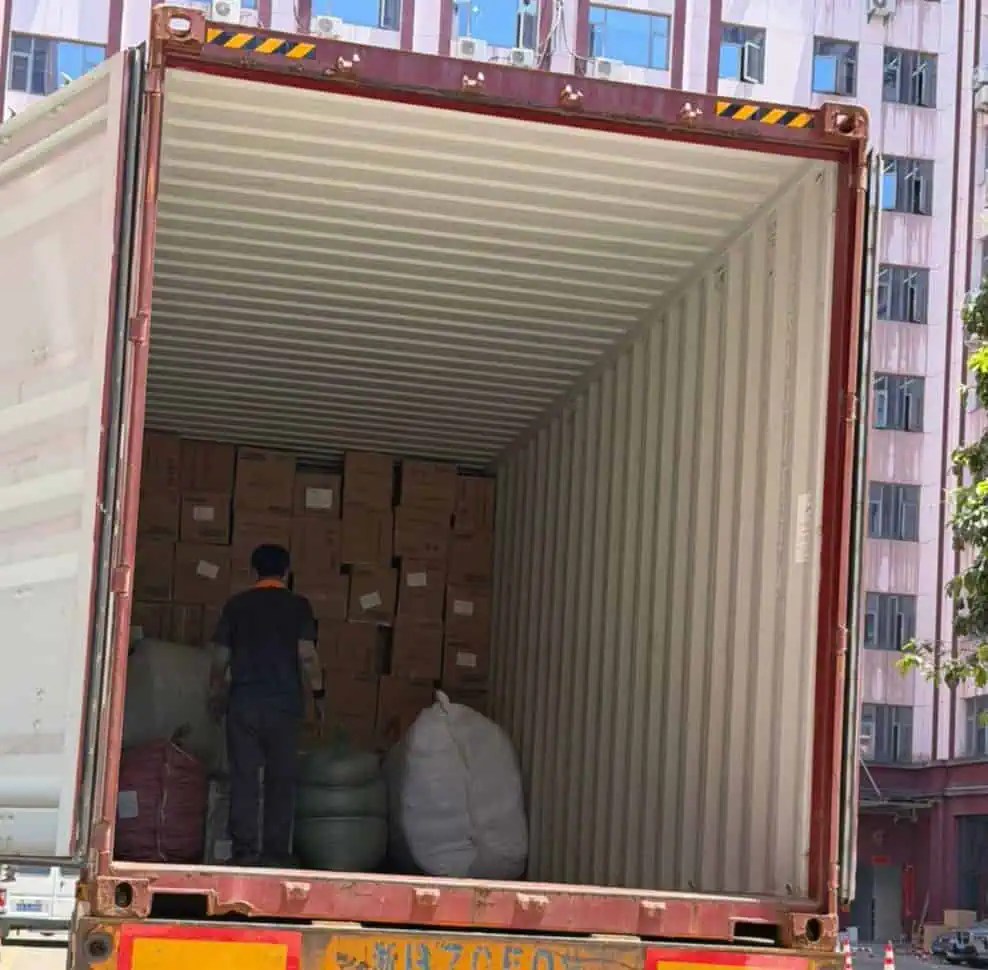
If you’re sourcing products from China, understanding how shipping from Yiwu works is crucial to your success. While finding the right supplier is important, your shipping method directly affects your cost, delivery time, and overall profit.
Located in Yiwu, the world-famous Yiwu International Trade City connects global buyers with thousands of suppliers. Once you’ve placed your order, the next step is getting your goods shipped safely and efficiently.
The two main shipping options are air freight and sea freight. Each has its own advantages, and choosing the right one depends on your business needs.
What Happens Before Shipping?
Before your goods are shipped from Yiwu, several steps take place behind the scenes.
First, your supplier completes production and prepares your order for shipment. This includes packaging, labeling, and organizing the goods for transport. Many buyers also arrange a quality inspection at this stage to ensure the products meet their expectations.
Next, your freight forwarder coordinates pickup from the supplier and prepares the necessary documents, such as the commercial invoice and packing list. Once everything is ready, your shipment is booked for air or sea transport.
Air Freight: Fast and Flexible Shipping

How Air Freight Works
Air freight involves transporting goods by airplane from China to your destination country. It is the fastest shipping method and is widely used for urgent shipments.
After pickup, your goods are transported to the airport, loaded onto a cargo flight, and flown to your destination. Once they arrive, they go through customs clearance before final delivery.
Delivery Time
Air freight typically takes 3–10 days, depending on the destination and customs processing time. This makes it ideal for businesses that need quick restocking.
Cost of Air Freight
Air freight is significantly more expensive than sea freight. Costs are calculated based on chargeable weight, which considers both actual weight and volumetric weight.
This means bulky items can be expensive to ship even if they are lightweight.
When to Use Air Freight
Air freight is best for:
- Small shipments
- High-value products
- Urgent orders
- Product testing
Many eCommerce sellers use air freight when launching new products or restocking quickly on platforms like Amazon.
Sea Freight: Affordable for Bulk Shipping

How Sea Freight Works
Sea freight involves shipping goods by cargo vessel. After pickup from your supplier, your goods are transported to a port, loaded into containers, and shipped overseas.
Once the shipment arrives at the destination port, it goes through customs clearance before being delivered to your warehouse.
Delivery Time
Sea freight takes longer than air freight, typically 20–40 days depending on the destination and shipping route.
Cost of Sea Freight
Sea freight is much cheaper than air freight, especially for large shipments. Costs are usually calculated based on container size or volume.
There are two main types:
- FCL (Full Container Load) – You use an entire container
- LCL (Less than Container Load) – You share container space with other shipments
When to Use Sea Freight
Sea freight is best for:
- Large or bulk orders
- Heavy products
- Businesses with stable demand
- Cost-sensitive shipments
It is the preferred option for scaling businesses that want to reduce shipping costs.
Air vs Sea Freight: Key Differences
When shipping goods from Yiwu, choosing between air freight and sea freight is one of the most important decisions you’ll make. Each method has its own strengths, and understanding the key differences will help you select the best option for your business.
Speed: Air Freight Is Much Faster
The most obvious difference is delivery time. Air freight is significantly faster, usually taking 3–10 days from China to most international destinations. In contrast, sea freight typically takes 20–40 days, depending on the route and port congestion.
If you need to restock quickly or respond to market demand, air freight is the better choice. However, if your timeline is flexible, sea freight can be more practical.
Cost: Sea Freight Is More Affordable
Cost is where sea freight has a major advantage. Shipping by sea is much cheaper than air, especially for large or heavy shipments.
Air freight costs are calculated based on chargeable weight (actual or volumetric), which can become expensive for bulky items. Sea freight, on the other hand, spreads costs across larger volumes, making it ideal for bulk orders.
Shipment Size: Air for Small, Sea for Large
Air freight is best suited for smaller shipments, particularly those that are lightweight or high in value. It allows businesses to ship smaller quantities without committing to large volumes.
Sea freight is designed for larger shipments. Whether you use LCL (Less than Container Load) or FCL (Full Container Load), it becomes much more cost-effective as your order size increases.
Flexibility: Air Freight Offers More Convenience
Air freight provides more flexibility in scheduling and frequency. Flights operate daily, making it easier to arrange shipments quickly.
Sea freight has fixed schedules and fewer departures, which means less flexibility. Delays at ports or during transit can also extend delivery times.
Risk and Handling: Air Is Safer for Fragile Goods
Because air freight involves fewer handling stages and shorter transit times, it generally carries a lower risk of damage. This makes it suitable for fragile or high-value items.
Sea freight involves longer journeys and multiple handling points, which can increase the risk of damage if goods are not properly packaged.
Environmental Impact: Sea Freight Is More Eco-Friendly
Sea freight is generally more environmentally friendly than air freight. Ships produce fewer emissions per unit of cargo compared to airplanes, making sea freight a better option for businesses focused on sustainability.
Inventory Planning: Sea Requires More Preparation
Using sea freight requires careful inventory planning due to longer transit times. Businesses must forecast demand and place orders well in advance.
Air freight allows for quicker restocking, which reduces the need for large inventory storage but comes at a higher cost.
Air freight VS Sea Freight Which One Should You Choose?

Choosing between air and sea freight depends on your priorities:
- Choose air freight if you need speed, flexibility, and smaller shipments.
- Choose sea freight if you want to reduce costs and ship in bulk.
Many experienced importers use both methods strategically—air freight for testing or urgent orders, and sea freight for scaling their business.
Final Thought
Understanding the key differences between air and sea freight helps you make smarter shipping decisions when sourcing from Yiwu. By balancing speed, cost, and inventory needs, you can optimize your logistics and improve your overall profitability.
How to Choose the Right Shipping Method
Selecting the best shipping method from Yiwu depends on several factors.
If speed is your priority, air freight is the better option. If cost savings are more important, sea freight is the way to go.
Many experienced importers use a hybrid strategy. They ship small quantities by air to test products and then switch to sea freight once demand is proven.
The Role of Freight Forwarders
Freight forwarders play a key role in the shipping process. They handle logistics, documentation, and customs clearance, making the process much easier.
A reliable freight forwarder can:
- Recommend the best shipping method
- Provide accurate cost estimates
- Manage customs procedures
- Coordinate delivery
For beginners, working with a freight forwarder is highly recommended.
Hidden Costs You Should Know
Shipping costs go beyond just freight charges. You should also consider:
- Customs duties and taxes
- Insurance
- Port handling fees
- Local delivery costs
These additional expenses can affect your total landed cost, so it’s important to include them in your calculations.
Common Mistakes to Avoid

Many importers choose the wrong shipping method based on incomplete information. Some prioritize speed without considering cost, while others choose the cheapest option without planning inventory properly.
Another common mistake is failing to account for hidden costs or delays. Proper planning and understanding of the shipping process can help you avoid these issues.
Tips for Efficient Shipping
To optimize your shipping strategy, plan your orders in advance and align them with your sales cycle. Working closely with your supplier and freight forwarder can help ensure smooth operations.
Combining shipments, choosing the right packaging, and balancing air and sea freight can also help reduce costs and improve efficiency.
Final Thoughts
Understanding how shipping from Yiwu works (air vs sea) is essential for any importer. Both methods have their advantages, and the best choice depends on your specific needs.
With access to global suppliers in Yiwu, choosing the right shipping strategy can significantly improve your profitability and business growth.
By planning carefully and making informed decisions, you can optimize your logistics and build a successful importing business.
Frequently Asked Questions (FAQs) About Air or Sea Freight

1. Which is cheaper, air or sea freight?
Sea freight is much cheaper than air freight, especially for large shipments.
2. How long does shipping from Yiwu take?
Air freight takes 3–10 days, while sea freight takes 20–40 days.
3. Can I use both air and sea freight?
Yes, many businesses use air freight for testing and sea freight for bulk orders.
4. Do I need a freight forwarder?
While not mandatory, a freight forwarder makes the process much easier, especially for beginners.
5. What is the best shipping method for beginners?
Air freight is often the best starting point because it is faster and easier to manage.