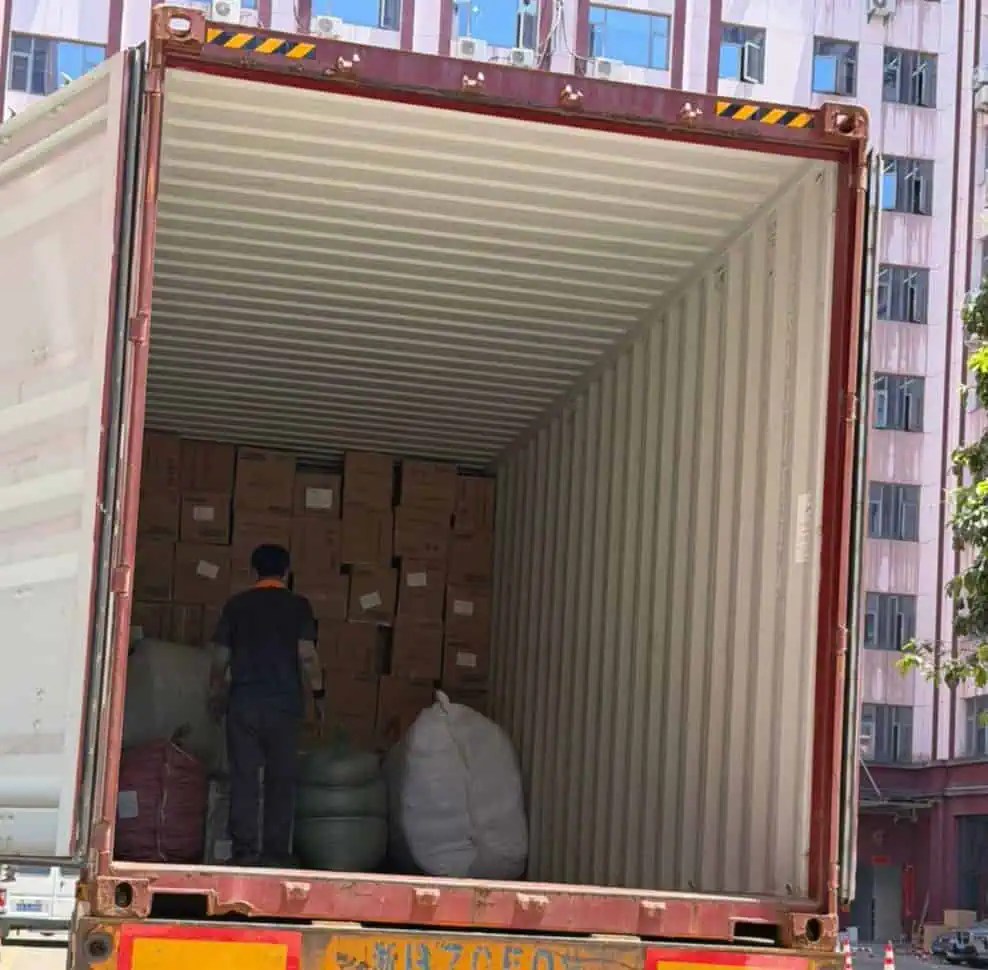
When it comes to importing products from China, a sourcing agent can be a game-changer for businesses.
Whether you’re a small entrepreneur or a large corporation, working with a sourcing agent can save you time, reduce risk, and improve your supply chain efficiency.
A sourcing agent is a professional who helps you identify suppliers, negotiate prices, handle logistics, and ensure product quality when importing goods from China to your home country.
However, finding the right sourcing agent in China can be a daunting task. With so many options available, it’s essential to make informed decisions to ensure smooth operations and a successful import process.
In this article, we’ll provide you with 10 tips for successful China sourcing, helping you navigate the complexities of international trade with confidence.
What is a Sourcing Agent?

A sourcing agent is a third-party expert or company based in China that acts as an intermediary between foreign buyers and Chinese manufacturers or suppliers. They help businesses source products, negotiate prices, manage contracts, and arrange shipping logistics.
A sourcing agent is crucial for businesses looking to import goods from China but don’t have the time, resources, or local knowledge to navigate the country’s complex supply chain system.
Why You Need a Sourcing Agent in China
A sourcing agent can add significant value to your business in the following ways:
-
Cost Savings: They can help you find the best suppliers and negotiate competitive prices.
-
Quality Control: They ensure the products meet your quality standards by overseeing production and conducting factory inspections.
-
Language and Cultural Barriers: A sourcing agent bridges the language gap and helps navigate cultural nuances, improving communication and reducing misunderstandings.
-
Time Savings: They take care of logistics, paperwork, and supplier management, saving you time to focus on other areas of your business.
-
Supplier Vetting: They help you choose trustworthy suppliers and avoid fraud, counterfeit goods, and scams.
Now that we understand the role of a sourcing agent, let’s look at the top 10 tips for successful China sourcing.
Sourcing Agent in China – 10 Tips for Successful China Sourcing

1. Do Thorough Research Before Hiring a Sourcing Agent
The first step to successful sourcing is hiring the right agent. Not all sourcing agents are equal, and selecting one with the right expertise and experience is critical. Here are some key considerations:
-
Reputation: Look for agents with a strong reputation in the industry. You can check reviews, testimonials, or seek recommendations from other businesses that have worked with them.
-
Experience: Ideally, your sourcing agent should have extensive experience working with companies in your specific industry. They should understand your product’s needs and the challenges of sourcing it from China.
-
Specialization: Some agents specialize in specific types of products or industries. Ensure that your sourcing agent has expertise in the kind of goods you’re sourcing.
Don’t hesitate to ask for references and case studies to verify their experience and track record.
2. Clearly Define Your Requirements
Before engaging a sourcing agent, it’s important to clearly define your product requirements. Provide as much detail as possible to avoid misunderstandings later on. This includes:
-
Product Specifications: Material, size, color, features, and any other specifics.
-
Quality Standards: Any certifications or compliance your product must meet (e.g., ISO, CE, FDA).
-
Quantity: Define the minimum order quantity (MOQ) and your long-term supply needs.
-
Budget: Have a clear idea of your cost range per unit, shipping, and any hidden costs (e.g., taxes, duties).
-
Timeline: Specify the delivery times and deadlines you’re working with.
The more information you provide upfront, the better your sourcing agent can understand your needs and find the best supplier for your business.
3. Build a Strong Communication Channel
Effective communication is key when working with a sourcing agent. Since there can be significant time zone differences and language barriers, you need to establish a clear and consistent communication channel.
-
Set Expectations: Agree on how often you will communicate (e.g., weekly updates) and what kind of information you expect (e.g., progress reports, supplier updates).
-
Language Proficiency: Make sure your sourcing agent is fluent in both Mandarin and English, especially if you’re not familiar with Chinese.
-
Communication Tools: Use tools like WeChat, WhatsApp, or email for quick and easy communication. Be clear about how urgent matters should be handled (e.g., phone calls vs. emails).
Regular updates and maintaining an open line of communication will ensure that any potential issues are caught early.
4. Vet Suppliers and Ensure Legitimacy
One of the most important roles of a sourcing agent is to help you find legitimate suppliers and manufacturers in China. To protect your business from fraud and low-quality products, ensure that your sourcing agent follows a strict vetting process. Here’s how:
-
Background Checks: Ask your sourcing agent to conduct thorough background checks on potential suppliers. This includes checking their registration, certifications, business licenses, and reputation.
-
Factory Visits: A reliable sourcing agent should physically visit the factories, inspect their facilities, and verify their production capabilities.
-
Reviews and References: Request references from previous buyers and check reviews to ensure the supplier has a good track record.
If possible, get samples before committing to a large order to ensure the product meets your expectations.
5. Negotiate Payment Terms and Contracts

A sourcing agent can help you navigate negotiations with suppliers, which is an essential part of ensuring the best deals. Make sure you clearly agree on:
-
Payment Terms: Understand common payment terms such as 30% upfront, 70% upon delivery, or L/C (Letter of Credit). Ensure the payment terms are secure and fair for both parties.
-
Quality Clauses: Include quality standards and inspection procedures in the contract to protect yourself from subpar products.
-
Lead Times: Confirm delivery timelines and discuss penalties for late delivery or poor quality.
A good sourcing agent will act as your advocate and ensure that the contracts reflect your best interests.
6. Monitor Production and Conduct Quality Control Inspections
An experienced sourcing agent should oversee the production process and ensure that your order is being manufactured according to your specifications. They should also organize regular quality control inspections to ensure the product meets your standards before shipping. Here’s what to look for:
-
Pre-production Samples: Always ask for a sample before mass production begins to check if it meets your expectations.
-
In-process Inspections: Your agent should monitor production at various stages and ensure that the quality remains consistent.
-
Pre-shipment Inspection: A thorough inspection of the final product batch before it is shipped is essential. This will help catch any defects or issues that could affect your order.
A quality control program can save you from costly mistakes and damaged reputation later.
7. Understand Chinese Regulations and Compliance
Each product category may have different regulations in China, such as safety standards, environmental laws, or intellectual property protection. Your sourcing agent should be knowledgeable about these laws to ensure compliance with both Chinese and Canadian regulations.
-
Product Certifications: Make sure the supplier provides the necessary certificates such as CE, FCC, or RoHS depending on the product type.
-
Import Regulations: Your sourcing agent should be aware of any import restrictions or tariffs that may affect the final cost of the goods.
Proper regulatory compliance can prevent customs delays and legal issues.
8. Manage Logistics and Shipping Efficiently

Once the products are ready, managing logistics and shipping is the next challenge. Your sourcing agent should help you coordinate shipping from China to your country. Some important aspects to consider include:
-
Freight Forwarding: Your sourcing agent can assist in selecting a reliable freight forwarder to handle the shipping and delivery of goods to Canada.
-
Shipping Costs: Understand the cost implications of shipping via sea, air, or express services, and determine the best option based on the volume of goods and your timeline.
-
Import Duties and Taxes: Your agent should also help you navigate customs procedures in Canada, ensuring that all taxes and duties are properly calculated and paid.
Efficient logistics management will minimize delays and reduce shipping costs.
9. Protect Your Intellectual Property (IP)
China has been known for issues related to counterfeit goods and intellectual property theft. If your product is innovative or contains intellectual property, it’s essential to take steps to protect your brand.
-
Non-Disclosure Agreements (NDAs): Have your sourcing agent sign an NDA to prevent the disclosure of your proprietary information to third parties.
-
Patents and Trademarks: Consider applying for patents or trademarks in China if you are worried about IP theft.
A trustworthy sourcing agent will be well-versed in protecting your intellectual property rights.
10. Build a Long-Term Relationship
Lastly, building a long-term partnership with your sourcing agent can be highly beneficial. Over time, they will understand your business needs better and become a reliable resource for sourcing products. Establish a good working relationship and continuously communicate your business goals and expectations.
Sourcing from China can be a profitable venture, but it requires a well-thought-out approach and careful planning. A sourcing agent can help you navigate the complexities of the Chinese manufacturing landscape, reduce risks, and ensure product quality.
By following these 10 tips for successful China sourcing, you’ll be better equipped to find the right agent, source products efficiently, and grow your business in the global marketplace.
FAQs: Sourcing Agent in China – 10 Tips for Successful China Sourcing

1. What is a sourcing agent in China?
Answer: A sourcing agent in China is a professional or agency that assists businesses in locating suppliers, negotiating deals, managing the production process, ensuring product quality, and handling logistics. They help businesses in foreign countries navigate the complexities of sourcing goods from China and ensure efficient importation.
2. Do I really need a sourcing agent for importing from China?
Answer: While it’s not mandatory, a sourcing agent is highly beneficial, especially if you’re new to sourcing from China. They offer expertise in supplier selection, product quality control, and logistics management. A sourcing agent can also help you navigate language barriers, cultural differences, and Chinese regulations, ultimately saving you time and reducing risk.
3. How do I find a reliable sourcing agent in China?
Answer: To find a reliable sourcing agent, consider the following:
-
Research: Check reviews, ask for referrals from other businesses, and look at their track record.
-
Experience: Ensure the agent has experience in your product category and industry.
-
Certifications: Look for agents who are certified or members of reputable trade organizations.
-
References: Ask for client testimonials and case studies to gauge their reliability.
You can also find agents through online platforms like Alibaba, Global Sources, or trade fairs in China.
4. How much does a sourcing agent in China cost?
Answer: The cost of hiring a sourcing agent in China can vary widely, depending on the services provided, product complexity, and the agent’s reputation. Some agents charge a flat fee, while others take a commission based on the order value (usually 5-10%). Make sure to clarify payment terms upfront and discuss any additional costs, such as inspection fees or shipping arrangements.
5. What should I provide to my sourcing agent to get the best results?
Answer: To ensure your sourcing agent can effectively meet your needs, provide clear and detailed information:
-
Product Specifications: Size, weight, material, features, etc.
-
Quality Standards: Certifications, safety standards, or testing requirements.
-
Quantity: The number of units you plan to purchase.
-
Budget: Your target price range per unit.
-
Timeline: Desired lead times and delivery dates.
The more detailed you are, the better the agent can find the right supplier and negotiate the best deal for you.
6. How can I ensure product quality when sourcing from China?
Answer: To ensure product quality:
-
Request Samples: Always ask for samples before placing a bulk order.
-
Conduct Factory Inspections: Ask your sourcing agent to visit the factory and inspect production processes.
-
Quality Control: Implement in-process inspections and pre-shipment inspections to verify quality.
-
Certifications: Ensure the manufacturer provides the necessary certifications for your market.
A good sourcing agent should have experience managing quality control and should be able to oversee this process on your behalf.
7. How do I protect my intellectual property (IP) when sourcing from China?
Answer: Protecting your intellectual property is crucial when sourcing from China. Here are some steps to take:
-
Non-Disclosure Agreements (NDAs): Have your sourcing agent sign an NDA before discussing product details with suppliers.
-
Patents and Trademarks: Consider registering patents and trademarks in China to safeguard your product designs and brand.
-
Chinese IP Laws: Familiarize yourself with China’s intellectual property laws to understand how to enforce your rights.
Your sourcing agent should be familiar with IP protection strategies in China and help you take the necessary precautions.
8. What types of payment terms should I negotiate with my Chinese supplier?
Answer: Common payment terms in China include:
-
30% upfront, 70% before shipment: This is the most typical arrangement.
-
Letter of Credit (L/C): A more secure option for both parties, especially for large transactions.
-
PayPal or Escrow: For smaller transactions or more secure, risk-averse buyers.
Be cautious of suppliers who demand 100% upfront payments, as this can be a red flag. A sourcing agent can help you negotiate payment terms that balance risk and convenience.
9. What is the role of a sourcing agent in logistics and shipping?
Answer: A sourcing agent can assist in managing logistics by:
-
Coordinating Shipping: They can arrange shipping methods (e.g., sea, air, express) and find reliable freight forwarders.
-
Managing Customs: A sourcing agent will ensure that all paperwork for customs clearance is handled and that duties and taxes are paid.
-
Tracking Shipments: They may also track your shipment and keep you informed of its progress, reducing the risk of delays.
A well-managed shipping process is crucial to ensure your goods arrive on time and in good condition.
10. How do I avoid common mistakes when sourcing from China?
Answer: Here are some common mistakes to avoid when sourcing from China:
-
Choosing the Wrong Supplier: Always vet suppliers carefully to avoid fraud or low-quality products.
-
Not Defining Clear Expectations: Be specific about your requirements and negotiate clear contracts.
-
Ignoring Quality Control: Don’t overlook quality inspections. Make sure that quality checks are built into your sourcing process.
-
Not Considering Hidden Costs: Understand the full cost of importing, including duties, taxes, shipping fees, and potential customs issues.
-
Assuming All Agents Are Equal: Ensure your sourcing agent has the right expertise and experience for your specific needs.
Working with an experienced sourcing agent who understands the nuances of Chinese suppliers will help you avoid these pitfalls.
11. Can a sourcing agent help me find the best deals on products?
Answer: Yes, one of the key roles of a sourcing agent is to negotiate the best deals for you. They can leverage their relationships with suppliers, negotiate bulk discounts, and ensure competitive pricing based on your volume. A good sourcing agent will also help you balance cost, quality, and reliability to ensure you get the best value for your investment.
12. How long does it take for a sourcing agent to find a supplier?
Answer: The time it takes for a sourcing agent to find a supplier varies depending on the complexity of your product and the urgency of your needs. Typically, it may take anywhere from a few days to a few weeks to identify suitable suppliers, review samples, and finalize negotiations. If you require a rush order, your sourcing agent can prioritize this, but it’s important to set realistic timelines to ensure quality and reliability.
13. Can a sourcing agent help with sourcing from multiple suppliers in China?
Answer: Yes, a good sourcing agent can handle sourcing from multiple suppliers, especially if you’re ordering various product categories or need components from different manufacturers. They will manage the logistics of sourcing, production, and shipping, ensuring that everything arrives as planned and meets your standards.
Conclusion
Sourcing from China can be complex, but working with a trusted sourcing agent simplifies the process and minimizes risks. By following these frequently asked questions, you can make informed decisions when selecting an agent, ensuring your business benefits from efficient sourcing, cost savings, and high-quality products. With a skilled sourcing agent by your side, importing from China can be a smooth and rewarding experience.
[/fusion_text][/fusion_builder_column][/fusion_builder_row][/fusion_builder_container]