Tooling cost in product development is usually raised too late, after the target retail price, expected sales volume and allowable manufacturing cost have already been treated as fixed. That is one common reason why a product can be technically possible and still be commercially impossible.
Tooling is not only an upfront quotation. It is a design decision that affects part count, materials, cycle time, assembly, defect risk, future changes and the cost of every production run.
For an overseas buyer developing a product instead of buying an existing catalogue item, the right question is not simply, “How much is the mold?” It is, “Which design and tooling approach gives this product a realistic path to its target market and expected volume?”
Start with the commercial limit
A target retail price is not the same as the factory price. The retail price must also support the buyer’s channel costs, freight, import charges, fulfillment, marketplace fees, returns, marketing, warranty exposure and required margin. The remaining amount creates a ceiling for the landed product cost.
That ceiling should be discussed before the design is locked. If it is introduced only after tooling quotations arrive, the team may be forced to remove important functions, accept an unsuitable process or redesign parts that were already approved.
Use a simple decision chain:
- Define the intended selling channel and target retail position.
- List the major non-factory costs that the buyer must carry.
- Set an allowable landed-cost range rather than one unsupported number.
- Translate that range into a manufacturing-cost target at realistic volumes.
- Evaluate tooling and part architecture against that target.
The calculation belongs to the buyer’s commercial model. A sourcing company or factory can help test manufacturing assumptions, but it should not invent the buyer’s margin or promise that a product will sell.
Read tooling cost in product development together with unit cost
A lower tooling quotation is not automatically the cheaper option. A tool that requires slower production, more manual finishing, frequent maintenance or a separate assembly step can raise unit cost and production risk.
A higher upfront tool may support a more stable process or lower unit cost, but it only makes commercial sense if the forecast volume and product life can justify that commitment.
| Decision | Possible effect on the business case |
|---|---|
| More separate parts | Additional tools, assembly steps, fasteners and inspection points |
| More complex geometry | Tool complexity, tolerance risk, slower production or secondary processing |
| Different material | Changes to shrinkage, strength, finish, process settings and unit cost |
| Higher-output tooling | Greater initial commitment but potentially different capacity and unit economics |
| Replaceable insert or modular tool | Potentially easier future changes, with its own design and maintenance tradeoffs |
| Manual operation instead of tooling | Lower initial commitment in some cases, but more labor and consistency risk |
The buyer should compare complete scenarios, not isolated line items.
Ask whether every molded part is necessary
Each unique part can create more than one cost. It may need its own drawing, material specification, tool, supplier, incoming check, assembly step, spare inventory and future replacement plan.
Before committing, ask:
- Can two parts be combined without making the product difficult to assemble or service?
- Can a standard component replace a custom part without weakening the product’s value?
- Does the visual feature justify a separate process or tool?
- Will a design change make the tool difficult to modify later?
- Does the part require a tolerance that the product function does not actually need?
This is not a request to strip value from the product. It is a way to spend complexity only where the customer or function can justify it.
Separate prototype tooling from production tooling
A prototype process can be useful for proving shape, fit or function, but it may not represent production economics. A part made by machining, printing or manual fabrication can behave differently when transferred to a production mold and repeatable assembly process.
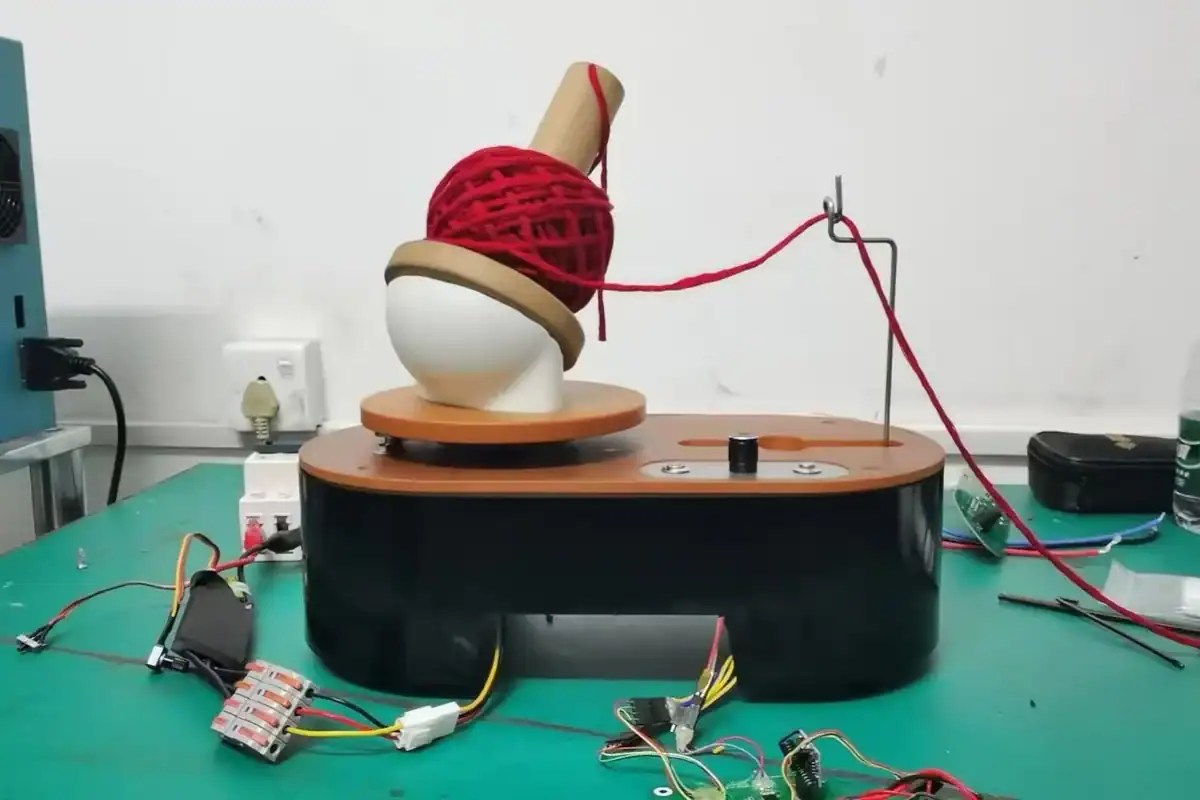
Before ordering production tooling, identify which results came from the design and which came from the temporary prototype method. Confirm the intended production material, key dimensions, draft and split considerations, surface finish, assembly interfaces and test requirements, and keep them inside a controlled sample and version record.
This is also the point to decide which changes must happen before the tool is made. A correction in a drawing can be manageable. The same correction after a hard tooling commitment can require rework, a new insert or a replacement tool.
Evaluate the quote as a controlled scope
A tooling quote should be clear enough for the buyer to compare what is included and what remains uncertain. Depending on the product and process, confirm:
- the part and drawing revision covered by the quote;
- tool type, intended material and production process;
- the number of tools or tool sets included;
- sample or trial output included before production approval;
- who is responsible for design-for-manufacture changes;
- what happens if the tool does not produce the agreed result;
- maintenance, storage and access arrangements;
- which fixtures, gauges, jigs or secondary tools are separate;
- payment and approval milestones.
These questions do not replace a product-specific engineering review or contract. They make the commercial scope visible before the buyer compares prices.
Use volume scenarios instead of one forecast
A new product forecast is uncertain. Compare at least a cautious launch scenario, an expected scenario and a higher-volume scenario. The objective is not to predict sales perfectly; it is to see when the preferred tooling choice becomes difficult to support.
For each scenario, review:
- tooling commitment;
- estimated unit manufacturing cost;
- assembly and inspection effort;
- capacity and replenishment needs;
- risk of a design change after launch;
- how much of the tooling cost the first order must carry.
Do not force the entire tool cost into the unit price without explaining the assumed volume, and do not hide it outside the product economics. The buyer needs to see both the cash commitment and the volume assumption.
Protect change control after tooling begins
Late changes are sometimes necessary, but they should never arrive as an informal image with “please adjust this.” Record the affected part, drawing revision, reason, expected tool impact, sample requirement and commercial effect.

Classify the change before approving it:
- Design correction: required for the agreed function or fit.
- Manufacturing adjustment: required for stable production.
- Commercial value change: adds or removes a feature based on target cost.
- Cosmetic preference: does not change core function but may still affect tooling or finish.
The buyer can then decide whether the change belongs in the current launch, a later version or not at all.
A Minden Intl case: the target price shaped development choices
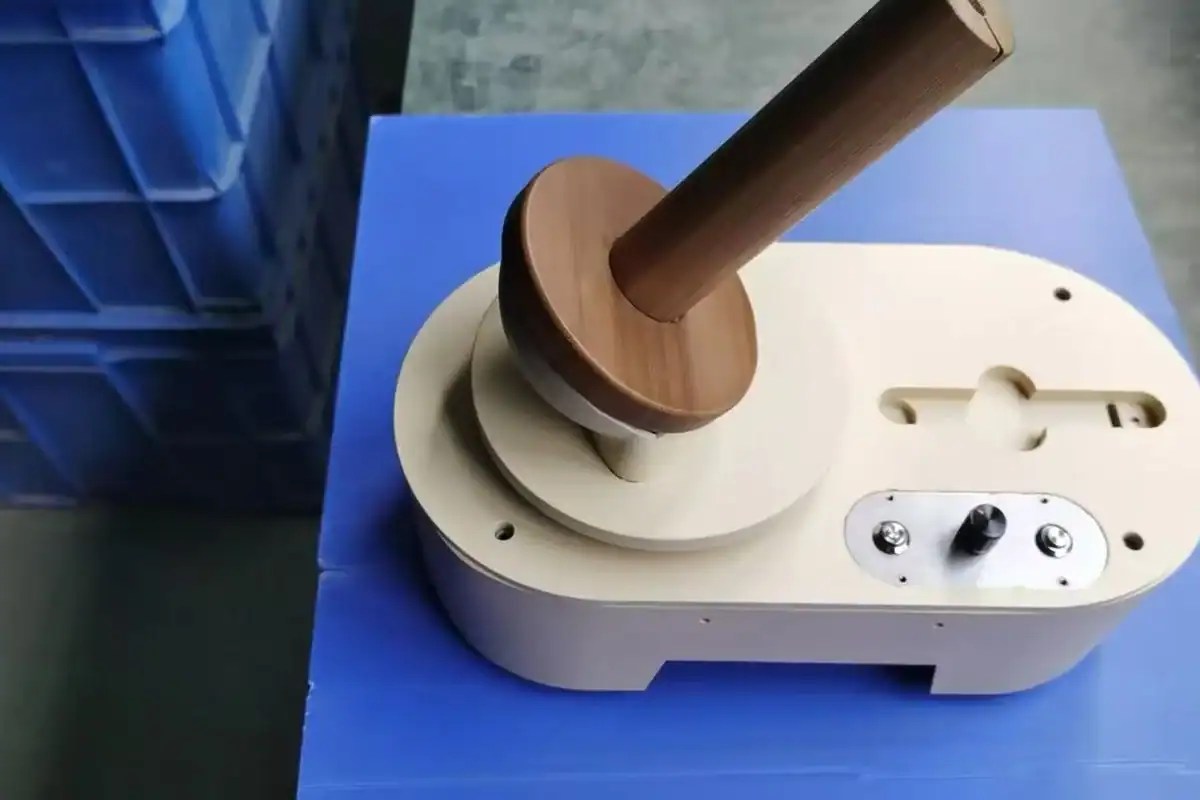
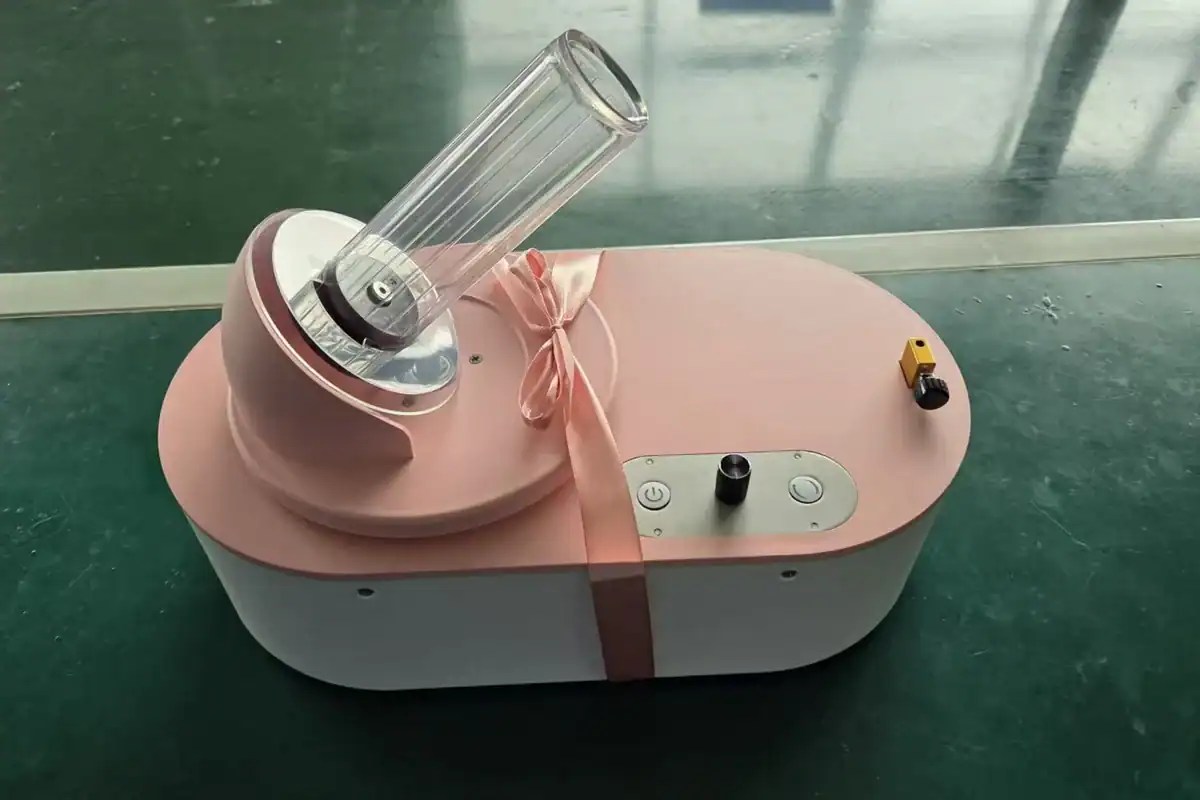
In Minden Intl’s electric yarn winder sourcing case, the customer was building a new product rather than selecting an existing catalogue item. The project involved multiple molds and a target retail position.
The commercial limit did not provide a ready-made answer. It created a decision boundary for structure, components, usability and manufacturing. Each change had to be considered as part of the complete product, not as a free improvement.
This does not mean another buyer should use the same tool count, development path or target price. It shows why tooling and commercial decisions must be connected before production.
Where this decision sits in product development
Tooling cost in product development follows the earlier work of defining the product and selecting a capable factory, but it comes before the team can treat the design as a stable production reference. See Minden Intl’s product development in China guide for the wider process.
The tooling decision should receive the approved drawings, material and component assumptions from prototyping. It should then hand a controlled tool, trial output and open-issue record to production validation. It is not the same as prototype iteration or final inspection.
What to prepare before requesting tooling quotations
Tooling cost in product development is only comparable when every factory receives the same package. Prepare the current drawings, functional requirements, critical dimensions, expected materials, surface requirements, target market, cautious and expected volume scenarios, target retail position, allowable cost range and the changes that are still open.
The more of this a factory receives at the same time, the less the quotation depends on assumptions that nobody has stated. A structured development process is what keeps those assumptions visible.We can help communicate the scope to suitable Chinese manufacturers and identify where design, process and commercial assumptions still conflict.
Frequently asked questions
Should I choose the lowest tooling quotation?
Not without comparing tool scope, production method, trial output, unit cost, maintenance, capacity and change risk. A low initial quotation can create higher downstream cost.
Can I calculate tooling cost per unit?
Tooling cost in product development can be modelled across a stated production volume, but the result is only as reliable as the volume assumption. Keep the upfront cash commitment visible as well.
Should all prototype parts use the final production process?
Not necessarily. Early prototypes can use faster temporary methods. Before production tooling, confirm which results must be revalidated in the intended material and process.
Who should own the mold?
Ownership, storage, maintenance, transfer and access should be documented in the commercial agreement. Do not rely on an assumption based only on who paid the invoice.
Before you approve a tooling quotation
Send us the current drawings, the functional requirements you cannot compromise, your cautious and expected volume scenarios, and the target retail position you are working toward. We will help communicate that scope to suitable Chinese manufacturers, compare what each quotation actually includes, and point out where the design, the process and the commercial assumptions still conflict.
We do not calculate your margin and we do not promise that a product will sell. We make the manufacturing side of that decision visible before the tool is cut.