A product defect does not become a supplier corrective action merely because the factory replaces the damaged item. Replacement addresses the immediate loss. Corrective action explains what happened, contains the current risk, changes the process or design and verifies that the same failure is less likely to reach the buyer again.
For an importer working with a factory in China, the difficult part is keeping facts, responsibility and the next order connected. A vague request to “improve quality” often produces an apology, extra inspection photographs and no controlled change.
A useful supplier corrective action plan gives both parties one record from the first evidence through the verification decision.
First decide whether formal corrective action is needed
Not every isolated cosmetic issue needs a full supplier corrective action request. Escalate the response when the defect can affect safety, function, compliance, installation, customer acceptance, repeated production or a significant part of the shipment.
For US importers, a defect that could create a substantial product hazard also carries a reporting duty to the CPSC that is independent of any commercial settlement with the factory.
Also consider a formal plan when the same issue appears again, when the supplier cannot explain the difference between approved and delivered goods, or when a defect exposes a weakness in drawings, samples, packing or inspection criteria.
The response should be proportional to the risk. A serious issue needs containment and evidence immediately. A low-risk one-off may only need correction and a recorded inspection note.
Separate correction, containment and corrective action
These three decisions are related but not interchangeable.
- Correction fixes or replaces the known defective unit.
- Containment prevents other suspect units from moving forward while the scope is checked.
- Corrective action removes or controls the cause so the next production run follows a safer process.
These definitions are not internal jargon. ISO 9001 separates correction from corrective action in the same way, which is why an audited supplier should already recognise the distinction.
A supplier can complete the correction while the root-cause investigation is still open. Record the stages separately so an urgent replacement is not mistaken for final closure.
Capture the defect before the evidence changes
Describe what was observed without deciding the cause too early. The first record should identify:

- product code, order and quantity affected;
- approved drawing, sample or specification version;
- where and when the issue was found;
- the visible condition, dimensions or failed function;
- photographs, video, measurements or test results;
- packing and handling condition where relevant;
- units checked and the number with the same symptom;
- the immediate commercial or customer risk.
Keep the defective part and packing available when practical. Once an item is repaired, unpacked or discarded, useful evidence about load, contact points, fasteners or impact can disappear.
Contain the current order
Containment answers one question: what must stop until the buyer understands the exposure?
The action may include holding shipment, separating suspect units, checking a defined production lot, protecting an installation date or arranging an agreed replacement. It should name the responsible person, the units covered and the evidence needed before release.
A blanket “100% inspection” is not automatically good containment. If the inspection method cannot reveal the failure, checking every unit repeats the same blind spot.
Define the feature, test or packing condition that must be examined. A written furniture quality control checklist makes that definition repeatable across lots instead of depending on who is inspecting.
Find the cause without stopping at the broken part
The physical break is the symptom. The investigation should consider why it occurred and why the existing controls did not prevent or detect it.
Review six areas:
- Requirement: Was the critical load, dimension, material or use condition defined?
- Design: Did the geometry, joint or component create a weak point?
- Material: Was the approved material used and suitable for the process?
- Manufacturing: Did tooling, assembly, curing, welding, fastening or handling vary?
- Packing and logistics: Did the product experience an unsupported load, impact or movement, and did the protective packing design match the way it was actually handled?
- Control: Why did sampling, inspection or loading review fail to reveal the risk?
Ask for evidence that supports the proposed cause. A plausible story is not enough if the next order will rely on it. Established root cause analysis methods exist for exactly this reason.
Write actions that can be verified
“Train workers,” “pay more attention” and “strengthen QC” are weak actions unless they change a controlled part of the process. Each corrective action should state:
- the exact drawing, work instruction, material, tool, fixture, assembly or packing change;
- who will implement it;
- the version and effective date;
- which units or orders it covers;
- how the change will be checked;
- what result will count as effective.
If the supplier changes the product, update the buyer-controlled reference as well. Production should not follow a new factory instruction while the purchase specification still points to the old version. Keeping that reference under controlled sample and version management is what makes the change traceable at the next inspection.
Control the redesign before the next order
A redesign can affect cost, appearance, assembly, packing volume and destination use. Review these consequences together instead of approving the structural change in isolation.

The revised sample or first production unit should be identified by version. Record which tests address the original failure and which other approved features must remain unchanged. A fix that prevents one crack but creates difficult assembly or a new finish defect is not complete.
Verify effectiveness in real production
A prototype can show that the proposed fix is possible. It cannot prove that the factory will reproduce it across the next order.
Effectiveness verification may include a revised sample, first-production review, in-process check, functional or load test, packing trial and pre-shipment inspection. Select the stages according to the failure mechanism.
Close the action only when the agreed evidence is available and the approved change appears in the units the buyer will actually receive.
A real Minden Intl case: the reorder tested the solution
In a US exhibition-furniture order coordinated by Minden Intl, a custom 72-inch bar passed its sample review. During loading, one unit cracked at the leg inside its crate. The immediate customer issue and the design response were handled as separate decisions.
The product was redesigned from one rigid frame into three modular sections joined with cam-lock and dowel hardware. The change also reduced the packed volume per unit from 1.5 CBM to 0.5 CBM without increasing the unit price. A later 50-unit order used the revised structure.

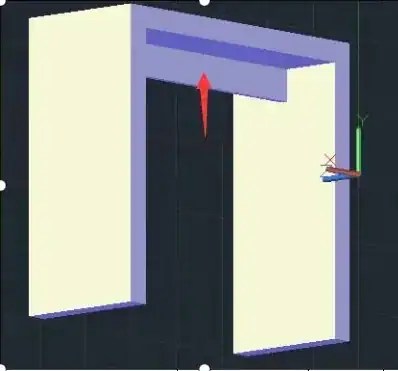
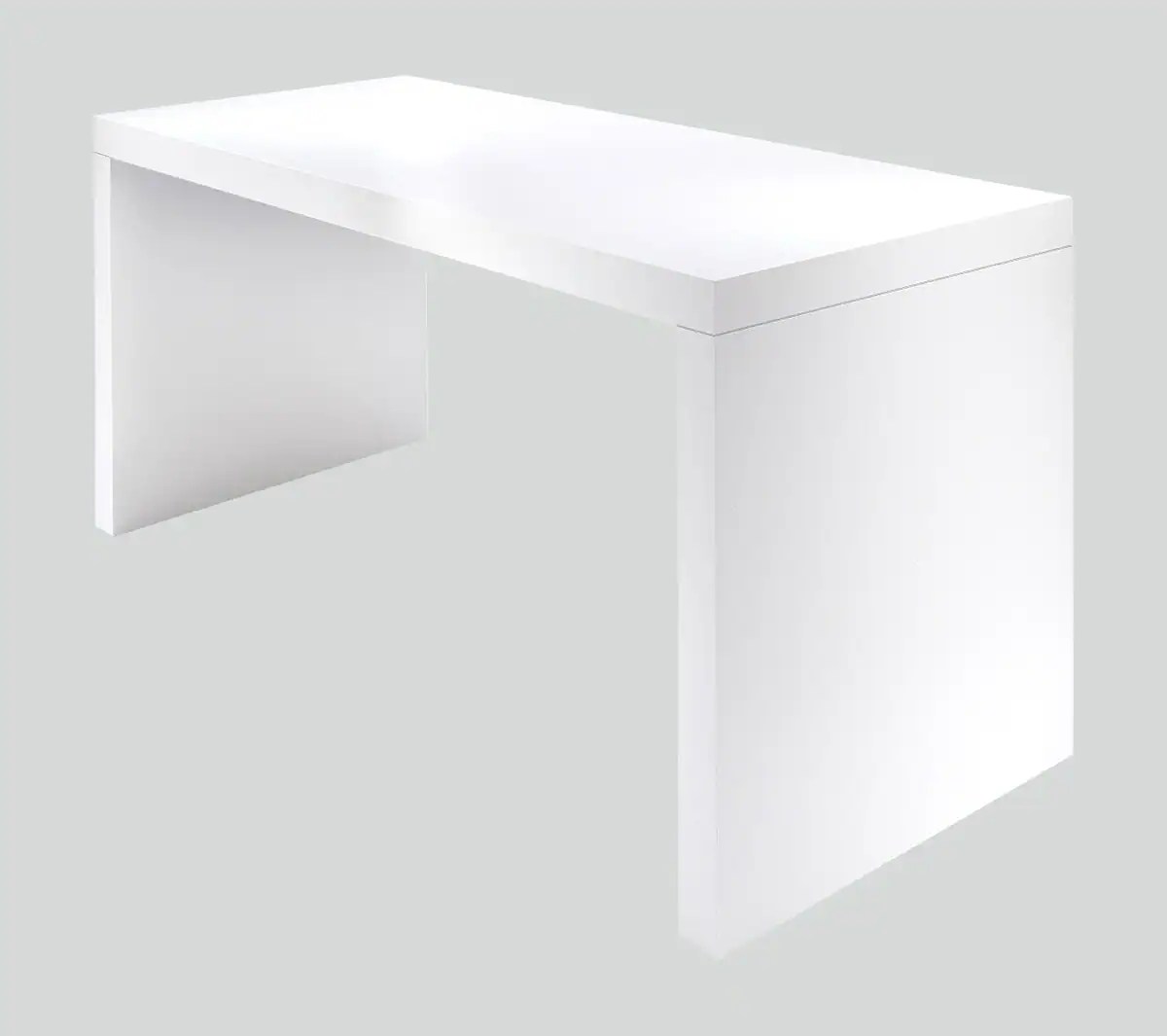
This is evidence from one project, not a universal design rule. The useful lesson is the sequence: observe the defect, protect the buyer, investigate the weak point, control the new version and carry the change into the repeat order. Read the complete custom exhibition furniture manufacturing case.
A supplier corrective action record
| Section | Required record |
|---|---|
| Problem | Observed non-conformity, scope and evidence |
| Containment | Units held, checked, repaired or replaced |
| Cause | Supported reason for occurrence and escape |
| Action | Controlled design, process, material or packing change |
| Owner and date | Responsible party and effective version |
| Verification | Sample, production, inspection and shipment evidence |
| Closure | Buyer decision and any open monitoring |
How Minden Intl coordinates corrective action in China
Minden Intl works on the buyer’s side across supplier sourcing, furniture sourcing in China, product development, sample management, production follow-up, inspection, warehousing and shipping. When a defect is found, we help connect the factory’s immediate response with the controlled product record and the next verification point.
For a new sourcing project, start with the custom exhibition furniture sourcing workflow or the broader product development process in China.
Frequently asked questions
What should a supplier corrective action plan include?
It should include the problem statement, evidence, affected scope, containment, supported cause, controlled action, owner, timing, verification method and closure decision.
Is replacement the same as corrective action?
No. Replacement corrects the known loss. Corrective action changes the relevant design, process, material, packing or control so the cause is addressed.
Who approves the corrective action?
The supplier proposes and implements actions, but the buyer should approve changes that affect the product specification, commercial agreement, compliance, function, appearance or destination use.
When can the action be closed?
Close it after the agreed change is implemented and effectiveness evidence from the relevant production and shipment stage has been reviewed.
Send the evidence, not just the complaint
Send the product, order reference, approved specification and the evidence you already have. Minden Intl will work with the factory on containment, cause and a controlled change, then confirm the result at the next verification point before the goods ship.