There is no reliable fixed number of prototype rounds for a new product. A simple change to an existing item may need only limited confirmation, while a product with new mechanics, tooling, electronics or user interactions may need several meaningful revisions.
The useful question is not, “How many samples should we make?” It is, “What uncertainty must the next version remove before we spend money on the following stage?”
A disciplined prototype iteration process turns each version into a decision. It prevents the buyer, designer and factory from repeatedly changing the same features, and it creates a clear point at which the design can move toward tooling and production.

Count decisions, not physical samples
One prototype round can include more than one physical unit, and one physical unit can answer more than one question. Counting courier parcels does not show whether the development process is progressing.
Instead, define each round by its purpose. Typical purposes include:
- proving that the core mechanism can work;
- checking dimensions, fit and user interaction;
- comparing materials or component options;
- testing assembly and service access;
- confirming appearance, finish and branding;
- validating the intended production process.
If two versions answer the same unresolved question without a change in method, specification or evidence, the project is repeating activity rather than learning.
Start every round with a written question
Before the factory makes the next prototype, write down the decision that version must support. “Make it better” is not a test objective. “Confirm whether the revised guide prevents yarn from leaving the intended path at the agreed operating condition” is a decision objective.
A useful prototype request contains five items:
- Question: What uncertainty are we testing?
- Change: What is different from the previous version?
- Method: How will the buyer and factory evaluate it?
- Acceptance: What result is good enough to continue?
- Next decision: What happens if it passes or fails?
This structure also makes quotations easier to interpret. The factory can see whether a request is a minor adjustment, a new component, a structural redesign or a tooling-related change.
Separate four types of revision
Prototype feedback becomes difficult when every comment is placed in one unstructured message. Separate revisions by the kind of risk they address.
1. Functional revisions
These affect what the product does: output, movement, controls, stability, noise, heat, load or another product-specific function. Functional changes should be tested before cosmetic preferences consume the discussion.
2. Structural and manufacturing revisions
These affect how parts fit, how the item is assembled, whether tolerances are realistic and whether the factory can make the design consistently. A prototype can look correct while still being unsuitable for repeatable production.
3. User and handling revisions
These cover installation, loading, adjustment, cleaning, controls, instructions and normal handling. The buyer should identify the intended user and use condition rather than asking the factory to guess what “easy to use” means.
4. Visual and brand revisions
These cover color, surface finish, logo position, packaging presentation and other appearance details. They matter, but visual approval should not be treated as proof that the mechanism or production method is ready.
Use one controlled change list
When comments arrive through email, chat, annotated photos and calls, the factory can easily implement an old instruction or combine incompatible requests. Maintain one revision register for the current version. This is what ISO 10007:2017 calls configuration management: identifying the item, controlling changes to it, and being able to state at any moment which version is current.

| Field | What to record |
|---|---|
| Version | A unique version name and date |
| Observed issue | What happened, without guessing the cause |
| Requested change | The exact feature, component or document to revise |
| Reason | The user, function, production or commercial risk involved |
| Owner | Who will change, test or approve it |
| Evidence | Photo, video, measurement, test record or drawing |
| Decision | Accepted, rejected, deferred or needs another test |
Freeze the list before the factory starts the next version. If a new request appears later, record it separately and decide whether it is important enough to interrupt the current round. Once physical samples start moving between factory and buyer, this register feeds straight into the sample records and approvals that carry a project through to pre-production.
Do not combine unresolved risks too early
A highly finished prototype can create false confidence. If the core mechanism is still uncertain, spending time on final color, retail packaging and polished surfaces can make the version expensive without making the product more ready.
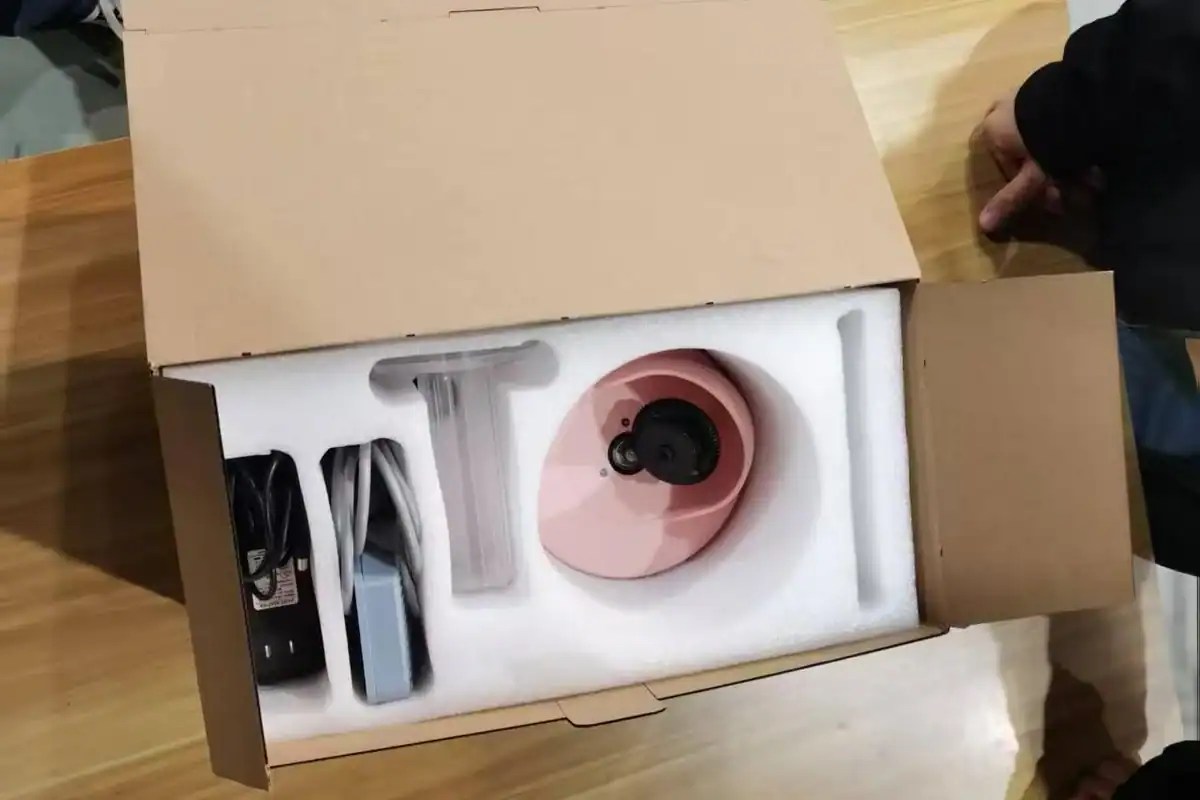
Early versions can be deliberately simple when they are testing one difficult point. Later versions should progressively represent the intended materials, components, assembly and production process. The fidelity of a prototype should match the decision it needs to support.
What should trigger more prototype rounds?
Another version is justified when a material uncertainty remains and the next build has a defined way to reduce it. Common triggers include:
- a key function did not meet the written acceptance condition;
- the design works, but cannot be manufactured or assembled consistently;
- a component substitution changes performance, fit or appearance;
- the proposed tooling or production method requires a geometry change;
- normal use reveals a safety, durability or handling problem;
- the buyer changes a requirement that affects other approved features.
A new round is not automatically justified by personal preference, a late unprioritized idea or a request that cannot be evaluated. Those items should first be translated into a requirement and weighed against cost, schedule and production risk.
How to decide when to stop iterating
Stop when the product is ready for the next controlled stage, not when everyone has run out of comments. The verification and validation steps in ISO 9001:2015 draw the same line: a design is released when its outputs meet the inputs it was given, not when nobody has further comments. Before freezing the design, confirm that:
- the core functions have defined evidence and acceptable results;
- critical dimensions, materials and components are identified;
- the intended manufacturing and assembly approach is understood;
- open issues are classified as blocking, acceptable or deferred;
- the approved version can be identified without relying on chat history;
- changes that affect tooling, compliance, packaging or production are visible to the relevant owner;
- the buyer understands what has not yet been validated.
“Approved” should never mean “perfect under every possible condition.” It should mean that the agreed questions for this stage have been answered well enough to justify the next commitment.
A Minden Intl case: five revisions were project evidence, not a rule
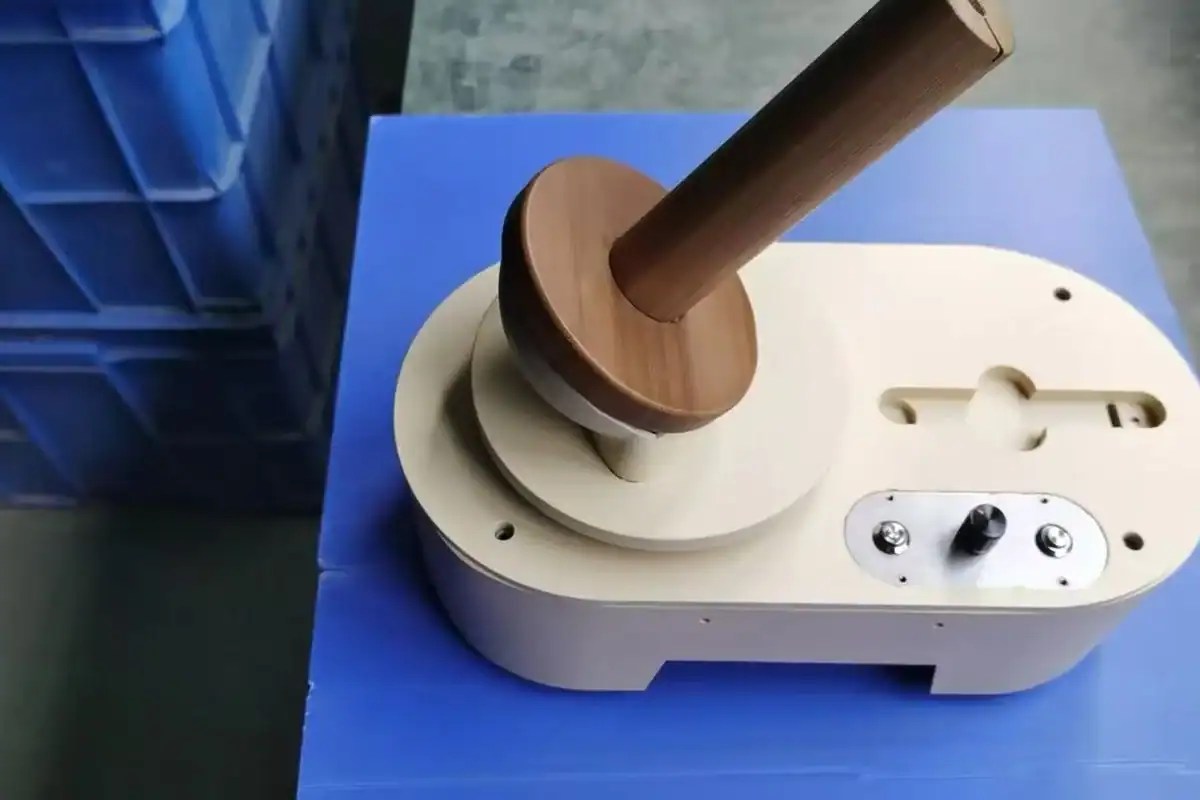
In Minden Intl’s electric yarn winder development case, there was no mature existing product for the customer to copy. The product required five major revisions before the final version. That number describes one real project; it is not a recommended number for every product.
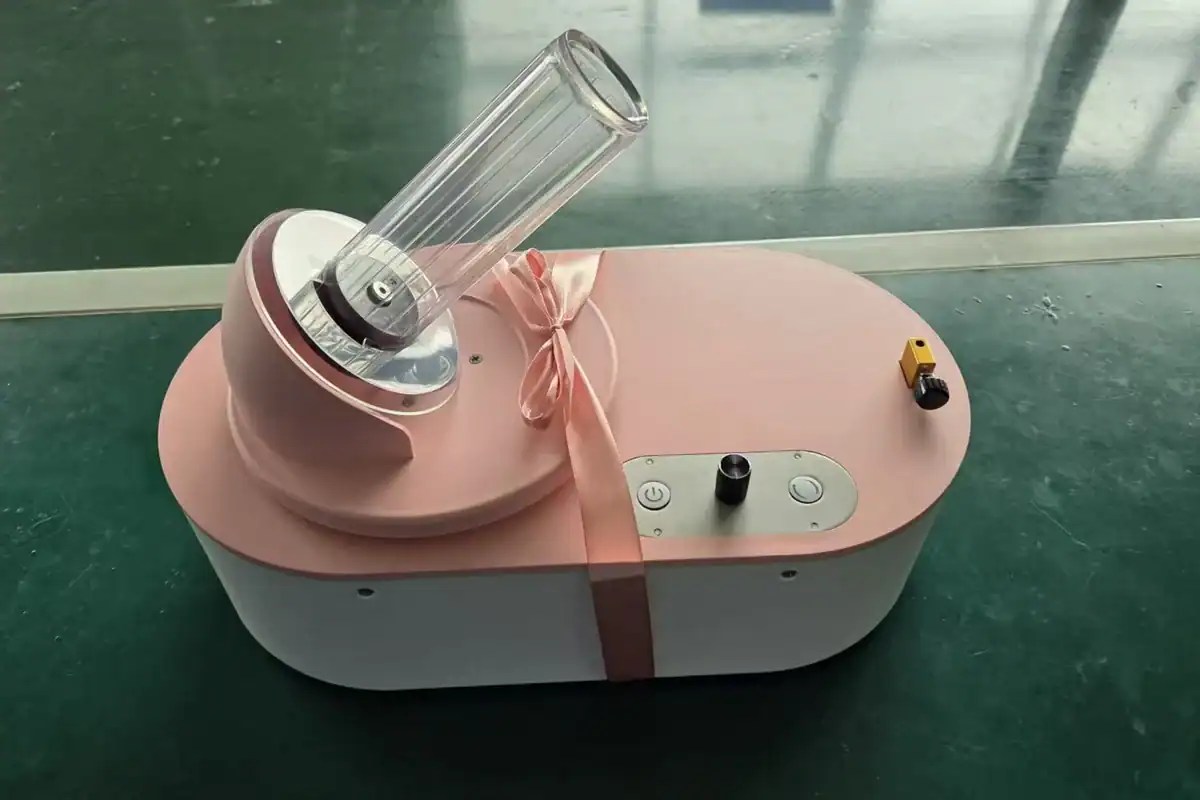
The value of the iterations was the sequence of decisions. Mechanical behavior, component choices, usability and production constraints had to become clear enough for the factory and buyer to move forward with the same version in mind.
A different product could need fewer or more rounds. In a custom Christmas decor project, two revision rounds were enough, because the uncertainty was appearance rather than mechanism. What matters is whether each round closes a meaningful risk and whether the final approved record can guide production.
How the prototype iteration process fits into China product development
Prototype control is only one part of developing a product in China. The project also needs a usable brief, a capable factory, commercial feasibility, tooling decisions, production controls and inspection planning.
Minden Intl helps overseas buyers coordinate these decisions with Chinese factories. We do not assume that a supplier’s first sample is production-ready, and we do not treat more iterations as automatic evidence of better development. The objective is a controlled path from uncertainty to an approved, producible reference.
What to send for a prototype planning discussion
Prepare the product concept, intended user, target market, current drawings or reference items, known constraints, expected order scale and the main question the next prototype must answer.
Discuss your prototype plan with Minden Intl. We can help organize the next decision, communicate the revision clearly and identify what must be confirmed before tooling or production.
Frequently asked questions
Is there a standard number of prototype rounds?
No. The number depends on product novelty, technical uncertainty, the quality of the brief, the manufacturing method and what each version is designed to prove.
Should every prototype look like the final product?
No. Early versions can isolate a function or structural question. Later versions should increasingly represent the intended materials, components, assembly and appearance.
Can several changes be tested in one round?
Yes, if the effects can still be observed and the team can identify which change caused the result. Combining too many dependent changes can make the outcome difficult to interpret.
What is the most important prototype document?
A controlled version record that connects the observed issue, requested change, evaluation evidence and approval decision. It should be understandable without reconstructing old messages.
Not sure what your next prototype round should prove?
Send us the current version, what went wrong with it and what you still need to decide. We will help turn that into a written request the factory can quote and build against, and tell you honestly whether another round is justified or whether the design is ready to freeze.