When buyers search “private label vs OEM vs ODM China”, they usually find three tidy definitions. The definitions are fine. The problem is that Chinese factories don’t always use these words the way buyers do, and the difference shows up later, in the quote, the MOQ and the question of who owns the mold.
This guide explains what each model means on the factory floor, what it costs you, and how to pick one for your brand in 2026.
Quick answer — Pick by stage, not by definition:
- Private label = a Chinese factory’s off-the-shelf product + your logo & packaging. Cheapest and fastest, easiest to copy — use it to test demand.
- ODM = modify the factory’s base design (color, material, feature). Medium cost and lead time, real differentiation — use when private label isn’t enough but full development isn’t worth it.
- OEM = build to your design with new tooling. Highest cost and lead time, hardest to copy — use when the product itself is the brand.
- Two traps: many Chinese factories call “print your logo” OEM (it’s really private label); and paying for a mold ≠ owning it — ownership must be written into the contract.
OEM and ODM Meaning: The Short Version
Private label means you take a product the factory already makes and sell it under your brand. The product stays the same. Your logo, packaging and inserts change.
ODM (original design manufacturer) means the factory owns the base design, and you modify it. Different color, different material, an added feature, a new handle. The factory’s existing tooling does most of the work.
OEM (original equipment manufacturer) means the factory builds a product to your design and your specifications. New drawings, usually new molds, and a development phase before production.
That’s the textbook OEM ODM meaning. Here’s the part most buyers don’t realize. In China, many factories say “OEM” when they mean “we can put your logo on it.” The Chinese term is 贴牌, literally “stick a brand on.” So a factory that says “OEM welcome” on Alibaba is often offering private label, not engineering.
Always ask the factory to describe what it will actually do. Will it print your logo? Change the product? Build from your drawing? The answer tells you which model you’re really buying.

Private Label vs OEM vs ODM China Comparison at a Glance
| Private label | ODM | OEM | |
|---|---|---|---|
| Who owns the design | Factory | Factory (your changes may be yours if agreed in writing) | You |
| New mold tooling | None | Sometimes, for changed parts | Usually |
| Upfront cost | Lowest | Medium | Highest |
| Time to first shipment | Shortest | Medium | Longest, often months |
| Product differentiation | Low | Medium | High |
| Risk of identical competitors | High | Medium | Low |
| What usually sets the MOQ | Printed packaging | Changed components or materials | Tooling and component purchasing |
| Best for | Testing demand, accessory lines, brand-is-the-difference | Meaningful differentiation without full dev cost | Product-is-the-brand, clear design, can carry tooling |
None of these is “better.” Each fits a different stage of a brand.
Private Label: Fast to Launch, Easy to Copy
Private label is the shortest path to market. The product is already proven at the factory, samples exist, and lead times are known. You’re mainly working on branding.
The MOQ surprise usually comes from packaging, not the product. A factory might happily sell you a few hundred units, but a printed color box needs its own print run, and that run has its own minimum. Logo printing on the product, by silk-screen, pad print or laser, also carries a setup charge. Our product packaging team sees this regularly. Buyers budget for the product and forget the box.
The real weakness is copying. If you can find the product in a factory catalogue, so can your competitors. On Amazon, that often means several listings with the same product, the same photos and different logos, all fighting on price.
Private label works well for testing demand, for accessory lines, and for products where your brand, bundle or content is the actual difference.
ODM: Your Changes, Their Platform
ODM sits in the middle. You start from the factory’s existing design and change what matters to your customer. The factory’s molds and production setup stay largely in place, so cost and time stay manageable.
Two things catch buyers out.
First, ownership. The base design belongs to the factory. Unless your contract says otherwise, the factory can sell the same base product, and sometimes your modified version, to other buyers. If a change matters to your brand, get exclusivity for that change in writing, and expect to pay for it.
Second, small changes are not always small. A new color may only need a different masterbatch. A new handle shape may need a new mold insert or a whole new mold. Ask the factory which changes touch tooling before you finalize the design.
ODM fits most growing brands. You get a product that’s meaningfully yours without paying for full development.
OEM: Full Control, Full Responsibility
With OEM, the product starts from your design. That means drawings or a detailed spec, a factory that can actually engineer and tool the product, and several rounds of samples. Our product development process walks through each stage.
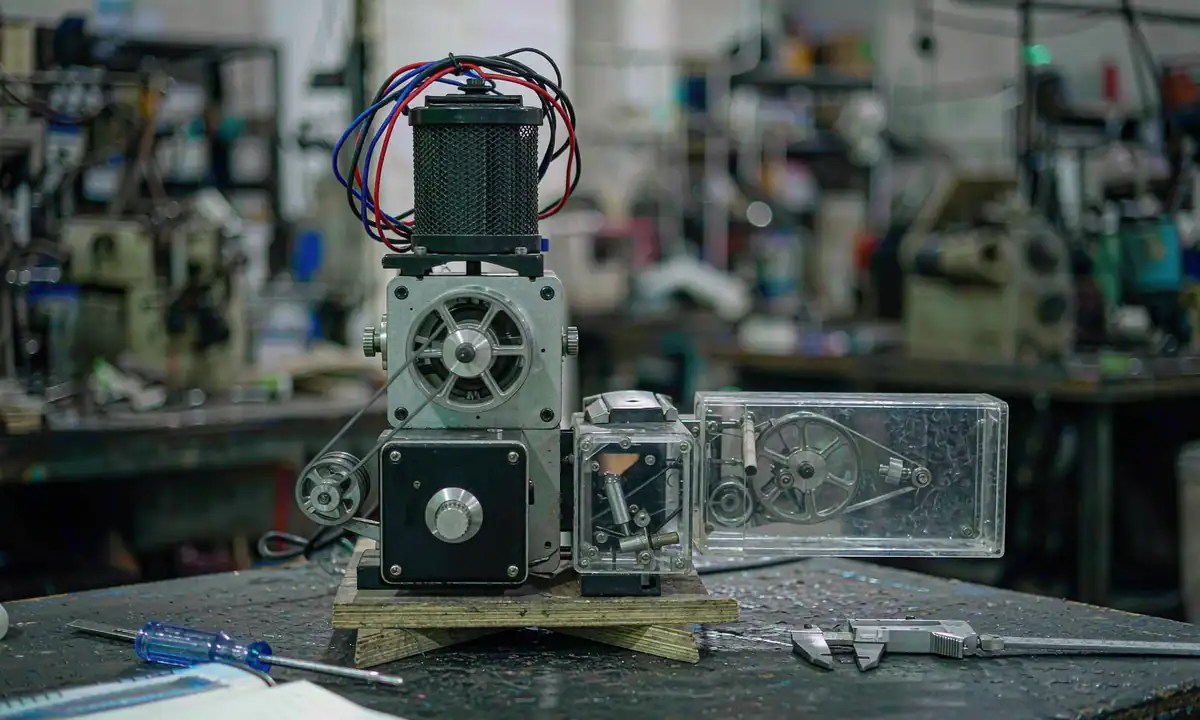
The electric yarn winder we developed for an Amazon brand is a typical example. The client had already designed three exterior concepts himself. The product needed three to five separate molds, five rounds of changes during sampling, and close to 18 months from the first conversation to final shipment of 3,000 units.
Cost was the hardest constraint. The client’s target retail price was around $20, and the factory’s early cost projections came in over budget. The gap was closed by simplifying some mold features, choosing more cost-efficient components, and spreading the mold investment across the production run instead of loading it into the first order’s unit price.
That project also shows why factory choice matters more under OEM. Most factories we approached couldn’t handle the engineering, or didn’t want a custom tooling order without proven demand. A proper factory capability assessment before sampling saves months later.
Mold Tooling: Who Pays, Who Owns, Where It Lives
Mold tooling is where the three models separate most clearly. Private label uses none of your money. ODM may need a modified mold. OEM almost always needs new ones.
Paying for a mold does not automatically mean you own it. Before you pay the tooling invoice, get these points in writing:
- You own the mold and the design it produces
- The factory can’t use it to make products for anyone else
- Where the mold is stored, and who maintains it
- Your right to move it to another factory
Molds usually stay at the factory, because that’s where production happens. Moving one is possible, but the new factory will need trial runs to set it up on its machines.
Two more things worth knowing. Some factories offer to refund part or all of the mold fee once your cumulative orders reach an agreed quantity. Ask about it. And more mold cavities cost more upfront but produce more parts per cycle, which lowers unit cost at volume. The right choice depends on how many units you realistically expect to sell.
What Amazon Private Label Cost Really Includes
Most first-time sellers compare unit prices. The real Amazon private label cost is the sum of everything it takes to get a sellable unit into an Amazon warehouse:
- Unit price from the factory
- Samples, including shipping them to you
- Logo setup and printed packaging, with their own MOQs
- Tooling, if you choose ODM changes or OEM
- Inspection before shipment
- Freight, duties and customs clearance
- FBA prep and labeling, now fully the seller’s job since Amazon stopped offering it in 2026 (see our FBA prep and inbound compliance guide)
- Trademark registration
That last line matters more than it looks. Amazon Brand Registry requires a pending or registered trademark for your brand name or logo.
You can start with a US trademark filing. If you’re building a long-term brand made in China, it’s also worth registering in China, since China grants trademarks to whoever files first.
On the wooden urn set we sourced for a US Amazon seller, the labels alone went through three revisions before artwork and product matched. That’s normal. Budget time for it.
How to Choose a Private Label Manufacturer in China
Whichever model you choose, a few checks apply to every private label manufacturer in China.
Confirm whether you’re talking to a factory or a trading company. Both can work, but you should know which. Then ask what the factory actually does in-house: molding, printing, assembly, packaging. Outsourced steps are where quality usually drifts. Our guide on how to verify a Chinese supplier covers the documents and checks we use.
For OEM, ask to see products the factory has developed for other clients, not just what’s in its catalogue. A factory that only shows catalogue items is an ODM or private label factory, whatever its website says.
If you can’t visit factories yourself, this is where a China sourcing agent earns its fee: shortlisting factories that actually fit your model, checking them on site, and comparing quotes on the same specification.
Which Model Fits Your Brand?
Choose private label if you’re testing a market, your budget is limited, or your brand, bundle or content is the real differentiator.
Choose ODM if you need a product competitors can’t simply order from the same catalogue, but can’t justify full development yet.
Choose OEM if the product itself is the brand, you have a clear design, and you can carry tooling cost and a longer timeline.
Most brands don’t stay in one model. They start with private label, move to ODM changes on their best sellers, and develop OEM products once they know what customers will pay for. The private label vs OEM vs ODM China question isn’t answered once. It’s answered product by product.
Still deciding which model fits your product?
Send us your product idea, target price and expected volume. Minden Intl will tell you whether private label, ODM or OEM makes sense — and which factories in our network can actually deliver it.
FAQ
What is the difference between OEM and ODM?
OEM means the factory builds your design. ODM means you modify the factory’s existing design. ODM is faster and cheaper because most tooling already exists, while OEM gives you a product competitors can’t order from the same catalogue.
Is private label the same as OEM?
Not in the strict sense, but many Chinese factories use “OEM” to mean putting your logo on their product. Ask the factory exactly what it will change before comparing quotes.
Who owns the mold when I pay for tooling in China?
Only whoever the contract says owns it. Payment alone doesn’t transfer ownership, so get ownership, storage, exclusive use and your right to move the mold in writing before paying.
How much does Amazon private label cost to start?
It depends on the product and packaging MOQs, but the total includes much more than the unit price. Samples, packaging setup, inspection, freight, duties, FBA prep and trademark filing all need to be in the budget.
Can I switch from private label to OEM later?
Yes, and many brands do. Start with private label to prove demand, then invest in ODM changes or OEM tooling for the products that sell.
Not Sure Which Model Fits Your Product?
Send us your product idea, target price and expected volume. Minden Intl will tell you whether private label, ODM or OEM makes sense, and which factories in our network can actually do it.