A pre-production inspection for a new product has to start from more than an approved prototype. The prototype is an important milestone, but it is not yet a complete inspection standard. It may have been assembled with extra attention, temporary components or methods that do not represent normal production.
Before a new electromechanical product moves into a larger order, the buyer and factory need to translate the approved design into repeatable checks for function, structure, appearance, components, assembly and packaging.
A workable pre-production inspection for a new product answers three questions: What must remain the same? How will it be checked? What happens when the result differs?
Begin with a controlled production reference
The production reference is more than one physical sample. It is the set of approved evidence that lets different people identify the same product.
Depending on the product, the reference can include:
- approved drawings and revision numbers;
- a bill of materials or controlled component list;
- critical dimensions and tolerances;
- approved materials, finishes, colors and markings;
- functional test methods and acceptance results;
- photos or videos of important assembly details;
- packaging, labels, accessories and instructions;
- a signed or clearly identified physical reference sample.

If the factory, buyer and inspector cannot identify which revision governs production, inspection becomes a debate after the goods have already been made.
Separate validation by production stage
One final check cannot control every production risk. The timing of a check should match when the problem can still be found and corrected.
Before production starts
Confirm that the factory has the current drawings, component list, packaging files and approved changes. Review whether production materials and components match what was approved. Resolve substitutions before they enter the line.
First production units
Use initial units made with the intended production process to confirm assembly, fit, key functions, workmanship and packaging assumptions. This is where a prototype-to-production transfer problem may first become visible.
During production
Check whether the process remains stable as more units are made. Focus on recurring assembly errors, component mix-ups, workmanship drift and issues that could affect the rest of the lot.
Before shipment
Verify the finished order against the approved scope: quantity, product configuration, selected function checks, appearance, accessories, labels, cartons and other product-specific requirements. When several suppliers feed one shipment, some of these checks happen at the consolidation warehouse rather than at the assembly factory. A pre-shipment inspection does not recover controls that were never defined earlier.
Build a pre-production inspection for a new product around real risk
A checklist built for one mature category, such as our furniture quality control checklist, can help organize a report, but it cannot decide what matters for a new product. Start with the ways this specific item could fail for the customer or the buyer.
| Area | Questions to define before inspection |
|---|---|
| Function | What should the product do, under which stated operating condition, and what result is acceptable? |
| Structure | Which joints, supports, housings, moving parts or interfaces carry important load or alignment? |
| Components | Which items are critical to performance, compatibility, service or approved appearance? |
| Assembly | Which orientation, fastener, connection or adjustment errors are possible? |
| Appearance | Which surfaces, colors, gaps, marks and workmanship details matter to the buyer? |
| Packaging | What must be included, protected, labeled and counted? |
| Documentation | Which current files, instructions or records must accompany the product? |
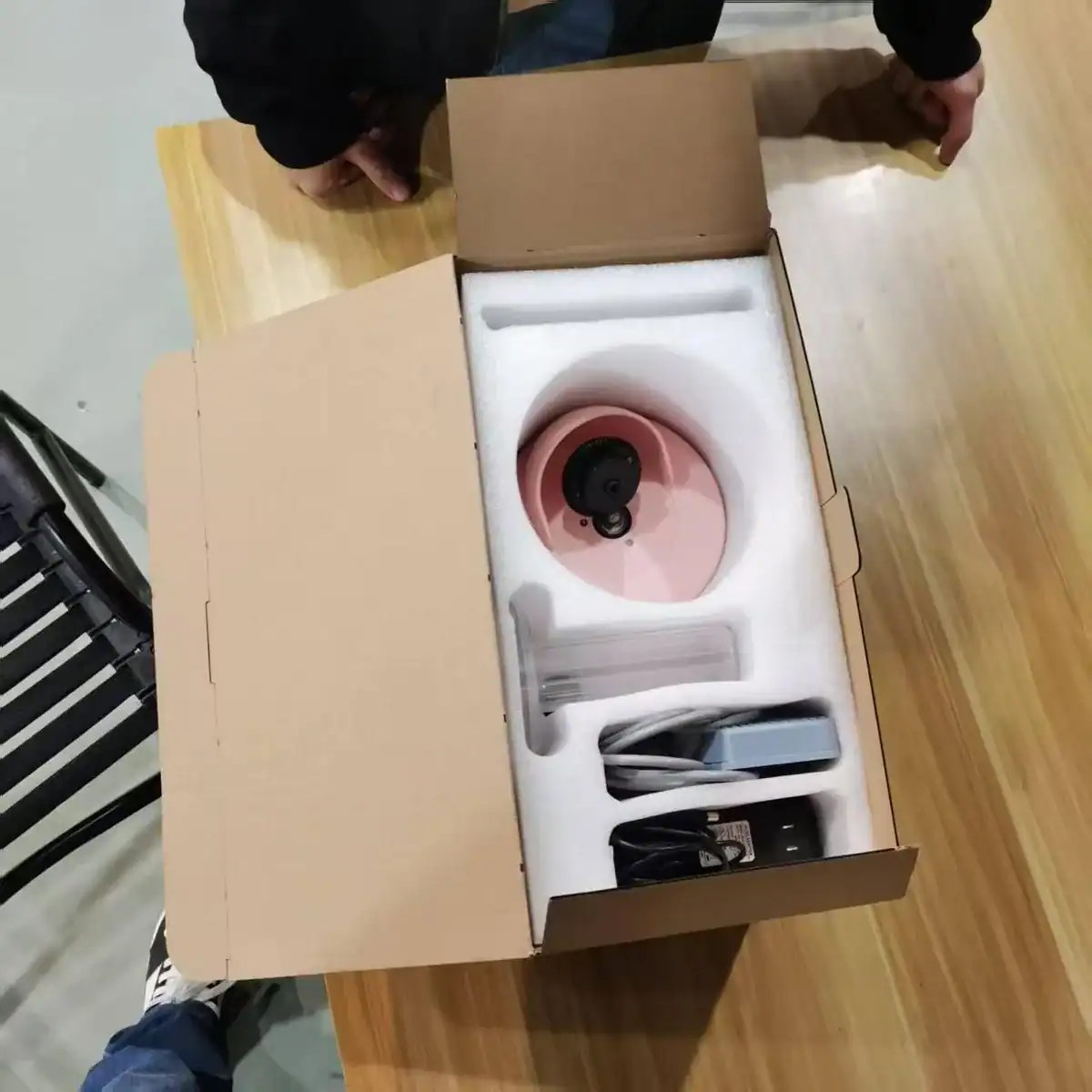
Do not add a test because it appears in another product’s checklist. Add it because it controls an identified risk or a confirmed market requirement.
Turn functional claims into test instructions
“Works correctly” is not an inspection method. A functional check needs a setup, action, observation and acceptance condition.
For example, an electromechanical product may need the inspector to confirm the correct power configuration, load or material setup, operating sequence, observation period and expected result. The exact method depends on the product and must be approved by the relevant technical owner.
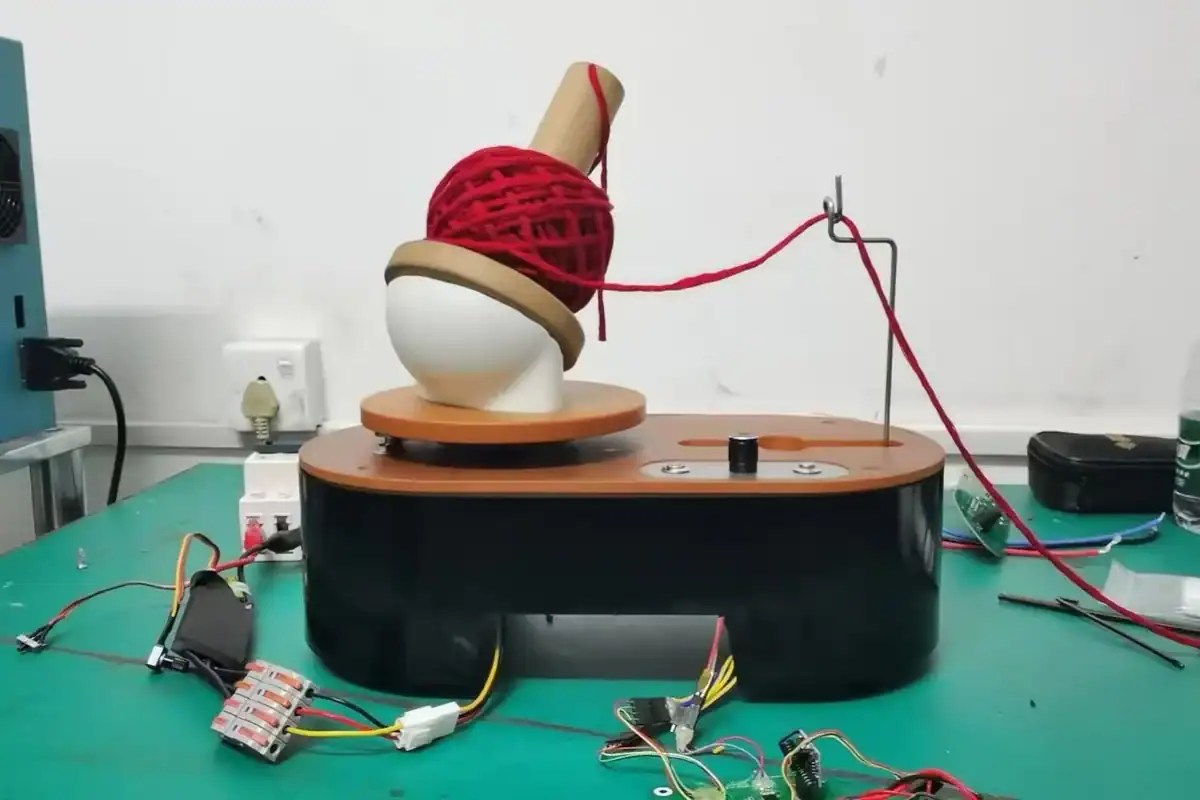
Record the result in a way that can be reviewed later. A short video may be useful for movement or noise; measurements may be needed for output or fit; a checklist may be enough for a simple sequence. Evidence should match the decision.
Control components and substitutions
New products often depend on components sourced from other suppliers. A substitution can preserve appearance while changing fit, performance, durability, assembly or availability.
Identify critical components before production and define what information is required when a change is proposed. At minimum, record:
- the original and proposed component;
- the reason for the substitution;
- affected dimensions, interfaces or functions;
- the test or sample needed for approval;
- who approved the change and which production lots it covers.
A factory message that a substitute is “similar” is not enough when the component affects a critical requirement.
Use the approved sample correctly
A physical approved sample is useful for appearance, assembly and handling comparisons, but it has limits. It may not show internal component identity, an acceptable tolerance range or the full operating condition.
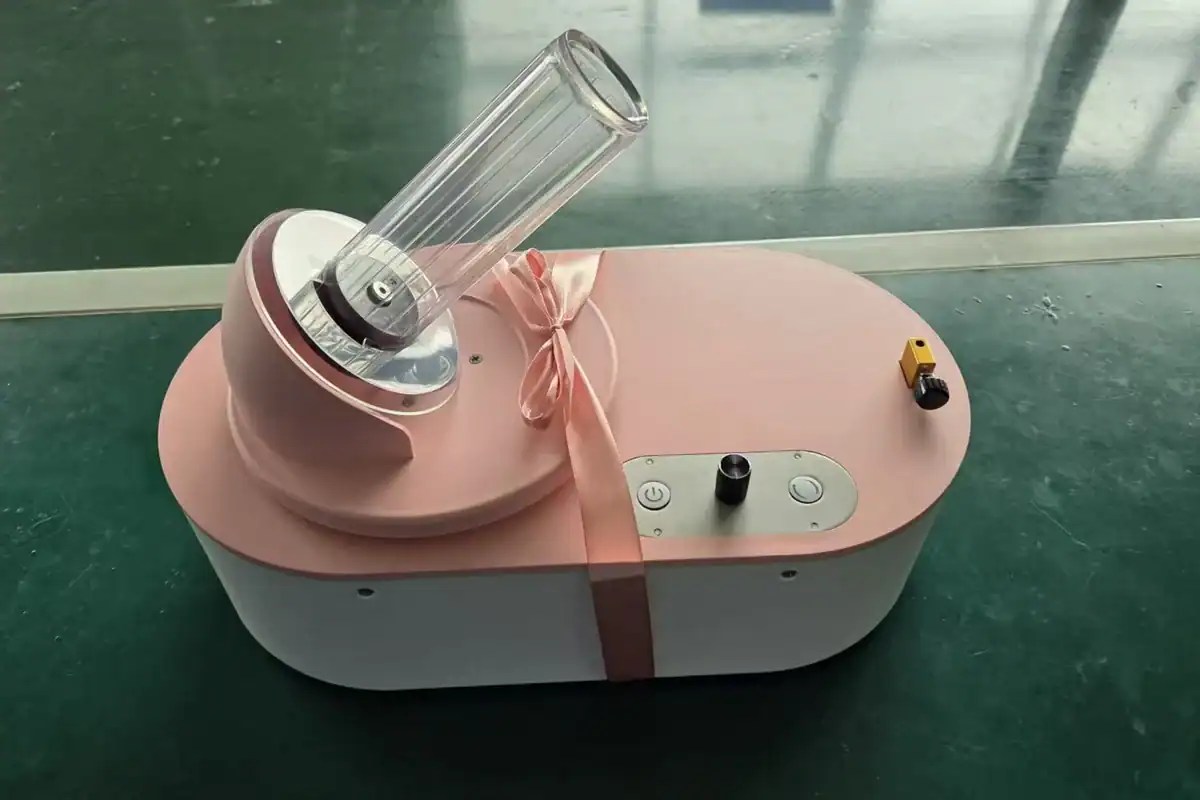
Keep the sample connected to drawings, specifications and change records. If the sample and document disagree, pause and resolve which requirement governs before inspecting the lot.
The approved sample should also be protected from uncontrolled use or replacement. If it changes, is damaged or cannot be identified, the comparison loses value.
Define defects before the inspection
Do not wait for the report to decide whether an observation matters. Classify important issues according to their effect on function, safety, customer use, appearance, packaging and commercial acceptance.
For each major risk, state:
- what condition would be unacceptable;
- what evidence the inspector should collect;
- whether affected production must pause;
- who can approve a deviation;
- whether rework, sorting, replacement or another response is possible;
- what must be rechecked before release.
A sampling plan based on ISO 2859 can support lot decisions, but it does not replace product-specific definitions. The appropriate method depends on the product, order and buyer’s confirmed requirements.
Handle deviations as controlled decisions
When production differs from the approved reference, the first step is to describe the observed condition accurately. Do not immediately label it “acceptable,” “minor” or “easy to fix” without understanding its scope.
A practical deviation record includes:
- the affected requirement and production quantity;
- photos, measurements or test evidence;
- the factory’s proposed cause and containment action;
- the proposed disposition: rework, replace, sort, accept by exception or reject;
- the person authorized to decide;
- the reinspection evidence required before release.
Approval by exception should be specific to the recorded condition and lot. It should not silently change the product standard for future orders.
A Minden Intl case: a new product needed its own reference
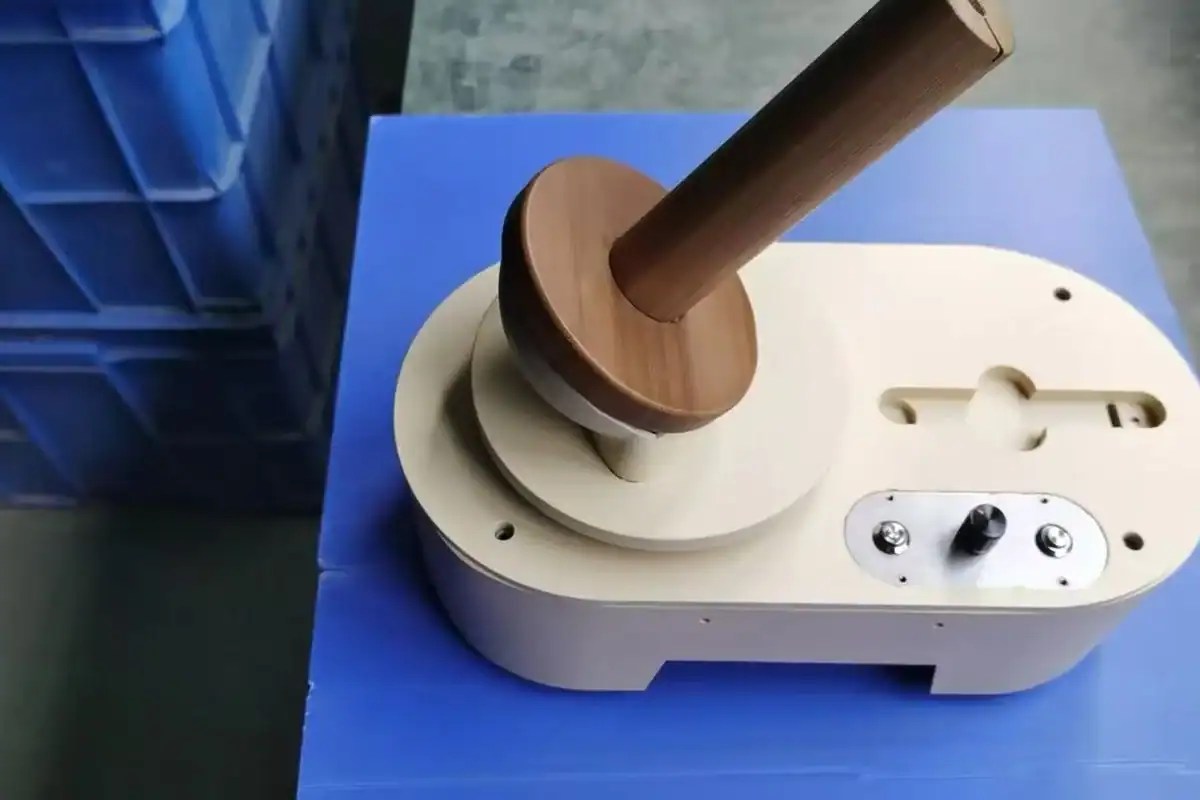
Minden Intl’s electric yarn winder development case involved development rather than catalogue sourcing, with no mature existing reference to copy. The project moved through major revisions before production. The project moved through major revisions before production.
For this kind of product, a generic final-inspection checklist would miss the main risk. The production team needs to know which version is approved, which functional and structural details matter, and how the finished units will be compared with that controlled reference.
The case does not create a universal test plan for electromechanical products. It shows why the inspection standard must be built from the actual design and development record.
How this differs from sample management
Sample management controls requests, versions, feedback and approval evidence. A pre-production inspection for a new product uses that approved information to control what the factory makes and what the inspector checks.
Both are part of the wider product development process in China, but they answer different questions. Sample management asks, “Which version did we approve?” Production validation asks, “Can the factory repeat that approved result, and how will we know?”
What to send for a validation-plan discussion
A pre-production inspection for a new product is only as good as the record behind it. Prepare the approved drawings and sample record, component list, target market, operating requirements, known failure risks, packaging files, order quantity, proposed production plan and any confirmed test or regulatory requirements
The more of this arrives together, the less the inspection depends on assumptions nobody wrote down. Where this fits in the wider product development process in China is covered in the overview guide.
Frequently asked questions
Is an approved prototype enough for mass production?
No. It must be connected to controlled drawings, components, acceptance criteria and the intended production process. Initial production units may need additional validation.
What is the difference between a pre-production sample and a final inspection?
A pre-production sample or initial production unit helps validate the intended materials and process before the full lot is complete. Final inspection checks finished goods against the approved scope before shipment.
Can the same checklist be used for every electromechanical product?
No. A common report structure can be reused, but the functions, critical components, methods and acceptance conditions must come from the actual product requirements.
What happens if bulk production differs from the approved sample?
Record the affected requirement and scope, contain the issue, evaluate the proposed response, obtain the correct approval and recheck the result before release.
Build the inspection standard before the line starts
Send us the approved drawings and sample record, the component list, your operating requirements, the failure risks you already know about, the packaging files and the order quantity. We will help turn that development record into checks the factory and the inspector can both act on, and flag the requirements that are still stated as opinions rather than as conditions.
We do not sign off your product and we do not issue certificates. We make sure the standard exists, in writing, before the first full lot is made.