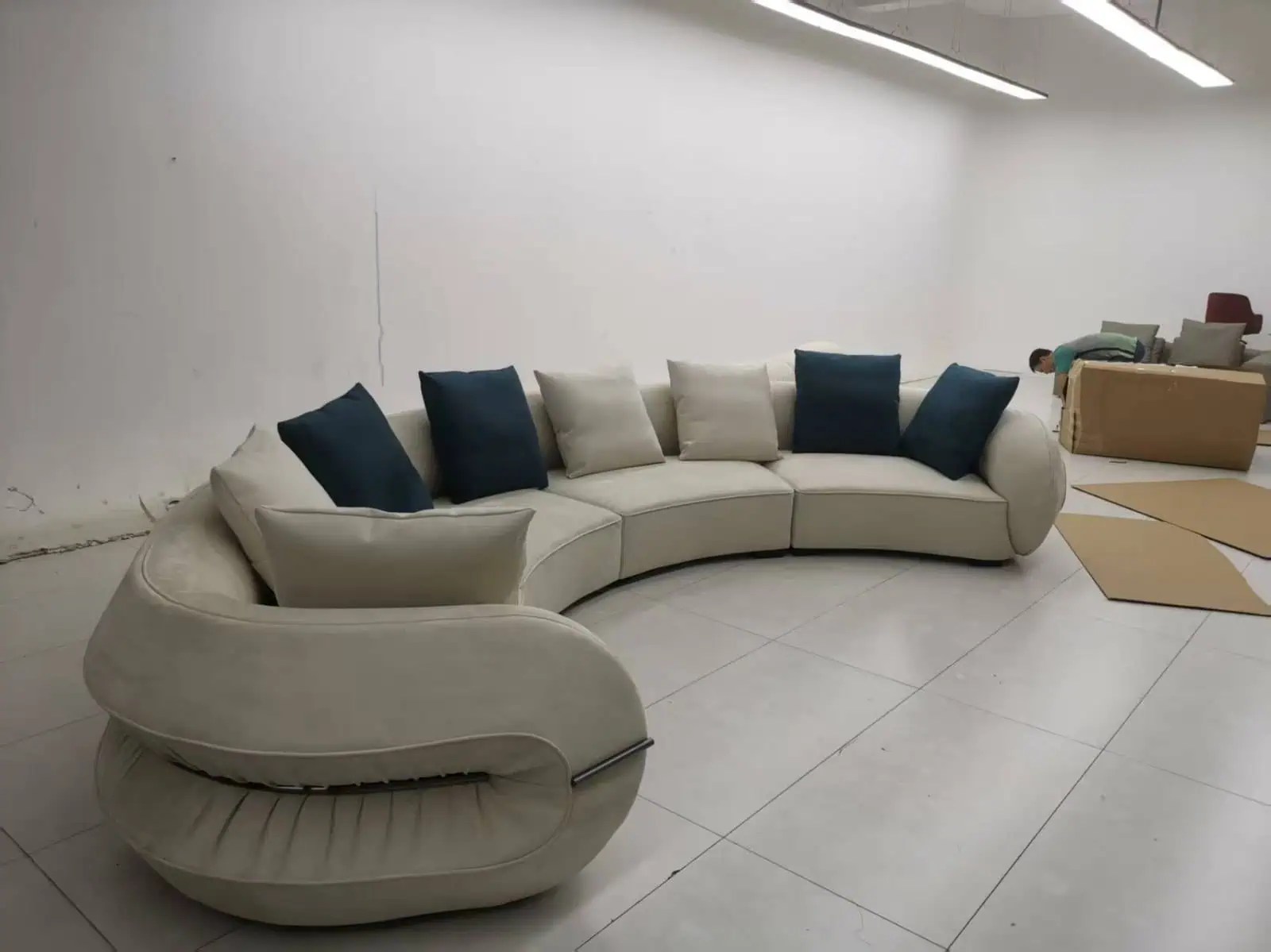
Why One Reference Image Is Not a Specification
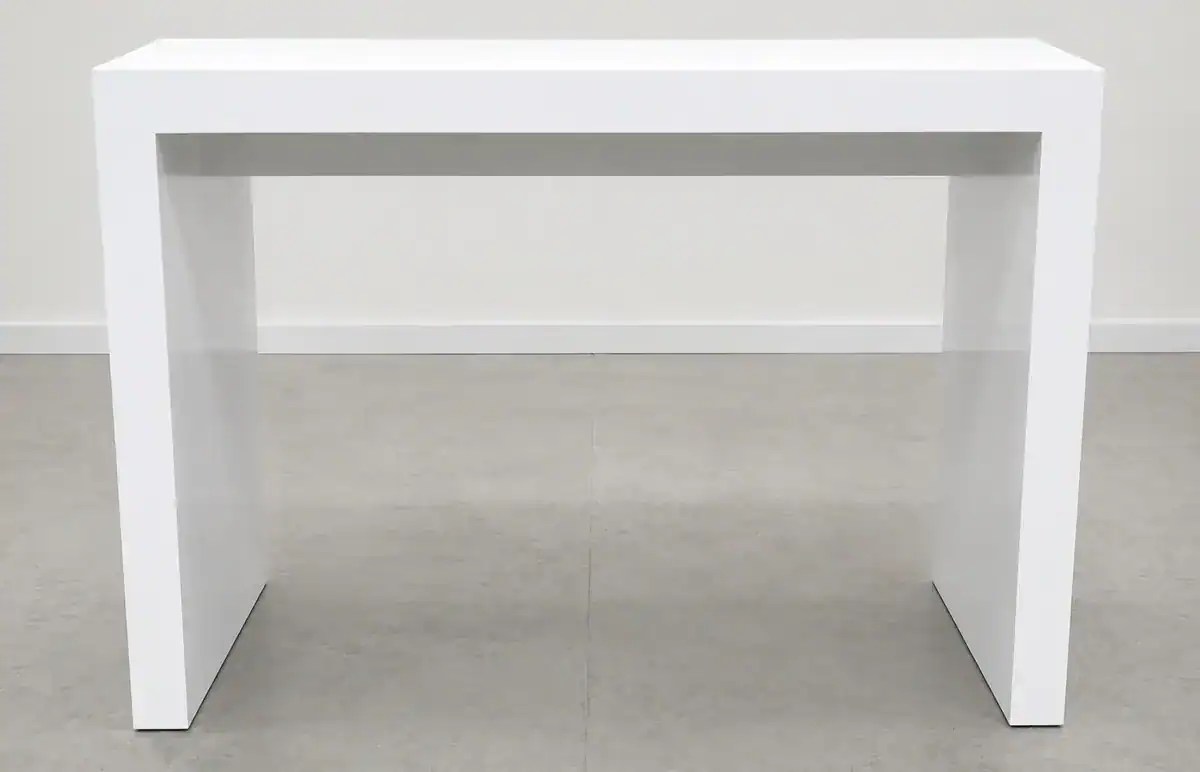
A reference image communicates direction, not every production decision. It may not show internal structure, exact dimensions, fabric composition, metal color, gloss level or the difference between natural stone and printed ceramic.
Factories fill missing information with their normal production habits. Two capable factories can interpret the same picture differently and both believe they followed it correctly.
Before requesting prices, convert the visual concept into an item specification with dimensions, materials, colors, visible construction and functional requirements.
Create a Project Design Control Sheet
The control sheet is the shared design language for the entire project. It should identify finishes once and then reference the same codes across products and suppliers.
Include:
- approved fabric and leather codes;
- wood species, stain reference and gloss level measured to a stated angle;
- metal finish samples or color references;
- stone type and actual slab approval requirement;
- edge profiles, stitching, piping and handle styles;
- standard drawing format and measurement units;
- project-wide tolerances that have been confirmed with the relevant factories.
Do not invent one universal tolerance for every product. Upholstered furniture, stone tops and metal frames have different manufacturing realities.

Assign One Approval Owner
Conflicting approvals create more damage than slow approvals. If the designer approves a finish in one chat while the buyer changes it in another, the factory may produce against the wrong version.
Use one approval record with the latest drawing, finish, date and decision owner. Mark older files as superseded. A factory should never need to decide which screenshot is current.Our custom furniture approval checklist lists what has to be recorded at each approval gate.

Use Physical Samples for Materials That Screens Cannot Represent
Phone photos distort color. Lighting changes fabric and wood appearance. A small stone sample does not show the veining of the final slab.
Physical approval is especially useful for:
- upholstery used across several rooms;
- visible wood and veneer finishes;
- powder coating and plated metal;
- natural stone;
- hardware that must match adjacent pieces.
Where the exact production material varies naturally, approve the actual batch or slab rather than assuming the sample controls every visual detail.

Coordinate Drawings Across Factories
Each factory may have its own drawing style. The project manager needs to check the same key questions across all drawings:
- Are overall dimensions consistent with the room plan?
- Are visible material and finish codes attached?
- Do interfaces align, such as a stone top fitting a metal base?
- Can the item pass through the destination access route?
- Are loose parts and installation steps identified?
A signed drawing controls shape and dimensions. It does not replace a material approval, packing instruction or functional test.
Build Cross-Factory Checkpoints
Do not wait until all furniture is finished to compare it. By then, a repeated finish error may exist across dozens of pieces.
Useful checkpoints include the first finished frame, first upholstered unit, first completed metal finish and first stone-cutting layout. Compare shared finishes side by side when possible.
This matters when one factory makes dining chairs and another makes bar stools that will sit in the same open space. Each item can pass its individual inspection and still fail as a collection. Our furniture quality control checklist for importers covers the item-level checks that sit underneath these cross-factory comparisons.
Align Production Dates Without Forcing Every Factory to Finish the Same Day
Different products have different lead times. The goal is a coordinated warehouse window, not an artificial promise that every factory will finish on one date.
Plan backwards from loading. Give slower or more complex items an earlier start. Some projects have no flexibility at all on the end date. Furniture built for a fixed show-opening date has to be finished, inspected and shipped against a deadline that will not move for a late supplier.Leave time to correct defects before the final supplier delivers. Track approvals separately from production; a factory cannot start a custom item safely while the buyer is still changing fabric or dimensions.
Standardize Packing and Labels
Design consistency is lost quickly when the destination team cannot tell which loose hardware belongs to which room. Each carton or crate should identify the project, room, item code, package number and handling requirements. Marking those requirements with the ISO 780 handling symbols keeps them readable for a receiving team that does not read English.
Factories can use different internal packing methods, but the external identification system should be consistent. Confirm corner protection, surface protection, moisture control and, for timber crates and dunnage, ISPM 15 treatment and marking according to the item and destination.

Use One Consolidation Record
A central warehouse record should show what each factory delivered, what is missing, whether packages are damaged and how the load compares with the packing list.
Final carton dimensions matter. Product dimensions alone cannot predict container use. Oversized crates, non-stackable items and fragile accessories change the loading plan.
Read our guide to mixed furniture container consolidation for the receiving and loading side of the project.
A Real Multi-Factory Furniture Sourcing Example
Minden Intl coordinated a residential project containing 105 pieces across eight product categories and 19 factories. The confirmation stage lasted about 11 weeks because drawings, fabrics, finishes, dimensions and natural stone required deliberate decisions.
The team reviewed actual stone slabs and checked furniture before it disappeared into wooden crates. Production through sailing took about eight weeks, followed by DDP delivery in a 40HQ container.
This does not mean every project needs 19 factories or follows the same timing. It shows why a multi-factory project needs one design-control and approval system.
See the complete Luxury Home Furniture case study.
Multi-Factory Furniture Control Checklist
- One room and item schedule
- One finish and material control sheet
- One current drawing per custom item
- One named approval owner
- Physical samples where screens are unreliable
- Cross-factory comparison checkpoints
- Coordinated production and correction windows
- Consistent carton and crate identification
- One warehouse receiving and loading record
Frequently Asked Questions
Is it better to use one furniture factory?
Only when that factory is genuinely capable across the required categories. Specialist factories can produce better results, but they require centralized specifications, approvals and consolidation — which is the work a China furniture sourcing agent takes on in a multi-supplier order.
How do I match colors between factories?
Use approved physical references or batch samples where practical, record finish codes, and compare first completed units before full production continues. Photos alone are unreliable for close color matching.
Who should approve drawings?
The buyer should appoint one decision owner or controlled approval route. The sourcing team can identify inconsistencies, but commercial and design acceptance should be documented by the authorized buyer.
Can different factories ship directly to the buyer?
They can, but a full-house order usually benefits from consolidation, receiving checks and one coordinated loading plan, especially when items must arrive together. Our guide to container shipping from China covers the freight side of that decision.
Coordinating Furniture Across Several Factories?
Send Minden Intl your room schedule, drawings, reference images and finish requirements. We will identify where factories need shared controls, where physical approvals matter and how the production and consolidation schedule should connect.
Explore our Furniture Sourcing Service Discuss Your Furniture Project