Hospitality furniture is judged in use, not in a catalogue. Bar stools are moved constantly, table bases sit on imperfect floors, finishes meet cleaning chemicals and every item has to fit the design language of the venue.
Buyers who source bar furniture from China need a project brief that joins design, commercial use, maintenance, packing and installation. Price comparison comes after those requirements are clear.
source bar furniture from China: the working principle
The safest approach is to make requirements visible, compare like with like and keep every approval traceable. That principle applies whether the buyer is choosing a standard item, developing a custom product or coordinating several factories.
Define the venue and duty level
State where each item will be used: indoor dining, covered terrace, exposed outdoor area, bar counter or guest room. The same appearance can require different materials and finishes in each location.
Describe expected use, cleaning method and any local fire, safety or accessibility requirements already known. Suppliers should not be asked to guess the rules for the destination market. For EU market-access information, consult Access2Markets.
Separate must-have performance points from aesthetic preferences so alternatives can be evaluated without quietly reducing quality.
Create an item schedule before requesting prices
Give each stool, chair, table, bench or cabinet an item code. Record dimensions, materials, finish reference, upholstery, quantity, assembly and packing requirements.
Use drawings for custom dimensions and interfaces. Counter height, seat height, footrest position and table clearance should be checked together rather than item by item.
When buyers source bar furniture from China across several factories, the schedule becomes the common control document for quotations, samples and inspection.
Match suppliers to construction type
Metal frames, solid wood, bent plywood, stone tops, upholstery and outdoor finishes involve different capabilities. A showroom that displays all of them may still rely on several factories.

Ask where the main processes are performed and inspect the relevant production controls. A factory should be able to explain material preparation, welding or joinery, finish application and final checks.
For wider supplier coordination, see Minden Intl’s China furniture sourcing service.
Approve samples for function as well as appearance
Check comfort, stability, dimensions, finish, upholstery details, hardware and assembly. For stools and tables, review wobble, footrest position and floor contact under realistic use.

Treat the approved sample as a reference, but also record measurable criteria. A sample cannot travel with every inspector or production operator.
If a finish is changed after sample approval, confirm whether the change affects cleaning, colour consistency, outdoor suitability or lead time.
Build a practical quality control plan
Inspect incoming materials and early production when a defect would be expensive to correct later. Final inspection should cover quantity, workmanship, dimensions, function, finish, labels and packing.
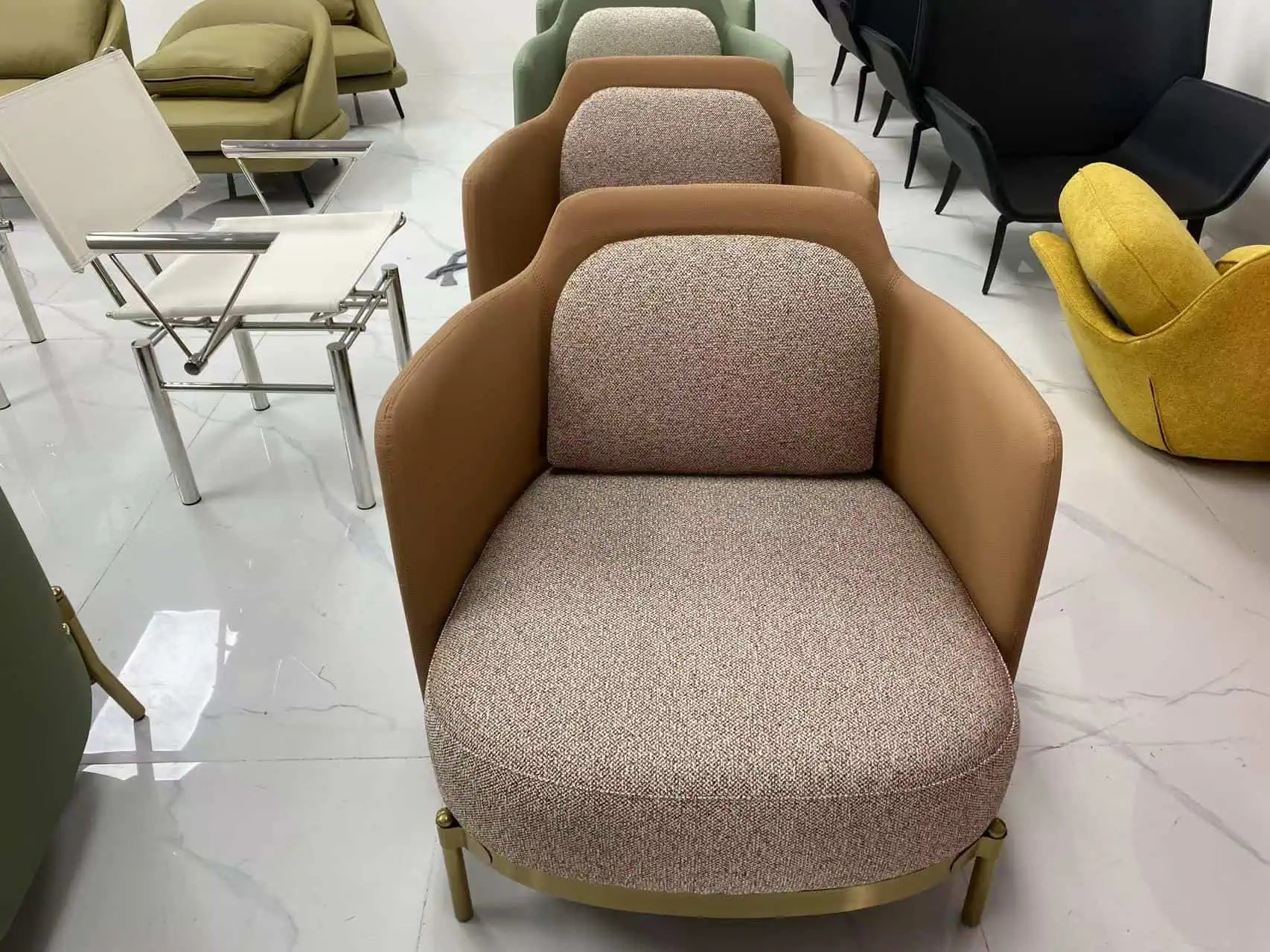
Use a checklist tailored to the item. Upholstery seams, welds, joints, glides, adjustable feet, stone edges and knock-down fittings each require different checks.
The buyer should define acceptable appearance and functional risks before inspection. Generic instructions such as good quality are not inspectable.
Coordinate packing and mixed shipments
Hospitality projects often combine furniture from several suppliers. Consolidation needs item-level labels, a shared packing list and a loading plan that protects fragile finishes.
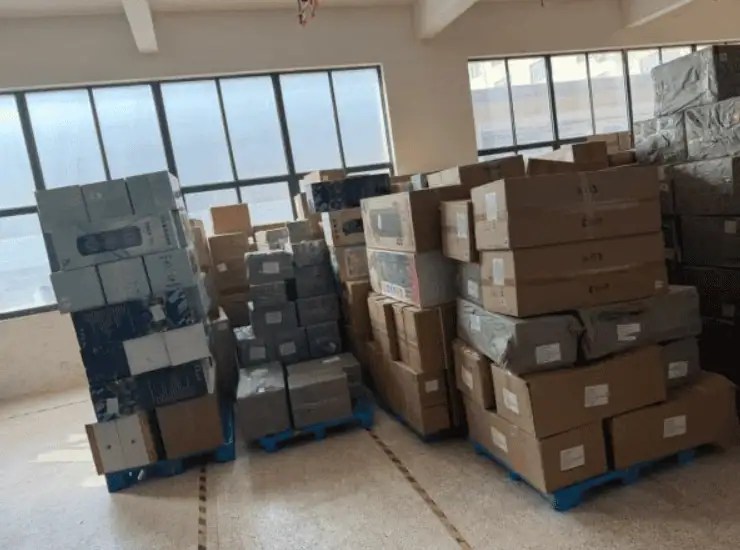
Review carton strength, corner protection, hardware packs and moisture-sensitive materials. Confirm whether items will be moved by hand, pallet or forklift after arrival.
Minden Intl’s China consolidation service explains how goods from multiple suppliers can be checked and combined.
Keep commercial decisions traceable
Record approved quotations, sample changes, finish references, packing instructions and delivery responsibilities. Hospitality schedules often compress near opening, which makes undocumented changes especially risky.
Do not accept a lower price without identifying what changed. Material grade, thickness, finish steps, hardware and packing are common places where two quotations stop being comparable.
A useful sourcing partner reports trade-offs directly and keeps the buyer in control of decisions.
Frequently asked questions
What information should a bar furniture RFQ include?
Include item codes, dimensions, materials, finishes, upholstery, quantities, use environment, assembly, packing and known destination requirements.
Should I use one factory or several?
Use the smallest supplier group that can meet the required processes reliably. One lead factory can simplify control, but capability matters more than convenience.
How do I compare furniture quotations?
Normalize the specification first. Check material, construction, finish, hardware, packing, tooling or sample charges and the exact commercial terms.
Can the factory choose the final finish?
It can propose options, but the buyer should approve a physical or clearly controlled reference and record any performance requirements.
Source hospitality furniture as one controlled project
Minden Intl can coordinate specialist factories, samples, quality checks, packing and consolidation for bar and hospitality furniture sourced in China.