Glassware wholesale from China works well when the order is specified before anyone quotes it. Two wine glasses can look alike online and still differ in glass type, weight, rim finish and packing. Those differences decide your landed cost and how many pieces arrive unbroken.
This guide is for retailers, hospitality groups, distributors and brands importing glassware by the carton or container. If you only need a few cases of stock glasses, a local foodservice distributor may be simpler. China sourcing makes more sense when you need your own specification, custom packaging, a mixed assortment or container volume.
Minden Intl is a China sourcing agent, not a glass factory. The sections below show how to compare suppliers, control samples and protect a fragile order on its way to you.
Start with the Glass You Need
Ask suppliers to quote the same specification, or their prices will not be comparable. These are the questions that matter for common bulk orders:
| Product | Specify | Check on the sample |
|---|---|---|
| Wholesale wine glasses | Capacity, height, bowl shape, stem style, glass type | Rim finish, stem joint, stability, wall thickness |
| Water goblets in bulk | Capacity, foot diameter, color, unit weight | Color consistency, foot flatness, base marks |
| Pint glasses in bulk | Capacity, wall thickness, stacking, logo method | Fill line, rim strength, print position, nesting |
| Vases and display glass | Dimensions, opening, base weight, intended use | Seams, bubbles, stability, water tightness |
Tell the supplier how the glass will be used. A hotel glass goes through commercial dishwashers and frequent handling. A gift set is judged on presentation. A flower-shop vase may never touch a drink. Each brief leads to a different product and a different price.
Stock Designs or Custom Glassware?
Stock molds are usually the faster route. You choose an existing shape, then add a logo or packaging if needed. This suits buyers who want a tested form and a shorter path to market.
A custom shape may need its own mold, so ask for mold cost, ownership and sampling time in writing. Compare that cost against your expected volume. Our guide to tooling cost in product development explains how to judge it.
Decoration is the middle ground. Screen printing, decals, etching, engraving and color coating all change the price and the testing plan. Quantities also matter: our note on MOQ per design for custom printing explains why several designs can raise the minimum.
How to Compare Glassware Wholesale Suppliers
- Find out who actually makes the glass. Some suppliers make the glass; others only decorate, pack or trade. Any of these can work, but you need to know who controls each step. Use our supplier verification guide for the identity checks.
- Question unusual price gaps. A low quote may reflect lighter glass, a different process or weaker packing. Ask each supplier to confirm unit weight and carton specification.
- Review comparable items. A factory that makes good tumblers does not automatically make good stemware. Ask for samples close to your product.
- Ask for the packing plan with the quote. Inner box, dividers, carton strength and carton quantity should be priced from the start.
- Check capacity for your timing. Ask what happens if your order overlaps with peak season, and who approves the first finished goods.
Control the Sample Before Bulk Production
The sample stage is where glass orders often go wrong. Measure capacity, height and weight rather than judging from photos. Check clarity, bubbles, rim finish, stability and any logo. If you use the glass commercially, run it through your real washing routine.
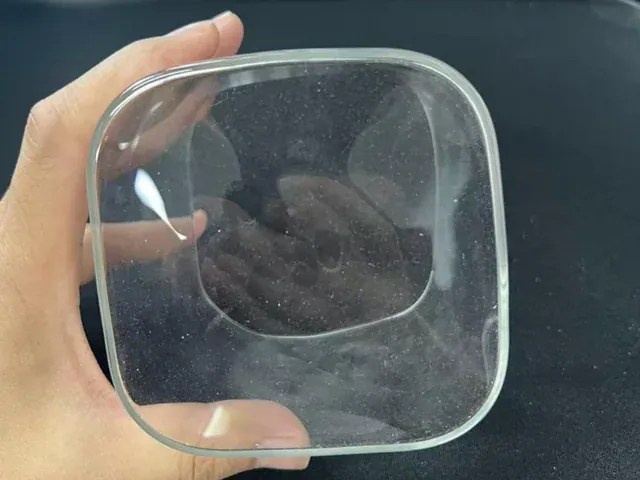
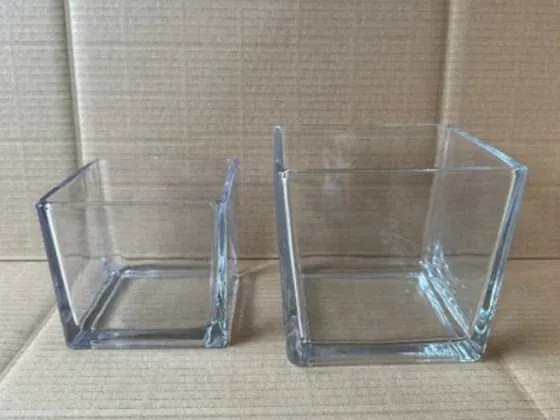
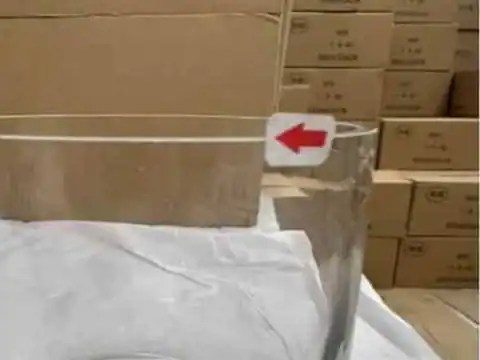
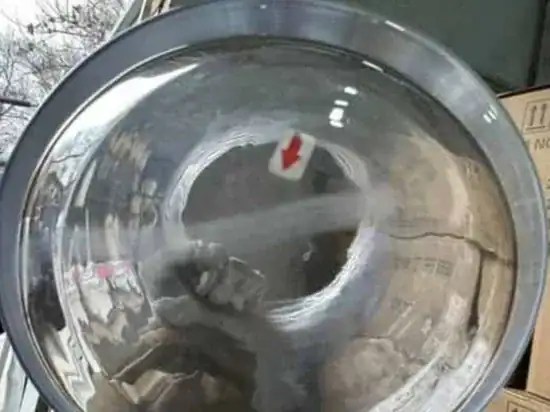
In our glassware sourcing case study, a US flower and coffee shop chain ordered two styles of clear display glassware. The first supplier’s samples were wrong, and the project needed a full supplier switch before bulk production. Finding that at sample stage is far cheaper than finding it in a container.
Keep the approved sample as your reference. Our guide to sample management shows how to record versions and carry them into inspection.
Check Food-Contact Requirements
Drinkware touches food and drink, and decorated areas need particular care. Confirm the rules for your market with an accredited lab before printing starts. Color, decals and metallic rims can all change what needs testing.
- United States: Ask your lab to define the food-contact test plan for the exact product and decoration. California Proposition 65 may also apply where a product exposes consumers to listed chemicals such as lead.
- European Union: Regulation (EC) No 1935/2004 sets general safety and traceability rules for materials that contact food, and glass is one of the listed material groups.
- Canada: The Glazed Ceramics and Glassware Regulations limit lead and cadmium release from covered products, with a separate test for decoration near the rim of drinking vessels.
A report for another glass does not automatically cover yours. If decoration or color changes, ask the lab whether the product needs its own test.
Pack for Breakage, Not Just for Shelf Appeal
Glass rarely fails on the factory floor. It fails in transfer, stacking and handling. Stemware needs extra attention because the stem and rim are the weak points, and pint glasses need protection if they are nested.
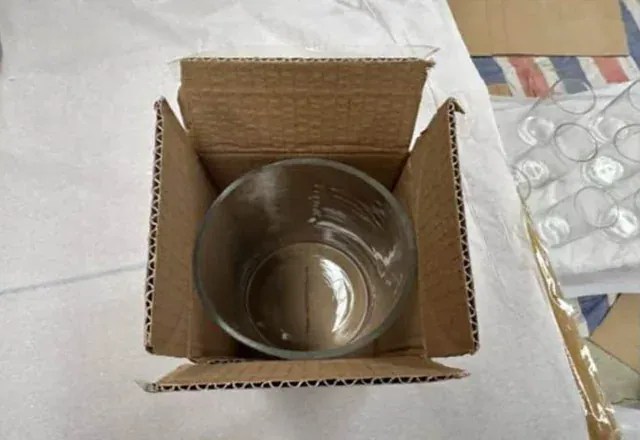
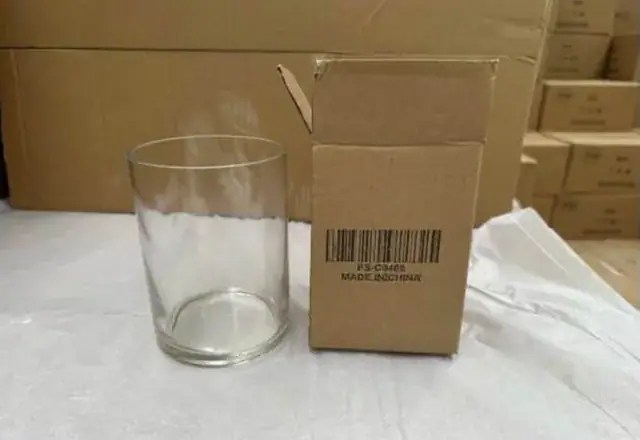
- Set the pieces per inner box and per master carton before quoting.
- Specify dividers or molded inserts so that glasses do not touch.
- Confirm carton strength and maximum stacking height.
- Run a packing test on finished goods before bulk packing.
- Mark SKU, quantity and fragile handling on each carton.
- Agree how broken goods will be recorded and what the supplier will cover.
If you sell through retail, plan barcodes and shipping marks early. Our product packaging service covers branded packaging, and our guide to shipments that arrive damaged from China explains what to do if a problem still occurs.
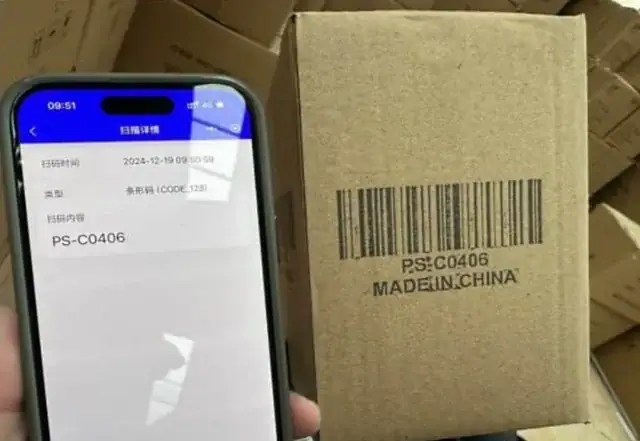
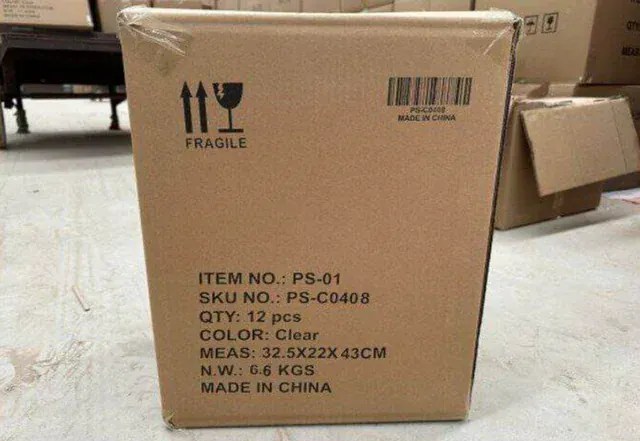
Inspect Before the Cartons Are Sealed
A pre-shipment inspection should check capacity, dimensions, visible defects, decoration, packing and carton marks against the approved sample. Open cartons from different parts of the production, not only the top layer. For more detail, see product inspection before shipment.
What Drives Your Landed Cost
Glass is heavy, and well-packed glass is bulky. The factory price is only part of the cost. Compare unit weight, carton volume, freight, duty, inspection and expected breakage together. Our landed cost guide shows how to build the full number.
Volume decides the shipping method. Read our comparison of LCL vs FCL shipping before you decide. Fewer handling points can matter more for glass than for other goods. If glassware is one part of a wider range, see how to source mixed products for a retail store.
How Minden Intl Supports Glassware Buyers
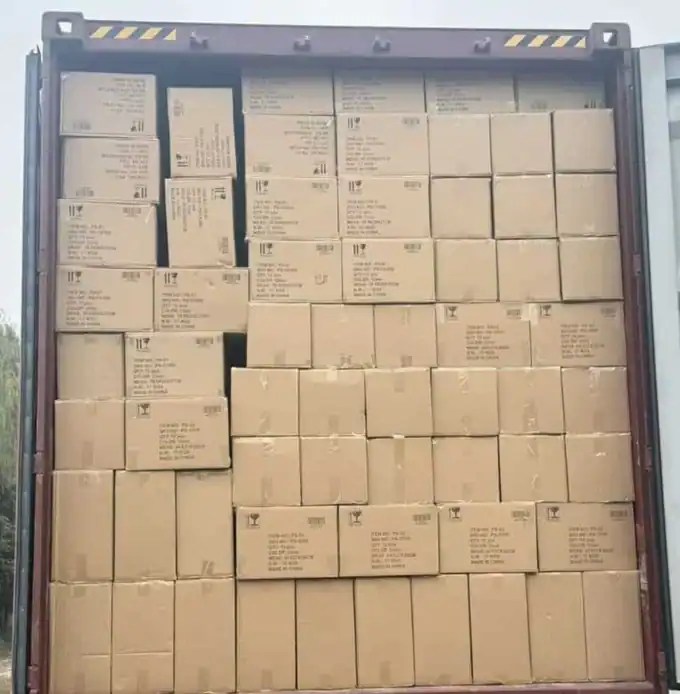
We work on the buyer’s side. Minden Intl helps define the specification, compare suppliers, coordinate samples, arrange custom packaging and inspection, and ship the order from China. On the glassware project above, that included barcodes, product information and shipping marks on cartons and inner packaging, a full pre-shipment inspection, and FCL shipping on DDP terms to a US warehouse.
Glassware Wholesale: FAQ
What is the minimum order for wholesale glassware from China?
It depends on the supplier, shape and customization. Stock items can often start lower than custom shapes or colors. Ask each supplier to quote the same item at two or three quantities.
Can I add my logo to wholesale wine glasses?
Usually, yes. Screen printing, decals, etching and engraving are the common routes. Ask for a decorated sample, and check whether the method changes your food-contact testing.
Should I ship glassware by LCL or FCL?
Choose by volume and risk. Small orders may suit LCL. Full containers involve fewer shared handling points, and they can make sense once the volume justifies them.
How much breakage should I expect?
There is no safe universal percentage. It depends on the product, packing, route and handling. Agree the acceptable level and the claim process with your supplier before production.
Is a stock glass cheaper than a custom one?
Usually, because no new mold is needed. A custom shape can still make sense for a brand with enough volume. Compare the mold cost against the units you expect to sell.
Planning a bulk glassware order?
Send us the product, quantity, packaging needs and destination. We will review the specification and the best way to approach suppliers.