Export packing cannot rescue every furniture design. If a long leg carries load through a rigid frame, a fragile finish touches the crate or a large item must be forced through a narrow delivery route, adding more foam may hide the real problem without solving it.
For furniture shipped internationally, the product, joints, protective materials, packed volume and destination assembly should be reviewed together. This is the practical purpose of furniture packaging design for shipping: not to choose a carton after production, but to create a system that can move, arrive and be assembled as intended.
Map the journey before approving the structure
A piece of furniture can pass a showroom check and still fail during export. List the handling stages the product may experience:
- movement from the production line to the packing area;
- carton or crate assembly and warehouse stacking;
- factory collection and consolidation;
- container loading and movement during transport;
- unloading, customs inspection or destination warehousing;
- final delivery through doors, lifts, corridors or stairs;
- unpacking and assembly by the destination team.
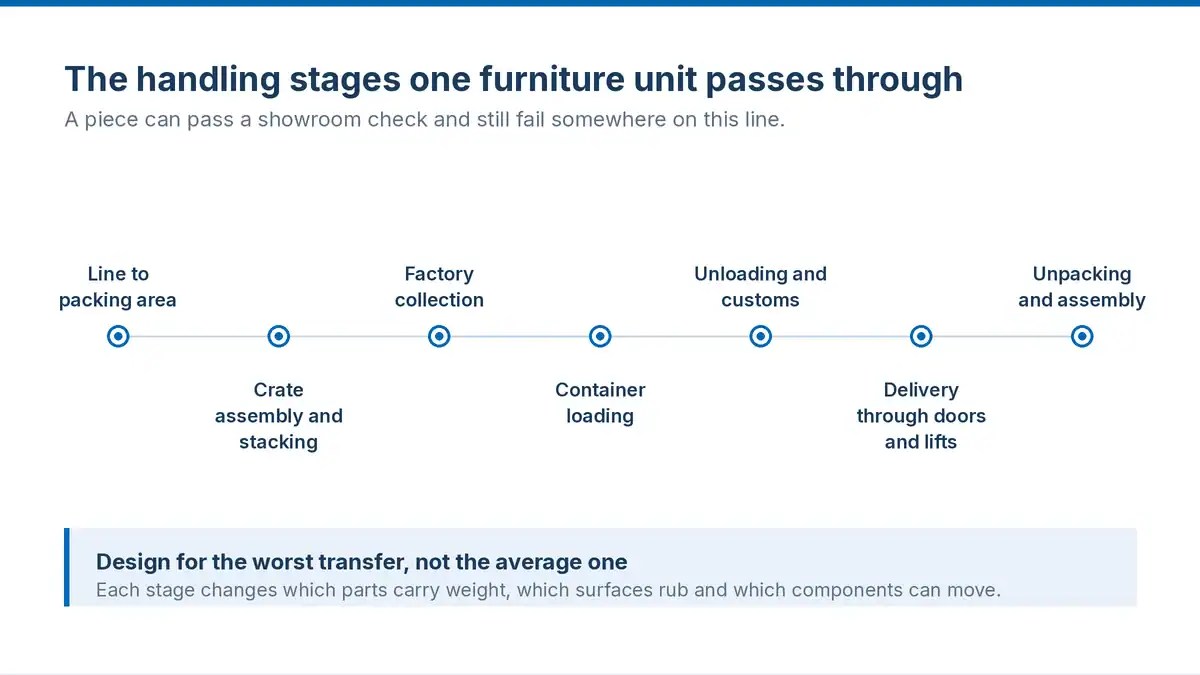
Each transfer changes the load and contact points. The design review should identify which parts carry weight, which surfaces can rub and which components can move or disappear.
Decide what should remain assembled
Fully assembled furniture reduces destination work but can create a large packed volume and long, exposed structural members. Knock-down or modular furniture can improve handling and container use, but only if the joints are repeatable and the buyer can assemble the product correctly.
Keep a component assembled when disassembly would damage a finish, weaken the connection, require specialist alignment or create unacceptable installation risk. Consider a knock-down section when it protects protruding parts, reduces unsupported length, fits the route or produces a more stable package.
The correct answer can differ within one item. A factory may ship a finished upholstered module intact while separating legs, rails, tops or hardware.
Design joints for production and destination assembly
A connection that works once in a sample room may not be suitable for repeated production and field assembly. Review:
- how the parts locate before the fastener is tightened;
- whether holes, inserts and mating surfaces can be produced consistently;
- which tools are required at the destination;
- whether a part can be installed in the wrong orientation;
- how tightening force is controlled;
- whether assembly can scratch or compress the finish;
- how the joint behaves under normal product load;
- whether disassembly and reassembly are expected.
Use drawings to identify the hardware, orientation and sequence. The approved sample should show the same connection that mass production will use, recorded against a drawing approval checklist rather than an email thread.

Calculate packed volume from the real components
Do not estimate freight from the finished dimensions alone. Create a packing layout using the actual component sizes, protection thickness, hardware placement and allowable stacking direction.
A smaller package is only useful if it remains safe to handle and assemble. Excessive compression can damage upholstery; loose space allows parts to move; a very heavy carton can create another handling risk.
Record the proposed package count, outer dimensions, gross weight and component list. These values support freight comparison, container planning and warehouse receiving, but they should be confirmed after the packing sample rather than treated as final at quotation stage.
Protect the failure points, not every surface in the same way
Different furniture parts fail differently. A packing design should respond to the actual risk:
- corners and projecting legs need load and impact protection;
- painted, polished or plated surfaces need separation from rubbing materials;
- glass, stone and brittle panels need controlled support and orientation;
- upholstery needs protection from compression, moisture, dirt and sharp hardware;
- loose fittings need labelled bags and a fixed position inside the package;
- long members need support that prevents bending during handling.
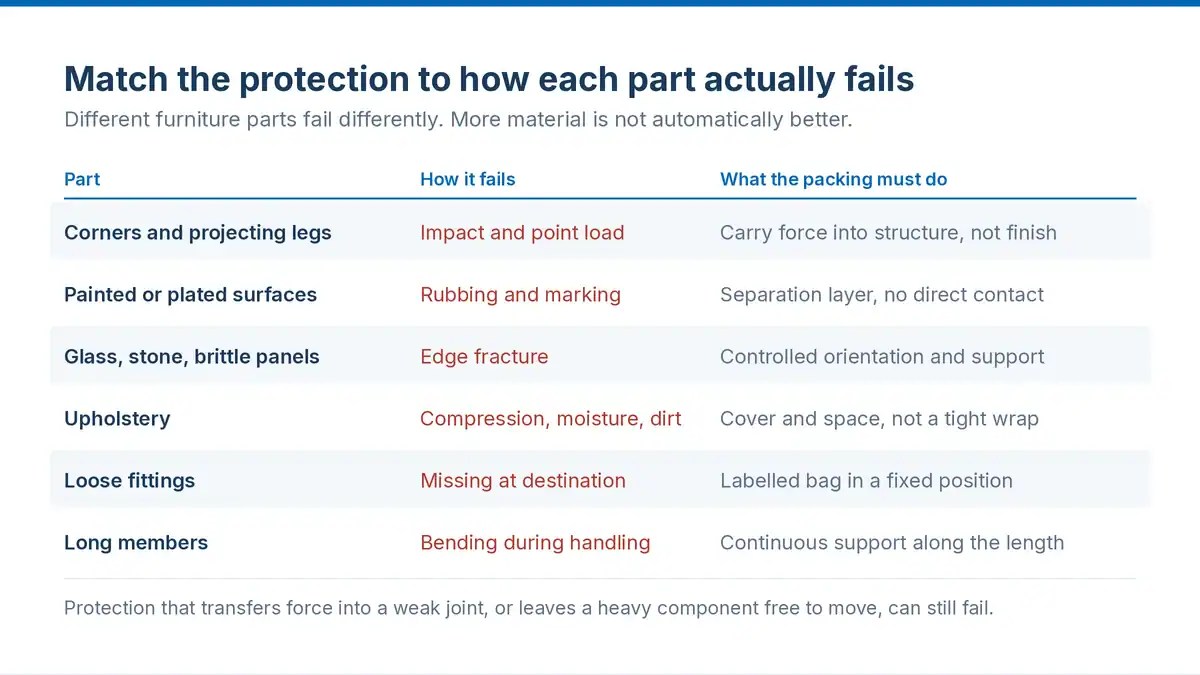
More material is not automatically better. Protection that transfers force into a weak joint or leaves a heavy component free to move can still fail.
Connect labels and instructions to the product version
A modular design depends on the destination team receiving the correct parts and understanding the assembly sequence. Give every item and package a product code. Identify the hardware, tools, orientation and box relationship.
Assembly instructions should match the approved production version. If the joint, fastener or number of modules changes, the instructions, parts list and inspection record must change with it.
This page does not replace a private-label carton and compliance review. Its purpose is to make sure the physical furniture and packing plan remain synchronized.
Test a complete packing sample
Photographs of an empty carton or loose protective materials are not enough. Review one complete packed unit using production-representative components.
The check should cover:
- component and hardware count;
- surface contact and separation;
- support at structural and fragile points;
- movement inside the closed package;
- outer dimensions, weight and handling orientation;
- unpacking without damaging the item;
- assembly using the supplied tools and instructions;
- final stability, alignment and appearance.
When a specific transport test is required, agree the standard and acceptance criteria before production. Distribution test plans such as ASTM D4169 define hazard sequences and assurance levels for shipping units, which is why the level and the pass criteria belong in the order rather than in a claim discussion afterwards.
Carry the approved design into inspection and loading
Inspection should confirm that production uses the approved structure, hardware and packing method. A spot check of the visible finish cannot show whether the correct fasteners are in the box or whether every module is present.
At loading, verify package identification, count, orientation and obvious crate or carton damage. If several suppliers share a container, the loading sequence must also protect fragile items from heavy or unstable cargo.
Wooden crates and pallets also carry a phytosanitary requirement. Confirm that solid-wood packing is heat treated and marked, and check whether the destination applies the standard on the IPPC country list for ISPM 15 before the crate is built.
Use Minden Intl’s furniture quality control checklist for the broader finished-goods inspection, and the mixed furniture container guide for multi-supplier loading coordination.
A real redesign: three sections instead of one rigid frame
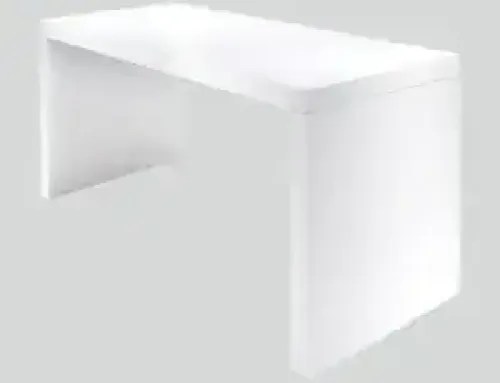
Minden Intl coordinated a custom exhibition-bar order for a US rental company. The first sample was accepted, but one unit cracked at the leg while the initial order was being loaded in its crate.
The response was not limited to adding more packing. The rigid frame was redesigned into three modular sections connected with cam-lock and dowel hardware. In that specific project, packed volume was reduced from 1.5 CBM to 0.5 CBM per unit without an increase in unit price. The revised structure was then used for a 50-unit repeat order. The full sequence from defect evidence to verified closure is set out in our guide to the corrective action that followed.
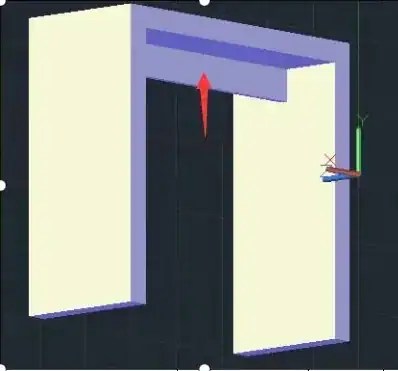
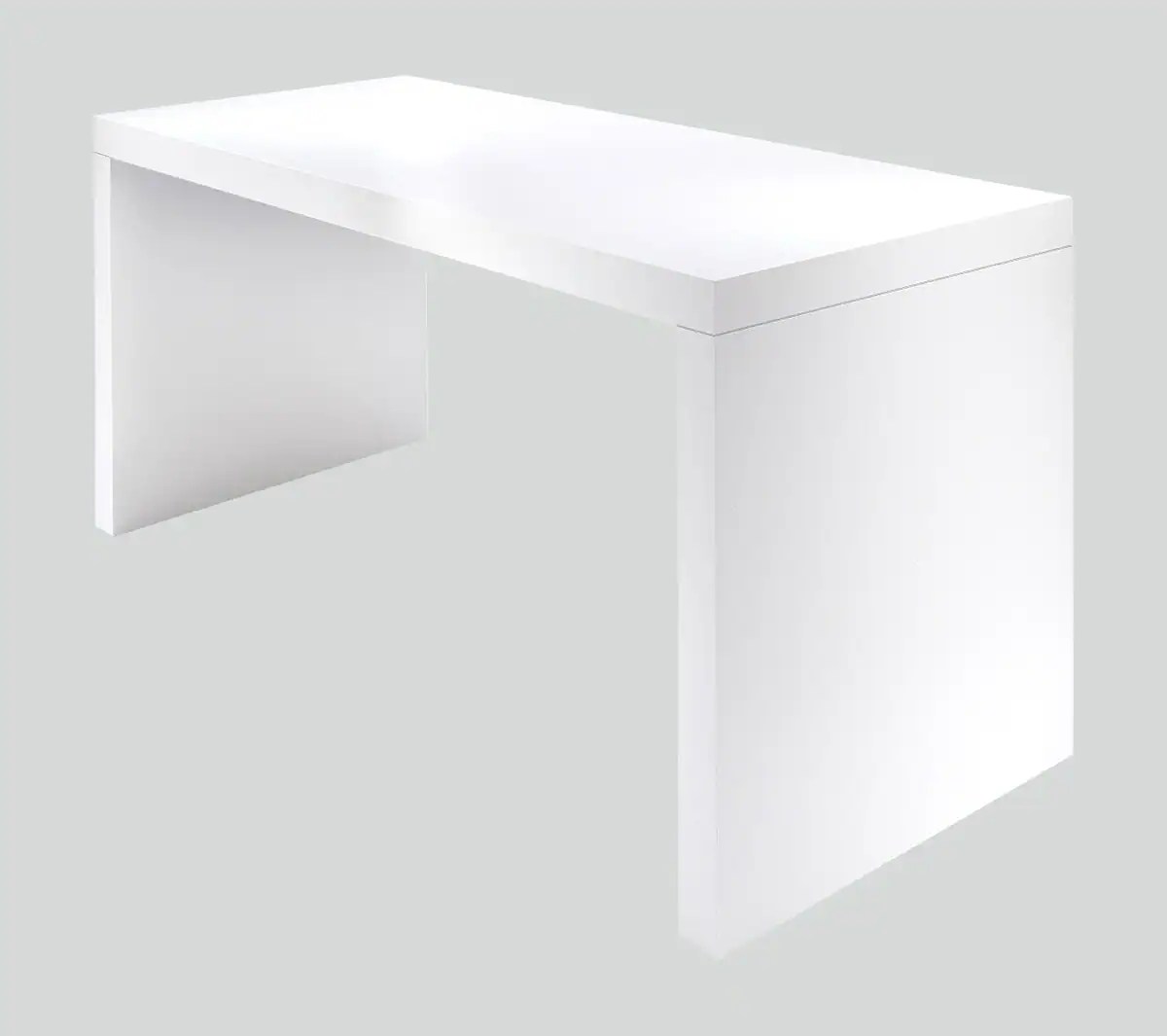
Those figures belong to this documented project and should not be applied to other furniture. They show why structure, packing and reorder practicality should be reviewed as one system. Read the full exhibition furniture redesign case.
A design-for-shipping review sheet
| Area | Decision | Evidence |
|---|---|---|
| Shipping form | Assembled, knock-down or modular | Approved drawing and packing layout |
| Connections | Hardware, locating method and tightening | Assembly trial and versioned parts list |
| Protection | Support, separation and surface materials | Complete packing sample |
| Package | Count, dimensions, weight and orientation | Measured packed unit |
| Destination | Access, tools, instructions and installers | Route and assembly review |
| Verification | Production, inspection and loading checks | Order-specific records |
How Minden Intl supports furniture design and export packing
Minden Intl helps overseas buyers coordinate factories, samples, revisions, inspection, warehousing, container loading and shipping across China. For furniture, the work begins with the product and destination, not with a generic carton recommendation.
Our China furniture sourcing service connects product selection and factory coordination with the packing and logistics decisions that follow. For trade-show and rental furniture specifically, start with exhibition furniture sourcing.
Frequently asked questions
Is knock-down furniture always safer to ship?
No. It can reduce exposed length and packed volume, but weak joints, missing hardware or difficult assembly can create other failures. Test the complete system.
Should the factory design the packing after production?
No. Packing constraints can affect structure, component size, finish protection, package count and freight. Review them before the product is frozen.
What should be measured on a packing sample?
Confirm the outer dimensions, gross weight, package count, component list, movement, protection, handling orientation, unpacking and destination assembly.
Does a smaller carton always reduce total cost?
No. A compact package can improve volume, but it must not increase damage, assembly time, missing parts or destination correction.
Review the structure before you freeze the design
Send the drawing or reference image, quantity, destination, use condition and any known access or assembly constraints. Minden Intl will review the shipping form, joints, packed volume and destination assembly together, then confirm the result on a complete packing sample before production.