A factory capability assessment for a new product should answer a different question from ordinary supplier sourcing: can this factory turn an unfinished concept into a stable, manufacturable product? A supplier may be reliable at producing an existing catalogue item and still lack the engineering, tooling or testing capability needed for a design that has never been made before.
For overseas brands developing in China, price, MOQ and a polished company profile are not enough. The assessment must connect the product’s unknowns to the factory’s people, equipment, development process and evidence from similar technical work.
Define the development problem before searching
A useful factory search begins with a short development brief. It does not need to solve every engineering question, but it should show what the product must do, what is already fixed and what still requires factory input.
- Product use and target customer
- Core functions and performance priorities
- Concept drawings, CAD, reference parts or rough dimensions
- Materials or processes already chosen
- Target market and known compliance questions
- Expected order scale and commercial constraints
- Open technical risks that need a manufacturing answer
Compliance belongs in the brief rather than at the end of the project. Children’s products sold into the United States require third-party testing and a certificate under CPSC testing and certification rules, and many categories entering the EU need CE marking before they can be placed on the market. Both affect what the factory has to be able to build, test and document.
Without this information, factories are likely to quote different assumptions. A low price may only mean that the supplier has excluded tooling, testing, packaging or a feature that the buyer considers essential.
Separate catalogue capability from development capability
Catalogue factories are often efficient when the product already fits their equipment, tooling and supply chain. New-product development requires additional capability: interpreting incomplete inputs, identifying manufacturability risks, building and revising prototypes, controlling design changes and transferring an approved version into repeatable production.
Ask a candidate to explain what it would need to change or develop, not simply whether it “can make” the product. A credible answer usually identifies uncertain components, tooling choices, testing needs and information still missing from the buyer.
Assess engineering ownership
Confirm who will make technical decisions. The person responding to sales enquiries may not be the engineer responsible for structure, electronics, tooling or process design. Request a working meeting with the relevant technical contact and ask how drawings, revision comments and unresolved questions are recorded.
Useful evidence includes redlined drawings, development checklists, version-controlled files and examples of how the team handled a past design change. Do not ask for another client’s confidential design. The objective is to see whether the factory has a repeatable decision process. ISO 9001:2015 states the same idea as a requirement — design and development planning, inputs, controls, outputs and change control — though a certificate on the wall does not prove the factory applies any of it to your product.

Check whether tooling matches the product
If the design needs new moulds, jigs, fixtures or test equipment, the factory should explain which items it makes in-house, which work it outsources and who owns each approval. Buyers should understand the proposed mould structure, expected output, maintenance responsibility, change process and the evidence required before tooling is accepted.
Tooling capability cannot be inferred from a generic factory tour. Verify whether the supplier has developed comparable mechanisms, materials or component interfaces. A factory that can run an injection moulding machine may still depend on a separate toolmaker for design and modification.
Evaluate the component and subcontractor plan
A new product often combines parts from several specialists. Ask which components are standard, which are custom and which have alternative sources. Confirm how the factory qualifies subcontractors and controls incoming parts.
The factory should also identify single-source risks. A concept may be technically possible but commercially fragile if one component has an unsuitable MOQ, uncertain availability or no approved substitute. This information belongs in the development decision before the buyer commits to the final design.
Review prototype and testing discipline
The first prototype is evidence, not a promise of production readiness. The factory should define what each build is intended to prove: basic function, fit, user interaction, material behaviour, assembly, packaging or another risk.
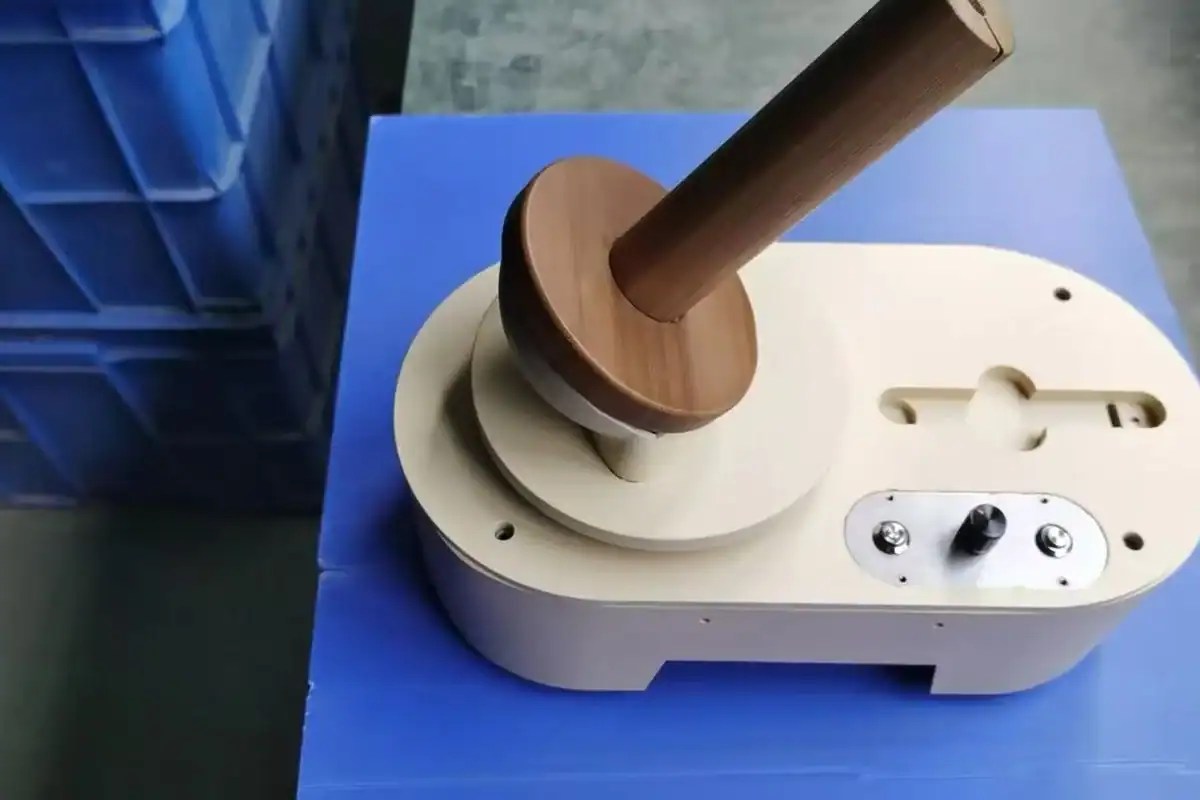
Each build also needs a version, a stated purpose and a written result, so that a later sample can be traced back to a decision. That record-keeping is the same discipline described in sample management in China sourcing, applied to a design that does not exist yet. How many builds it takes is a separate question, and the answer depends on what each round is meant to settle rather than on a standard figure — we cover that in how many prototype rounds a new product needs.
| Assessment area | Evidence to request | Warning sign |
|---|---|---|
| Technical review | Named engineer, questions and marked drawings | Only a salesperson says “no problem” |
| Prototype control | Version ID, test purpose and recorded result | Samples cannot be traced to a revision |
| Tooling | Tooling plan, ownership and change route | Tooling is quoted as one unexplained line |
| Components | Critical parts, suppliers and alternatives | Key parts remain unspecified |
| Production transfer | Approved reference and process controls | No plan beyond “start mass production” |
Test communication with a real technical question
Before awarding a complex development project, give shortlisted factories the same technical question and compare how they respond. The best answer is not always the fastest or most confident. Look for clarification, explicit assumptions, trade-offs and evidence.
If a supplier immediately promises every feature without identifying unknowns, the quotation may not reflect the actual design. A factory that explains what it cannot confirm yet can be safer than one that hides uncertainty.
Assess production capacity for the future design
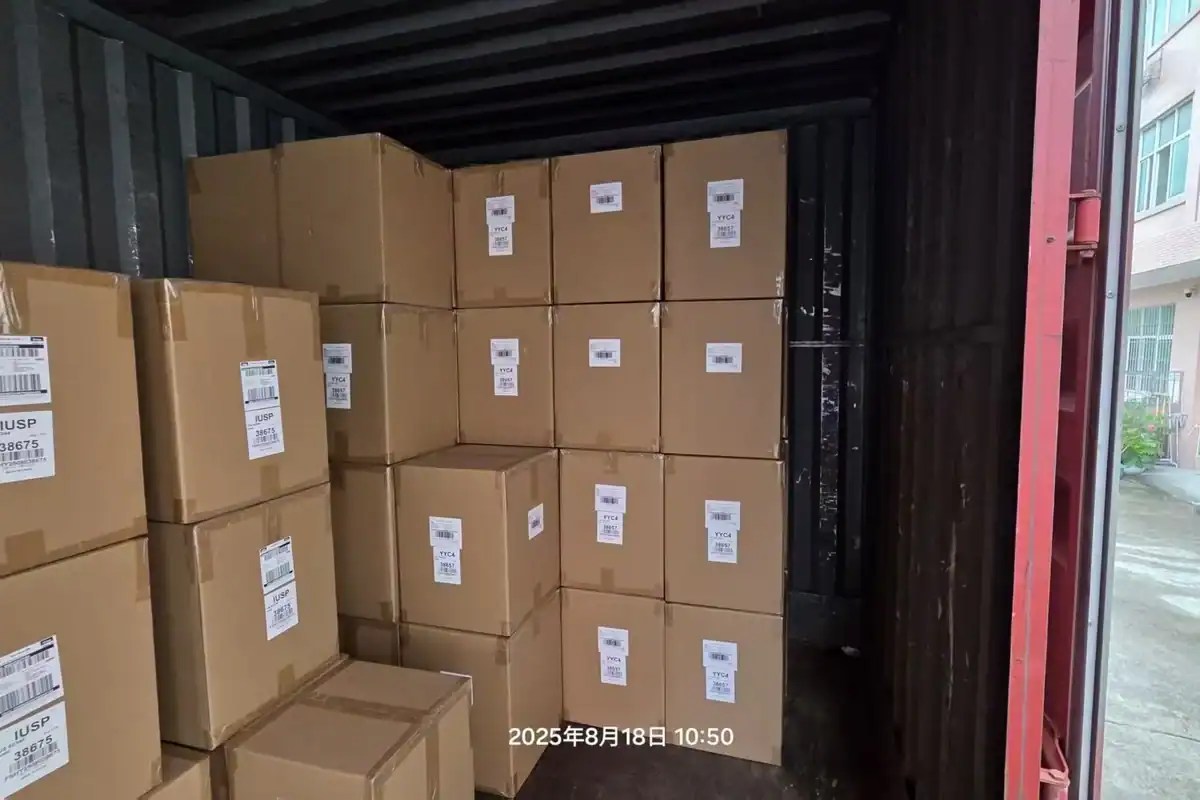
Capacity is not only the number of machines on a factory floor. Consider the planned process, cycle time, bottlenecks, skilled labour, critical tooling, test stations, maintenance and quality records. Ask how the supplier would scale from prototype builds to the buyer’s expected order without mixing unapproved parts or versions.
For a genuinely new product, the future production line may not exist yet. The factory should still be able to explain what would be added, what validation must happen first and which assumptions affect output.
Use a paid development step when evidence is still limited
When the factory appears capable but the design remains uncertain, a defined feasibility or prototype stage can reduce risk. Agree the input, output, review date, ownership of files and tools, and what happens if the concept is not viable.
This is not a universal contract model or a promise that one sample will settle the project. It is a way to produce decision evidence before committing to production quantities.
What one Minden Intl project showed
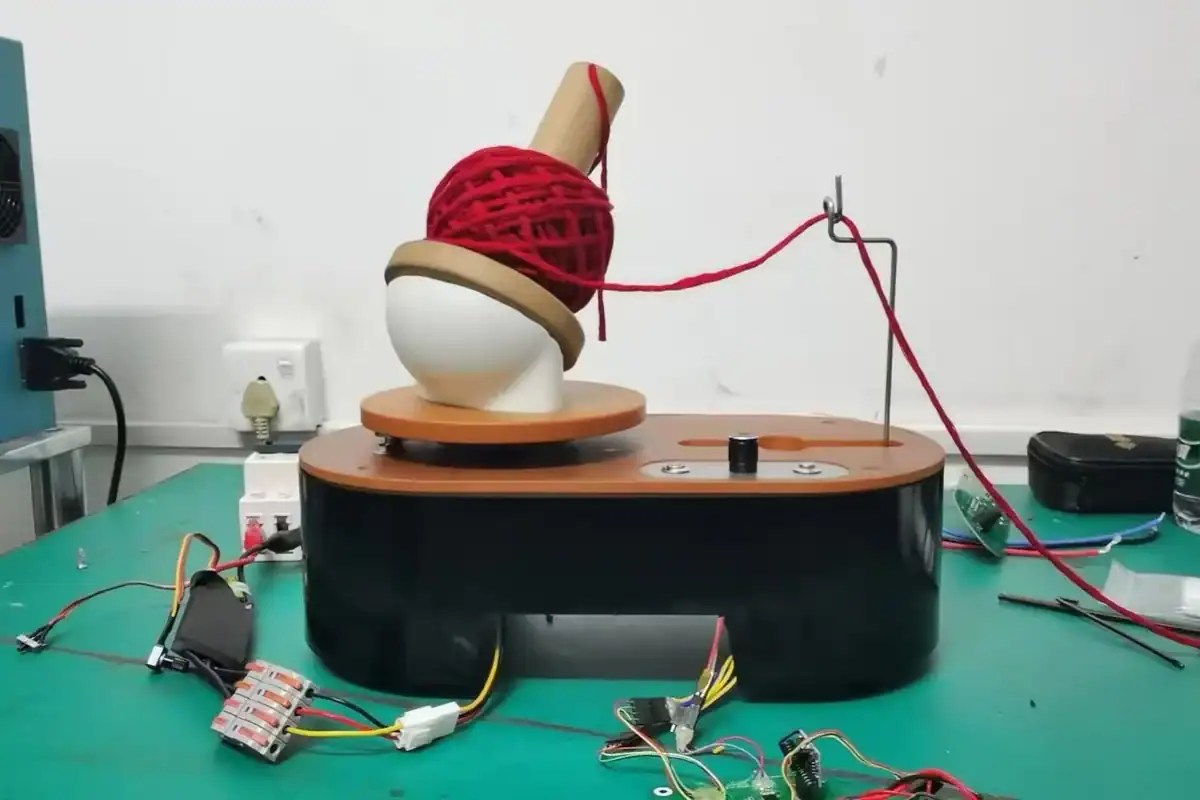
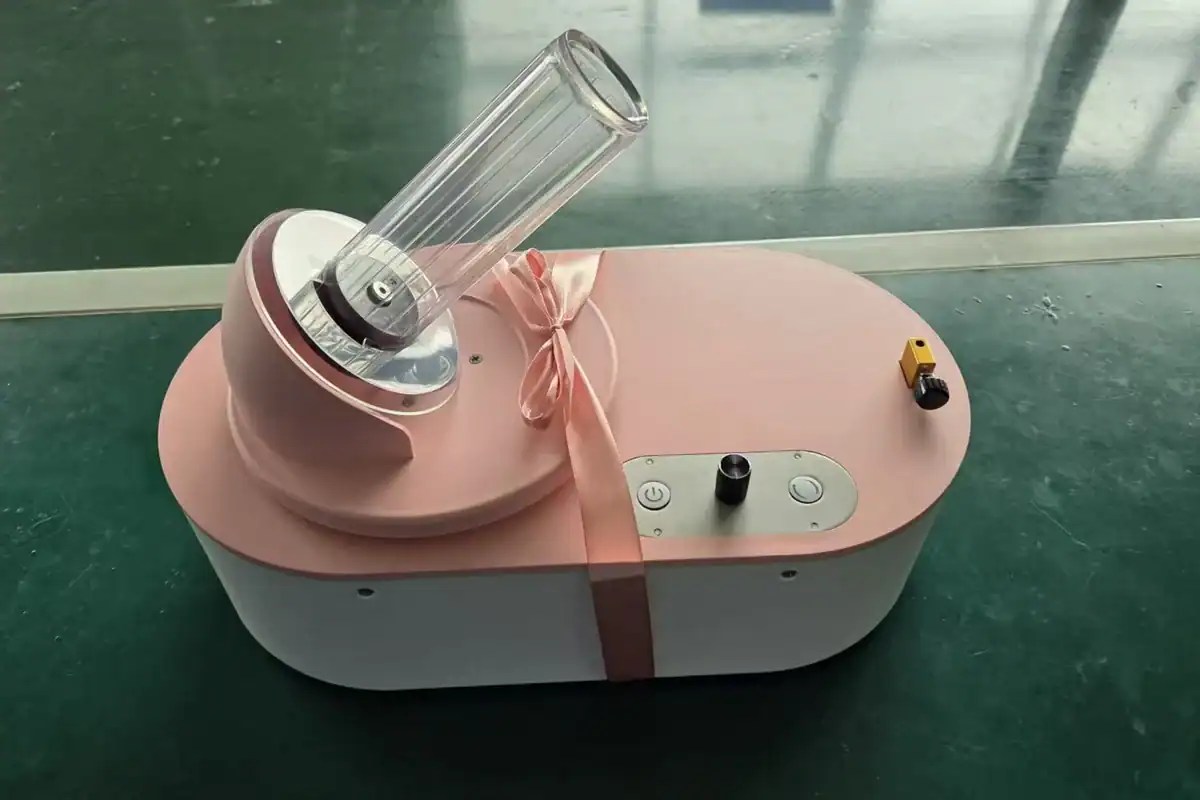
In an electric yarn winder development project, the buyer did not have an existing product for factories to copy. Many suppliers contacted through 1688 were not a fit for the required engineering and new tooling. Minden Intl eventually evaluated a Guangdong manufacturer with custom mechanical-equipment experience, focusing on R&D, mould-making and production capability.
The lesson is not that one sourcing channel always fails. It is that the assessment criteria must match the job. When the product is new, evidence of engineering ownership and development control matters more than the size of a supplier’s catalogue.
How this fits into product development
Factory selection is one gate in a broader product development process in China. After selection, the buyer still needs controlled prototypes, written approvals, tooling decisions, pre-production validation and a clear production reference.
Minden Intl helps overseas brands turn product inputs into a factory search, compare technical capability, coordinate development questions and keep decisions visible across suppliers. Send your concept, target market and expected order scale for an initial development discussion, or start with a free sourcing trial if you want to see how we handle the first search. We will identify missing inputs before treating a quotation as a production plan.
Frequently asked questions
Can a trading company perform a factory capability assessment?
A China sourcing agent can collect and verify evidence, organise technical discussions and visit the factory. The conclusion should still be based on the actual manufacturer, responsible engineers, equipment, subcontractors and process—not on an intermediary’s general assurance.
Is a factory audit enough for a new product?
A general audit may verify legal identity, facilities and management systems. A new-product decision also needs a product-specific technical review, tooling and component plan, prototype discipline and production-transfer evidence.
Should the lowest prototype price determine the factory?
No. A prototype quotation may exclude later tooling, testing, changes or production controls. Compare the scope and assumptions as well as the price.
What if no factory has made a similar product?
Break the concept into functions, materials and processes. A capable team may demonstrate relevant engineering experience across those parts even if it has not made the exact finished product. The remaining uncertainty should be tested through a controlled feasibility or prototype stage.
How many prototype rounds should we expect?
There is no standard number. It depends on how much of the design is genuinely new, how good the brief was, and what each build is asked to prove. A factory that can explain its expected sequence is giving you more information than one that quotes a round count. This is covered in detail in how many prototype rounds a new product needs.
Not sure whether your shortlist can actually develop it?
Send us the concept, the target market and the expected order scale. We will tell you which inputs are still missing, what a factory has to answer before its quotation means anything, and whether the suppliers you have already found are catalogue producers or development partners.