Custom Christmas decoration development is a product-development project with a fixed selling season.
The deadline changes the way decisions should be made. A normal sample delay is inconvenient. A sample delay that pushes production into the buyer’s shipping window can remove the commercial value of the order.
Many Christmas products look simple in a photo but rely on details that are difficult to communicate: colour tone, glitter coverage, surface texture, light effect, shape, hanging balance, assembly, pack size and the way a set appears together.
Minden Intl has already published what happened on one such order. This guide covers the working method behind it — what to decide, in what order, before development starts.

Custom Christmas decoration development starts with a clear brief
Do not begin by asking suppliers, “Can you make this?” Send a brief that explains what must be copied, what may be adapted and what cannot change.
The brief should cover:
- Product type and intended use.
- Target customer and retail channel.
- Reference images, drawings or physical samples.
- Dimensions, materials, construction and finish.
- Colour references and acceptable variation.
- Branding, labels, packaging and set configuration.
- Destination market and buyer-supplied compliance requirements.
- Target order window and required shipment window.
- Which details are critical and which are open to supplier proposals.
A supplier cannot price accurately when the important details are hidden inside a mood board. Separate appearance, function, packaging and commercial requirements.
Identify the product’s visual anchors

Visual anchors are the features that make the design recognizable. They may be a silhouette, colour combination, surface treatment, pattern scale or arrangement of components.
List them explicitly. If the buyer cares most about a specific shade of red and the proportion of a bow, those details should not be treated like general preferences.
Define permitted changes
Some changes may improve manufacturability or reduce unnecessary complexity. The buyer should decide where the supplier can propose alternatives.
For example, an internal fixing method may change if the appearance and function stay the same. A visible fabric, printed pattern or light colour may require exact approval.
Choose suppliers for the actual development work
A supplier who sells similar Christmas decorations is not automatically able to develop the buyer’s design.
Check whether the supplier controls the key process or outsources it. A product may combine metalwork, fabric, plastics, paint, lighting, printed packaging and hand assembly. One company may coordinate several subcontractors.
Ask practical questions:
- Which parts are made in-house?
- Which parts come from outside suppliers?
- Who prepares drawings or patterns?
- Can the supplier explain the sample sequence?
- Which materials or components require minimum purchases?
- What information is needed before a quotation is reliable?
- Who controls changes between sample and production?
The strongest response is not always the quickest “yes.” A capable supplier will identify missing information and explain which details need testing.
Compare quotations on the same specification
Two quotations are not comparable if the suppliers assumed different materials, sizes, finishes or packaging.
Ask each supplier to list major assumptions and exclusions. Confirm whether sample work, moulds, tooling, artwork preparation, testing, packaging and inland delivery are included or separate.
Do not invent a target MOQ or development cost before suppliers have reviewed the design. The practical quantity depends on materials, processes, component purchases and the factory’s production setup.
Watch for silent simplification
A low quotation may reflect a simpler material, fewer decorative steps, lighter construction or basic packaging. These changes can be legitimate, but they must be visible.
Request a side-by-side difference list when a supplier proposes a lower-cost version. The buyer should choose the trade-off rather than discover it in the sample.
Plan the sample sequence
One sample rarely resolves every question. Define what each round is expected to prove.
Appearance or concept sample
This round checks overall shape, scale, colour direction and decorative treatment. It may use substitute materials if the purpose is stated clearly.
Do not approve it as the production reference if construction or materials are still provisional.
Functional or construction sample
This round checks assembly, stability, hanging method, moving parts, electrical function where applicable and the way components fit together.
Record what changed after the appearance review. Otherwise, an improvement in one area may quietly reverse an earlier approval.
Pre-production sample
This sample should use the intended production materials, construction, finish, labels and packaging as far as agreed. It becomes the main reference for production only after the buyer approves it in writing.
If an approved physical sample is kept in China, identify it with product code, revision and approval date. Photographs alone may not show colour, texture or construction well enough.
Use version control for every sample
Christmas development often produces several similar-looking samples. “The latest one” is not a safe reference.
Give each sample a version number and date. Maintain a change log showing:
- Requested change.
- Reason for the change.
- Who requested it.
- Supplier response.
- Sample version where it first appears.
- Approval, rejection or open status.
Review the whole sample after a change, not only the changed detail. New materials or construction can affect weight, colour, packaging or assembly.
Control colour, finish and decorative materials
Words such as gold, champagne, snow white or vintage red are not specifications. Use physical references, recognized colour systems or buyer-approved samples where practical.
Glitter, flocking, paint, plating and printed finishes can look different under factory lighting and retail lighting. Ask for photographs in neutral light, but do not rely on screen colour alone for a critical decision.
Check transfer, shedding and surface contact
Decorative finishes may transfer onto adjacent parts or packaging. Glitter and flocking may shed. Painted or plated surfaces may scratch where products touch.
Define acceptable appearance and protection based on the actual product. Do not copy a generic tolerance that has not been approved for the order.
Confirm construction and use conditions
Ask how the decoration will be displayed, stored and handled. A hanging ornament, table decoration, outdoor display and illuminated product have different requirements.
Check the parts a customer will touch or assemble. Confirm attachment points, sharp edges, balance, stability and cable or battery access where applicable.
Compliance depends on product type, materials, electrical components, intended users and destination. The buyer should obtain qualified advice for the target market. Suppliers can provide documents and test information, but their statement alone should not be treated as final regulatory confirmation.
For destination research, buyers can consult official resources such as the U.S. Consumer Product Safety Commission or the EU’s Access2Markets portal, then confirm the rules that apply to the specific product.
Develop packaging together with the product
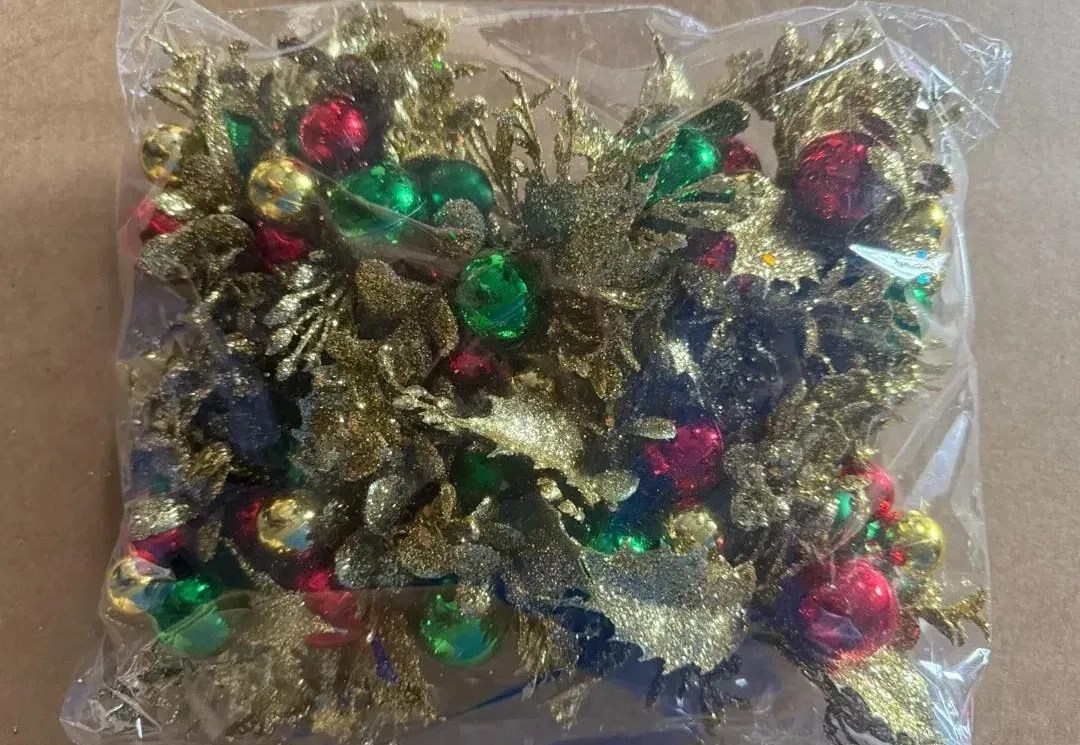
Seasonal decorations are often delicate, irregular or sold as sets. Packaging affects appearance, breakage, storage and container volume.
Confirm:
- How each component is separated and fixed.
- Whether surfaces touch printed or abrasive materials.
- How sets are counted and identified.
- Inner-pack and master-carton quantities.
- Assembly, care or battery instructions where relevant.
- Brand labels, barcodes and carton marks.
- Final carton dimensions and weights.
Do not approve the product and postpone packaging until production. A new insert or larger carton may change cost, CBM and shipping plans.
Build the timeline backward from the selling season
Start with the date goods must be available in the destination warehouse. Work backward through destination delivery, international shipping, export preparation, inspection, packing, production, material purchasing and sample approval.
Add decision time for the buyer. A sample sitting unreviewed for a week uses the same calendar as a factory delay.Use the Christmas product sourcing timeline to turn those stages into buyer decisions, supplier checkpoints and a realistic shipment plan.
Set decision cut-off points
Define when the design must freeze, when packaging must be approved and when late changes will move the shipment or be rejected.
A seasonal order needs disciplined scope. Reopening an approved visual detail may be reasonable, but the commercial effect on tooling, materials and schedule must be shown before the change is accepted.
Do not hide uncertainty
If a material is not confirmed, a test is pending or a component supplier has not committed, record it as open. A green progress report built on assumptions is less useful than an honest exception list.
Plan around China’s production calendar, not only your own
A Christmas project runs against a local calendar the buyer does not control.
Chinese New Year stops most factories for two to four weeks, and output is unsettled for a period before and after as workers travel. A project still resolving samples in January usually loses more calendar than the holiday itself.
Factory loading is the second constraint. Seasonal decoration lines are booked ahead of the shipping window, so a buyer who confirms late competes for capacity against buyers who confirmed early. The quotation may still be valid; the production slot may not be.
Where seasonal decorations are actually produced
Christmas decoration production in China is concentrated in specific clusters rather than spread evenly. Yiwu in Zhejiang Province handles a large share of ornaments, garlands, artificial greenery and set packaging, while lighting and electrical products are more often made in Guangdong. A buyer developing a product that combines both will usually be coordinating more than one region.
Hand the approved sample into production
A controlled development record should make the final approved version obvious to the production team.
The production package should include the final specification, approved sample reference, change log, material and colour references, artwork, packaging files, inspection points and authorized production quantity.
Hold a handover check with the supplier. Ask them to confirm the revision and identify anything that differs from the approved sample.
When production starts, verify that the line is using the same materials, construction and packaging. The purpose is not to repeat the entire sample process. It is to catch a gap between the approved reference and production before the full batch is complete.
Inspect the production batch against approved evidence

Inspection should compare the goods with the purchase order, specification, approved sample and authorized changes.
Check product identity, quantity, dimensions, materials, visual finish, construction, function where applicable, set completeness, labels and packaging. Product-specific checks should be prepared before the inspection.
Do not ask an inspector to approve a design preference that the buyer never defined. Inspection can verify requirements; it cannot create them after production.
Common development failures
The supplier copied the image but missed the design
A reference image does not explain scale, material, surface treatment or which details matter most. The brief needs visual anchors and measurable requirements.
Every sample round solved a different problem
Without a version log, changes accumulate without a clear final reference. Define the purpose and decision for each sample.
Packaging was treated as a separate late task
This creates unplanned carton size, protection and artwork problems. Develop packaging alongside the production sample.
The timeline assumed immediate approvals
Buyer decisions are part of the critical path. Set review deadlines and show the effect of late changes.
How this guide relates to Minden Intl’s Christmas sourcing case
Minden Intl’s custom Christmas decor sourcing case records a real order where the design could not be copied exactly. It shows the practical uncertainty and decisions inside one project.
This guide turns that type of experience into a method buyers can use before development starts. Readers who need broader supplier coordination can review Minden Intl’s sourcing services and China sourcing support.
Frequently asked questions
How many sample rounds are needed for a custom Christmas decoration?
There is no fixed number. The right sequence depends on design complexity, materials, function and how many decisions can be resolved in each round. Define what each sample must prove.
Can a supplier quote accurately from a reference image?
Usually only as an initial estimate. Reliable comparison needs confirmed dimensions, materials, finish, construction, packaging and the level of customization.
When should the design be frozen?
Before production materials and packaging are committed. The project timeline should state the final approval point and the commercial effect of changes after it.
Who confirms compliance requirements?
The buyer should confirm applicable destination requirements with qualified regulatory, testing, freight or customs advisers. Suppliers provide product information and documents, while the sourcing team verifies that agreed evidence is collected.
When should a Christmas development project start?
Work backward from the in-store date rather than forward from today. The starting point depends on sample rounds, material lead times, factory loading and Chinese New Year. A project that begins after the factory’s seasonal capacity is booked may be quoted normally and still miss the shipping window.
Can a factory produce from a photo alone?
It can produce something similar. Colour shade, surface texture and proportion drift each time a factory interprets an image instead of working from a physical sample or a measured drawing.
Developing a seasonal product with a fixed deadline?
Minden Intl can coordinate supplier communication, sample versions, approved changes, production follow-up, inspection and shipment preparation in China.