Retailers rarely struggle because they cannot find a supplier in China. The harder problem is building a supply process that can support repeat orders, changing product ranges, consistent quality, mixed shipments and clear accountability over time.
A reliable China sourcing company for retailers should do more than introduce a factory. It should help turn separate suppliers, samples, specifications, inspections, warehouse activities and shipping arrangements into one controlled supply chain. This guide explains how to evaluate that capability before committing to a long-term partnership.
Why Retail Supply Requires More Than Finding a Supplier
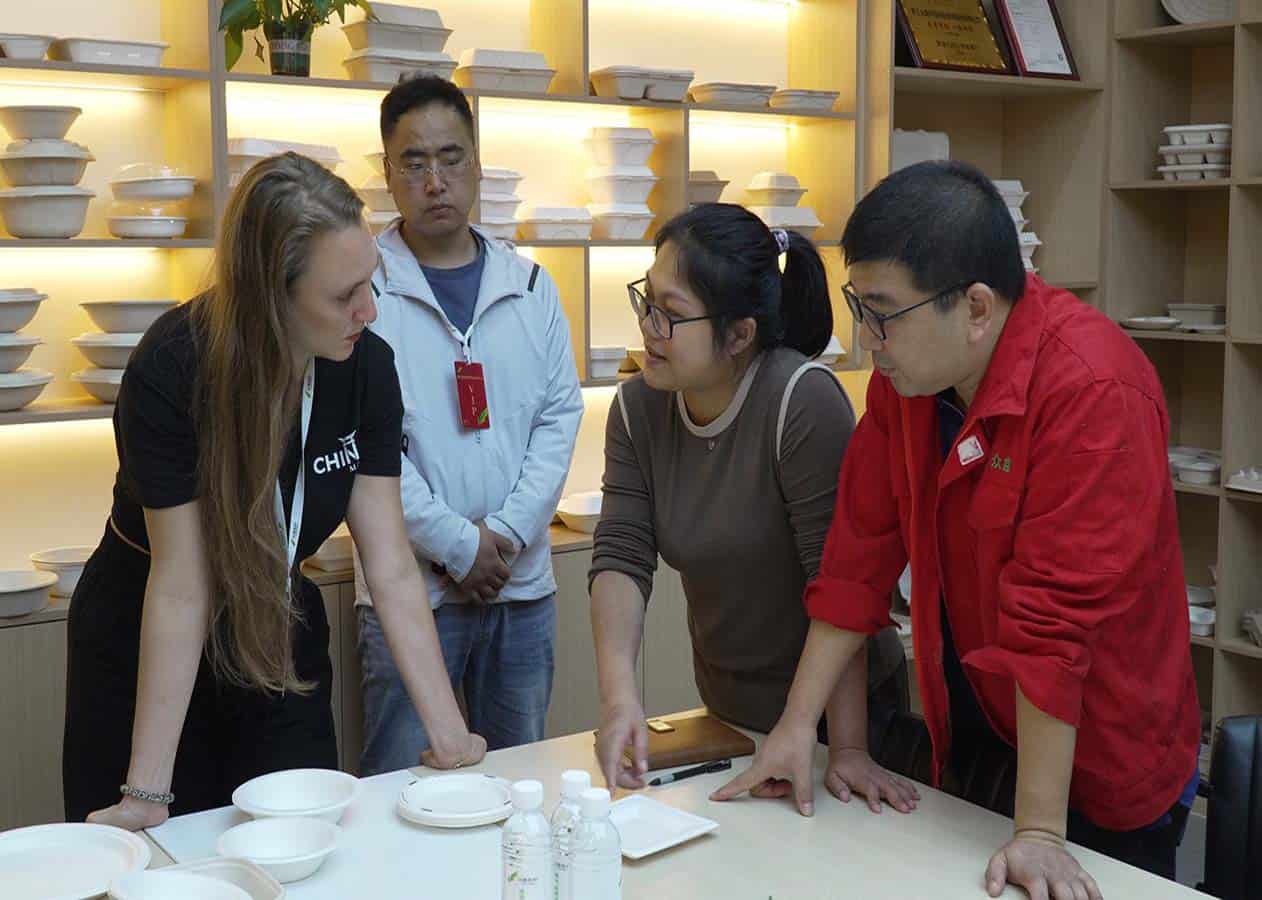
A single successful purchase does not automatically create a reliable retail supply chain. Retailers need products to remain consistent across repeat orders, while packaging, labeling, delivery schedules and market requirements may change. When several suppliers are involved, small communication gaps can become expensive delays or quality disputes.
The real work therefore begins after a supplier has been found. A sourcing partner should help maintain approved specifications, follow production, coordinate inspection, consolidate goods and keep decisions traceable. This is particularly important for growing retailers that do not yet have their own full-time team in China.
Before choosing a partner, define the result you need. Are you sourcing one product from one factory, or managing a changing catalogue from different industrial clusters? Do you need full-container orders, smaller mixed orders, repeat replenishment, private-label packaging or product development? The right operating model depends on those answers.
What a China Sourcing Company for Retailers Should Manage
Product and supplier sourcing
A professional sourcing company should first understand the product, target market, expected quality level, order plan and commercial priorities. It should then identify suitable suppliers rather than simply forwarding the first quotation available.
China’s manufacturing strengths are distributed across different regions. Furniture and building materials, for example, are strongly associated with Foshan; consumer electronics with Shenzhen; lighting with Zhongshan; and many general merchandise categories with Yiwu and surrounding industrial clusters. A sourcing company with a China-wide network can match the product to the appropriate supply base instead of limiting the search to one city.
Samples and specification control
Samples are useful only when they create a clear reference for production. The sourcing process should record the approved model, material, dimensions, colour, packaging, labeling and any market-specific requirements. If a sample changes, the updated version should be identifiable.
This happens more often than buyers expect. The buyer approves a new sample, but the production team is still working from an older PDF or an earlier chat message. The factory floor follows the production file in front of it, not the last message in your inbox.
Order follow-up and quality control
Retailers need visibility after placing an order. A sourcing company should follow production progress, identify delays early and coordinate quality checks against the agreed requirements. Inspection should not be treated as a substitute for clear specifications; both are needed.
The appropriate inspection method depends on the product and risk. Some orders may require checks during production, while others can be verified before shipment. The important point is that the inspection scope, result and required corrective action are clear.
Warehousing and mixed-order consolidation
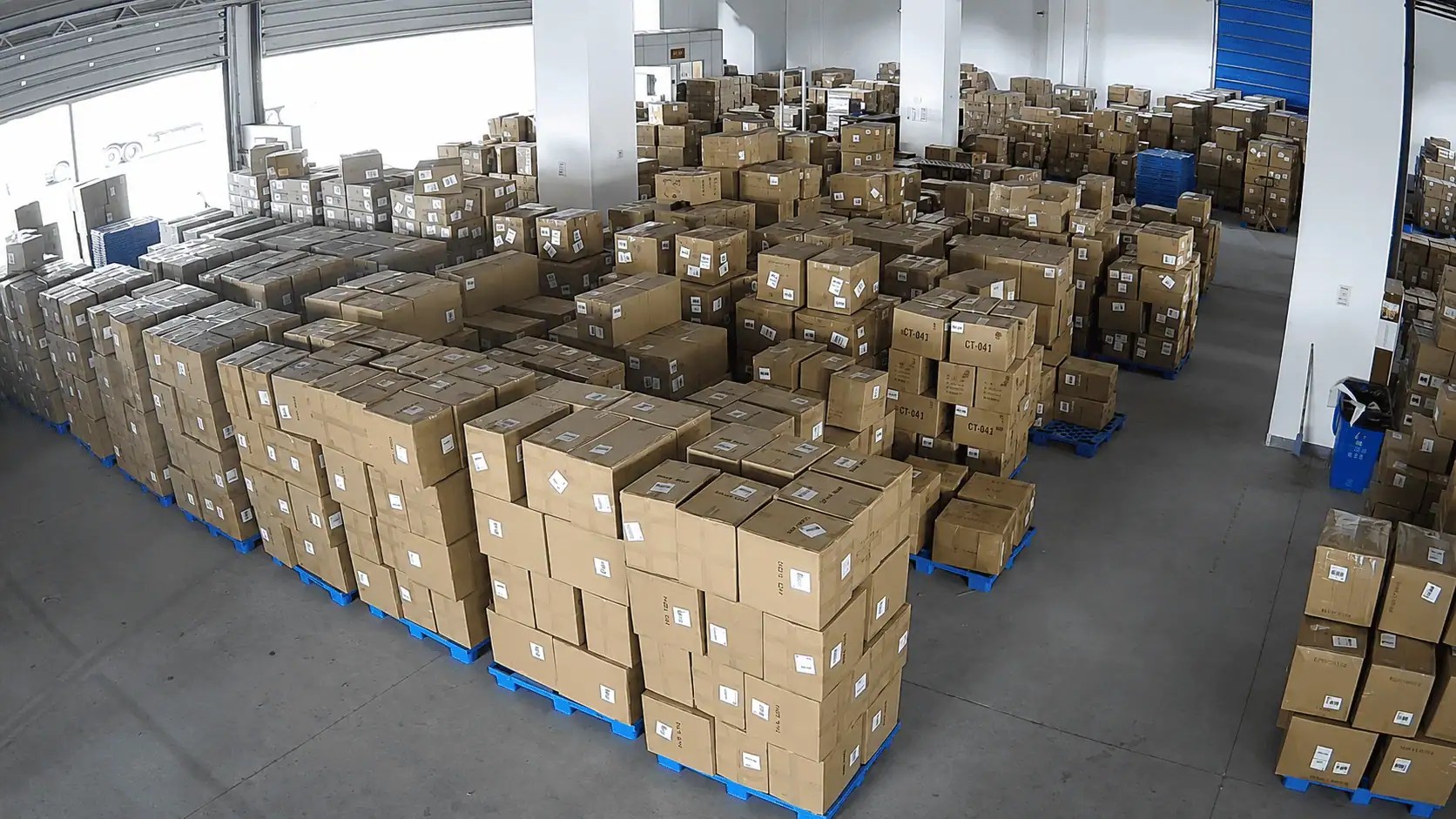
When products come from several suppliers, they are rarely completed on the same day or packed to the same standard. The warehouse has to identify each delivery, check quantities and packaging, and hold the goods until the shipment is ready. Carton marks sound minor. In a mixed-order warehouse, unclear labels can waste hours and put the wrong cartons into the loading plan.
This can be especially useful for retailers that need a broader product mix instead of a full container from one factory. Minden Intl’s sourcing and supply chain services include warehousing, container consolidation and shipping coordination for this type of multi-supplier workflow.
Packaging, labeling and export coordination
Retail packaging is part of the product experience. A sourcing partner should be able to coordinate packaging files, carton marks, labels and other confirmed requirements with suppliers. It should also help organise the commercial and shipping documents needed for the agreed export method.
The partner does not replace the importer’s responsibility to confirm destination-market rules. US importers can start with US Customs and Border Protection’s importing guidance, while EU buyers can check requirements through the European Commission’s Access2Markets portal. The sourcing team should ask about the destination market early enough to prevent avoidable changes at the end of production.
Repeat orders and supplier continuity
Long-term retail sourcing depends on continuity. The partner should retain practical order knowledge, including approved specifications, supplier history and issues found in earlier batches. For a repeat order, the team should verify what remains unchanged and what needs to be reconfirmed rather than assuming that the previous arrangement still applies.
Eight Criteria for Evaluating a Long-Term Sourcing Partner
1. Access to supply chains across China
Ask whether the company can source from different industrial clusters and explain why a particular region is suitable for your category. A genuine China-wide approach is more valuable than a long list of products with no sourcing logic behind it.
2. Ability to match products with the right industrial cluster
The lowest quotation is not always the best sourcing result. The supplier should have the production process, equipment, material access and quality system required for the product. A capable sourcing team should be able to explain the basis for its recommendation.
3. Experience coordinating multiple suppliers
Multi-supplier orders require a common schedule, consistent shipping marks, warehouse receiving rules and a clear loading plan. Ask who owns the overall timeline and how the company handles a supplier that finishes late.
4. Transparent quotations and service fees
Compare the total commercial structure, not only the headline service rate. Ask what is included, what is charged separately and how supplier payments, inspection, warehousing and shipping costs are documented. Minden Intl publishes an overview of its service pricing, while the final scope should still be confirmed for the actual project.
5. Clear specification and approval records
The team should be able to show how it records product requirements, sample approvals and changes. If an instruction is given through email or chat, it should still be reflected in the working record used for production and inspection.
6. Quality-control capability
Ask how inspection criteria are created, who performs the checks and how problems are reported. A useful report should help you make a decision; it should not simply contain a large number of photos without explaining whether the order meets the agreed standard.
7. Consolidation and replenishment support
For repeat retail orders, ask whether the company can receive goods from different suppliers, hold them for an agreed period, check incoming quantities and coordinate mixed shipments. This capability may be more important than finding another supplier.
8. Problem handling and after-sales support
No supply chain is completely free of problems. Evaluate how the company handles shortages, defects, packaging mistakes, late production or claims. A reliable partner should investigate the cause, communicate the available options and follow agreed corrective action.
Factory, Trading Company or Sourcing Company?
| Option | Best suited to | Main advantage | Main limitation |
|---|---|---|---|
| Factory | One stable product within the factory’s capability | Direct production communication | Usually limited to its own product range and process |
| Trading company | Purchasing products offered within its commercial range | Convenient product access and export handling | The buyer may have less visibility into supplier selection and cost structure |
| China sourcing company | Multi-product, multi-supplier or repeat retail sourcing | Buyer-side coordination across sourcing, quality, consolidation and shipping | Requires clear scope, transparent fees and strong operating discipline |
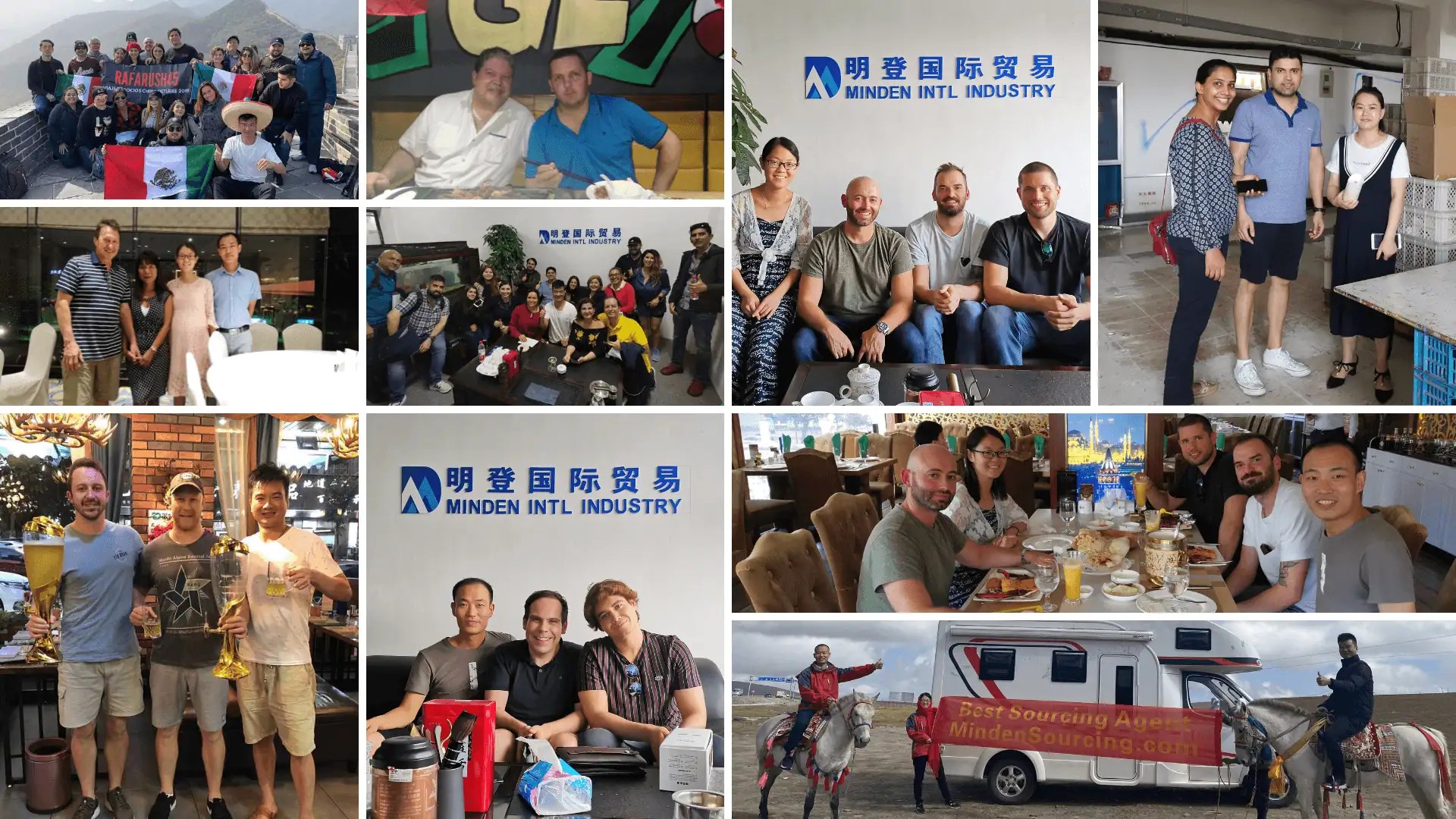
Minden Intl is a professional China sourcing company rather than a factory, wholesaler or trading company. Its role is to help overseas buyers connect with appropriate supply chains and manage the work between product selection and shipment.
Questions to Ask Before Starting
- Which product categories and Chinese industrial clusters do you work with?
- How will you compare and verify potential suppliers?
- Who communicates with suppliers and who reports to us?
- How are specifications, samples and changes recorded?
- What quality checks are appropriate for this order?
- Can you coordinate several suppliers in one warehouse or shipment?
- Which services and third-party costs are included in the quotation?
- How are supplier payments and supporting documents handled?
- What happens if production is late or the inspection does not pass?
- How will repeat orders be managed?
Specific answers are more useful than broad promises. A good partner should also ask you detailed questions about the products, market, order plan and quality expectations.
How to Start With a Controlled Trial Order
A trial order should test the working relationship, not just the product. Choose a scope that is commercially meaningful but still manageable. Confirm the product specification, communication method, responsibilities, service scope, schedule and quality checks before placing the order.
- Define the requirement. Share the product details, target market, estimated order plan and any packaging or compliance requirements already known.
- Confirm the sourcing scope. Agree whether the assignment covers supplier search, negotiation, samples, inspection, warehousing, consolidation, shipping or only selected services.
- Approve the working reference. Keep a clear record of the approved sample or specification.
- Review communication quality. Check whether questions, changes and risks are reported clearly and early.
- Evaluate the complete result. Consider product quality, documentation, timing, problem handling and the effort required from your own team.
If the trial establishes a reliable operating method, the same structure can be improved for repeat orders and a wider product range.
Red Flags to Watch For
- Quotations are presented without enough product detail to compare them fairly.
- The company recommends suppliers but cannot explain the selection criteria.
- Specifications and sample changes are kept only in informal messages.
- Quality inspection is described as a guarantee rather than a defined checking process.
- Supplier, service and logistics costs are mixed together without a clear breakdown.
- The company claims to source every product equally well from one local market.
- It pressures you to place a large order before the workflow has been tested.
- Problems are hidden until the planned shipping date.
Avoiding these warning signs is more important than choosing the lowest sourcing fee. The cost of a weak process often appears later as rework, missed selling time, inconsistent products or repeated management effort.
Choosing a Partner for Long-Term Retail Growth
A China sourcing company for retailers should make the work easier to see, not harder to understand. The best partner is not simply the company that finds the cheapest quotation. It helps you make better supplier decisions, keeps requirements consistent, coordinates the practical work and gives you enough visibility to manage risk.
For retailers, wholesalers and growing importers, that capability becomes more valuable as the number of products, suppliers and repeat orders increases. You can also review Minden Intl’s broader guide to working with a China sourcing agent and the practical steps in how to find a reliable sourcing agent in China.
Frequently Asked Questions
What should a China sourcing company for retailers manage?
It should coordinate supplier selection, specifications, samples, production follow-up, quality checks, warehouse receiving and shipping preparation according to the agreed scope. The buyer should be able to see who owns each step and which decisions still need approval.
Can a sourcing company manage products from different suppliers?
Yes, if it has a defined process for supplier communication, specification control, warehouse receiving, quality checks and consolidation. The buyer should confirm who owns the overall schedule and how late or nonconforming goods will be handled.
Is a sourcing company suitable for repeat retail orders?
It can be particularly useful for repeat orders because the team can retain approved specifications, supplier history and earlier quality findings. Each new order should still confirm any changes in product, packaging, quantity or market requirements.
Who owns the supplier and product information?
This should be agreed before work begins. Ask what supplier information, quotations, specifications, samples and inspection records you will receive, and how they will be stored and updated throughout the relationship.
How should retailers compare sourcing fees?
Compare the scope behind the fee. Confirm which sourcing, negotiation, inspection, warehousing, consolidation and shipping-coordination activities are included, which third-party costs are separate and how the total is documented.
Can one sourcing company source from different regions of China?
A China-wide sourcing company should be able to work across different industrial clusters and choose locations according to the product. Ask for the sourcing logic behind each recommendation rather than assuming that every category should come from the same city.
Planning a Long-Term Retail Sourcing Project?
Send Minden Intl your product categories, target market, estimated order plan and expected reorder frequency. We will review which parts need supplier sourcing, quality control, warehousing or consolidation, then tell you what should be confirmed before the first order.