Sourcing products from China offers incredible cost advantages—but it also comes with one critical risk: product quality.
Whether you’re an Amazon FBA seller, private label brand owner, eCommerce retailer, or B2B importer, your business success depends on receiving products that meet your standards. And that’s where China quality inspections become essential.
But what exactly is a quality inspection?
How does it work in China?
And how much does it cost?
This comprehensive 2026 guide answers everything importers need to know about conducting quality inspections in China—so you can ship with confidence, avoid disputes, and protect your profits.
1. What Is a China Quality Inspection?

A China quality inspection is a systematic process of checking products before, during, or after production to ensure they meet buyer specifications, industry standards, and regulatory requirements.
It’s typically conducted by:
-
Third-party inspection companies
-
Factory in-house QC teams
-
Or your sourcing agent
Inspections are crucial for:
-
Ensuring product consistency
-
Detecting defects before shipment
-
Meeting regulatory compliance (e.g., CE, FDA, FCC)
-
Avoiding returns, chargebacks, and 1-star reviews
🎯 Think of it as your last line of defense before your products leave China.
2. Why Are Quality Inspections in China So Important?
✳️ 1. Chinese Factories Produce to Your Specs—Not Automatically to High Quality
Most Chinese manufacturers work to the exact specifications you provide. If you don’t define clear standards, they may cut corners on materials, finish, or durability.
✳️ 2. High Defect Rates in Mass Production
It’s common for bulk orders to have 5–10% defect rates if not properly managed. Inspections help you:
-
Catch defects before products ship
-
Avoid paying for unusable inventory
-
Reduce returns, refunds, and bad reviews
✳️ 3. Critical for Amazon FBA Sellers
Amazon has strict policies on product quality and safety. Poor product batches can lead to:
-
Account suspensions
-
Negative reviews
-
High return rates
A quality inspection helps you stay compliant and protect your seller metrics.
3. When Should You Conduct a China Product Inspection?
There are several stages where inspections can be performed. The right one for you depends on your risk tolerance, order size, and production timeline.
📦 1. Pre-Production Inspection (PPI)
-
Done before manufacturing begins
-
Ensures raw materials, components, and production setup meet your standards
-
Ideal for first-time orders or new suppliers
🏭 2. During Production Inspection (DUPRO or In-Process)
-
Performed when 20–50% of the goods are completed
-
Helps detect issues early while there’s still time to fix them
-
Useful for ongoing production or custom products
✅ 3. Pre-Shipment Inspection (PSI)
-
Most common type
-
Conducted when 80–100% of the order is complete, but before shipping
-
Inspectors randomly select a sample size based on AQL (Acceptable Quality Limits)
-
Highly recommended for Amazon FBA, retail, or high-value goods
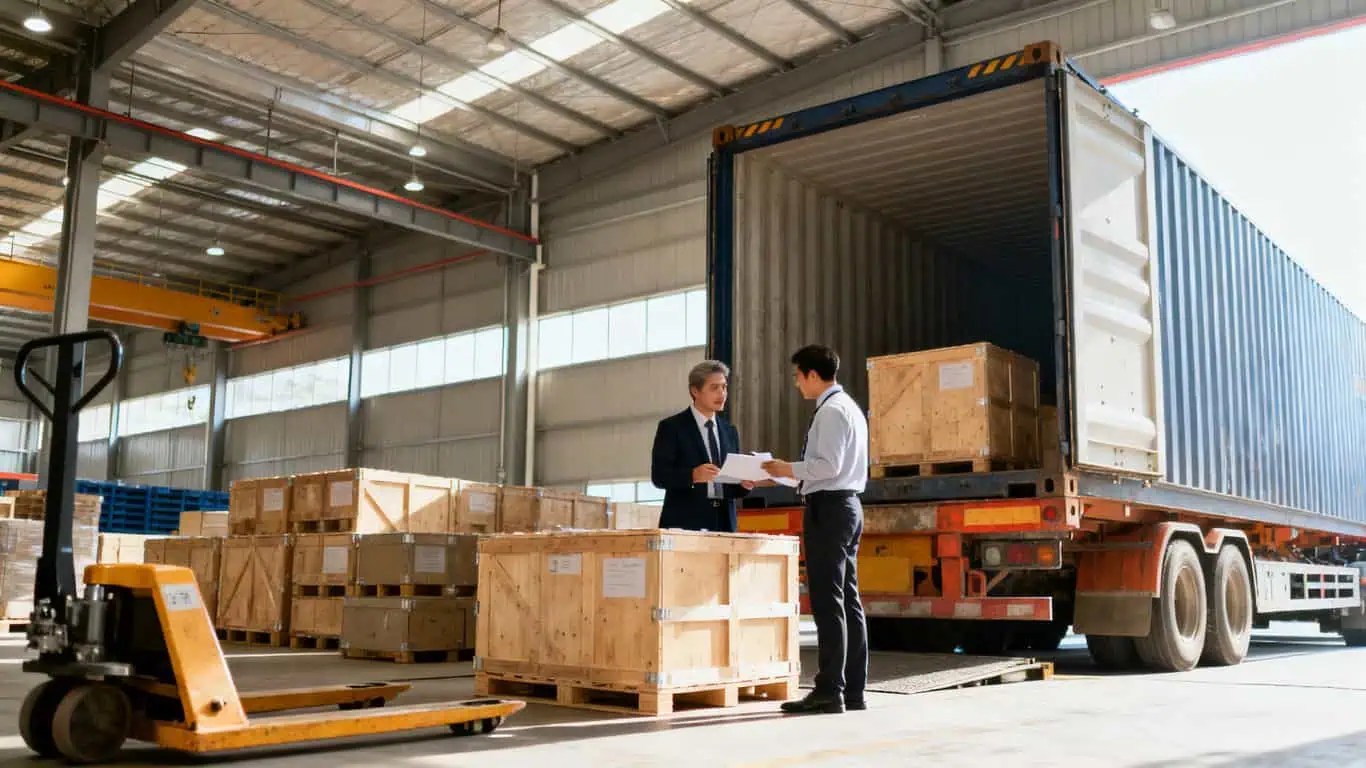
🛬 4. Container Loading Check (CLC)
-
Done at the time of loading goods into the container
-
Ensures that the correct quantity and packaging are shipped
-
Prevents short shipments and cargo mix-ups
🧠 For most importers, a Pre-Shipment Inspection (PSI) is the most effective and cost-efficient option.
4. What Do Inspectors Check During a China Quality Inspection?
Professional inspectors conduct a multi-point inspection checklist tailored to your product type.
📝 Common Checks Include:
-
Quantity Verification
Confirms that the correct number of units are ready for shipment. -
Workmanship Check
Inspects for scratches, dents, incorrect stitching, glue marks, etc. -
Product Dimensions and Weight
Measured against your specifications or golden sample. -
Functionality Testing
For electronics or tools: buttons, connections, power, charging, etc. -
Safety Checks
Sharp edges, loose parts, child safety features, etc. -
Barcode & Label Verification
Essential for Amazon FBA compliance: FNSKU labels, warning labels, etc. -
Packaging Quality
Strength of boxes, print accuracy, polybags, inserts, etc. -
Drop Tests
For fragile items or electronics—testing if packaging survives drops. -
Product Photos and Video
You receive a detailed inspection report, with photos of defects, packaging, and test procedures.
5. What Is AQL (Acceptable Quality Limit) in Inspections?

AQL is the statistical standard used to determine how many defective units are acceptable in a batch before it fails inspection.
🔢 Common AQL Levels:
-
AQL 2.5: Standard for general consumer goods
-
AQL 1.0–1.5: For strict retailers or sensitive products
-
AQL 0.65 or lower: For medical, infant, or high-safety products
💡 Example:
For a batch of 1,000 units with an AQL 2.5:
-
Inspectors check 80 units
-
If more than 5 major defects are found, the batch fails
📊 Always specify your required AQL level in your purchase agreement and inspection instructions.
6. How Much Does a Quality Inspection in China Cost?
💰 Typical Inspection Pricing:
-
$150–$300 per man-day (flat fee)
-
Most inspections are completed in 1 day at a single factory
-
No hidden fees—travel is usually included if within common factory zones (e.g., Shenzhen, Guangzhou, Ningbo)
🧾 Extra Costs May Include:
-
Multi-location travel
-
Urgent same-day reports
-
Re-inspection fees if the batch fails and needs a second check
💡 Pro Tip: For high-ticket orders or Amazon FBA shipments, a $200 inspection can save thousands in defective returns.
7. How to Book a China Quality Inspection

Booking a product inspection in China is easier than ever in 2026. You don’t need to be in China—professional inspectors and agencies will handle everything for you.
✅ Step-by-Step Booking Process:
Step 1: Choose a Reputable Inspection Company
Some of the most trusted third-party inspection companies in China include:
-
QIMA (formerly AsiaInspection)
-
SGS
-
Intertek
-
Bureau Veritas
-
V-Trust
-
TÜV Rheinland
-
Insight Quality
You can also find independent inspectors through:
-
Sourcing agents
-
FBA prep centers in China
-
Upwork or inspection directories
Step 2: Provide Key Details
You’ll need to submit:
-
Product name and specifications
-
Quantity and PO number
-
Factory address and contact person
-
Inspection type (Pre-Shipment, During Production, etc.)
-
Special requests (label check, barcode scan, drop test, etc.)
Step 3: Schedule the Inspection
Most companies can book within 48–72 hours, but schedule at least 3–5 days in advance to guarantee availability.
Step 4: Receive the Inspection Report
You’ll get a full-color PDF report within 24–48 hours with:
-
Inspection summary (PASS / FAIL)
-
Photos and video evidence
-
Defect counts and explanations
-
Measurements and testing results
📎 You can use this report to approve shipment, request rework, or negotiate discounts.
8. What Happens If the Inspection Fails?
If your inspection fails, it doesn’t mean the end of the world—but it’s a sign to pause shipping and take corrective action.
🔄 Options After a Failed Inspection:
✅ 1. Ask the Factory to Rework the Order
-
Provide the defect list to your supplier
-
Allow them time to fix issues
-
Then schedule a re-inspection (usually $100–$200)
✅ 2. Reject the Batch
-
If defects are severe or non-fixable, you may choose to cancel or renegotiate the order
✅ 3. Approve with Conditions
-
If minor defects are present, but the shipment is still usable, you might:
-
Negotiate a discount
-
Approve a partial shipment
-
Label the batch accordingly
-
⚠️ Important:
If your supplier pushes you to skip inspection or ship anyway, this is a red flag. It’s better to delay than ship poor-quality products that hurt your brand or result in Amazon suspensions.
9. China Quality Inspection for Amazon FBA: What to Know

If you’re selling on Amazon FBA, quality inspections are non-negotiable. Amazon is strict about product compliance, labeling, and packaging.
✅ Checklist for Amazon FBA Inspections:
-
FNSKU labels applied and scannable
-
Warning labels (choking hazard, batteries, etc.)
-
Suffocation warning on polybags
-
Carton labeling matches Amazon FBA requirements
-
Item counts are correct
-
Barcodes, expiry dates, or batch codes (if needed)
Amazon can and will reject shipments that don’t meet their prep standards. Using an inspector familiar with Amazon ensures your shipment is compliant from the start.
💡 Pro Tip: Include Amazon’s Prep & Label requirements in your inspection instructions to avoid costly mistakes.
10. Product Categories That Require Extra Inspection Attention
Some product categories carry higher risk and require stricter inspections:
🔌 Electronics
-
Power testing
-
Battery safety
-
CE/FCC certifications
🧸 Toys & Baby Products
-
Choking hazard checks
-
Material safety (BPA-free, non-toxic)
-
CPSIA compliance (for the US)
🛋️ Furniture & Homeware
-
Load testing
-
Finishing quality
-
Sharp edge detection
🧴 Cosmetics & Beauty Tools
-
Labeling accuracy
-
Material verification
-
Expiry date consistency
📦 Packaging and Presentation
-
If you’re building a brand, unboxing quality matters
-
Inspectors can test:
-
Box sturdiness
-
Print alignment
-
Logo quality
-
Inserts and manuals
-
11. Can a Sourcing Agent Handle Quality Control?

Yes—many China sourcing agents include inspection services as part of their packages. While not as thorough as a third-party lab, this option is useful if:
-
You’re on a budget
-
The order is small (under $2,000)
-
You have an ongoing relationship with the agent
Make sure they:
-
Use a formal checklist
-
Provide clear photos and defect descriptions
-
Know Amazon FBA requirements (if relevant)
For larger orders or high-value items, a dedicated inspection company is a better investment.
12. Should You Inspect Every Order from China?
Yes—especially if it’s your first order or if you’re using a new supplier.
Once you’ve built a long-term relationship with a factory and had several successful inspections, you might consider:
-
Doing random batch inspections
-
Reducing frequency to every few shipments
-
Using your sourcing agent to spot check
However, skipping inspections entirely is risky. A bad batch can:
-
Cost thousands in returns
-
Harm your reputation
-
Result in Amazon suspensions
📦 Remember: The inspection cost is less than the cost of a 1-star review or return frenzy.
Conclusion: Don’t Ship Without a China Quality Inspection
If you import products from China—especially for Amazon, retail, or your own brand—quality inspections are not optional.
They help you:
-
Catch defects before they become customer complaints
-
Avoid chargebacks, refunds, and bad reviews
-
Ensure brand reputation and compliance
-
Save thousands by preventing returns
In 2026, it’s easier than ever to work with professional inspectors, automate checklists, and receive same-day photo reports—so there’s no excuse for skipping this step.
FAQs About China Quality Inspection

1. What is the most common type of China product inspection?
The Pre-Shipment Inspection (PSI) is the most widely used and effective for confirming product quality before shipping.
2. How much does an inspection typically cost in China?
On average, a 1-day inspection costs $150–$300 depending on the company, product type, and location.
3. Can I do the inspection myself if I’m in China?
Yes, if you’re local or have a team in China, you can perform your own QC. But for most overseas buyers, hiring a third-party company is safer and more reliable.
4. What happens if the inspection fails?
You can ask the supplier to rework the order, request a re-inspection, or cancel/renegotiate the deal based on the findings.
5. Do I need to inspect every single product?
No. Inspectors use sampling methods (AQL standards) to test a representative portion of the batch.